
Wiper Lifespan Calculator
Your wiper lifespan depends on climate, usage frequency, and blade type. We'll calculate your personalized replacement schedule based on these factors.
Pro Tip: Replace wipers before winter hits. A $30 investment prevents windshield damage costing $200-$600.
Most drivers don’t think about their windshield wipers until it’s raining hard and the blades are smearing streaks across the glass. That’s when you realize they’ve worn out - and maybe you’ve been driving with bad wipers for months. So how long do windshield wipers actually last? The short answer: 6 to 12 months for most drivers under normal conditions. But that number can drop fast depending on your climate, how often you use them, and the quality of the blades you bought.
Why Windshield Wipers Don’t Last as Long as You Think
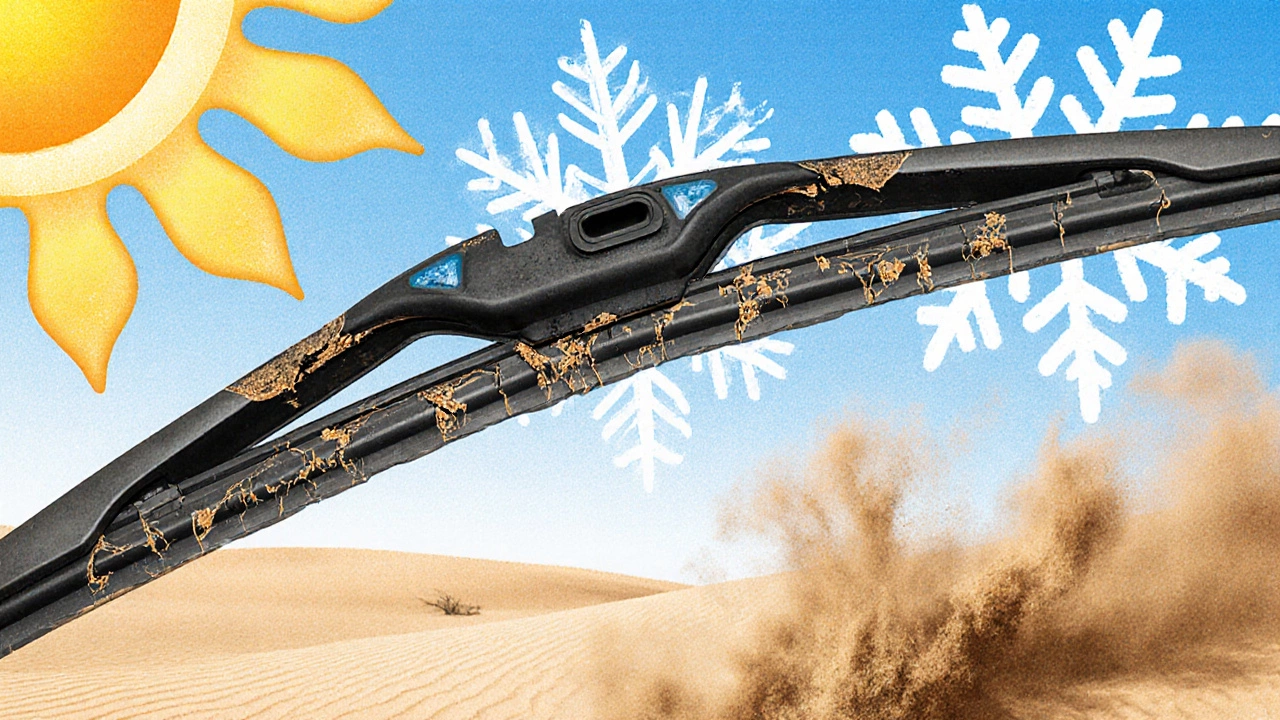
Wiper blades are made of rubber, and rubber breaks down over time. It’s not just about how many times you swipe the windshield - it’s about exposure to heat, UV rays, cold, and dirt. Even if you only use your wipers a few times a week, the rubber still dries out, cracks, and loses its flexibility. That’s why a set of wipers sitting unused in your garage for a year might still need replacing.
Think of it like a garden hose left in the sun. After a few months, it gets stiff and brittle. Wiper blades work the same way. In hot climates like Arizona or Texas, the rubber can degrade in as little as 3 to 4 months. In colder areas, ice and snow can cause the frame to bend or the rubber to tear when you try to clear frozen windows.
Signs Your Wipers Are Done
You don’t need a mechanic to tell you when your wipers are failing. Here are the five most common signs:
- Streaking - Instead of a clean swipe, you see smears or cloudy patches across the glass.
- Chattering - The blade skips or jumps across the windshield, making a rhythmic noise.
- Smearing - Water spreads out instead of being cleared, leaving a greasy film, especially at high speeds.
- Crack or split in the rubber - Look closely at the edge of the blade. If you see gaps or tears, it’s time to replace them.
- Missing chunks - If the rubber is peeling off or has chunks missing, it’s not just worn - it’s damaged.
Any of these signs mean your visibility is compromised. And in bad weather, that’s not just annoying - it’s dangerous. A 2023 study by the AAA Foundation for Traffic Safety found that drivers with worn wipers took 30% longer to react to hazards during heavy rain. That’s enough to turn a near-miss into a collision.
How Climate and Usage Affect Lifespan
Your location matters more than you think. Here’s how different environments impact wiper life:
- Hot, sunny climates - UV radiation breaks down rubber fast. In places like Florida, Nevada, or California, replace wipers every 6 months.
- Cold, snowy regions - Ice buildup puts stress on the blade frame. If you scrape ice off the windshield with a plastic scraper, you might accidentally nick the rubber. Replace blades at least once a year, or sooner if you notice stiffness.
- Dusty or sandy areas - Dirt acts like sandpaper. In desert states or rural roads with unpaved surfaces, wipers wear out faster. Clean the blades monthly with a damp cloth to extend life.
- High humidity and salt air - Coastal areas like Miami or Seattle see more corrosion on the metal frame and faster rubber degradation. Check blades every 4 to 6 months.
Usage frequency also plays a role. If you drive daily in rainy or snowy conditions, you’re using your wipers 10-15 times a day. That’s over 3,000 wipes a year. Even high-quality blades won’t last long under that kind of stress.
Types of Wiper Blades and How They Compare
Not all wiper blades are created equal. There are three main types on the market:
| Blade Type | Lifespan | Pros | Cons |
|---|---|---|---|
| Conventional (Frame-Type) | 6-12 months | Cheap, widely available, easy to install | Prone to lifting at high speeds, collects debris in frame |
| Beam (Frameless) | 9-18 months | Better aerodynamics, even pressure across blade, resists snow buildup | More expensive, harder to find for older cars |
| Hybrid | 12-24 months | Combines rubber and frame support, durable, performs well in extreme weather | Most expensive, overkill for light use |
For most drivers, beam blades are the best balance of performance and price. They’re less likely to lift off the glass at highway speeds and handle snow better. If you live in a place with harsh winters, hybrid blades are worth the extra cost.
How to Make Your Wipers Last Longer
You can stretch the life of your blades with simple habits:
- Never use wipers on a dry windshield - Always spray washer fluid first. Dry wiping grinds dirt into the rubber and scratches the glass.
- Clean the blades monthly - Wipe the rubber edge with a microfiber cloth and isopropyl alcohol to remove oil, bugs, and road grime.
- Don’t leave them up in snow - Some people lift the blades to prevent freezing. But that puts constant tension on the spring mechanism, which can warp over time.
- Replace both blades at the same time - Even if one looks fine, the other is likely close to failing. Mismatched blades cause uneven wiping.
- Use quality washer fluid - Cheap fluids leave residue. Look for ones with anti-streak and de-icing additives if you live in cold areas.
When to Replace Them - A Simple Rule
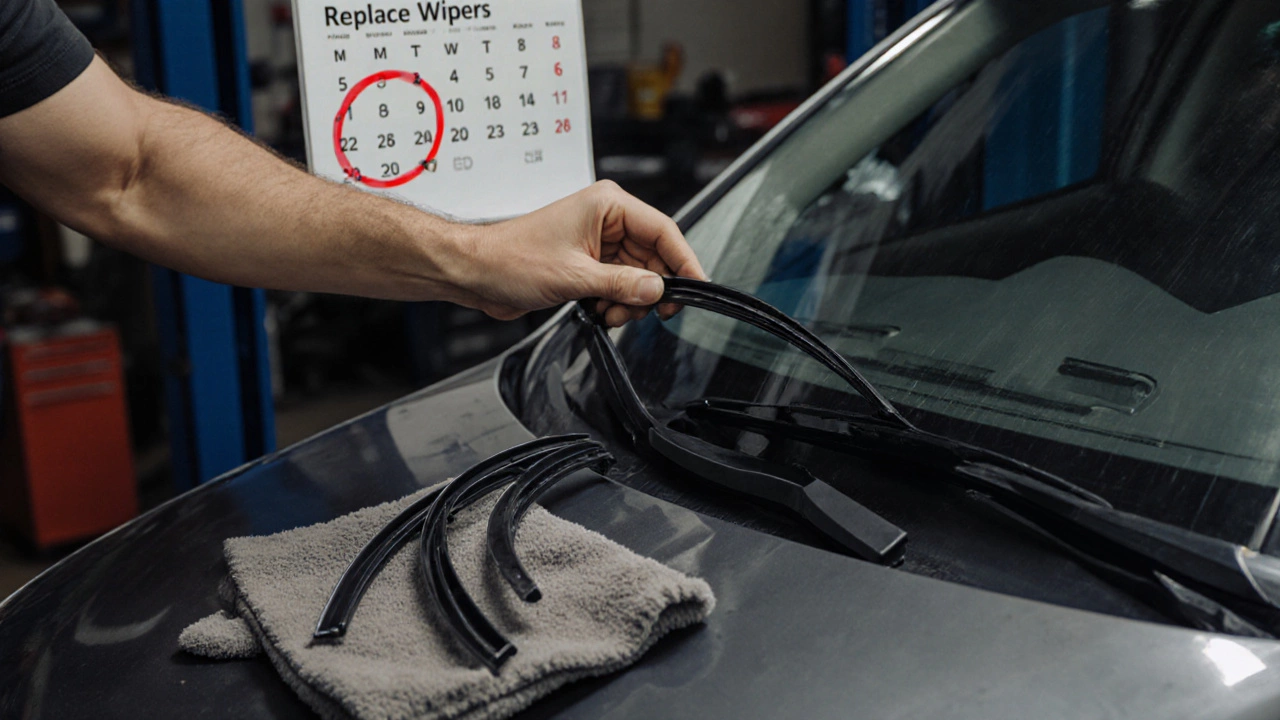
Here’s a no-fail rule: Replace your wipers every 6 months if you drive in hot or dusty areas. Every 12 months if you live in mild weather. And always replace them before winter hits - don’t wait for the first snowstorm to realize they’re bad.
It’s cheap insurance. A pair of quality wiper blades costs between $15 and $40. That’s less than a tank of gas. But bad wipers can cost you your safety - and your insurance rates if you get into an accident because you couldn’t see.
What Happens If You Wait Too Long?
Waiting too long doesn’t just hurt visibility - it can damage your windshield. Worn rubber blades drag grit and sand across the glass. Over time, that creates micro-scratches that cloud your vision permanently. Once those scratches are there, no amount of new blades will fix it.
And if the metal frame bends from ice or pressure, it can scratch the glass even worse. Replacing a windshield costs $200 to $600. Replacing wipers costs $30. The math is simple.
Pro Tip: Check Them During Oil Changes
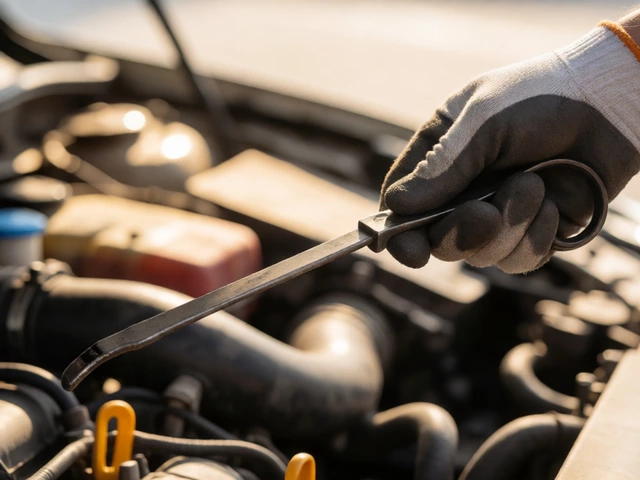
Most people get their oil changed every 5,000 to 7,500 miles. That’s about every 6 months for the average driver. Make it a habit to ask the mechanic to check your wipers every time you go in. It takes 10 seconds. And if they’re worn, you’ll know before you get caught in a downpour.
Wiper blades are one of the most overlooked parts of your car. But they’re also one of the most critical for safety. Don’t treat them like an afterthought. Replace them on schedule. Keep them clean. And never ignore the signs.
How often should I replace my windshield wipers?
Replace windshield wipers every 6 to 12 months, depending on your climate and usage. Hot, sunny, or dusty areas require replacement every 6 months. Mild climates allow for up to 12 months. Always replace them before winter if you live in a snowy region.
Can I extend the life of my wiper blades?
Yes. Clean the rubber edge with isopropyl alcohol every month. Never use wipers on a dry windshield - always use washer fluid. Avoid leaving them up in snow, and replace both blades at the same time to ensure even performance.
Are expensive wiper blades worth it?
For most drivers, yes. Beam and hybrid blades last longer, perform better in rain and snow, and don’t lift at high speeds. They cost $10-$20 more than basic blades, but they reduce streaking and improve safety. If you drive often or in bad weather, the upgrade pays off.
Why do my wipers chatter?
Chattering usually means the rubber blade is worn, cracked, or dirty. It can also happen if the wiper arm is bent or the pressure isn’t even. Clean the blades first. If that doesn’t help, replace them. A bent arm may need professional adjustment.
Can worn wipers scratch my windshield?
Yes. When the rubber wears down, dirt and grit get trapped against the glass. As the blade moves, it acts like sandpaper. This creates fine scratches that reduce visibility and can’t be polished out. Replacing blades before they’re severely worn protects your windshield.



Write a comment