Car Maintenance: Essential Tips to Keep Your Vehicle Running Smoothly
Got a car you rely on every day? Skipping basic upkeep can turn a cheap fix into a pricey nightmare. The good news? Most maintenance tasks are simple, cheap, and only take a few minutes. Below you’ll find the core actions you can do yourself and the signals that it’s time to bring in a professional.
Everyday Checks Anyone Can Do
Oil level. Pull the dipstick, wipe it clean, reinsert, then pull again. The oil should sit between the low and high marks. If it’s low, top it off with the right type (check your owner’s manual). Doing this once a month catches leaks before they drain the engine.
Tire pressure. A quick gauge check once a week keeps fuel economy up and tires lasting longer. The recommended PSI is on the driver’s door jamb. Inflate to that number, not the max on the sidewall.
Lights. Flip the headlight, brake, and turn‑signal switches and walk around the car. A dim headlamp or a burnt‑out brake light is a safety risk and may cause a ticket.
Windshield wipers. Scrape a bit of rubber off the blade and swipe it across the glass. If you see streaks or hear squeaking, replace the wiper set. It’s a cheap fix that prevents dangerous visibility loss in rain.
Air filter. Open the engine bay, locate the rectangular box, and pull out the filter. If it looks dark and clogged, swap it for a new one. A clean filter improves airflow, which can boost fuel efficiency by a few percent.
When to Call a Pro
Brake noises. If you hear squealing, grinding, or feel a spongy pedal, it’s time to have the pads and rotors inspected. Ignoring brake wear can lead to costly rotor damage.
Engine warnings. A check‑engine light that stays on after a quick reset indicates a deeper issue. Use a code reader or let a shop diagnose the trouble code before it turns into major engine work.
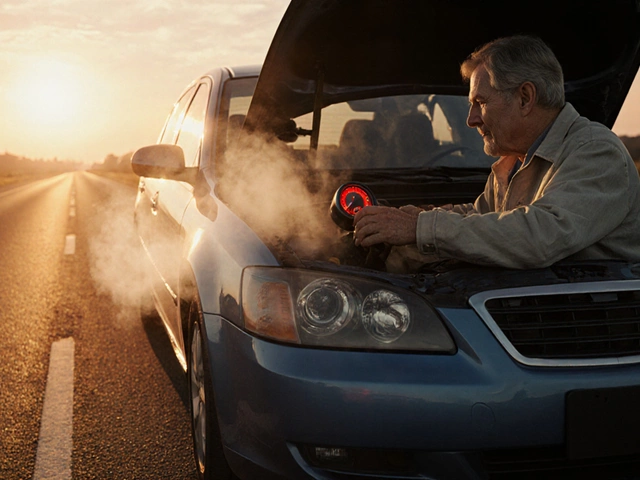
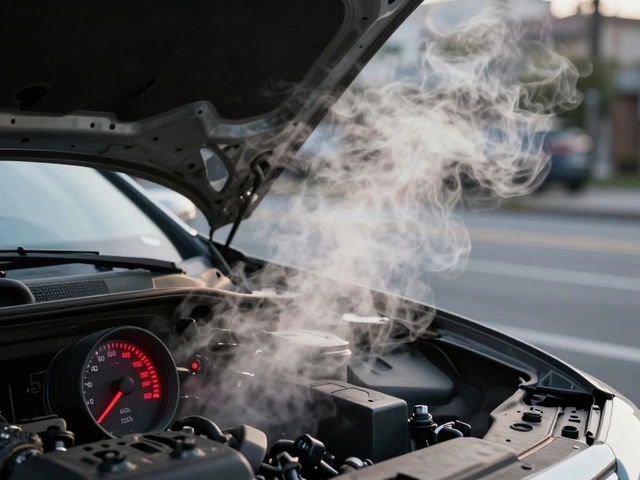
Coolant loss. Keep an eye on the coolant reservoir. A gradual drop signals a leak, which can cause overheating and severe engine damage if left unchecked.
Vibration at high speeds. A wobble often points to unbalanced or worn tires, or a bent suspension component. Have a technician balance the wheels and inspect the suspension geometry.
Transmission slipping. If the car hesitates during acceleration or the gear shifts feel harsh, the clutch (manual) or the torque converter (auto) may need attention. Early diagnosis saves you from a total rebuild.
Combining these quick DIY checks with timely professional service gives you the best bang for your buck. You’ll avoid surprise breakdowns, keep resale value higher, and enjoy a smoother ride every day. Grab a notebook, jot down mileage when you perform each task, and watch your car stay happy without breaking the bank.

Michelin Wiper Blades: Silicone vs Rubber Explained
Confused about Michelin wiper blades? Learn the difference between their standard rubber and premium silicone options. Discover which material suits your climate and driving habits.
CONTINUE READING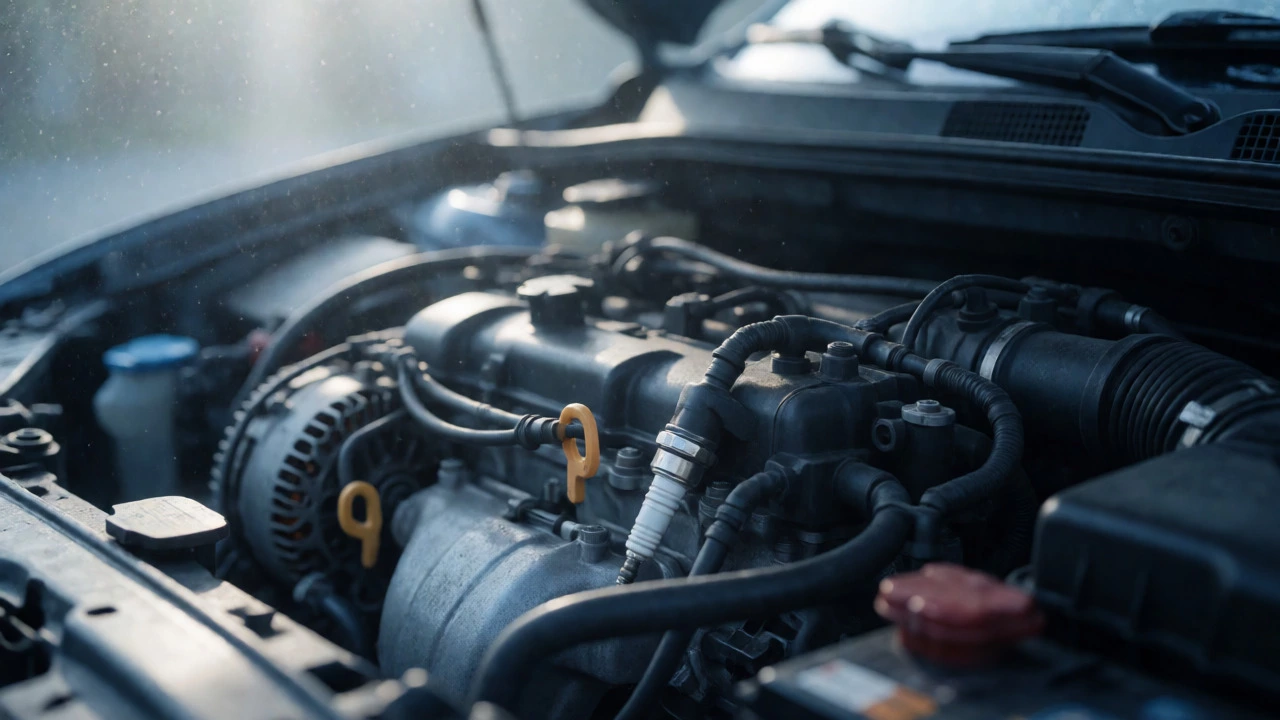
Will New Spark Plugs Improve Starting? What Actually Fixes Hard Starts
Discover if new spark plugs really fix hard starting. Learn to diagnose battery, fuel, and sensor issues before spending money on unnecessary replacements.
CONTINUE READING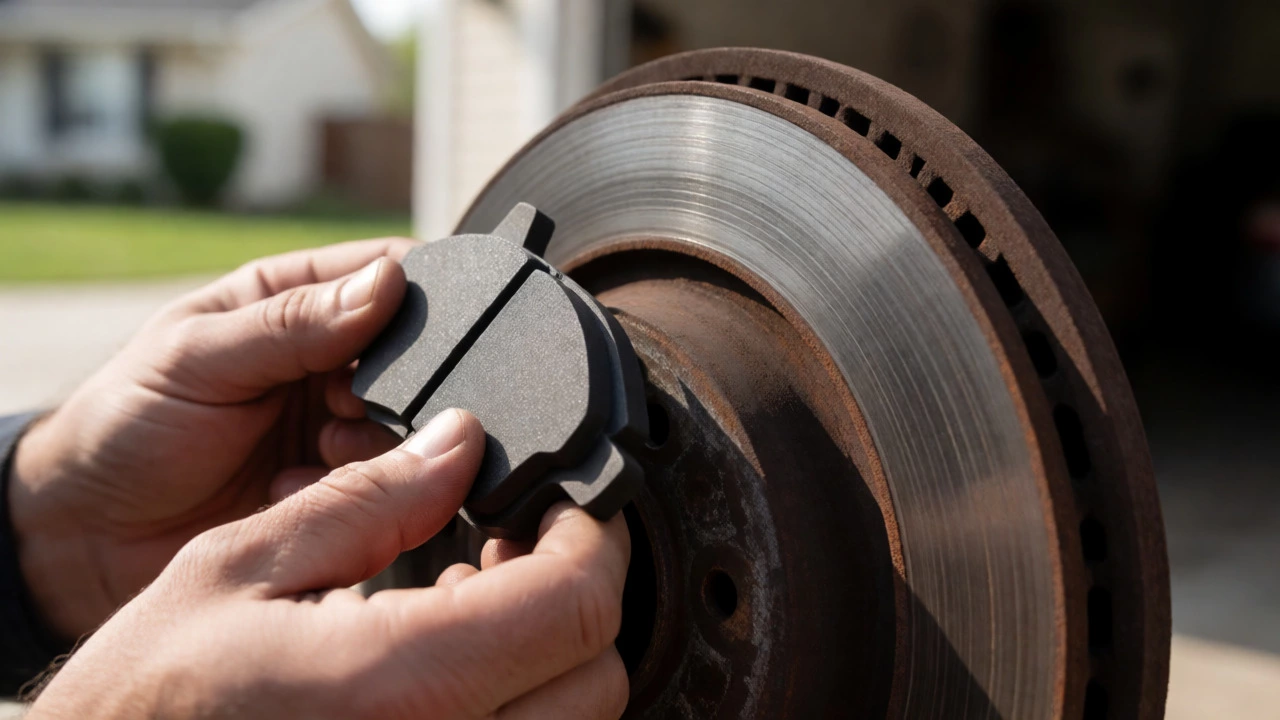
Replacing Brake Pads Without Turning Rotors: Risks and Best Practices
Discover if you can skip rotor resurfacing when changing brake pads. We analyze risks, costs, and best practices for safe braking.
CONTINUE READING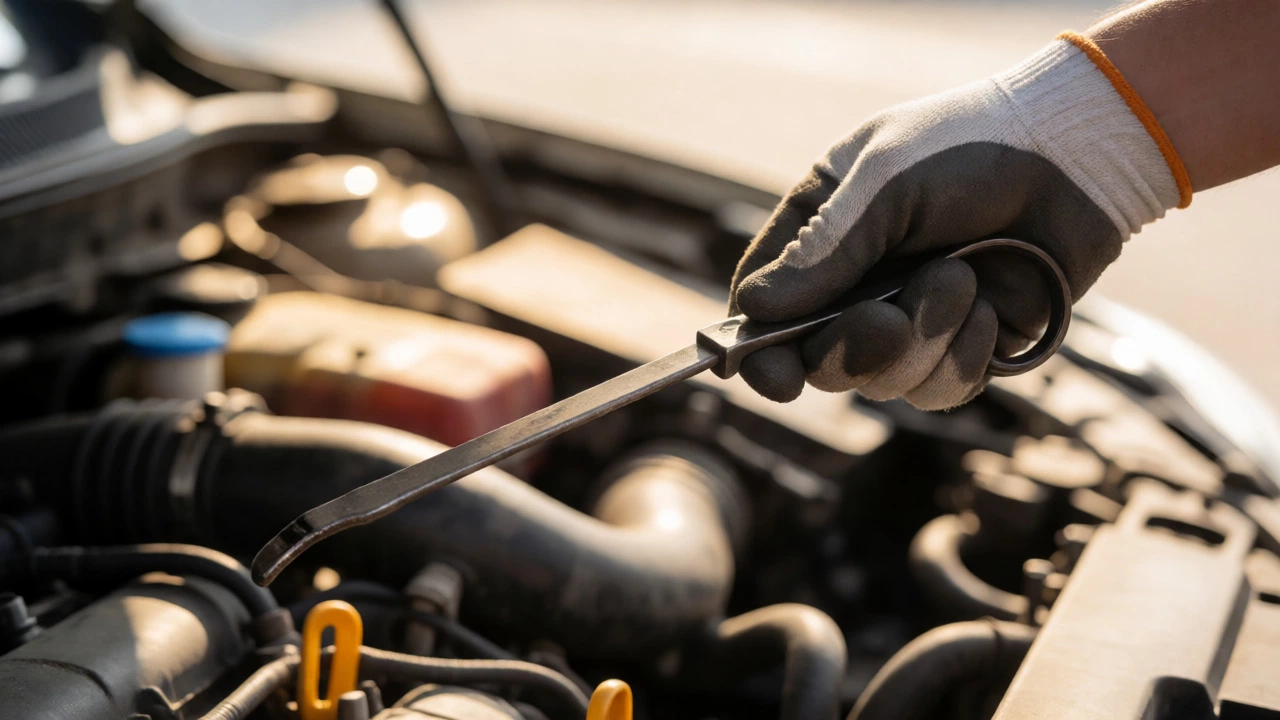
Dry Dipstick: How Much Oil to Add Safely
Found a dry dipstick? Don't panic. Learn exactly how much oil to add safely, why overfilling hurts your engine, and how to troubleshoot low levels.
CONTINUE READING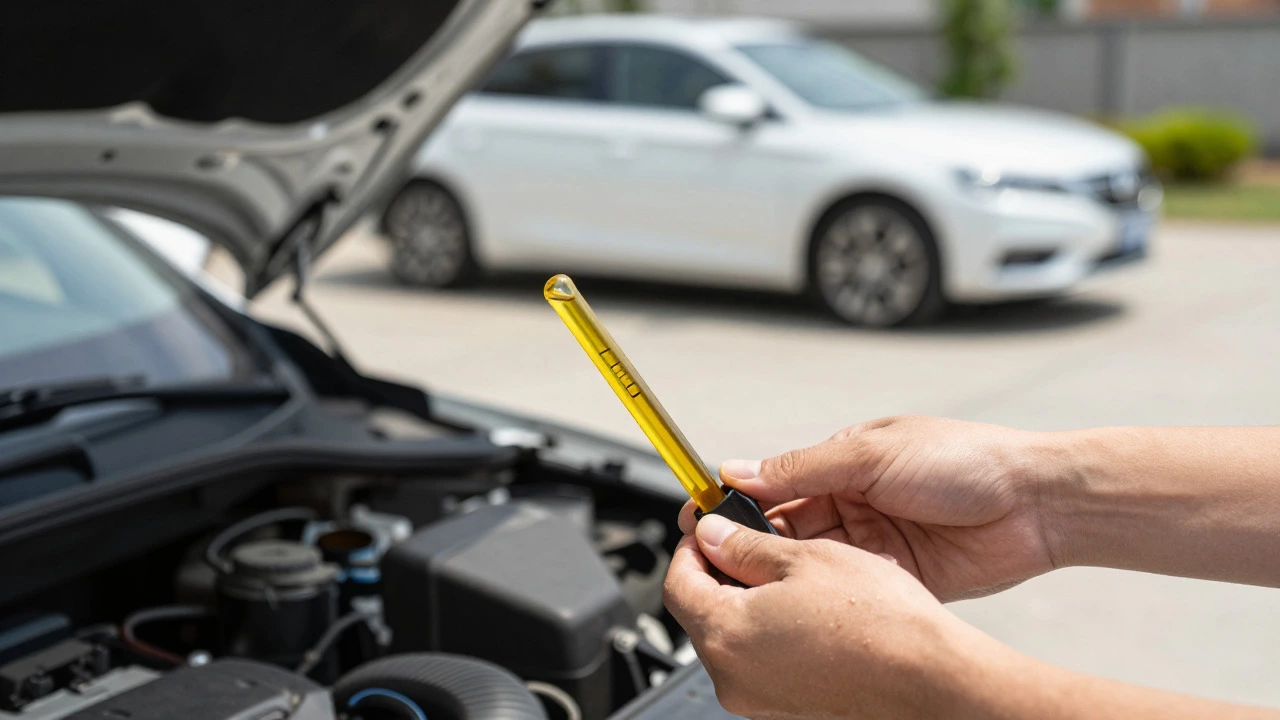
Can You Start Your Car Right After Adding Oil? The Safe Way to Top Up
Learn the safe way to top up engine oil. Discover why waiting 30 seconds after adding oil protects your engine, how to avoid overfilling, and signs of trouble to watch for.
CONTINUE READING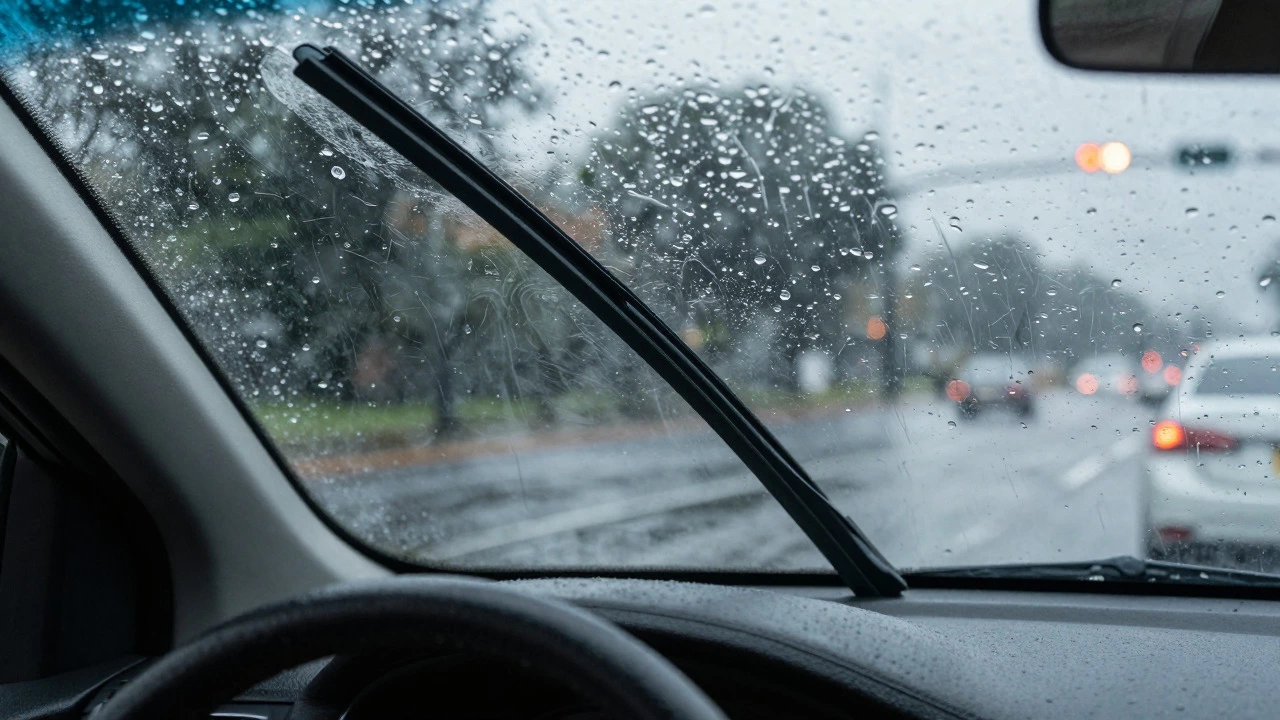
Are Windshield Wipers Universal? The Truth About Fitment and Types
Windshield wipers aren't truly universal. Learn about connector types, sizing, and blade designs to pick the right fit for your vehicle.
CONTINUE READING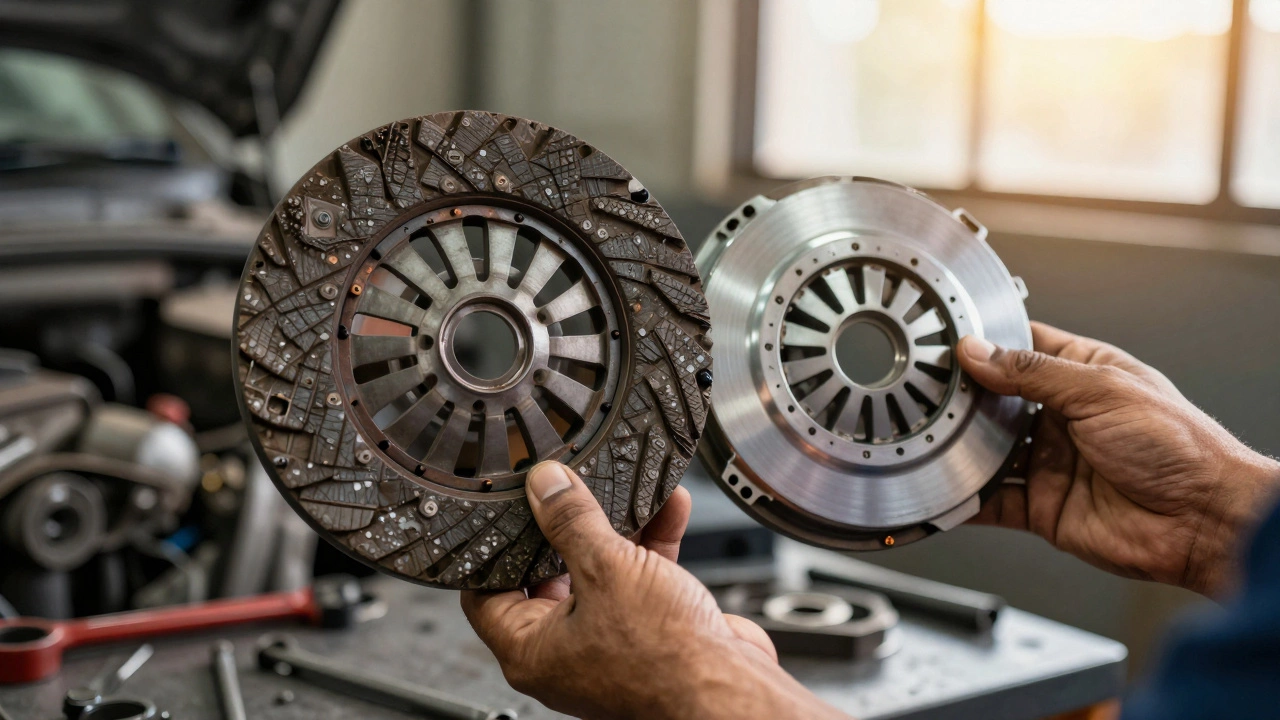
Clutch Kit Installation Cost: 2026 Price Guide & Hidden Fees
Discover the true cost of installing a clutch kit in 2026. We break down parts, labor, and hidden fees to help you budget for this essential car repair.
CONTINUE READING
How to Tell When Spark Plugs Need Replacement: Signs, Symptoms & Tips
Learn how to spot worn spark plugs before they ruin your engine. Recognize misfires, poor fuel economy, and hard starting. See visual guides and replacement tips.
CONTINUE READING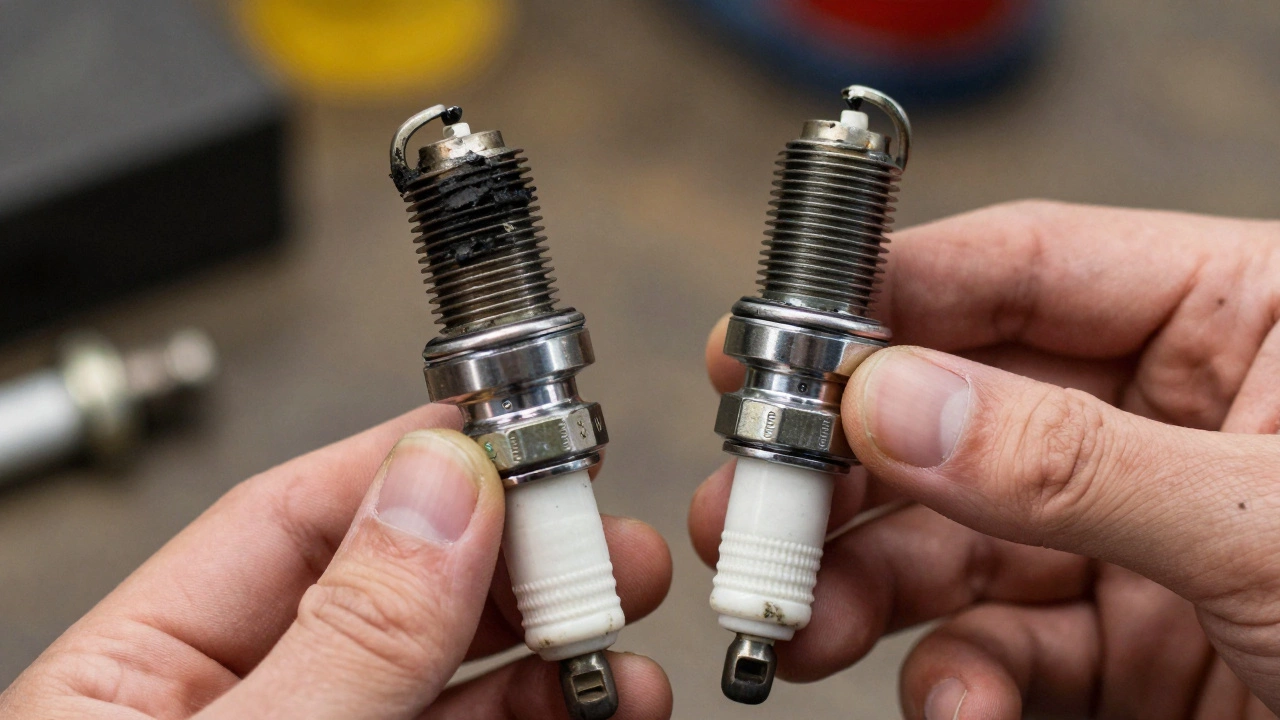
Can You Feel the Difference with New Spark Plugs? Real-World Performance Changes
Discover if new spark plugs really make a difference. We explore real-world changes in engine performance, fuel efficiency, and throttle response, helping you decide if a replacement is worth it.
CONTINUE READING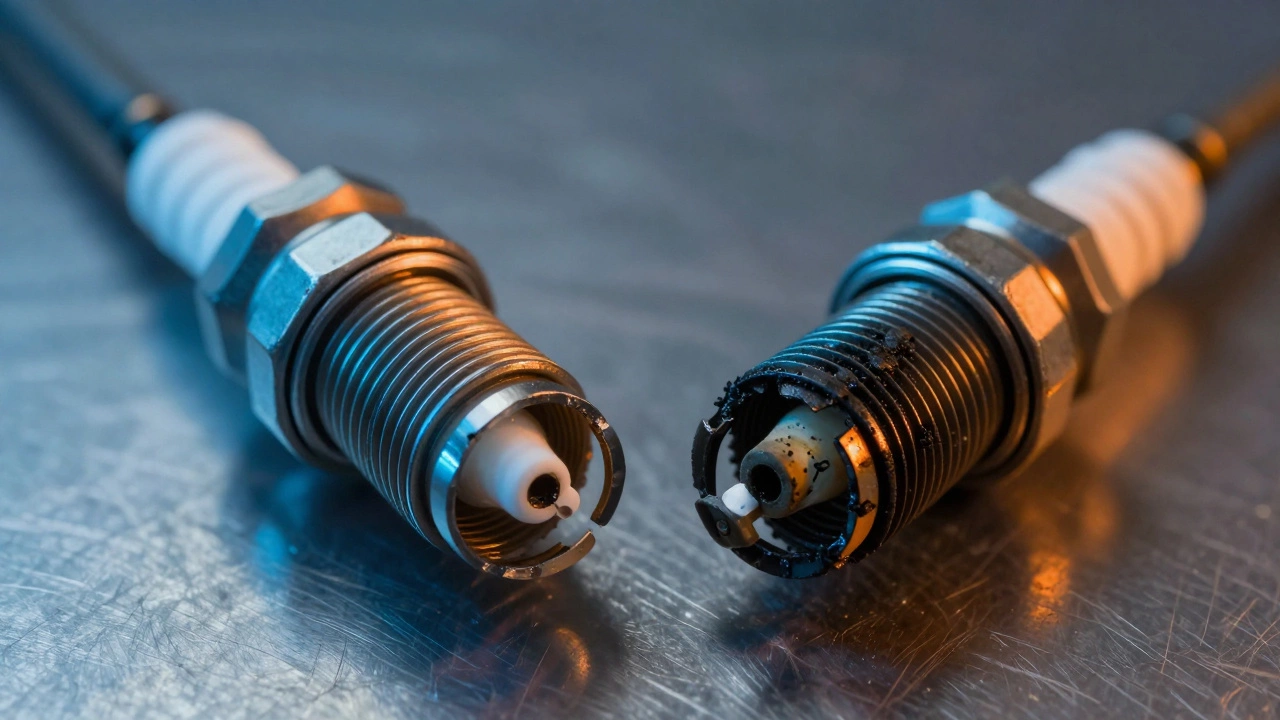
New vs. Old Spark Plugs: Why Fresh Plugs Win Every Time
Discover why new spark plugs outperform old ones, improving fuel economy, engine performance, and preventing costly repairs like catalytic converter damage.
CONTINUE READING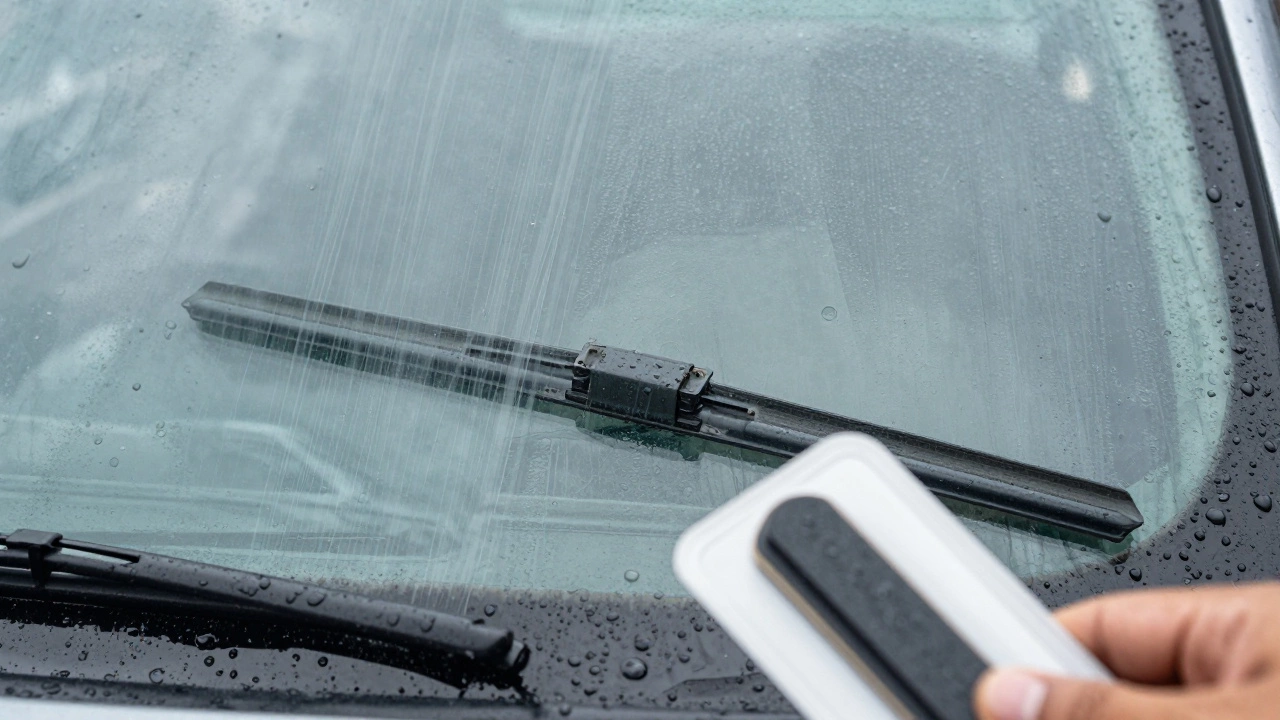
Is Replacing Wiper Blades Hard? A Simple Guide to DIY Installation
Learn how to replace wiper blades easily at home. This guide covers identifying worn blades, choosing the right size and connector type, and step-by-step installation tips for better visibility.
CONTINUE READING
Can a Bad Radiator Ruin an Engine? The Truth About Overheating Damage
A bad radiator can indeed ruin an engine by causing overheating, leading to warped heads and seized pistons. Learn the warning signs, repair costs, and prevention tips to save your car.
CONTINUE READINGRECENT POSTS
-
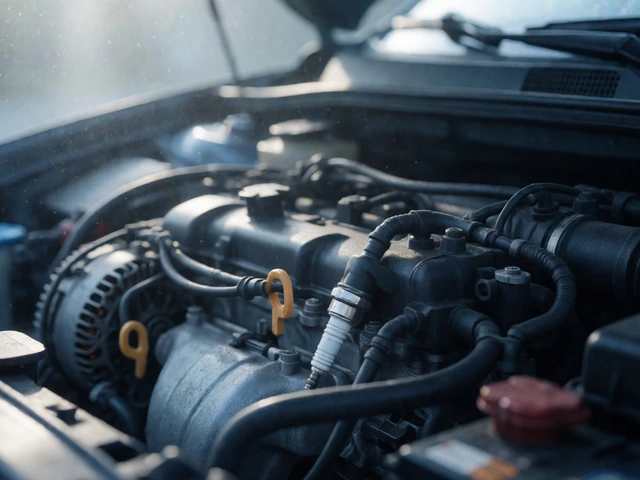
Will New Spark Plugs Improve Starting? What Actually Fixes Hard Starts
Discover if new spark plugs really fix hard starting. Learn to diagnose battery, fuel, and sensor issues before spending money on unnecessary replacements.
-

Michelin Wiper Blades: Silicone vs Rubber Explained
Confused about Michelin wiper blades? Learn the difference between their standard rubber and premium silicone options. Discover which material suits your climate and driving habits.
-
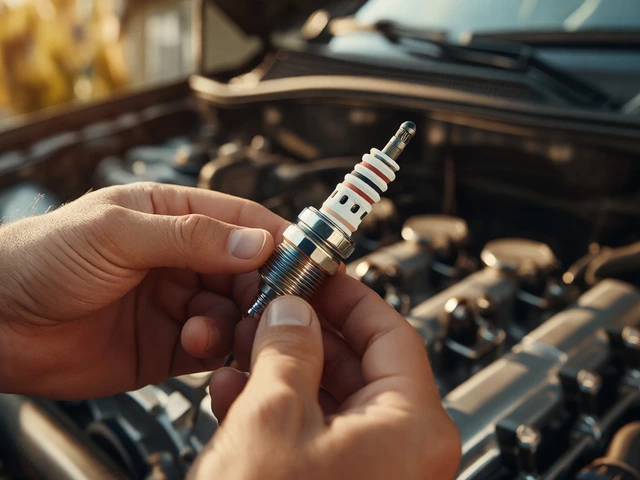
Can I Replace Spark Plugs Myself? A DIY Guide for 2026
Learn if you can replace spark plugs yourself. Discover essential tools, step-by-step instructions, and common mistakes to avoid for a successful DIY engine tune-up.
-
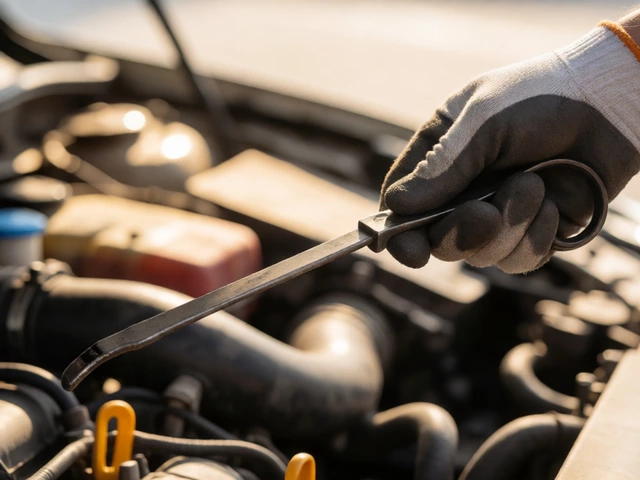
Dry Dipstick: How Much Oil to Add Safely
Found a dry dipstick? Don't panic. Learn exactly how much oil to add safely, why overfilling hurts your engine, and how to troubleshoot low levels.
-
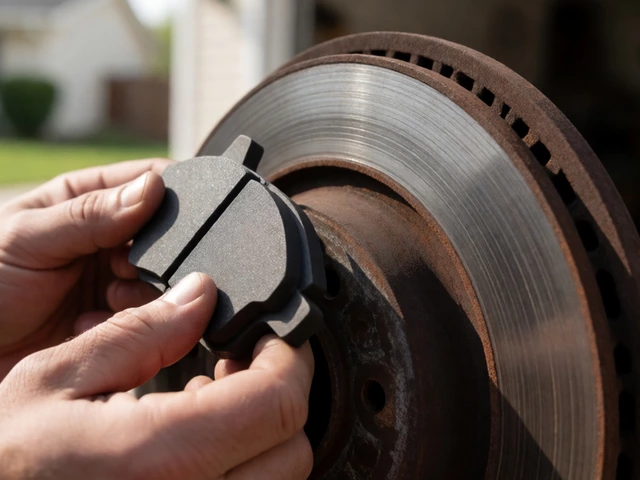
Replacing Brake Pads Without Turning Rotors: Risks and Best Practices
Discover if you can skip rotor resurfacing when changing brake pads. We analyze risks, costs, and best practices for safe braking.