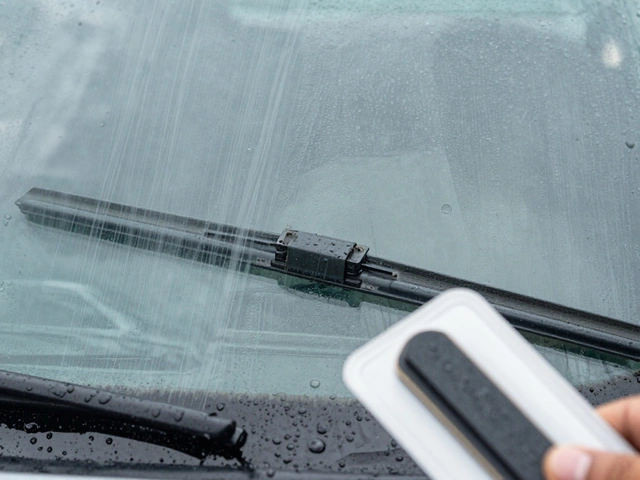
Windshield Wipers: How to Keep Your Vision Clear
Ever tried to see through a rain‑soaked windshield with streaky blades? It’s not just annoying – it can be dangerous. Good wipers are a cheap safety upgrade that most drivers ignore until they’re forced to. This guide shows you when to change them, how to pick the right set, and simple tricks to extend their life.
When to Replace Your Wiper Blades
Most manufacturers suggest swapping blades every 6‑12 months, but real‑world wear depends on climate and storage. Look for these signs:
- Streaks or lines that stay on the glass no matter how fast you go.
- Chattering noise – the blade is skipping instead of sliding.
- Cracked or split rubber on the edge.
- Visible wear on the metal frame or loose clips.
If any of these pop up, replace the blades right away. Driving with broken wipers isn’t just illegal in places like New Zealand; it also reduces stopping distance in heavy rain because you can’t see hazards.
Choosing the Right Wipers for Your Car
Not all blades are created equal. Here’s a quick rundown:
- Conventional frame‑type: Cheap and widely available. Works well on older cars with standard arms.
- Beam (or flat) blades: No frame, so they press evenly across the glass. Ideal for modern aerodynamics and high‑speed rain.
- Hybrid blades: Blend frame and beam designs. Good match for most sedans.
Measure the length of the existing blade or check your owner’s manual. Most cars use two different sizes – a longer driver’s side and a shorter passenger side. Buying the exact size avoids uneven wear and ensures full coverage.
When you shop, consider rubber quality. Natural rubber is flexible but can harden in heat; silicone stays soft longer but costs more. If you live in a salty coastal area, pick a blade with a protective coating to fight corrosion.
Installation is simple: lift the arm, press the release tab, slide the old blade off, line up the new one, and click it into place. Most kits include a short video link, but you really only need a few minutes and a firm hand.
Beyond replacement, a few maintenance habits keep wipers humming:
- Wipe the blade edge with a damp cloth after each wash to remove grit. \n
- Spray a silicone spray on the rubber once a season to restore flexibility.
- Lift the arms gently when parking for weeks to prevent the rubber from sticking to the glass.
If you notice a single blade dragging while the other works fine, check the arm’s tension. A loose or bent arm can be tightened with a socket wrench – a quick fix before you head to a shop.
Finally, remember that wipers are part of your car’s safety system, just like brakes and lights. Treat them with the same attention: inspect every few months, replace when they show wear, and pick the right type for your vehicle. With these easy steps, you’ll stay visible in rain, snow, and sleet, and you’ll avoid costly fines for driving with faulty wipers.
Ready to upgrade? Grab the correct size, choose the blade style that fits your climate, and swap them out before the next storm hits. Your future self – and anyone sharing the road – will thank you.
Are Windshield Wipers Universal? The Truth About Fitment and Types
Windshield wipers aren't truly universal. Learn about connector types, sizing, and blade designs to pick the right fit for your vehicle.
CONTINUE READING
Do All Windshield Wipers Fit All Cars? Here's What Actually Matters
Windshield wipers don't fit all cars-size and mount type matter. Learn how to find the right blades for your vehicle and avoid dangerous mistakes in wet weather.
CONTINUE READING
How to Use Windscreen Wipers Properly for Clear Vision and Safety
Learn how to properly use windscreen wipers for clear visibility in rain, snow, and dust. Avoid common mistakes, know when to replace blades, and stay safe on the road.
CONTINUE READING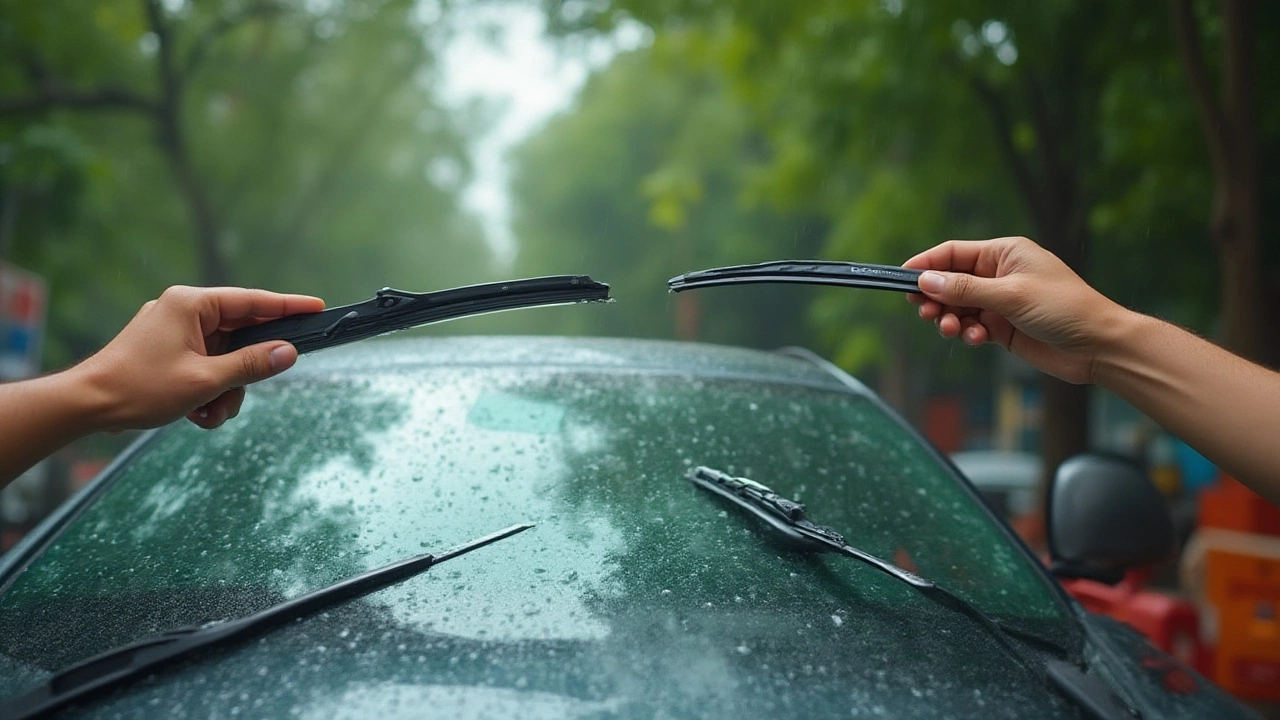
17 Inch vs 16 Inch Wiper Blade: Can You Swap Sizes on Your Car?
Thinking about using a 17 inch wiper blade instead of a 16? Find out if it's smart, what might happen, and the best tips for picking the right size.
CONTINUE READING
Windshield Wipers Price Comparison: AutoZone vs Walmart (2025 Guide)
Wiper blades seem cheap, until you actually need them. Find out where to score better deals—AutoZone or Walmart—and get savvy with your next windshield wipers purchase.
CONTINUE READING
Do I Need to Buy Two Windshield Wipers?
Choosing whether to buy one or two windshield wipers can be confusing. This decision depends on wiper wear, quality, and performance needs. It's key for ensuring clear visibility and safe driving. Not all wipers wear down at the same rate, so inspect them regularly to avoid unnecessary purchases. We'll dive into why and when to consider buying just one or a pair, plus some handy tips.
CONTINUE READING
Choosing the Right Windshield Wipers for Your Car
Choosing the right windshield wipers is crucial for safe driving, yet it's something many overlook. The right set of wipers ensures a clear view, especially during adverse weather. This guide will walk you through understanding types of wipers, their benefits, and when to replace them. Plus, learn some tips to make a smart purchase.
CONTINUE READING
Comparing Cheap and Expensive Windshield Wipers: What to Consider?
Windshield wipers are essential components of any vehicle, contributing to safety and visibility, especially during adverse weather conditions. This article explores the differences between cheap and expensive windshield wipers, examining factors such as durability, performance, and cost-effectiveness. It offers practical insights and tips for choosing the right wipers based on individual needs and driving habits. By understanding the pros and cons of each option, car owners can make informed decisions to ensure optimal performance and longevity. Discover what makes expensive wipers worth the investment and when budget-friendly options might suffice.
CONTINUE READING
Bosch Wiper Blades: Rubber Versus Silicone Explained
When it comes to Bosch wiper blades, car owners are often confronted with the choice between rubber and silicone options. This article delves into the materials used in Bosch wiper blades, highlighting the characteristics and benefits of each. Discover which type might suit your needs based on durability, performance, and weather conditions. By understanding these differences, you can make an informed decision and keep your windshield clear no matter the elements.
CONTINUE READINGRECENT POSTS
-

Michelin Wiper Blades: Silicone vs Rubber Explained
Confused about Michelin wiper blades? Learn the difference between their standard rubber and premium silicone options. Discover which material suits your climate and driving habits.
-

Windscreen Wiper vs Windshield Wiper: Which Term Is Correct?
Confused by 'windscreen' vs 'windshield'? Learn the regional differences in car terminology, why they exist, and how to buy the right wiper parts globally.
-
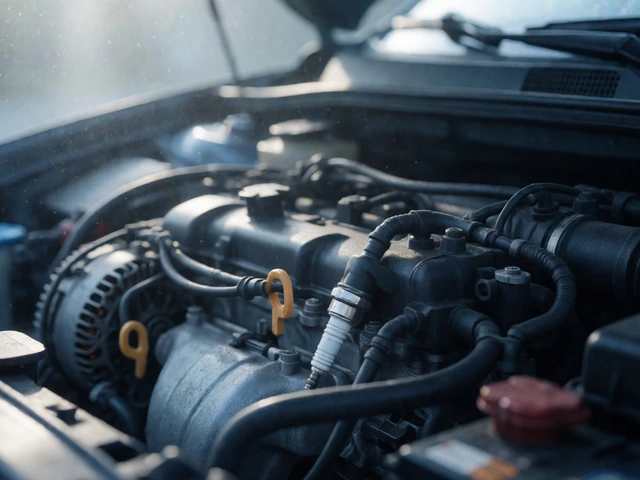
Will New Spark Plugs Improve Starting? What Actually Fixes Hard Starts
Discover if new spark plugs really fix hard starting. Learn to diagnose battery, fuel, and sensor issues before spending money on unnecessary replacements.
-
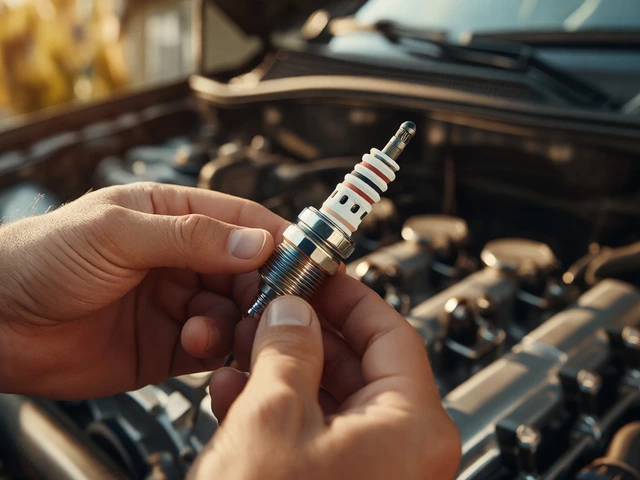
Can I Replace Spark Plugs Myself? A DIY Guide for 2026
Learn if you can replace spark plugs yourself. Discover essential tools, step-by-step instructions, and common mistakes to avoid for a successful DIY engine tune-up.
-
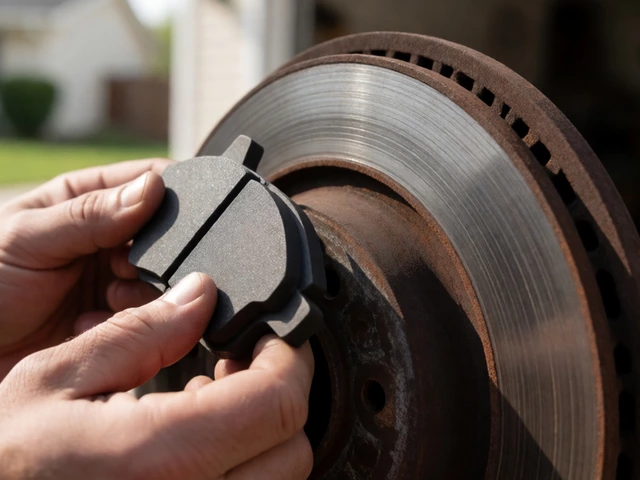
Replacing Brake Pads Without Turning Rotors: Risks and Best Practices
Discover if you can skip rotor resurfacing when changing brake pads. We analyze risks, costs, and best practices for safe braking.