Air Quality Basics for Your Car: Simple Steps to Breath Easier
If you spend a lot of time behind the wheel, the air you breathe inside your car matters. Bad air can cause headaches, fatigue, and even long‑term health issues. The good news? You can boost cabin air quality without spending a lot of money or time.
Check Your Cabin Air Filter
The cabin air filter is the first line of defense against dust, pollen, and pollutants. Most cars need a new filter every 12,000 to 15,000 miles, but if you drive in dusty areas or have allergies, change it more often. Here’s a quick way to check:
- Open the glove box and look for a rectangular panel behind it.
- Pull the panel out – you’ll see a thin, pleated filter.
- If it looks dark, clogged, or smells musty, replace it.
Replacement filters are cheap and can be snapped into place in a few minutes. Fresh filters keep outside pollutants out and improve the performance of your car’s HVAC system.
Reduce Exhaust Smoke Inside
When traffic is heavy, exhaust fumes can seep into the cabin, especially if you keep the windows down. Use the recirculate mode on your climate control to pull air from inside the car instead of outside. This helps trap pollutants and keeps the interior air cleaner.
Another tip: avoid idling for long periods. Idling produces a lot of carbon monoxide and other gases that can quickly fill the cabin. If you’re stuck in a jam, turn off the engine if it’s safe to do so.
Regular maintenance also matters. A well‑tuned engine burns fuel more efficiently, which means fewer exhaust particles. Keep up with oil changes, spark plug checks, and emission system inspections. When the exhaust system works properly, less smoke escapes into the cabin.
For extra protection, consider a small portable air purifier designed for cars. Look for models with HEPA filters that capture tiny particles and activated carbon that reduces odors.
Finally, keep the interior clean. Vacuum seats and carpets often to remove dust and allergens that can be stirred up by the HVAC blower. Wipe down surfaces with a mild cleaner to stop mold growth, especially in humid climates.
By paying attention to your cabin air filter, using recirculate mode, maintaining the engine, and keeping the interior tidy, you can enjoy fresher air on every drive. These habits are easy to adopt and make a big difference in how you feel behind the wheel.
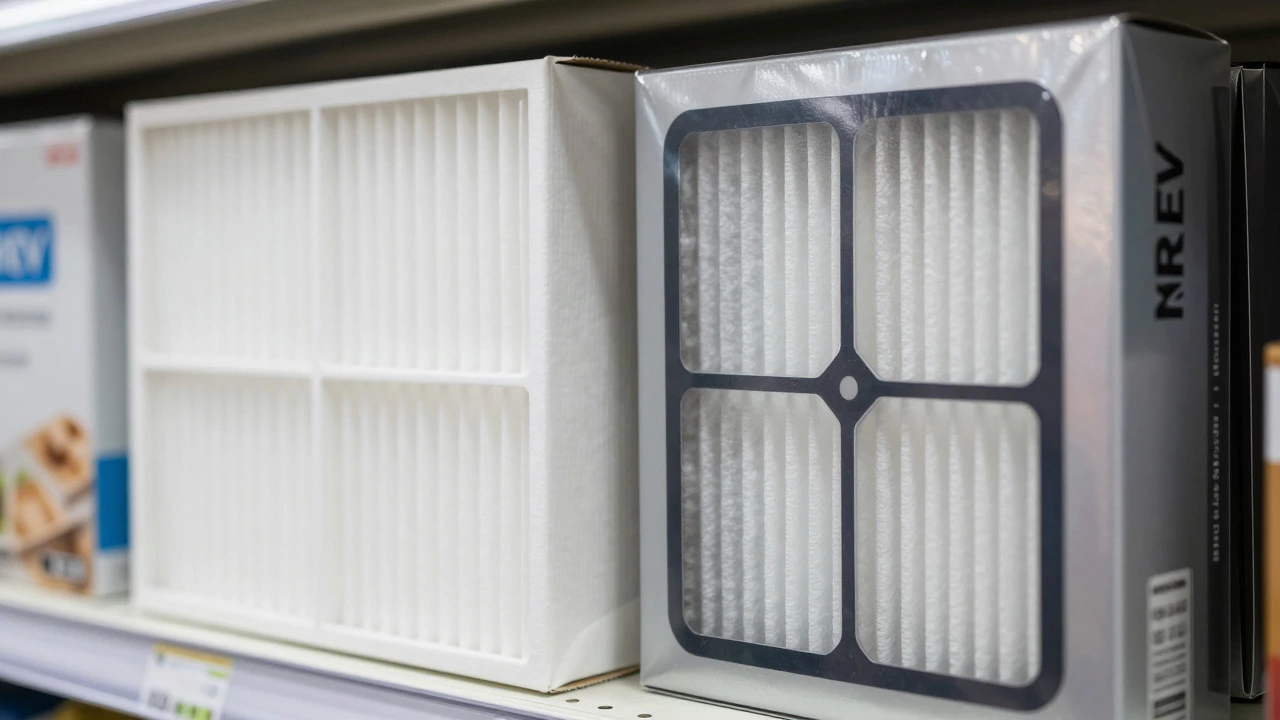
Cheap vs Expensive Air Filters: Real Differences and Value
Discover the real differences between budget and premium air filters. Learn how MERV ratings affect health, system life, and cost per month.
CONTINUE READING
MERV 11 vs MERV 13: Which Air Filter Should You Buy?
Compare MERV 11 vs MERV 13 air filters to find the right balance of efficiency and airflow for your HVAC system. Learn about costs, lifespan, and compatibility.
CONTINUE READING
How Long Do Cheap Air Filters Last? Real Lifespan and Replacement Tips
Curious about how long cheap air filters really last? This article breaks down what 'cheap' actually means for air filter quality and durability. Learn how different factors, like pets and dust, impact filter life. Get practical advice on when to swap them out, plus some money-saving tips. You'll leave knowing exactly how to keep your air clean without overpaying.
CONTINUE READING
Do Pleated Air Filters Restrict Airflow? Sorting Fact from Fiction
Are pleated air filters choking off your HVAC system's airflow, or is this just a misunderstood myth? This article dives into the truth about pleated air filters and their impact on airflow. Discover how these filters affect air quality, efficiency, and find out if they're a fit for your home. Learn practical tips on selecting the right filter without compromising on air circulation. Whether you're a homeowner or just curious, this is the guide to pleated air filters you didn’t know you needed.
CONTINUE READING
Essential Guide: How Often to Clean Your Air Filter for Optimal Performance
Air filters play a crucial role in maintaining indoor air quality, yet many homeowners neglect their maintenance. This article delves into how often you should clean or replace your air filter based on various factors like environment, usage, and type of filter. By understanding these elements, you can ensure that your home remains a safe and comfortable environment while also potentially saving on energy costs. Gain insights and practical tips for extending the life of your air filter, responding to changing needs throughout the year.
CONTINUE READING
Is MERV 11 Right for Your Home: Understanding Its Impact on Air Quality
MERV 11 filters are gaining popularity due to their ability to capture airborne particles, but are they the best choice for your HVAC system? This article explores the functionality of these filters, their potential constraints on airflow, and considerations for homeowners. Understanding MERV ratings can help in striking a balance between efficient filtration and maintaining your HVAC system's performance. Find out if a MERV 11 filter suits your air quality needs and how it compares to other options.
CONTINUE READING
Understanding the Downsides of Polarized Air Filters
Polarized air filters are becoming popular in households due to their efficiency in trapping particles, yet they come with certain drawbacks. While they enhance air quality by attracting charged particles, they require regular maintenance and can be costlier than traditional filters. It's important to understand these aspects for better decision-making on home air quality. Exploring these filters' effectiveness versus cost can help consumers choose wisely.
CONTINUE READINGRECENT POSTS
-
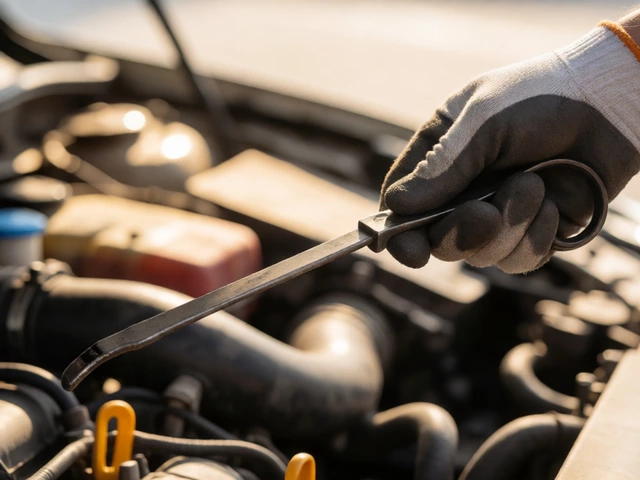
Dry Dipstick: How Much Oil to Add Safely
Found a dry dipstick? Don't panic. Learn exactly how much oil to add safely, why overfilling hurts your engine, and how to troubleshoot low levels.
-

Windscreen Wiper vs Windshield Wiper: Which Term Is Correct?
Confused by 'windscreen' vs 'windshield'? Learn the regional differences in car terminology, why they exist, and how to buy the right wiper parts globally.
-
Will New Spark Plugs Improve Starting? What Actually Fixes Hard Starts
Discover if new spark plugs really fix hard starting. Learn to diagnose battery, fuel, and sensor issues before spending money on unnecessary replacements.
-

Michelin Wiper Blades: Silicone vs Rubber Explained
Confused about Michelin wiper blades? Learn the difference between their standard rubber and premium silicone options. Discover which material suits your climate and driving habits.
-
Can I Replace Spark Plugs Myself? A DIY Guide for 2026
Learn if you can replace spark plugs yourself. Discover essential tools, step-by-step instructions, and common mistakes to avoid for a successful DIY engine tune-up.