Engine Oil Basics – What Every Driver Should Know
Engine oil is the lifeblood of your car. It lubricates moving parts, carries heat away, and keeps the engine clean. Most drivers think of oil only when the change light flashes, but paying a little attention every week can stop big problems later.
First, understand the two main types: conventional and synthetic. Conventional oil is cheaper and works fine in older cars. Synthetic oil lasts longer and handles extreme temps better, which is why many newer models recommend it. Your owner’s manual tells you the right viscosity (like 5W‑30) and which type the maker prefers.
When to Change Your Oil
Most people follow the "every 5,000 miles" rule, but that’s a rough average. Real life factors—short trips, heavy traffic, hot climate—break down oil faster. If you mostly drive city streets, aim for every 3,000‑4,000 miles. If you cruise on highways, you can stretch it to 7,000‑10,000 miles with synthetic oil.
Watch the oil change light, but also note how the oil looks. Fresh oil is amber and clear. Dark, gritty oil means it’s full of contaminants. Changing oil when it looks dirty, even if you’re under the mileage limit, can save you from sludge buildup.
Common Oil Warning Signs
Ignoring a low‑oil warning can wreck your engine. Here are the everyday clues most drivers miss:
- Oil pressure light – the dashboard flashes or stays on. It means the pump isn’t getting enough oil.
- Knocking or ticking noises – a dry engine makes a metallic click. It’s the metal parts rubbing without proper lubrication.
- Excessive exhaust smoke – blue or white smoke can signal oil burning inside the combustion chamber.
- Burning smell – a hot, acrid odor often means oil is leaking onto hot engine parts.
If any of these show up, stop driving, check the dipstick, and add oil if the level is low. Still, a quick visit to a mechanic is wise.
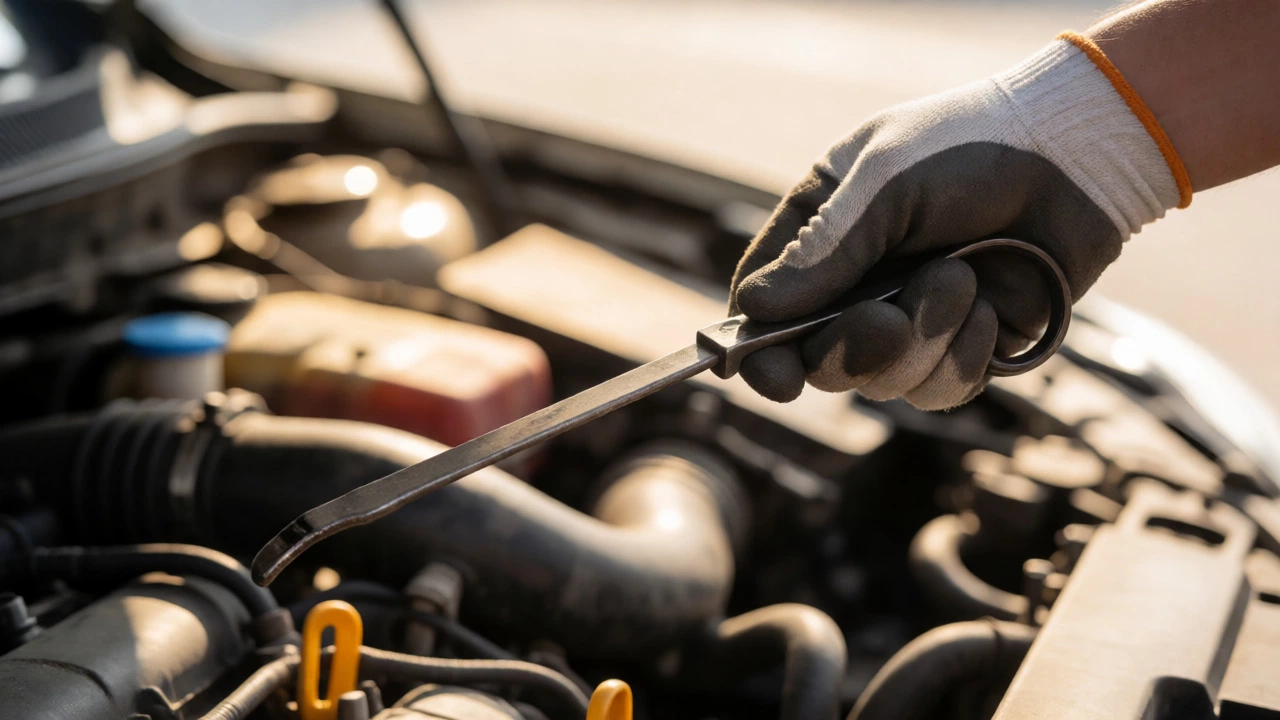
Checking the oil level is simple: park on level ground, wait a few minutes after turning off the engine, pull the dipstick, wipe it clean, re‑insert fully, then pull it out again. The oil should sit between the "min" and "max" marks. If it’s below min, add the recommended oil type right away.
Many drivers wonder how high the oil should be on the dipstick. The answer is literally the two marks printed on it. Too low means the pump can suck air, causing wear. Too high can lead to foaming, which reduces lubrication. Aim for the middle of the range for best protection.
Delaying an oil change feels harmless until you notice a drop in performance. The engine may feel sluggish, fuel consumption rises, and you might hear a faint rumble under the hood. Those are early signs that the oil isn’t doing its job.
In short, treat oil like a regular health check for your car. Look at the dipstick, listen for odd sounds, and stick to a realistic change schedule based on how you drive. By staying on top of these simple steps, you’ll keep your engine smooth, avoid expensive repairs, and enjoy a longer ride life.
Dry Dipstick: How Much Oil to Add Safely
Found a dry dipstick? Don't panic. Learn exactly how much oil to add safely, why overfilling hurts your engine, and how to troubleshoot low levels.
CONTINUE READING
Can You Start Your Car Right After Adding Oil? The Safe Way to Top Up
Learn the safe way to top up engine oil. Discover why waiting 30 seconds after adding oil protects your engine, how to avoid overfilling, and signs of trouble to watch for.
CONTINUE READING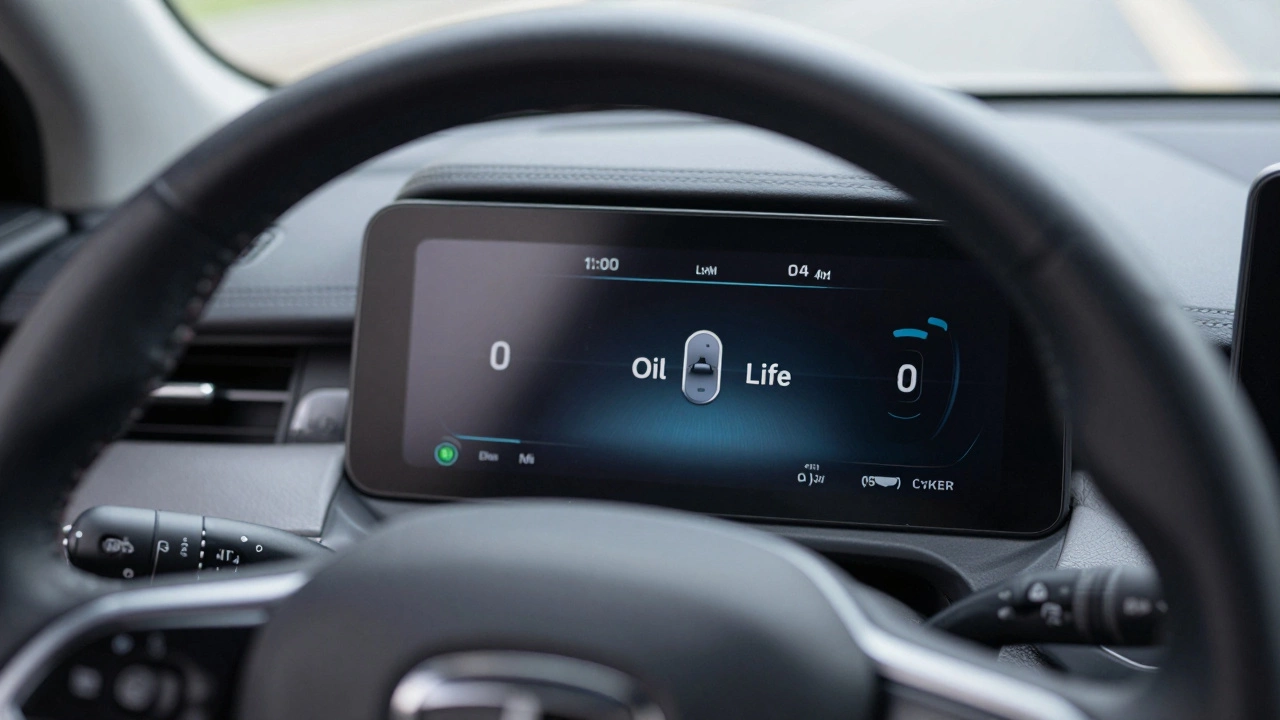
How Often Should You Change Your Oil? The Real Guide to Engine Longevity
Confused by the 3,000-mile rule? Learn the actual oil change intervals for synthetic vs conventional oil and how driving conditions affect your engine's life.
CONTINUE READING
How to Spot Low Engine Oil: Warning Signs and Symptoms
Learn the critical warning signs of low engine oil, from dashboard lights to engine knocking, and find out how to prevent catastrophic engine failure.
CONTINUE READING
Does the Engine Need to Be Running When Adding Oil? Here's What Really Happens
Adding engine oil with the engine running is a common mistake that can lead to overfilling and engine damage. Learn the correct way to check and add oil for maximum engine life and safety.
CONTINUE READING
What Is the No. 1 Engine Oil? Top Choice for Performance and Longevity in 2025
There's no single 'No. 1 engine oil' for all cars, but the best choice is a full synthetic oil matched to your vehicle's specs. Learn what top mechanics use in 2025 and how to pick the right one for your engine.
CONTINUE READING
How Long Is Too Long Without an Oil Change? Real-World Limits for Modern Engines
Knowing when to change your engine oil isn't just about mileage-it's about how you drive, your climate, and the oil type. Going too long can destroy your engine. Here's what actually matters.
CONTINUE READING
What Happens If You Drive With Low Oil? The Real Risks and Quick Fixes
Driving with low engine oil can cause severe engine damage in minutes. Learn the warning signs, how quickly harm occurs, and simple steps to prevent costly repairs before it's too late.
CONTINUE READING
What Is Engine Oil Used For? The Simple Truth About Keeping Your Engine Alive
Engine oil isn't just for lubrication-it cools, cleans, seals, and protects your engine. Learn what it actually does and why skipping oil changes is a costly mistake.
CONTINUE READING
5W30 vs 10W30 Engine Oil: Which One Is Better for Your Car?
Find out whether 5W30 or 10W30 engine oil is best for your car, climate, and driving style. Get clear comparisons, tips, and a quick decision checklist.
CONTINUE READING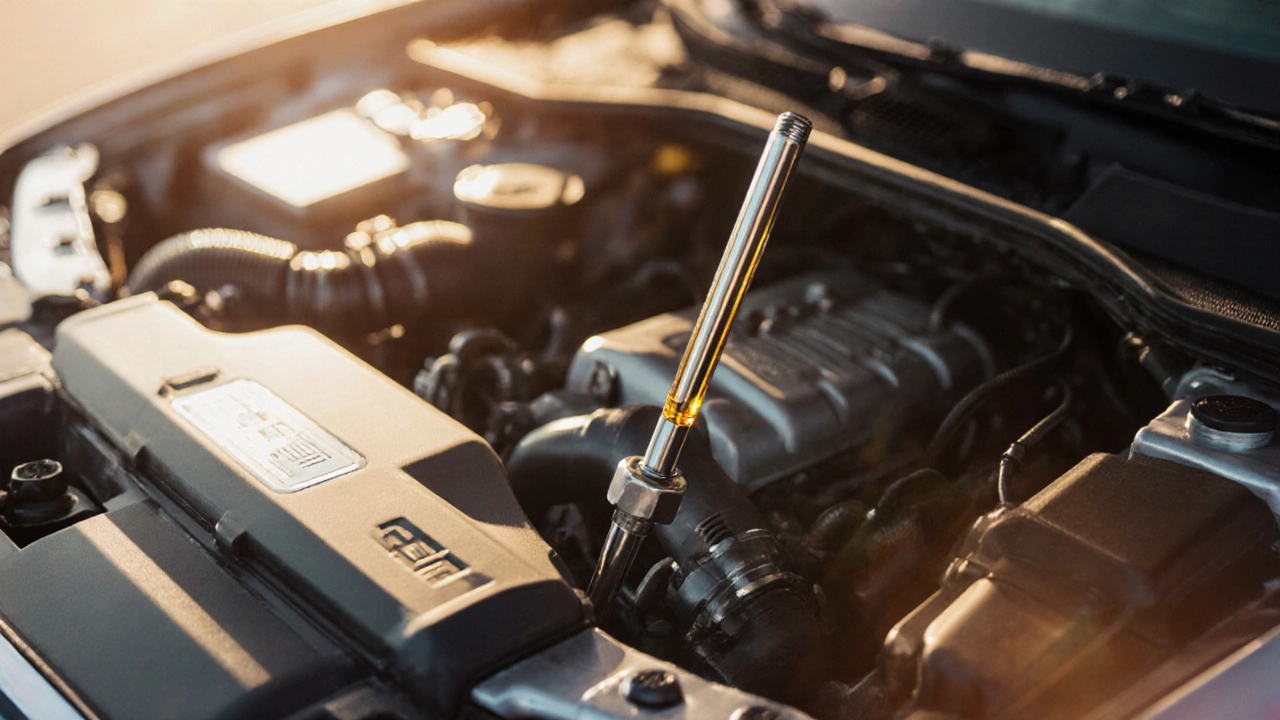
Adding an Extra Quart of Engine Oil - Risks, Effects, and How to Fix It
Find out if adding an extra quart of engine oil can damage your car, how it affects performance, and step‑by‑step ways to fix over‑fill safely.
CONTINUE READING
Can You Skip Oil Changes? Changing Oil Once a Year with Low Mileage Explained
Learn if an annual oil change is safe for low‑mileage cars, how oil type, driving conditions, and filter replacement affect the decision, and get a step‑by‑step checklist.
CONTINUE READINGRECENT POSTS
-
Will New Spark Plugs Improve Starting? What Actually Fixes Hard Starts
Discover if new spark plugs really fix hard starting. Learn to diagnose battery, fuel, and sensor issues before spending money on unnecessary replacements.
-

Windscreen Wiper vs Windshield Wiper: Which Term Is Correct?
Confused by 'windscreen' vs 'windshield'? Learn the regional differences in car terminology, why they exist, and how to buy the right wiper parts globally.
-
Replacing Brake Pads Without Turning Rotors: Risks and Best Practices
Discover if you can skip rotor resurfacing when changing brake pads. We analyze risks, costs, and best practices for safe braking.
-
Can I Replace Spark Plugs Myself? A DIY Guide for 2026
Learn if you can replace spark plugs yourself. Discover essential tools, step-by-step instructions, and common mistakes to avoid for a successful DIY engine tune-up.
-

Michelin Wiper Blades: Silicone vs Rubber Explained
Confused about Michelin wiper blades? Learn the difference between their standard rubber and premium silicone options. Discover which material suits your climate and driving habits.