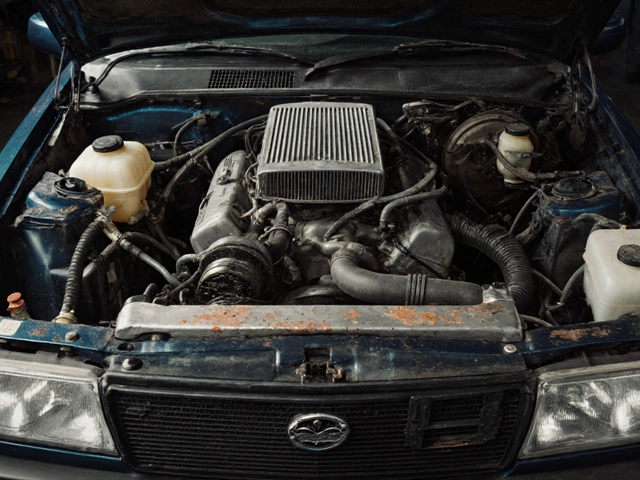
Engine Performance Tips: Boost Power, Sound, and Reliability
If you’ve ever wondered why some cars sound louder and feel quicker, the answer usually lives under the hood and in the exhaust pipe. You don’t need a race shop to see gains – a few smart choices can add real horsepower, improve throttle response, and keep your engine healthy.
Common Mods that Actually Add Power
First up, the exhaust. A well‑designed cat‑back system or a 3‑inch pipe can cut backpressure, letting the engine breathe easier. In 2025 tests, a quality 3‑inch exhaust gave an average 5‑8 % horsepower boost on V6 and four‑cylinder engines. The key is choosing a pipe that matches your engine’s flow needs; too big and you lose low‑end torque, too small and you waste potential.
Active‑valve exhausts are another win. They stay quiet at city speeds but open up on the highway, giving you the best of both worlds – legal noise levels and a noticeable power bump when you floor it. Remember to check local dB limits if you’re driving in noise‑restricted zones.
Upgrading the clutch can also translate to faster acceleration. A stronger clutch holds torque better, reducing slip during hard launches. Real‑world data shows a performance clutch can shave 0.2‑0.3 seconds off a 0‑60 time on many manual sports cars. Just pair it with a good flywheel for the full effect.
Don’t overlook the intake side. A free‑flowing air filter or a short‑ram kit helps the engine draw in more air, which, combined with a better exhaust, increases the air‑fuel mix efficiency. The gains are modest – usually 1‑3 % – but they’re easy and cheap.
Maintaining Performance Without Breaking the Bank
Everything you add is only as good as the oil that lubricates it. Skipping oil changes turns fresh oil into sludge, wearing bearings and reducing power. In 2025, mechanics reported that a missed change after 10 000 km could cut fuel efficiency by up to 5 % and lead to costly rebuilds.
Regularly check your coolant system too. A clogged radiator or a failing head gasket can cause overheating, which instantly throttles performance to protect the engine. Replacing a radiator now and then, especially before summer, saves you from expensive engine damage later.
When you think about a muffler delete for louder sound, pause. Removing the muffler can increase back‑pressure, potentially hurting low‑end torque and, in some setups, raising engine temperature. If you want the roar, consider a high‑flow muffler instead – it keeps the sound while preserving flow.
Finally, keep an eye on the brakes and suspension. A car that slides or wobbles wastes power on each turn. Upgrading to alloy wheels might look cool, but the real performance win comes from a well‑tuned suspension that keeps the tires in contact with the road.
Bottom line: focus on breathing improvements (exhaust, intake), solid torque handling (clutch), and regular maintenance (oil, cooling). These steps give you a noticeable power bump without emptying your wallet or inviting legal trouble. Happy driving!

Driving with a Bad Fuel Pump: Risks, Symptoms, and What to Do
Wondering if you should drive with a bad fuel pump? Learn the risks, from sudden stalling to costly catalytic converter damage. Discover key symptoms like whining noises and sputtering, and find out when it's safe to drive short distances versus when you need immediate repairs.
CONTINUE READING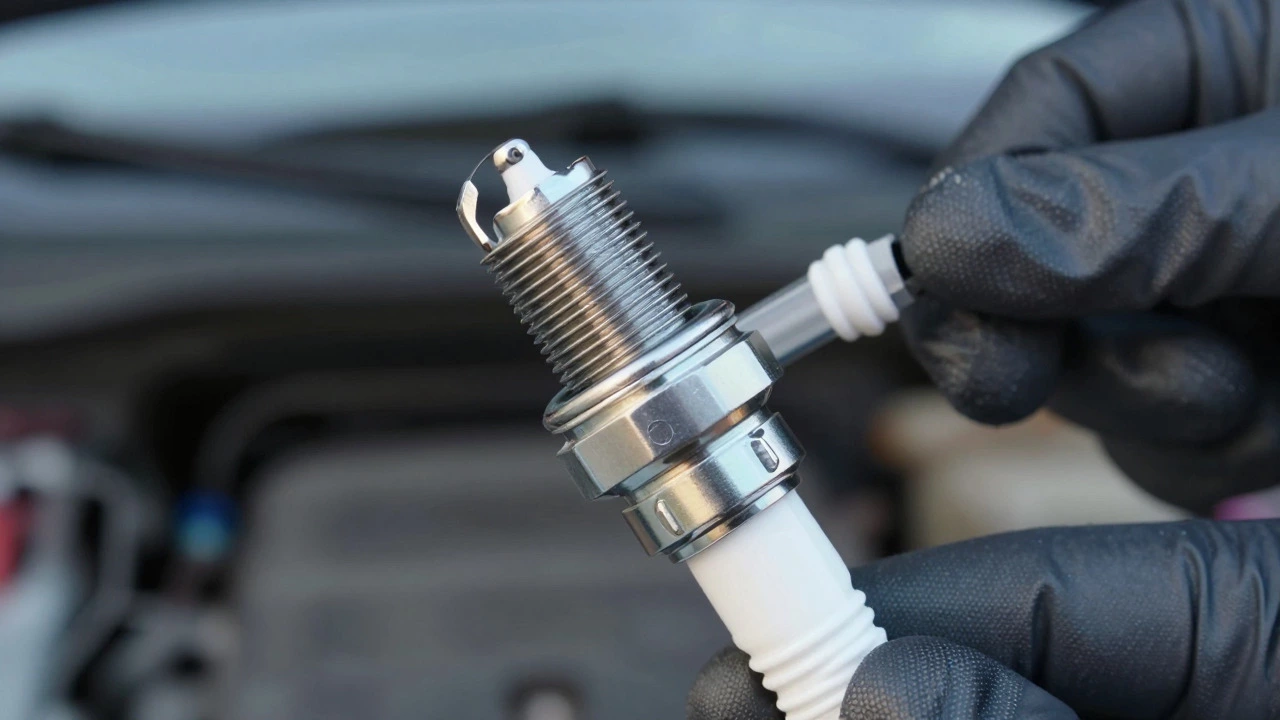
Do Spark Plugs Add Horsepower? The Truth About Engine Performance
Find out if new spark plugs really add horsepower or just restore lost performance. Learn how ignition quality affects engine efficiency, fuel economy, and overall drivability.
CONTINUE READING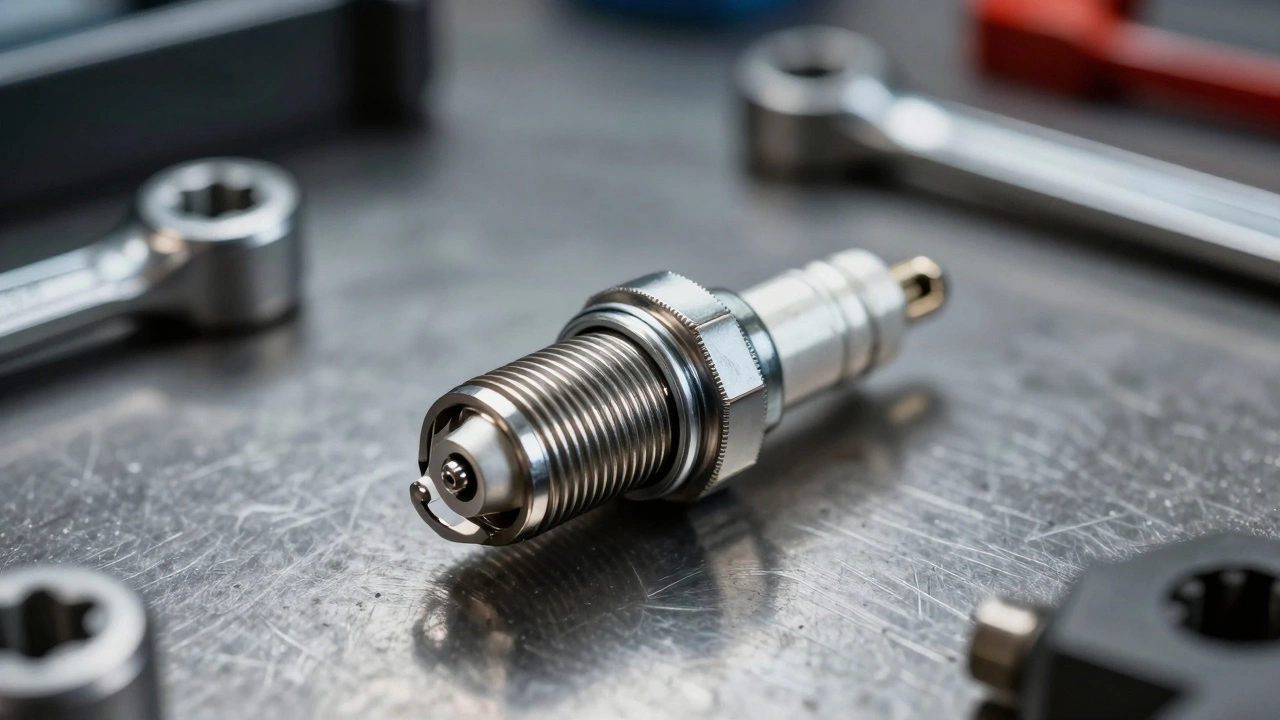
What Is the Life of Spark Plugs? Lifespan, Signs & Replacement Guide
Discover how long spark plugs last, signs of wear, and when to replace them. Learn about copper, platinum, and iridium types to keep your engine running efficiently.
CONTINUE READING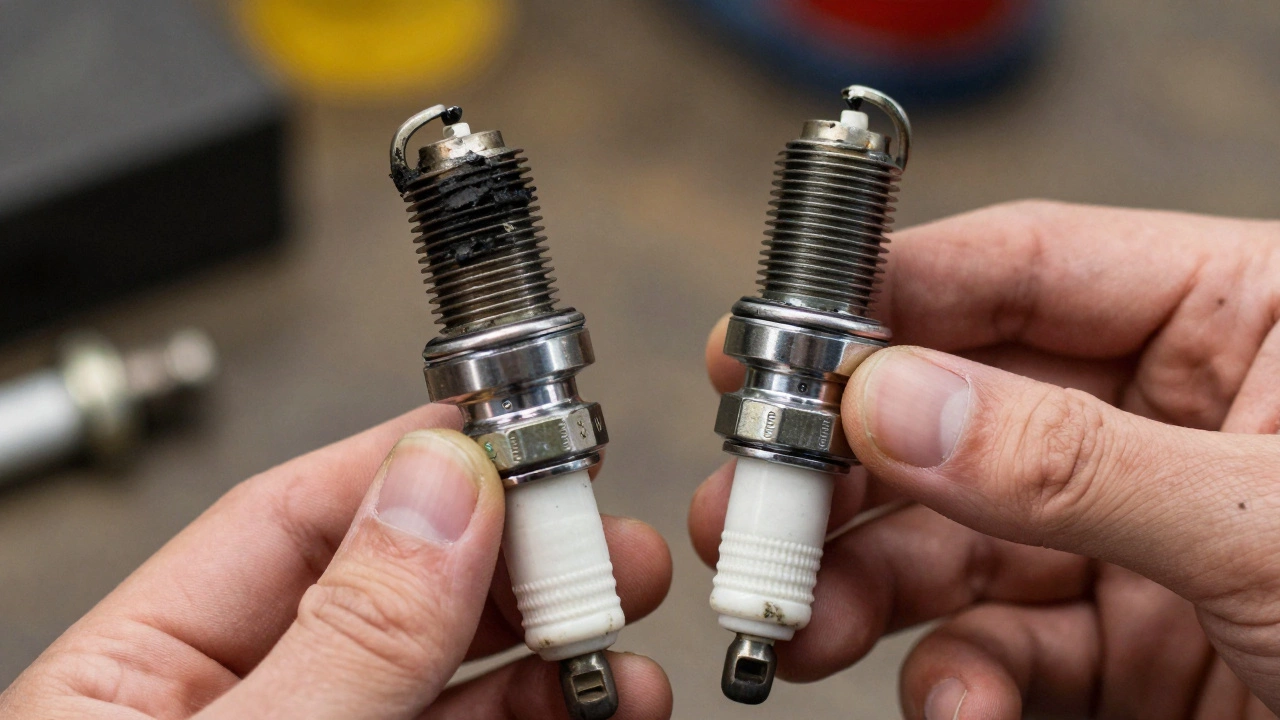
Can You Feel the Difference with New Spark Plugs? Real-World Performance Changes
Discover if new spark plugs really make a difference. We explore real-world changes in engine performance, fuel efficiency, and throttle response, helping you decide if a replacement is worth it.
CONTINUE READING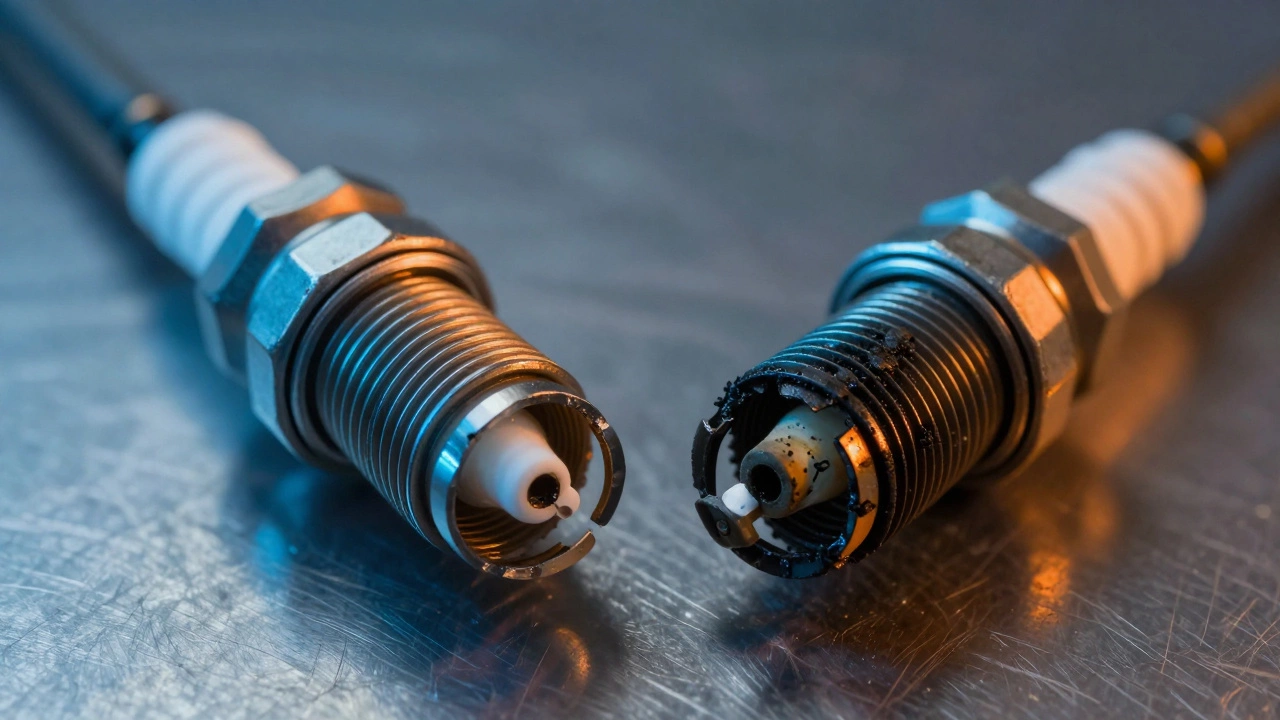
New vs. Old Spark Plugs: Why Fresh Plugs Win Every Time
Discover why new spark plugs outperform old ones, improving fuel economy, engine performance, and preventing costly repairs like catalytic converter damage.
CONTINUE READING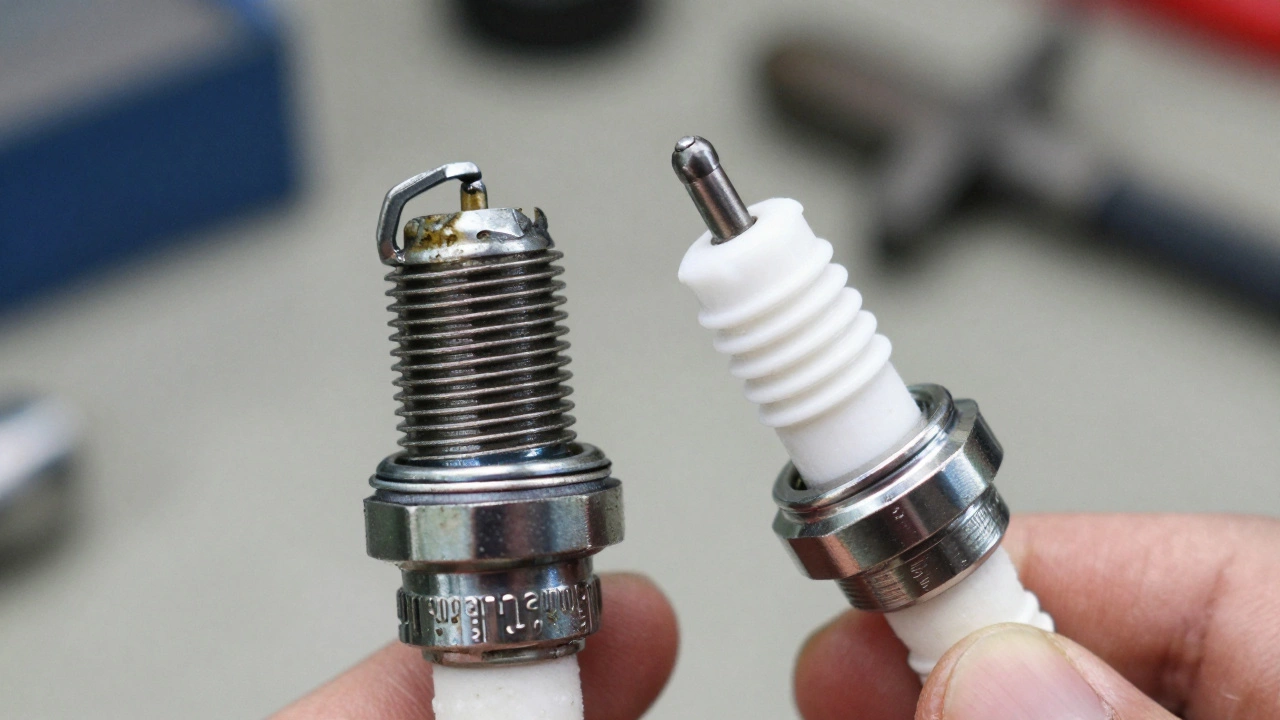
Do New Spark Plugs Actually Make Your Engine Run Better?
Discover if new spark plugs actually improve engine performance, fuel efficiency, and acceleration, and learn how to choose the right materials for your car.
CONTINUE READING
Will Replacing Spark Plugs Make a Noticeable Difference?
Learn how changing spark plugs impacts power, fuel economy, and idle smoothness. Find signs of worn plugs, compare copper, platinum and iridium options, and get step‑by‑step install tips.
CONTINUE READING
How Long Can a Car Go Without Changing Spark Plugs?
Wondering how long you can drive without changing your car's spark plugs? This article breaks down the real mileage you can push before running into trouble, what signs to watch out for, and why skipping this simple bit of maintenance can cost you way more down the line. Get straightforward advice and tips to avoid common spark plug problems. We'll also explain why modern cars can go longer than older models, but still aren't invincible. Discover the exact numbers and tips from the garage so your car—and wallet—don't get burned.
CONTINUE READING
Does Changing Exhaust Affect the Engine? Let's Find Out!
Changing your car's exhaust system can have a significant impact on engine performance and overall vehicle behavior. Whether you're considering a new exhaust for better sound, increased power, or improved fuel efficiency, there are several factors to consider. Understanding how exhaust changes affect your engine can help you make informed decisions and avoid potential pitfalls. Dive into the intricacies of exhaust upgrades, their implications, and practical tips for optimizing your ride.
CONTINUE READING
Are Cars More Responsive After Spark Plug Change?
Wondering if a simple spark plug change can make your car more responsive? Delve into how these small yet crucial components influence your vehicle's performance. Learn about the signs that indicate it's time for a change and how your driving experience can improve. Get insights into maintaining efficiency and power under the hood with fresh spark plugs.
CONTINUE READING
Understanding Fuel Pumps: Essential Functions and Facts
Fuel pumps are crucial for the operation of internal combustion engines by delivering fuel from the tank to the engine at the required pressure. They play an important role in ensuring the vehicle runs smoothly and efficiently. Whether in a car, motorcycle, or other vehicles, understanding the types of fuel pumps and how to maintain them can improve engine performance. Choosing the right fuel pump can prevent future engine issues and improve fuel efficiency. Learn about different types, functions, and maintenance tips to extend the life of a fuel pump.
CONTINUE READING
The Impact of Spark Plugs on Your Engine's Performance
Spark plugs are a small component of a vehicle's ignition system, but their role is critical in ensuring your engine runs smoothly and efficiently. This article delves into how spark plugs affect your engine's performance and explores different types of spark plugs available. Discover the importance of choosing the right spark plugs, signs of malfunction, and maintenance tips that could improve your vehicle's efficiency. Understand how these small parts can make a significant difference in both short-term performance and long-term engine health.
CONTINUE READINGRECENT POSTS
-

Windscreen Wiper vs Windshield Wiper: Which Term Is Correct?
Confused by 'windscreen' vs 'windshield'? Learn the regional differences in car terminology, why they exist, and how to buy the right wiper parts globally.
-
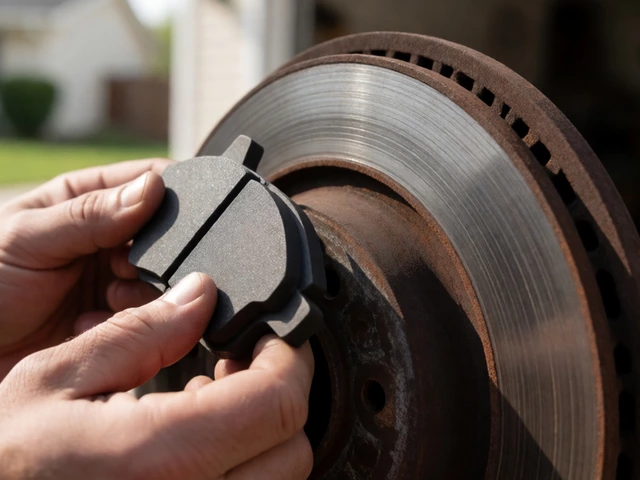
Replacing Brake Pads Without Turning Rotors: Risks and Best Practices
Discover if you can skip rotor resurfacing when changing brake pads. We analyze risks, costs, and best practices for safe braking.
-

Michelin Wiper Blades: Silicone vs Rubber Explained
Confused about Michelin wiper blades? Learn the difference between their standard rubber and premium silicone options. Discover which material suits your climate and driving habits.
-
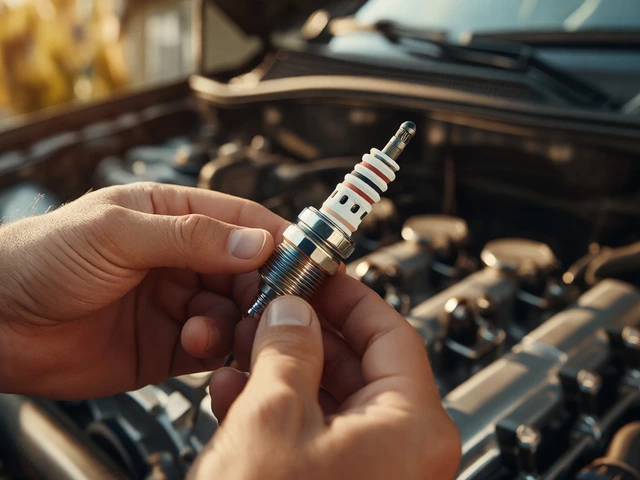
Can I Replace Spark Plugs Myself? A DIY Guide for 2026
Learn if you can replace spark plugs yourself. Discover essential tools, step-by-step instructions, and common mistakes to avoid for a successful DIY engine tune-up.
-
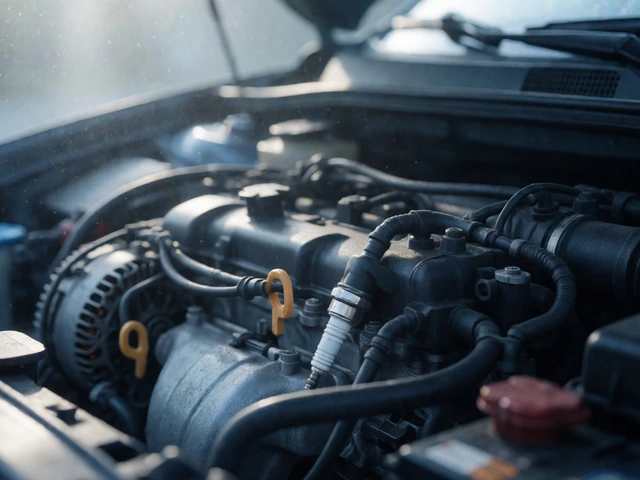
Will New Spark Plugs Improve Starting? What Actually Fixes Hard Starts
Discover if new spark plugs really fix hard starting. Learn to diagnose battery, fuel, and sensor issues before spending money on unnecessary replacements.