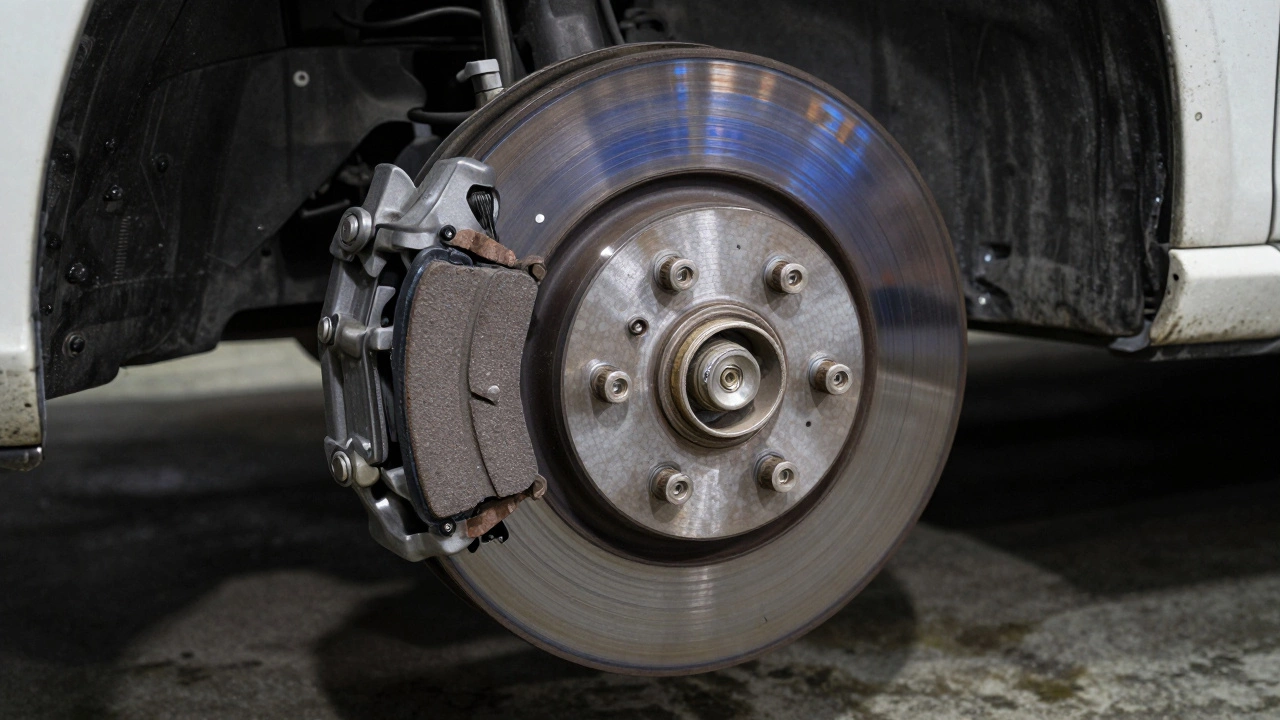
Ever heard that weird squeal when you hit the brakes? Or felt your car shudder like it’s got a bad case of the shakes every time you slow down? You might be tempted to just swap out the brake pads and call it a day. After all, pads are cheaper, easier to change, and you’ve probably seen a YouTube video that makes it look like a 30-minute job. But here’s the truth: replacing brake pads without checking the rotors is like putting new tires on a bent rim. It might seem fine at first-but it won’t last, and it could be dangerous.
Why Brake Pads and Rotors Work Together
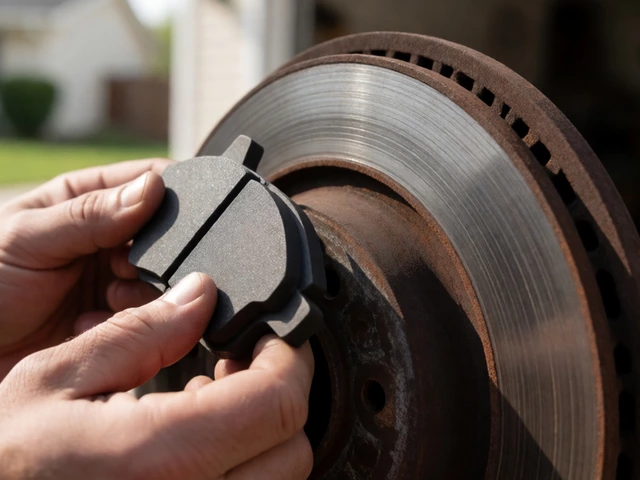
Brake pads and rotors aren’t separate parts-they’re a team. When you press the brake pedal, the pads clamp down on the rotors. That friction slows the wheels. Over time, the pads wear down, sure. But so do the rotors. They get scored, warped, or uneven from constant heat and pressure. If you slap new pads onto old, damaged rotors, you’re not fixing the problem. You’re just masking it.
Think of it like this: if your shoes have worn soles, you don’t just buy new insoles and keep walking on cracked pavement. You need to fix the surface you’re walking on. Same with brakes.
When You Can Skip Replacing Rotors
There are cases where you can get away with just changing the pads. But they’re rare-and you need to know exactly what you’re looking at.
- Your rotors are still smooth and even. No grooves, no bluing, no ridges.
- The thickness is above the manufacturer’s minimum wear limit. Most rotors have a stamped minimum thickness on the edge. If yours is even close to that, don’t risk it.
- You’ve never heard grinding or felt vibration during braking.
- You’ve had the brakes inspected by a mechanic within the last 6 months.
Here’s the kicker: most cars in New Zealand, especially older models or ones driven in hilly areas like Auckland’s North Shore, wear rotors faster than you think. Rain, salt on roads in winter, and frequent stop-and-go traffic all speed up rotor wear. If your car has over 60,000 km on the odometer and you’ve never replaced the rotors, odds are they’re done.
What Happens If You Ignore Bad Rotors
Replacing pads alone on worn rotors doesn’t just waste money-it creates new problems.
- Brake noise: Squealing, chirping, or grinding? That’s the new pads catching on high spots or grooves in the old rotor. It won’t go away.
- Pulsating brake pedal: If the rotor is warped, the pads don’t make even contact. That causes the pedal to push back against your foot when you brake. It’s not just annoying-it reduces stopping power.
- Reduced braking performance: Warped or thin rotors don’t dissipate heat well. That leads to brake fade, especially on long downhill stretches. In Auckland’s hilly suburbs, that’s not a minor issue.
- Damage to new pads: New pads are expensive. Putting them on a damaged rotor can wear them out in half the time. You’ll be back in the shop sooner than you think.
One mechanic I know in Mt. Eden says he sees this mistake at least twice a week. People come in after replacing pads themselves, then come back a month later with the same noise-plus a warped rotor and ruined pads. He calls it the "cheap fix that costs more."
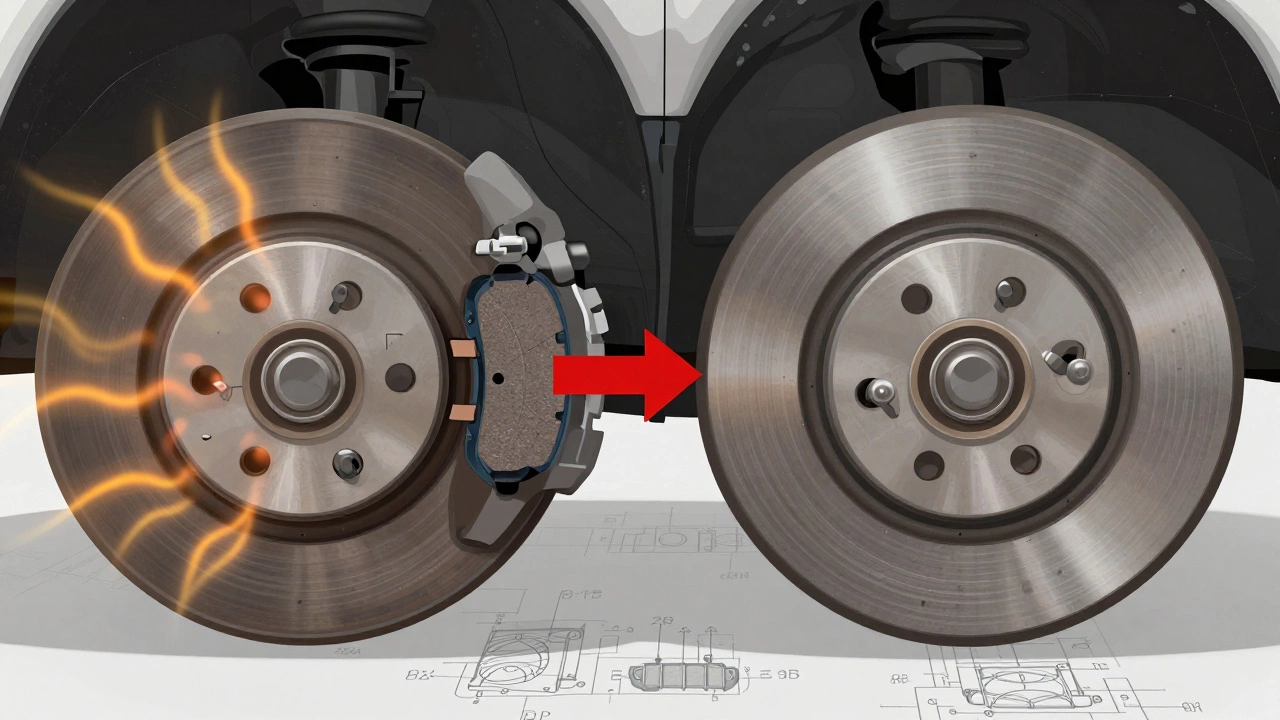
How to Check Your Rotors
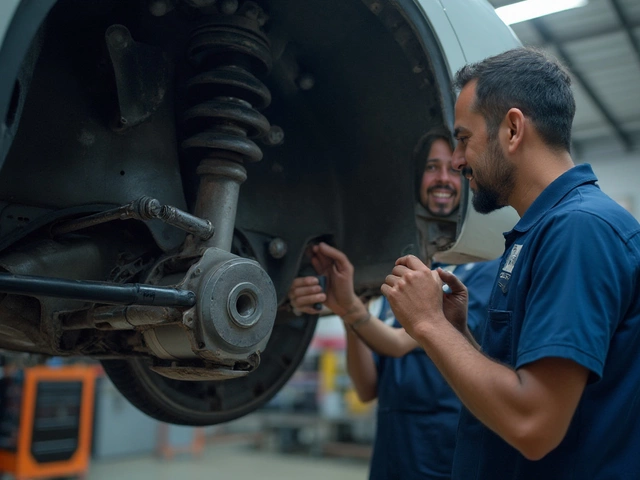
You don’t need fancy tools to check rotors. Here’s what to do:
- Remove the wheel. You’ll need a jack and jack stands. Never work under a car supported only by a jack.
- Look at the rotor surface. If you see deep grooves, shiny spots, or a lip around the edge, it’s time to replace them.
- Run your finger across the surface. If you feel ridges or uneven spots, the rotor is worn.
- Measure thickness. Use a micrometer if you have one. If not, compare it to the minimum thickness stamped on the rotor. If it’s less than 1mm above that number, replace it.
- Check for bluing. A blue or purple tint means the rotor has overheated. That’s a sign of serious wear.
Most rotors last 2-3 pad replacements. But if you drive aggressively, haul heavy loads, or live in hilly areas, they might need replacing after just one pad change.
Cost Comparison: Pads Only vs. Pads and Rotors
Let’s say you’re doing this yourself. Here’s what you’re looking at in New Zealand prices (as of early 2026):
| Item | Pad Only | Pads + Rotors |
|---|---|---|
| Front Brake Pads (pair) | $80-$150 | $80-$150 |
| Front Rotors (pair) | $0 | $160-$300 |
| Labour (if done professionally) | $120-$180 | $200-$300 |
| Estimated lifespan | 10,000-20,000 km | 40,000-60,000 km |
At first glance, pads-only looks like a $300 saving. But if you end up replacing the pads again in 15,000 km because the rotors ruined them, you’re spending more in the long run. Plus, you’re risking safety.

What About Resurfacing Rotors?
Some shops still offer to "turn" or resurface rotors-machining them smooth again. It used to be common. Now? Not so much.
Why? Because modern rotors are thinner to save weight and cost. After one resurfacing, they’re often too thin to be safe. Many manufacturers now say: "If it’s worn, replace it. Don’t machine it."
Also, many auto parts stores don’t even stock rotors that can be resurfaced anymore. They sell new ones. That’s because new rotors are cheaper than the labor to resurface old ones.
Bottom Line: When to Replace Both
Here’s your simple rule:
- If your rotors are over 60,000 km old or show any signs of wear-replace them with the pads.
- If your car vibrates when braking, or you hear grinding or squealing after new pads-rotors are the problem.
- If you’re unsure, get them checked. A good mechanic will measure them for free.
- If you’re doing it yourself, don’t guess. Measure. Inspect. Don’t assume.
Brakes are not something to cut corners on. Your life, and the lives of others, depend on them working right. Replacing pads without checking rotors might save you $200 now-but it could cost you far more later in repairs, safety, or worse.
Do it right the first time. Replace both when needed. Your brakes-and your peace of mind-will thank you.
Can I just replace brake pads without replacing rotors?
You can, but only if the rotors are in perfect condition-no grooves, warping, or thinning below the minimum thickness. Most of the time, especially on cars with over 60,000 km, rotors are worn too. Replacing pads alone often leads to noise, vibration, and premature pad wear.
How do I know if my rotors are worn?
Look for deep grooves, bluing (blue/purple discoloration), a raised lip on the edge, or vibration when braking. Measure thickness with a micrometer-if it’s within 1mm of the minimum stamped on the rotor, replace it. If you feel ridges with your finger, it’s time.
Is it cheaper to resurface rotors instead of replacing them?
No, not anymore. Modern rotors are too thin to safely resurface more than once. Many manufacturers now recommend replacement over resurfacing. New rotors are often cheaper than the labor cost to turn them, and they last longer.
How often should brake rotors be replaced?
Typically every 2-3 brake pad replacements, or around 80,000-100,000 km. But if you drive in hilly areas, haul heavy loads, or brake hard often, they may need replacing sooner-sometimes after just one pad change.
What happens if I ignore worn rotors?
You’ll get noisy brakes, a pulsating pedal, reduced stopping power, and you’ll ruin your new pads faster. In extreme cases, warped rotors can cause brake failure on steep hills or during emergency stops-especially dangerous in places like Auckland with lots of steep roads.

Write a comment