Radiator Overheating Risk Calculator
This tool estimates how long you can safely drive with radiator problems and the potential damage risk. Based on your inputs, it will show your safe driving distance and recommended action.
Your Results
Enter your radiator conditions to see your safe driving distance and risk level.
Driving with radiator problems isn’t just risky-it’s asking for a very expensive repair. If your car’s radiator is leaking, clogged, or failing, you’re not just dealing with discomfort. You’re risking your engine. And once the engine goes, you’re looking at thousands of dollars in repairs-or worse, a total write-off.
What Does the Radiator Actually Do?
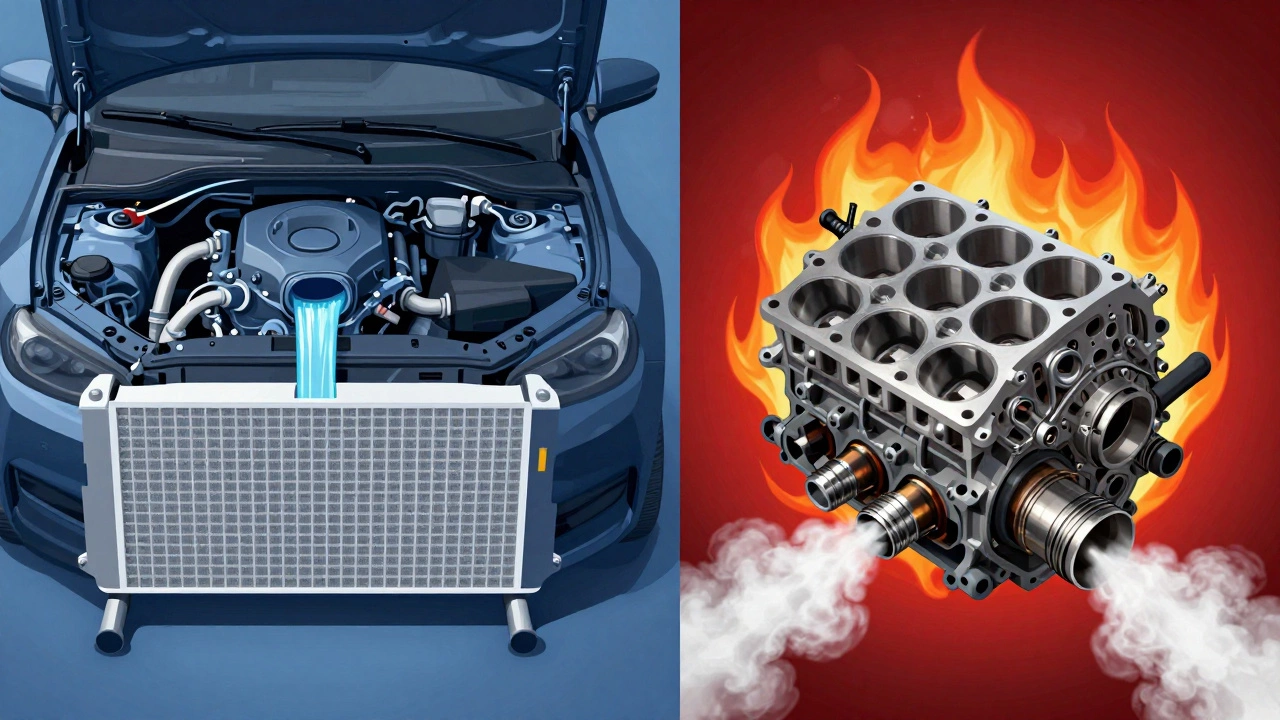
Your radiator isn’t just a metal box under the hood. It’s the heart of your cooling system. It pulls heat away from the engine coolant and releases it into the air. Without it, your engine hits 120°C within minutes. That’s hotter than a pizza oven. Modern engines run tight tolerances. Too much heat, and metal expands, gaskets blow, and pistons seize.
Most cars use a 50/50 mix of coolant and water. That mix boils at 129°C. But if your radiator can’t circulate it properly? The temperature climbs fast. A cracked hose, a failing water pump, or even a stuck thermostat can turn a small issue into a disaster.
Signs Your Radiator Is Failing
You don’t need a mechanic to spot early radiator trouble. Look for these signs:
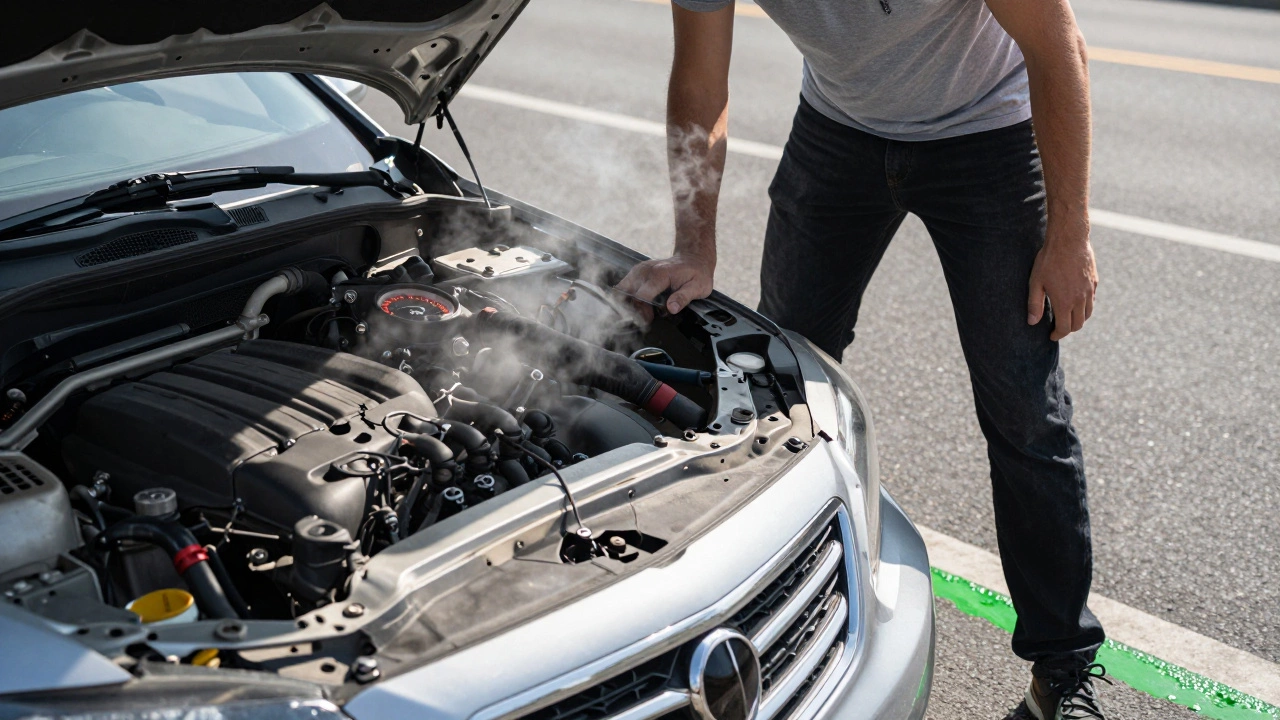
- Steam or smoke coming from under the hood
- Temperature gauge creeping into the red zone
- Puddles of green, orange, or pink fluid under your car
- Unusual sweet smell-like maple syrup-when you’re driving
- Low coolant levels even after topping up
If you notice even one of these, don’t ignore it. In Auckland’s stop-and-go traffic, overheating happens fast. I’ve seen three cars towed off State Highway 1 in one week last summer because drivers kept going after the warning light came on.
What Happens If You Keep Driving?
Some people think, “It’s just a little hot. I’ll drive slowly.” That’s a myth. Heat doesn’t care how gently you drive. Once coolant flow stops, metal parts expand. Aluminum heads warp. Head gaskets blow. Pistons crack. Bearings melt.
Here’s what actually breaks when you ignore radiator problems:
- Head gasket failure: Coolant leaks into cylinders. You’ll get white smoke from the exhaust, and the engine will misfire. Repair cost: $1,800-$3,500.
- Warped cylinder head: The head loses its flat shape. Sealing becomes impossible. Repair cost: $1,500-$2,500 just to resurface it.
- Engine seizure: Pistons lock up. The engine stops cold. You’ll need a replacement. Cost: $3,000-$8,000.
And here’s the kicker: most insurance policies won’t cover engine damage from overheating. They call it “lack of maintenance.”
How Far Can You Drive With a Bad Radiator?
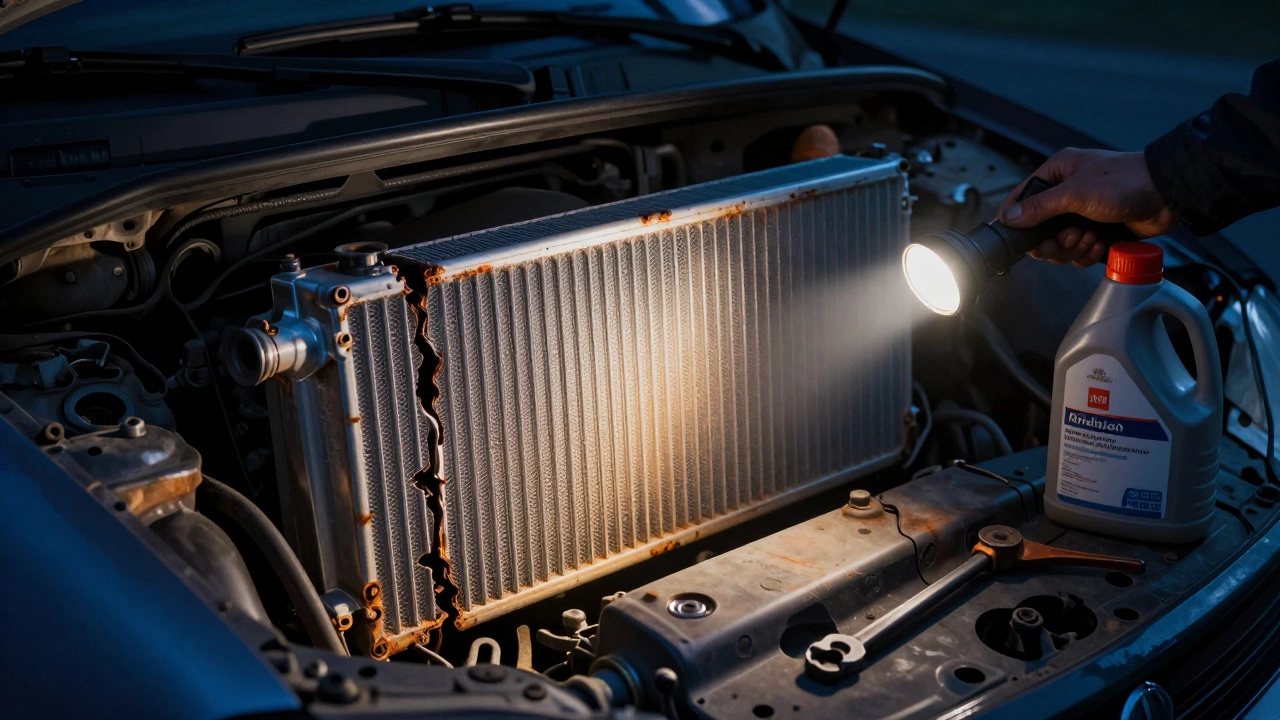
There’s no safe answer. But if you’re stuck on the side of the road with a leak, you might make it a few kilometers-if you’re lucky.
One mechanic in Christchurch told me about a guy who drove 17 kilometers with a leaking radiator. He kept stopping every 3 kilometers to add water. He got to the garage. The engine was still running. But the head was cracked. He spent $4,200 to replace it.
Driving even 5 kilometers with no coolant can cause irreversible damage. Modern engines heat up faster than older ones. A 2024 Toyota Corolla can overheat in under 8 minutes without coolant. That’s less time than it takes to get a coffee.
What Should You Do If Your Radiator Fails?
If your temperature light comes on or you see steam:
- Turn off the air conditioner. It adds heat to the engine.
- Turn on the heater. Yes, really. It pulls heat from the engine into the cabin.
- Pull over as soon as it’s safe. Don’t keep going.
- Turn off the engine. Wait 20 minutes. Never open the radiator cap while hot-steam can burn you.
- Check coolant levels after it cools. If low, add distilled water or coolant.
- Call a tow truck. Even if it seems fine, internal damage may already be done.
Never try to fix a radiator on the side of the road with duct tape or a sealant. Those are temporary tricks for a parking lot, not a highway. They often clog the system worse.
How to Prevent Radiator Problems
Prevention costs less than repair. Here’s how:
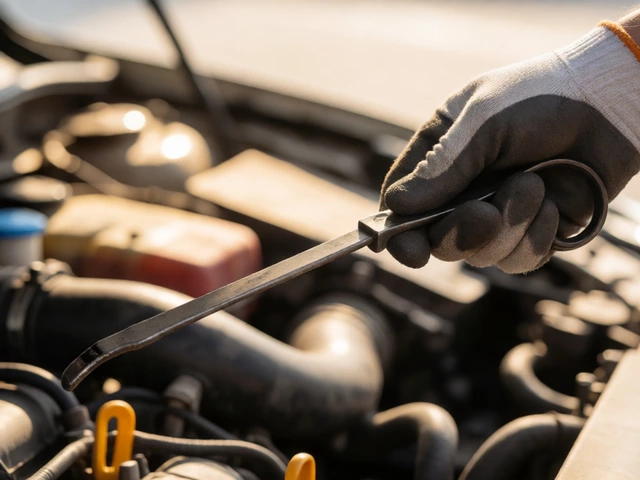
- Check coolant levels every 2 weeks. Use the reservoir tank, not the radiator cap.
- Replace coolant every 4 years or 80,000 km. Old coolant loses its protective properties.
- Inspect hoses for cracks or soft spots. A bulging hose is one step from bursting.
- Have the thermostat checked every 2 services. A stuck thermostat is a silent killer.
- Don’t use plain water. It causes corrosion and boils too easily.
Most radiator failures happen because people forget the basics. You don’t need fancy tools. Just a bottle of coolant and 30 seconds a month.
When to Replace vs. Repair
Not every radiator problem needs a full replacement.
If you have a small leak at a seam or a loose hose clamp, a repair might work. But if:
- The core is clogged (you can’t flush it out)
- There are cracks in the plastic tanks
- Corrosion is eating through the metal
Then replacement is your only option. A new radiator for a common car like a Honda Civic or Ford Focus costs $300-$600. Labor adds another $200-$400. That’s still cheaper than a new engine.
Used or aftermarket radiators? Avoid them. They’re often made with thinner metal. They fail faster. Stick with OEM or reputable brands like Denso, Behr, or Valeo.
Final Warning
Driving with radiator problems isn’t a gamble. It’s a guaranteed loss. You might get lucky once. But the second time? You’ll pay for it.
That sweet smell? That’s coolant burning. The steam? That’s your engine screaming. The warning light? That’s your car saying, “I’m about to die.”
Listen to it. Pull over. Get help. Your wallet-and your engine-will thank you.
Can I drive my car if the radiator is leaking a little?
No. Even a small leak can empty your coolant in under 10 minutes. Modern engines overheat fast. Driving with low coolant risks warping the cylinder head or blowing the head gasket. It’s not worth the risk.
Why does my car smell like sweet syrup when I drive?
That’s coolant leaking and burning on hot engine parts. Coolant has ethylene glycol, which smells like maple syrup. It’s one of the clearest signs of a radiator or hose leak. Check for wet spots under the hood and low coolant levels.
Can I use water instead of coolant in an emergency?
Yes, but only as a last resort. Water boils at 100°C-way lower than coolant. It also causes rust and corrosion. Use distilled water if possible, and replace it with proper coolant as soon as you can. Never drive long distances with just water.
How often should I replace my radiator?
Most radiators last 8-12 years or 160,000-200,000 km. But if you skip coolant changes or drive in dusty, hot conditions, they can fail sooner. Replace it if you see cracks, leaks, or clogs-even if it’s still working.
Will my car insurance cover engine damage from overheating?
Almost never. Insurance companies consider overheating damage a result of poor maintenance, not an accident. If you ignore warning signs, they’ll deny the claim. Regular checks are your best protection.




Write a comment