Suspension Noise Diagnostic Tool
Identify the source of your vehicle's suspension noise to understand the urgency and likely cause. Select all symptoms that apply.
Diagnostic Results
There is nothing quite as unsettling as hearing a strange noise coming from your car while you are driving. It starts small, maybe just a faint creak over a speed bump, but before you know it, that sound has grown into a loud, jarring clunk that makes every pothole feel like an earthquake. Most drivers ignore these sounds until they become unbearable, but ignoring suspension issues is dangerous. Your suspension system is the network of springs, shocks, and linkages that connect your vehicle to its wheels, keeping your tires on the road and absorbing impacts. When it fails, you lose control. Fortunately, most suspension problems announce themselves through sound long before they cause catastrophic failure. By learning to identify the three most common suspension noises-clunking, squeaking, and rattling-you can diagnose the issue early, save money on repairs, and keep yourself safe on the road.
The Loud Clunk: Worn Bushings and Ball Joints
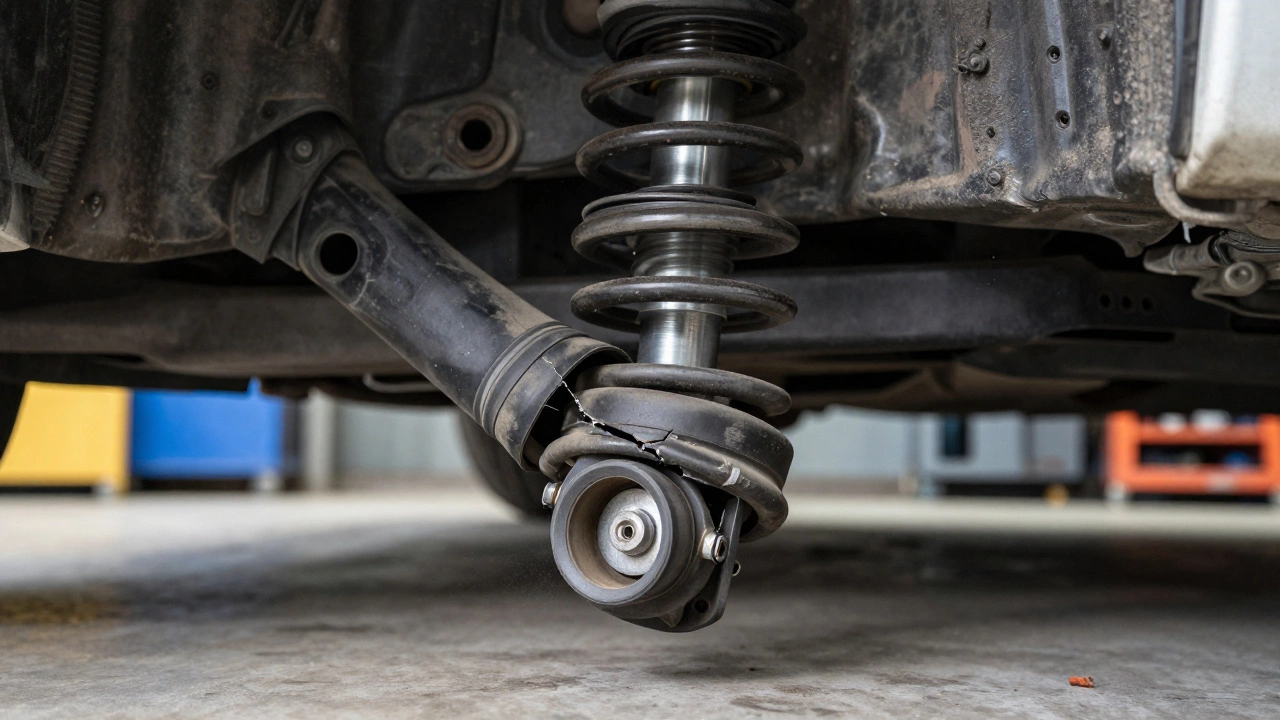
If your car sounds like it is dropping heavy metal objects onto concrete every time you hit a bump, you are likely dealing with a clunking noise. This is arguably the most common complaint regarding suspension wear. A healthy suspension moves smoothly; a failing one has excess play. That "play" is the gap between components that should be tightly connected. When you drive over an irregularity in the road, those loose parts slam together, creating a distinct thud or clunk.
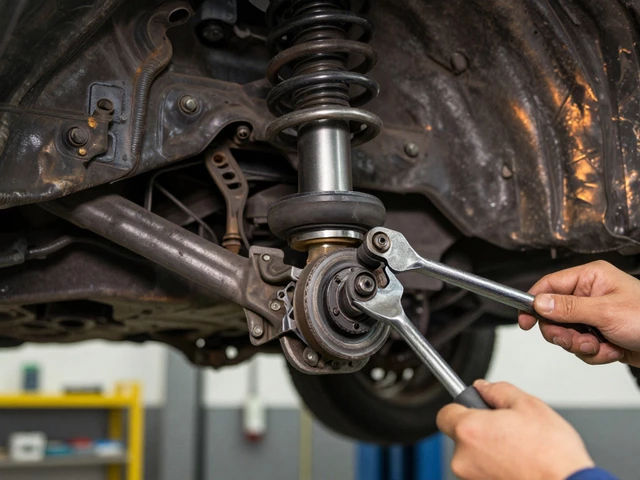
The usual suspects for this noise are control arm bushings and ball joints. Control arm bushings are rubber cushions that isolate the metal control arms from the car's frame. Over time, especially in regions with harsh weather conditions like Auckland’s wet winters, this rubber dries out, cracks, and eventually disintegrates. Once the rubber is gone, metal hits metal. Similarly, ball joints act as pivot points between the control arms and the steering knuckles. They carry the weight of the vehicle and allow the wheels to turn. When the internal bearing wears down, the joint becomes loose. You will often hear this clunk when turning at low speeds or braking hard.
- Diagnosis Tip: Next time you are parked on a flat surface, have a friend gently bounce the front corner of the car up and down while you listen near the wheel well. If you hear a repetitive clunk, the strut mount or spring seat may be damaged.
- Safety Risk: A failed ball joint can cause the wheel to detach from the vehicle entirely. If you suspect this, do not drive the car.
The High-Pitched Squeak: Dried Struts and Shock Absorbers
While clunking indicates looseness, squeaking usually points to friction. If your car emits a high-pitched moan or squeal when going over bumps, particularly after sitting for a few days, the culprit is likely your shock absorbers or struts. These components work by forcing hydraulic fluid through small valves to dampen the oscillation of the springs. Inside every shock or strut is a piston rod coated in grease to reduce friction against the dust boot and wiper seal.
As vehicles age, the protective dust boots can tear, allowing dirt and moisture to enter. Alternatively, the factory grease can dry out due to heat and age. When the piston rod moves without adequate lubrication, it scrapes against the seals, creating that annoying squeak. This noise is often worse in the morning because the components have settled overnight. As you drive, the friction generates heat, which temporarily re-lubricates the area, causing the noise to fade. However, this does not mean the problem has fixed itself. Continued operation in this state will damage the seals, leading to fluid leaks and eventual loss of damping performance.
Another source of squeaking is the sway bar links. These small rods connect the anti-roll bar to the suspension. If their bushings wear out, they can rattle or squeak during body roll in corners. Unlike shock squeaks, sway bar noises often occur specifically when turning, rather than just when hitting vertical bumps.
The Metallic Rattle: Loose Hardware and Stabilizer Links
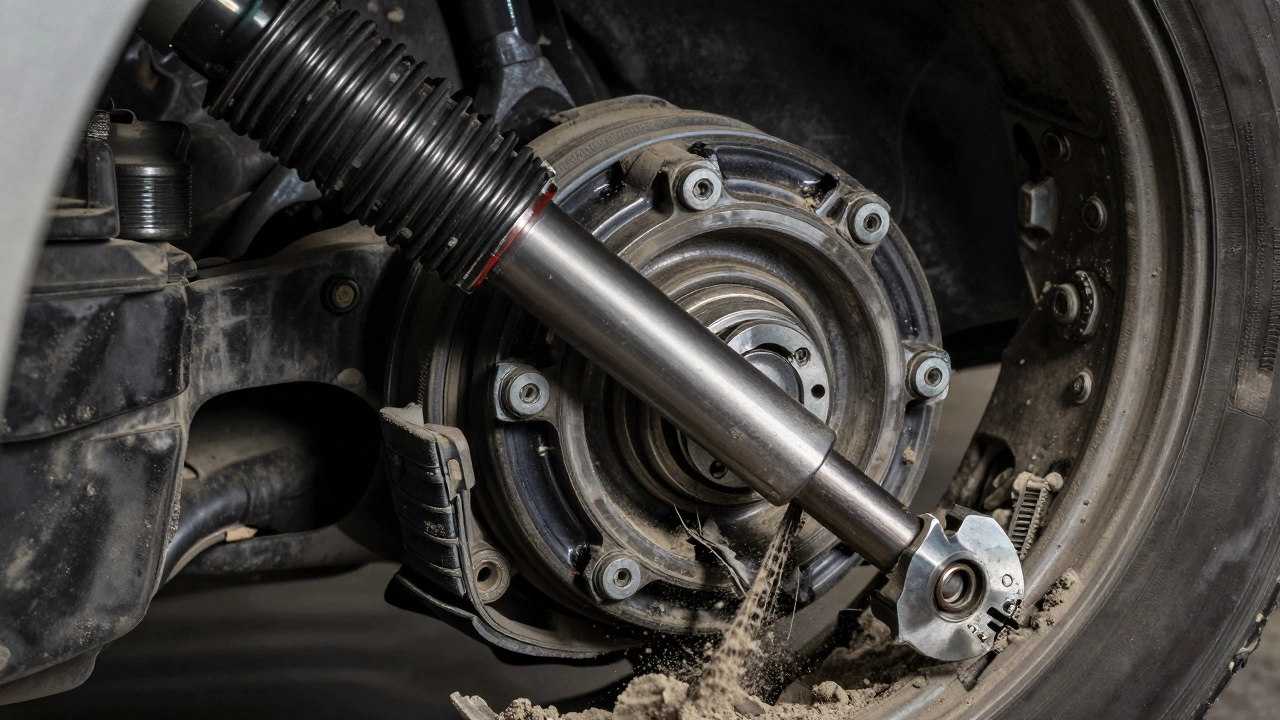
The third common noise is a rapid, metallic rattling or buzzing. This sound feels less like a single impact and more like a continuous vibration traveling through the chassis. Drivers often describe it as sounding like marbles shaking inside a tin can. This type of noise typically originates from small, fast-moving components that have lost their tension or integrity.
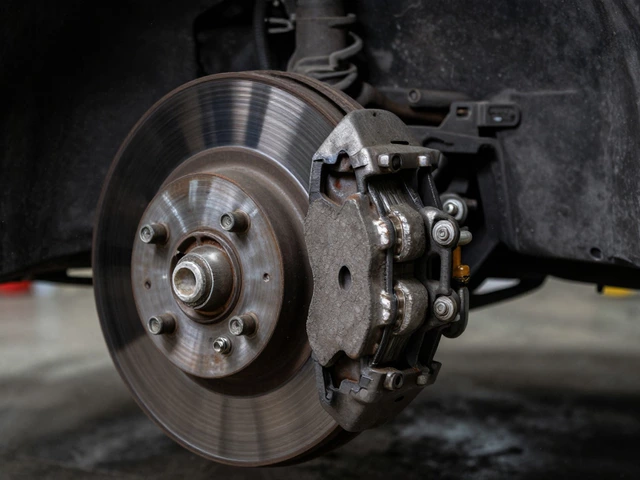
The primary cause here is worn stabilizer bar links (also known as sway bar links). These links are under constant stress as the car leans into turns. The spherical bearings inside them wear out quickly, especially if you drive frequently on rough roads. Once the bearing plays loose, the link vibrates rapidly against its mounting points. Another possibility is loose hardware. Suspension systems rely on numerous bolts and nuts to hold everything together. Vibrations from the road can gradually loosen these fasteners. A loose brake caliper bracket, for example, can rattle against the backing plate, mimicking a suspension noise. While not strictly a suspension component, it is located within the same assembly and often gets misdiagnosed.
| Noise Type | Likely Cause | When It Happens | Urgency Level |
|---|---|---|---|
| Clunking | Worn bushings, ball joints, strut mounts | Hitting bumps, turning, braking | High (Structural integrity risk) |
| Squeaking | Dry shock/strut pistons, torn dust boots | Slow compression over bumps, cold starts | Medium (Performance degradation) |
| Rattling | Loose stabilizer links, loose bolts | Driving on rough surfaces, cornering | Low to Medium (Annoyance to Safety) |
Why Ignoring These Sounds Costs More
Many drivers adopt a "if it ain't broke, don't fix it" mentality, but suspension systems operate on a principle of progressive failure. A small crack in a control arm bushing allows water and debris to enter. This accelerates corrosion on the surrounding metal. Eventually, the metal weakens, or the adjacent ball joint takes on extra load it was not designed to handle, causing it to fail prematurely. What could have been a $150 bushing replacement turns into a $800 control arm and ball joint swap.
Furthermore, suspension issues directly affect tire wear. If your alignment shifts due to loose components, your tires will scrub against the road unevenly. This creates cupping or feathering on the tread, ruining a set of tires in thousands of kilometers rather than tens of thousands. In New Zealand, where fuel prices and tire costs are significant expenses, maintaining proper suspension geometry is an economic necessity, not just a comfort preference.
How to Diagnose the Source Yourself
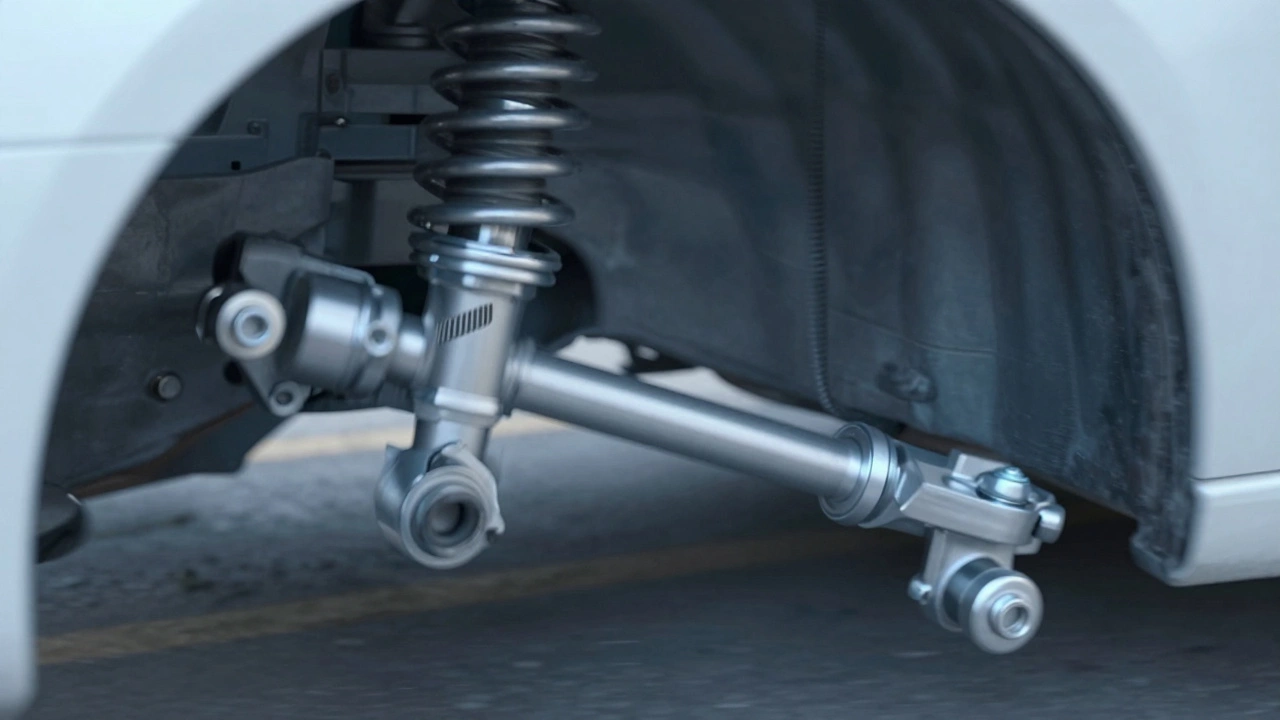
Before heading to a mechanic, you can perform a basic inspection to narrow down the problem. Start by visually inspecting the suspension components. Look for obvious signs of damage:
- Fluid Leaks: Check the shock absorbers and struts for oily residue. If the body of the shock is wet, the internal seals have failed.
- Cracked Rubber: Examine all visible bushings and boots. Deep cracks or missing chunks of rubber indicate imminent failure.
- Play in Components: With the car safely jacked up and supported on stands, try to wiggle the tire at the 3 o'clock and 9 o'clock positions. Excessive movement suggests bad wheel bearings or tie rod ends. Wiggle at the 12 and 6 o'clock positions to check for ball joint play.
Preventative Maintenance Tips
You cannot stop wear and tear completely, but you can slow it down. Regularly wash your car, paying special attention to the undercarriage. Road salt and grit are enemies of rubber and metal. In coastal areas like Auckland, salt spray accelerates corrosion. Inspect your suspension annually, ideally during your regular service interval. Ask your mechanic to check for early signs of bushing cracking or seal drying. Replacing components in pairs (left and right) ensures balanced handling and prevents the new part from wearing out faster due to compensating for the old one.
Is it safe to drive with a clunking suspension?
It depends on the severity. A minor clunk from a worn bushing might be tolerable for short trips to the mechanic, but it is not safe for long drives or highway speeds. If the clunk is loud and accompanied by vibrations or pulling to one side, stop driving immediately. A failed ball joint or control arm can cause loss of vehicle control.
Can I fix suspension noises myself?
Simple replacements like sway bar links or strut mounts can be DIY projects for experienced hobbyists with the right tools (jack stands, torque wrench, impact driver). However, replacing ball joints or control arms often requires pressing out old components and precise alignment afterward. Incorrect installation can lead to dangerous failures, so professional help is recommended for critical safety components.
Why does my suspension squeak only in the morning?
This is typically caused by dried-out lubricant on the shock absorber piston rods. Overnight, the components settle and the remaining grease stiffens. As you drive, friction generates heat, thinning the grease and reducing the noise. It indicates the shocks are nearing the end of their life and should be inspected soon.
How much does it cost to fix suspension noises?
Costs vary widely based on the vehicle and location. Replacing sway bar links might cost $100-$200 in parts and labor. Rebuilding a strut assembly can range from $400 to $800 per corner. Ball joint replacements typically fall between $150 and $400. Always get a detailed quote that includes labor, parts, and any necessary alignment fees.
Does suspension noise affect my car's insurance?
Generally, maintenance issues like suspension wear do not directly affect insurance premiums. However, if an accident occurs and the insurer determines that poor maintenance (like worn brakes or suspension) contributed to the crash, they may deny the claim or reduce the payout. Keeping your vehicle in good repair protects both your safety and your financial liability.



Write a comment