Car Radiator Cost Estimator
Estimated Cost Breakdown
| Radiator Unit: | $150 - $400 |
| Labor Costs: | $250.00 |
| Coolant Flush: | $65.00 |
|
Total Estimated Range:
$465 - $815
|
|
Quick Summary
- A new car radiator is worth it if your current one has internal leaks, corrosion, or visible damage that causes overheating.
- If the core is intact but hoses or the fan are failing, repair those parts first to save money.
- The average cost for a replacement ranges from $300 to $800, depending on whether you choose OEM or aftermarket parts and local labor rates.
- Ignoring early warning signs like sweet-smelling steam or rising temperature gauges can lead to catastrophic engine failure costing thousands more.
- In Auckland’s humid climate, rust and coolant degradation happen faster, making regular inspections crucial for older vehicles.
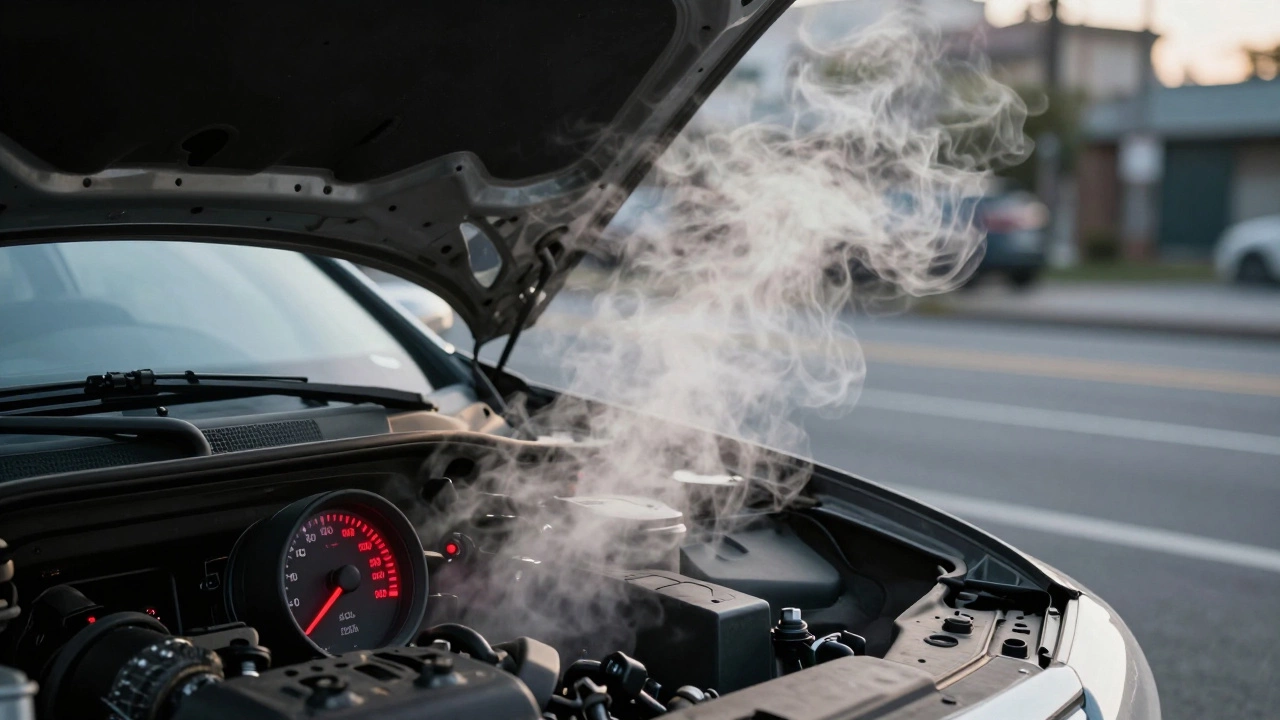
Your car pulls over. Steam billows from under the hood. The temperature gauge is pegged in the red. You’re stranded, frustrated, and wondering why this happened. Often, the culprit is a failing car radiator. But before you hand over hundreds of dollars for a brand-new unit, you need to know if it’s actually necessary. Sometimes, a simple flush or a hose fix does the trick. Other times, skipping the replacement leads to a destroyed engine block. Let’s cut through the noise and figure out what’s best for your wallet and your vehicle.
How a Radiator Actually Works
To decide if you need a new one, you have to understand what the part does. A radiator is a heat exchanger that cools engine coolant by transferring its heat to the air. Hot liquid flows from your engine into the radiator tubes. As you drive, air passes through the fins between those tubes, carrying the heat away. The cooled fluid then returns to the engine to repeat the cycle. If this loop breaks down, your engine cooks itself from the inside out.
Think of it like your home’s heating system. If the pipes get clogged with sludge or develop holes, the heat doesn’t circulate properly. In a car, the stakes are higher because metal expands when hot. An overheated aluminum cylinder head can warp in minutes. That’s not a repair; that’s a rebuild.
Signs Your Radiator Is Failing
You don’t need a degree in mechanics to spot trouble. Pay attention to these specific symptoms. They usually appear gradually, giving you time to act before a breakdown occurs.
- Overheating: The most obvious sign. If your temperature gauge climbs above normal during idle or highway driving, your cooling system isn’t doing its job.
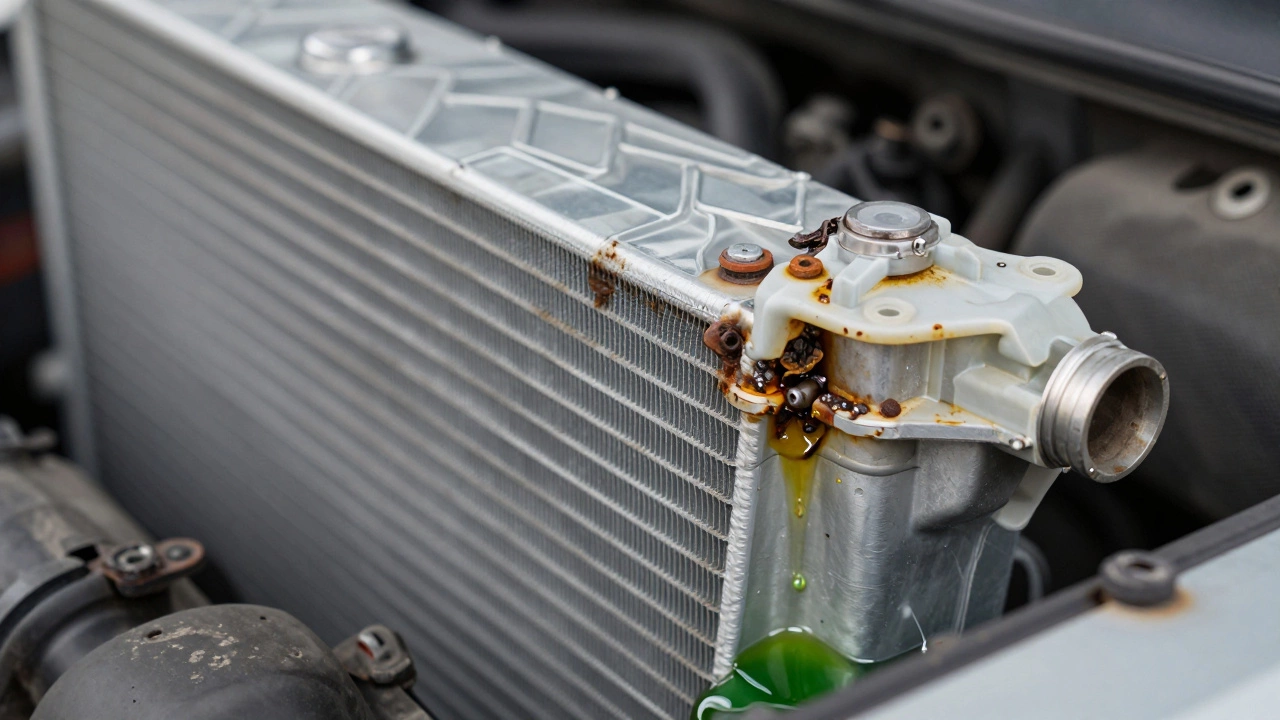
- Coolant Leaks: Look under your car after parking. Green, orange, or pink puddles indicate a leak. Check around the radiator tanks and corners for wetness or crusty residue.
- Sweet Smell: Coolant smells like maple syrup. If you smell this inside the cabin or near the engine bay, you likely have an internal or external leak.
- Discolored Coolant: Fresh coolant is bright and clear. If it looks rusty, brown, or muddy, internal corrosion is eating away at the radiator fins.
- Sludge Buildup: Open the radiator cap (when cold!) or check the overflow tank. If you see gunk or particles, the system is contaminated.
Don’t ignore these signs. A small leak today becomes a dry sump tomorrow.
Repair vs. Replace: When Does It Make Sense?
Not every problem requires a new unit. Mechanics often recommend replacement because it’s easier than diagnosing minor issues. Here is how to tell the difference.
When to Repair:
- Hose Issues: Rubber hoses crack and bulge over time. Replacing them costs a fraction of a new radiator.
- Fan Failure: If the electric cooling fan motor dies, the radiator might be fine. Replace the fan assembly instead.
- Minor External Leaks: Some shops can solder small cracks in copper radiators, though this is rare for modern aluminum units.
When to Replace:
- Internal Corrosion: You can’t see inside easily, but if coolant changes color frequently or flow feels restricted, the internal passages are blocked.
- Bent Fins: If debris hit the front of your car, bent fins reduce airflow. Straightening them is possible, but severe damage means replacement.
- Tank Cracks: The plastic side tanks on modern radiators become brittle. Once they split, welding is unreliable. Swap the whole unit.
- Age: Radiators last about 5-10 years. If yours is older and showing any signs of stress, don’t gamble.
Cost Breakdown: What Will It Set You Back?
Price varies wildly based on your vehicle and where you live. In Auckland, labor rates hover around $100-$150 per hour. Parts depend on whether you buy Original Equipment Manufacturer (OEM) or aftermarket.
| Component | Aftermarket Price | OEM Price | Labor Estimate |
|---|---|---|---|
| Radiator Unit | $150 - $400 | $300 - $700 | $100 - $300 (1-3 hours) |
| Coolant Flush | $50 - $80 | $50 - $80 | Often included |
| Thermostat | $20 - $50 | $40 - $100 | Usually replaced simultaneously |
| Total Estimated Cost | $300 - $1,100+ | ||
Aftermarket radiators from brands like Denso or Nissin offer great value and often match OEM quality. Cheap, unbranded units may fail prematurely. Always ask your mechanic which brand they use. If they push the most expensive option without explanation, get a second opinion.
The Hidden Risks of Waiting
Some drivers think, “I’ll just top up the coolant and drive it.” This is dangerous. Here’s why.
An engine runs at approximately 90°C to 105°C. Without proper cooling, temperatures spike past 120°C quickly. Aluminum heads expand faster than iron blocks. This mismatch causes warping. A warped head means the seal between the combustion chamber and coolant passages fails. Compression escapes. Coolant enters the oil. You now have a hydrolock scenario or severe internal contamination. Repairing that involves machining the head or replacing the entire engine block. That bill easily exceeds $3,000.
Additionally, low coolant levels cause air pockets. Air doesn’t transfer heat well. These pockets create hot spots that crack pistons or melt timing belts. Prevention is cheap compared to resurrection.
DIY vs. Professional Installation
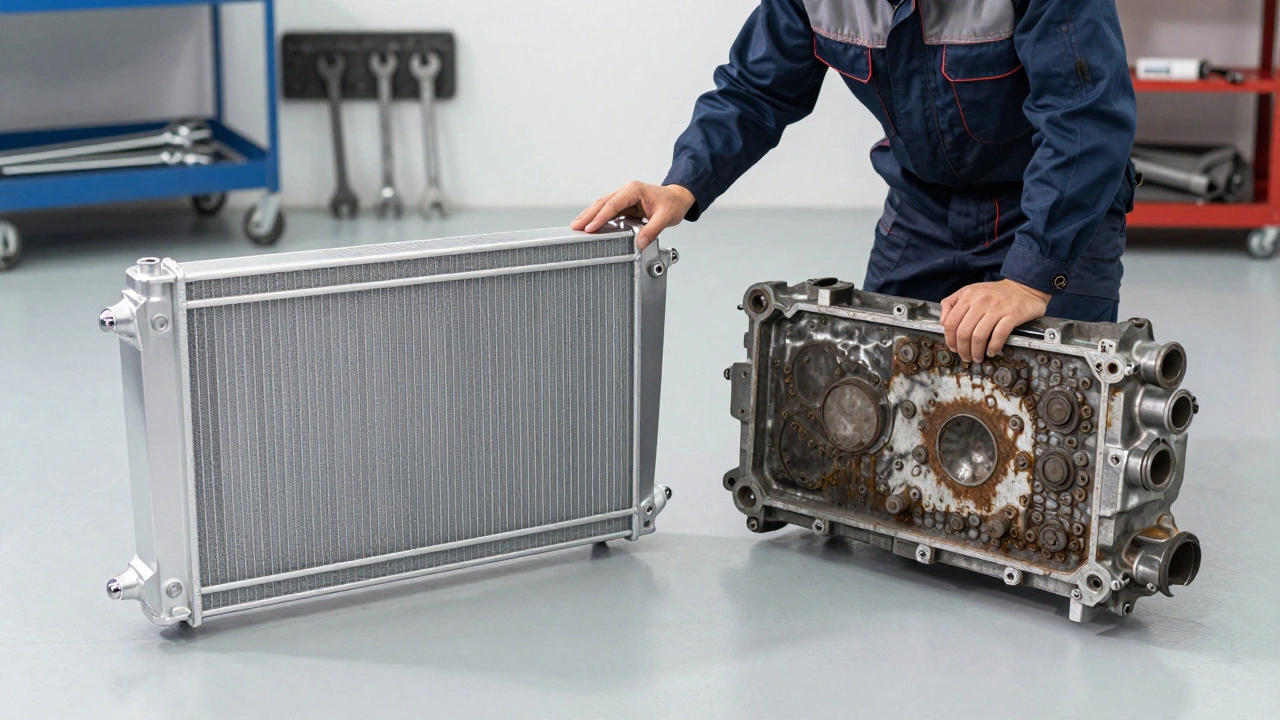
Can you do it yourself? Yes, if you have basic tools and confidence. You’ll need pliers, screwdrivers, a drain pan, and new coolant. The process involves draining the old fluid, removing mounting brackets, unplugging sensors, and swapping the unit. Then, refill and bleed the system to remove air.
However, bleeding is tricky. Air trapped in the heater core or engine block ruins the cooling efficiency. Many DIYers miss this step, leading to persistent overheating. Professionals have vacuum fill tools that ensure complete circulation. If you’ve never worked on a cooling system, hire someone. The risk of improper installation outweighs the labor savings.
Maintenance Tips to Extend Life
Want to avoid this conversation next year? Follow these steps.
- Flush Every Two Years: Coolant loses its anti-corrosive properties over time. Flushing removes sediment and restores pH balance.
- Check Levels Monthly: Top off with the correct mix of water and antifreeze. Never use tap water alone; minerals cause scale buildup.
- Inspect Hoses Annually: Squeeze them. They should feel firm, not mushy or hard. Look for cracks near clamps.
- Keep the Front Clean: Bugs, dirt, and leaves clog the fins. Use a soft brush or compressed air to clean the exterior gently.
- Monitor Temperature: Glance at the gauge regularly. Don’t wait for the warning light.
In Auckland, humidity accelerates rust. Salt from coastal roads worsens it. If you drive near the beach, inspect your undercarriage and radiator support more frequently.
Final Thoughts on Value
Is it worth installing a new radiator? Absolutely, if the evidence points to failure. It protects your engine, maintains fuel efficiency, and ensures safety. Skipping it risks massive repairs. However, don’t rush into buying one if a thermostat or fan is the real issue. Diagnose first, replace second. Your car deserves reliable cooling, and your bank account deserves smart spending.
How long does a car radiator last?
Most car radiators last between 5 and 10 years. Factors like driving conditions, maintenance habits, and material quality affect longevity. Aluminum radiators are common today and generally durable, but plastic tanks can degrade sooner due to heat exposure.
Can I drive my car with a leaking radiator?
No. Driving with a leaking radiator risks severe engine overheating. Even a slow leak reduces coolant levels enough to cause hot spots. Stop driving immediately and arrange towing or professional inspection.
What is the difference between OEM and aftermarket radiators?
OEM (Original Equipment Manufacturer) radiators come directly from the car maker’s supplier and guarantee exact fitment. Aftermarket radiators are made by third-party companies. High-quality aftermarket options often perform equally well at a lower price, while cheap generics may lack durability.
Why does my car overheat only when idling?
Idling relies heavily on the electric cooling fan since there’s no airflow from driving. If the fan motor, relay, or sensor fails, the engine will overheat at stops but run fine on the highway. Check the fan operation first before assuming the radiator is bad.
Should I flush the radiator before installing a new one?
Yes. Always flush the entire cooling system before installing a new radiator. Old coolant contains contaminants that can clog the new unit’s tiny fins immediately. A clean system ensures maximum heat transfer and extends the life of the replacement part.



Write a comment