Clutch Life Estimator
Your Driving Habits
Estimated Clutch Lifespan
Based on your habits, your clutch should last approximately 75,000 kilometers.
Replacing a clutch kit is the assembly of parts that connects the engine to the transmission in manual vehicles, allowing smooth gear changes typically costs between $900 and $1,300 in New Zealand. Most clutch damage happens due to preventable habits and issues. Let's break down exactly what wears out your clutch.
Riding the Clutch Pedal
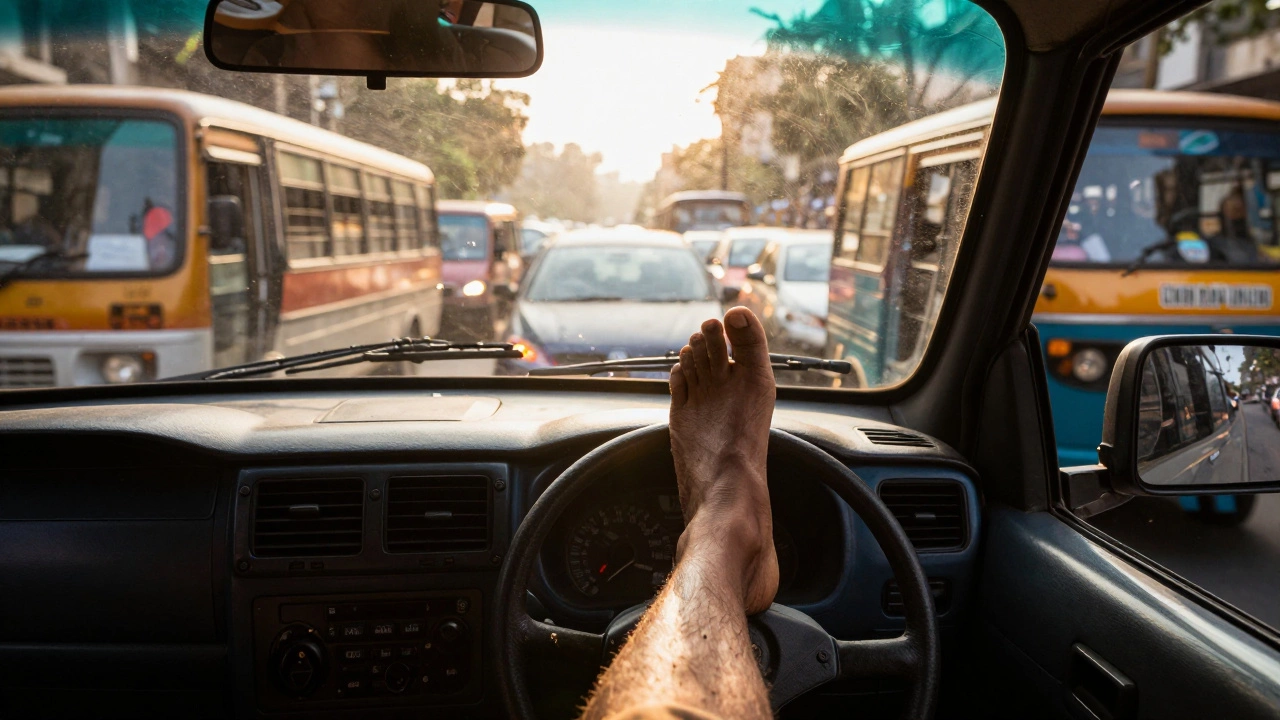
Resting your foot on the clutch pedal even when not shifting is a common mistake. This partially engages the clutch disc against the flywheel, causing slippage and heat buildup. Each time you do this, you're wearing down the friction material. In stop-and-go traffic, this habit alone can shorten a clutch's life by 50%. For example, drivers in Auckland's heavy traffic often unknowingly ride the clutch, leading to premature failure.
Aggressive Shifting Techniques
Not fully depressing the clutch when shifting gears causes grinding and stress on the synchronizers and clutch disc. Shifting too quickly without letting the clutch fully engage also damages it. A common mistake is 'grinding' gears when shifting-this happens when you force the gear lever without fully disengaging the clutch. Over time, this wears out the clutch disc and transmission components faster.
Using the Clutch to Hold Your Car on Hills
Many drivers use the clutch pedal instead of the brake to hold their car on hills. This keeps the clutch partially engaged, causing excessive wear. In New Zealand's hilly areas like Auckland and Wellington, this mistake is widespread. Instead, always use the brake pedal for hill starts. This simple habit can save your clutch thousands of dollars in repairs.
Contamination from Oil Leaks
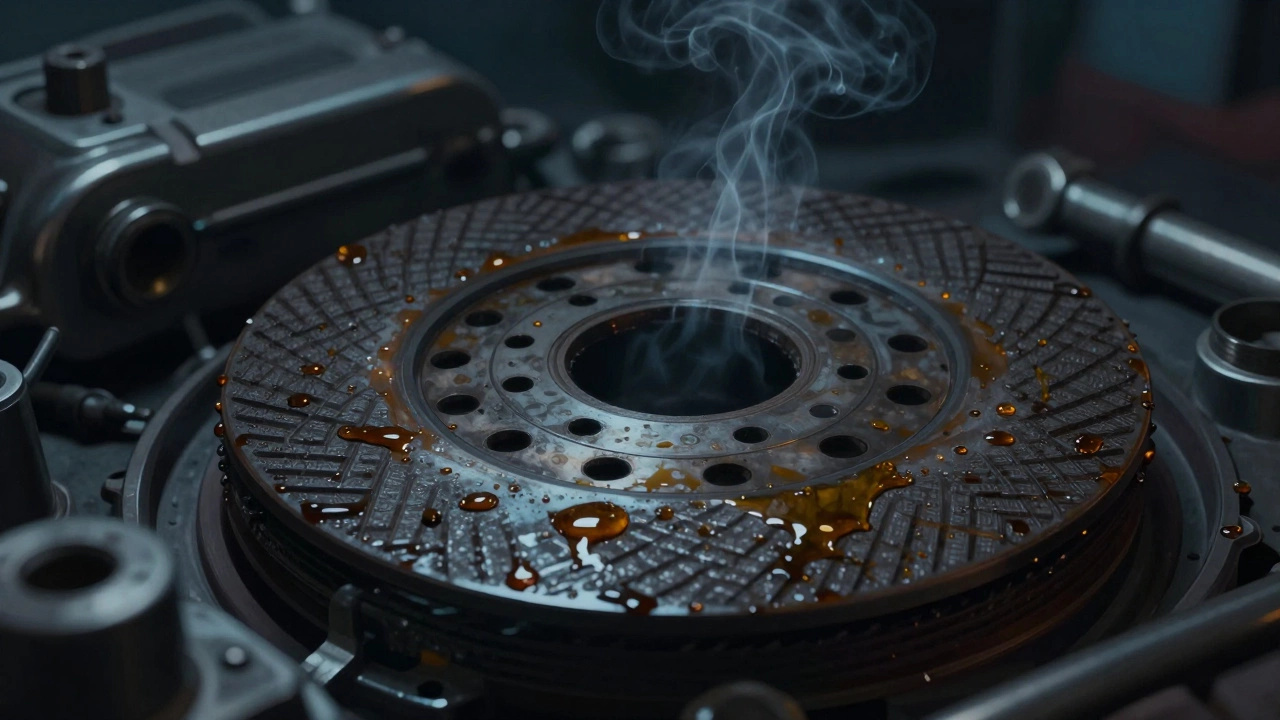
Oil or grease leaking onto the clutch disc causes it to slip even when fully engaged. For example, a worn rear main seal in the engine can leak oil onto the clutch. This is often detected by a burning smell and difficulty shifting. Regularly checking for leaks, especially around the engine and transmission, can prevent this. If you notice an oily residue on the clutch assembly, replace the leak source immediately.
Overheating from Stop-and-Go Traffic
In heavy traffic, repeatedly slipping the clutch to move slowly builds up heat. The friction material on the clutch disc can glaze over or warp. In cities like Auckland with frequent traffic jams, this is a major cause of clutch damage. Use the brake instead of the clutch in traffic. This reduces heat buildup and extends clutch life significantly.
Mechanical Issues with Flywheel or Pressure Plate
A warped or worn flywheel can cause uneven clutch engagement. Similarly, a faulty pressure plate may not apply even pressure. For example, a cracked flywheel from overheating can cause vibration and clutch slippage. These mechanical issues often require replacing the entire clutch kit. During clutch replacement, always inspect the flywheel for cracks or warping-this prevents future problems.
Signs Your Clutch Kit is Failing
Common signs include: clutch slipping (engine revs without acceleration), grinding noises when shifting or pressing the clutch pedal (often from a worn release bearing), difficulty shifting gears, a spongy or unresponsive clutch pedal, or a burning smell. If you notice these signs, get it checked immediately. Ignoring them can lead to complete clutch failure and more expensive transmission damage.
Preventing Clutch Damage
Preventing clutch damage starts with proper driving habits:
- Keep your foot off the clutch pedal when not shifting gears
- Use the brake pedal for hill starts instead of the clutch
- Shift gears smoothly without forcing the gear lever
- Check for oil leaks regularly and fix them immediately
- Use the brake in heavy traffic instead of riding the clutch
- Have your clutch adjusted during regular maintenance
Regular inspections by a mechanic can catch issues early. For example, checking the clutch disc thickness during an oil change helps monitor wear. Addressing small problems before they escalate saves money and keeps your vehicle running smoothly.
How long does a clutch kit typically last?
In normal driving conditions, a clutch kit lasts between 50,000 and 100,000 kilometers. However, aggressive driving or frequent stop-and-go traffic can reduce this to 30,000 kilometers or less. Regular maintenance and proper driving habits can extend its lifespan significantly.
What does a slipping clutch feel like?
A slipping clutch feels like the engine revs higher than expected without corresponding acceleration. You might also notice a burning smell and difficulty maintaining speed, especially when climbing hills or accelerating hard. This happens because the clutch disc can't grip the flywheel properly due to wear or contamination.
Can you drive with a damaged clutch?
Driving with a damaged clutch is risky. It can cause further damage to the transmission and leave you stranded. If you notice slipping, grinding, or other symptoms, get it repaired as soon as possible. Continuing to drive may lead to more expensive repairs or complete transmission failure.
How often should you inspect your clutch?
Inspect your clutch during routine maintenance like oil changes or tire rotations. A mechanic can check the clutch disc thickness and look for signs of wear. For vehicles with high mileage or frequent stop-and-go driving, inspect every 15,000-20,000 kilometers. Early detection prevents major repairs.
What causes a clutch to overheat?
Clutch overheating happens from repeated slipping in heavy traffic, using the clutch to hold the car on hills, or aggressive driving. Each time the clutch slips, friction generates heat. Over time, this heat glazes the clutch disc surface, reducing grip and causing further slippage. In cities like Auckland with heavy traffic, this is a common issue.


Write a comment