Air Filter Value & MERV Advisor
| Label | $ / mo | Yearly | |
|---|---|---|---|
| No filters added yet. | |||
Check what matters most in your home:
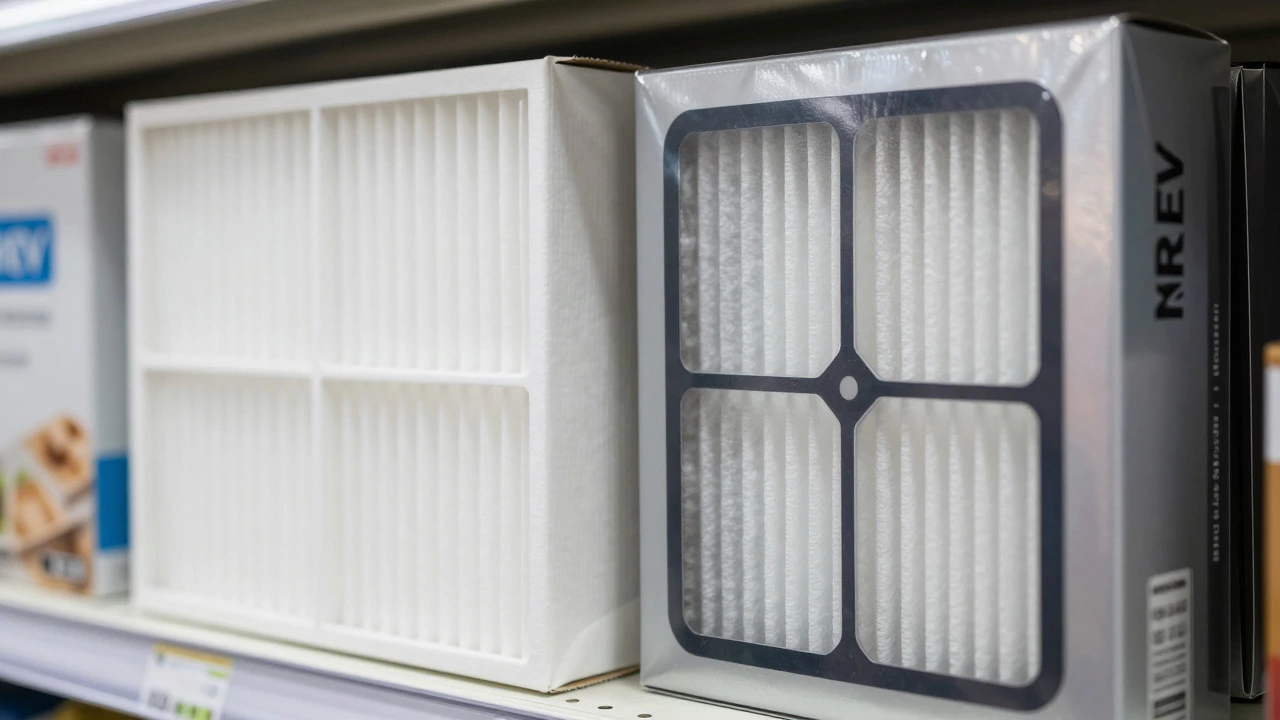
You’ve probably stood in the aisle of a hardware store, staring at two boxes that look almost identical. One costs $12, the other $45. Both claim to keep your home clean. Does the price tag actually matter, or are you just paying for a better logo? The short answer is yes, there is a significant difference, but it’s not always about what you think.
The core difference lies in filtration efficiency and material density. A cheap filter usually uses loose fiberglass or thin paper pleats designed to catch only large particles like dust bunnies and pet hair. An expensive filter, often labeled with a higher MERV Minimum Efficiency Reporting Value, a scale from 1 to 16 that measures how well a filter captures airborne particles rating, traps microscopic allergens, pollen, and even some viruses. If you have allergies or asthma, that price gap pays for itself in fewer sneezing fits and less medication.
Understanding the MERV Scale and What It Means for Your Wallet
To make sense of the price jump, you need to understand the metric driving it: the MERV rating. This isn’t marketing fluff; it’s a standardized test result. A MERV 8 filter (the standard white box found in most homes) captures 70% of particles between 3 and 10 microns. That’s good for general housekeeping. But a MERV 13 filter captures 85% of those same particles and significantly more smaller ones.
Here is where the cost comes in. To achieve that higher capture rate, manufacturers must pack the filter media tighter. More material means higher production costs. Additionally, high-MERV filters create more resistance to airflow. To prevent your HVAC system from working too hard, they often use advanced pleating designs that require precision manufacturing. So, when you pay extra, you are paying for denser materials and engineering that allows your fan to push air through without burning out.
| Filter Type | Avg. Cost (16x20) | MERV Rating | Best For | Lifespan |
|---|---|---|---|---|
| Fiberglass Pleated | $8 - $15 | 1-4 | Basic dust removal | 1 month |
| Polymer Pleated | $15 - $25 | 8-11 | Allergies, pets | 3 months |
| HEPA / High-MERV | $40 - $80+ | 13-16 | Asthma, severe allergies, smoke | 6-12 months |
The Hidden Cost of Cheap Filters: System Strain
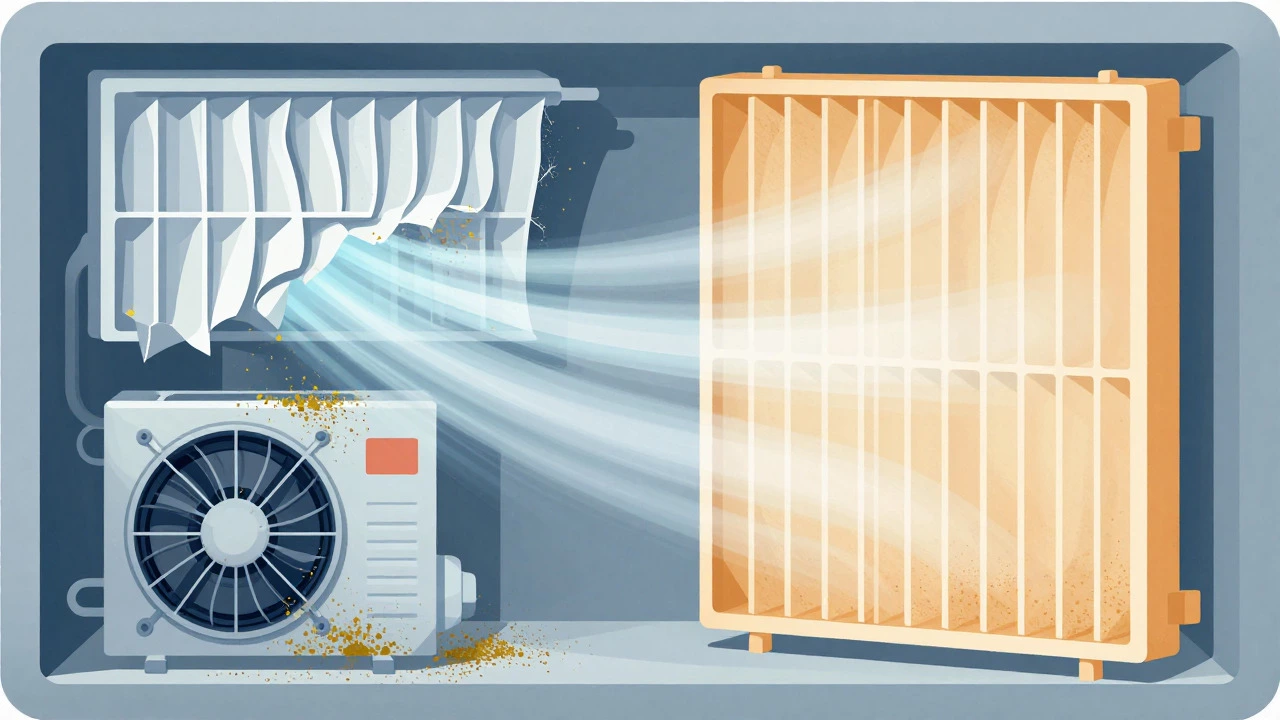
It seems counterintuitive, but the cheapest filters can sometimes be the most expensive in the long run. Low-quality fiberglass filters often shed tiny fibers into your ductwork. These fibers don’t just float around; they settle on your blower motor and coil fins. Over time, this buildup acts like insulation, preventing heat exchange. Your air conditioner runs longer to reach the set temperature, driving up your electricity bill.
Furthermore, cheap filters degrade faster. Because the media is thinner, it clogs quickly. If you forget to check them every four weeks, they become solid blocks of dirt. When the airflow is restricted, your HVAC compressor works under higher pressure. In extreme cases, this leads to premature failure. Replacing a compressor costs thousands, whereas replacing a premium filter costs tens. The math favors the pricier option if you value system longevity.
When You Actually Need the Expensive Option
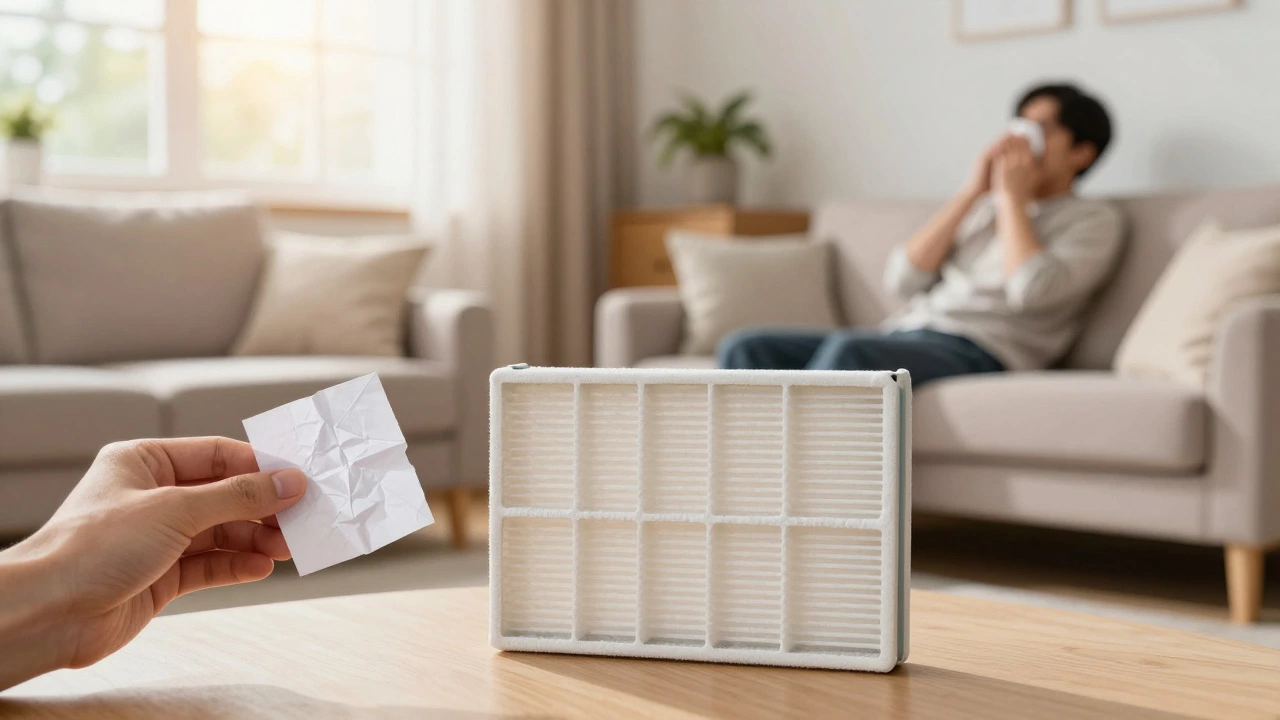
Do you need a $60 filter if you live in a rural area with low traffic and no pets? Probably not. A standard MERV 8 filter will do the job fine. However, specific scenarios demand the upgrade. If you suffer from seasonal allergies, the difference between catching 70% and 90% of pollen grains is the difference between a clear head and a congested one. Similarly, if you have pets that shed heavily, the dander particles are small enough to slip through basic filters but get trapped by high-density media.
Another key factor is local air quality. If you live near a highway or in an urban center with high particulate matter, a higher-rated filter protects your lungs from external pollutants entering through windows or vents. For households with smokers, a MERV 13 or higher filter helps reduce secondhand smoke residue that settles on furniture and walls.
Installation and Fit: Where Quality Shows
One subtle but critical difference is the frame construction. Cheap filters often use cardboard frames that warp in humid climates. Once warped, the seal against the filter slot breaks. Unfiltered air bypasses the media entirely, rendering the filter useless regardless of its MERV rating. Premium filters use rigid plastic or metal frames that maintain their shape for years. This ensures that 100% of the air passing through the unit actually goes through the filtering media.
Also, consider the pleat depth. Deep-pleated filters offer more surface area, meaning they last longer before clogging. A cheap shallow-pleat filter might clog in three weeks, requiring frequent replacements. A deep-pleat premium filter might last three months. Even if the upfront cost is higher, the total annual cost of ownership can be lower because you’re buying less frequently and using less energy due to consistent airflow.
Myths About Expensive Air Filters
A common myth is that the highest MERV rating is always best. This is false. Going above MERV 13 in a standard residential HVAC system can restrict airflow so much that the system struggles. This can lead to frozen evaporator coils or tripped breakers. Always check your manufacturer’s recommendation. Most modern systems handle MERV 11-13 efficiently. Jumping straight to MERV 16 without checking compatibility is a mistake that wastes money and hurts performance.
Another myth is that you can wash and reuse any filter. While some premium washable filters exist, most disposable filters-cheap or expensive-are not designed for washing. Water damages the electrostatic charge or bonding agents in the media, reducing efficiency. Stick to the replacement schedule printed on the box.
How to Choose the Right Filter for Your Home
Start by identifying your primary goal. Is it basic dust control, allergy relief, or smoke reduction? Match that goal to the appropriate MERV rating. Next, measure your current filter size. Standard sizes include 16x20x1 and 20x25x1. Ensure the new filter matches these dimensions exactly. Finally, compare the cost per month. Divide the price by the expected lifespan. A $15 filter lasting one month costs $15/month. A $45 filter lasting six months costs $7.50/month. The "expensive" filter is actually cheaper over time.
- Check the MERV rating: Aim for 8-11 for general use, 13 for allergies.
- Verify frame integrity: Look for rigid frames that won't warp.
- Calculate monthly cost: Price divided by lifespan in months.
- Respect airflow limits: Don't exceed the MERV rating recommended by your HVAC installer.
Ultimately, the difference between cheap and expensive air filters is a trade-off between immediate savings and long-term health and system efficiency. For most homeowners, stepping up from the absolute cheapest option to a mid-range or high-efficiency filter offers the best balance of cost, comfort, and equipment protection.
What is the main difference between cheap and expensive air filters?
The main difference is filtration density and material quality. Expensive filters have higher MERV ratings, capturing smaller particles like pollen and bacteria, while cheap filters only catch large dust and debris. They also typically feature stronger frames and longer lifespans.
Are high-MERV filters bad for my AC system?
Not necessarily, but only if they are too dense. Using a filter with a MERV rating higher than your system's capacity can restrict airflow, causing strain on the compressor. Most residential systems handle MERV 11-13 well, but always check your manual before going higher.
How often should I replace a cheap versus expensive filter?
Cheap fiberglass filters should be replaced every 30 days. Mid-range pleated filters last about 90 days. High-efficiency or HEPA-style filters can last 6 to 12 months depending on usage and air quality. Always inspect visually; if it looks dark gray, it's time to swap it.
Does a more expensive filter improve indoor air quality significantly?
Yes, for specific pollutants. If you suffer from allergies, asthma, or sensitivity to smoke, a high-MERV filter reduces the concentration of airborne triggers significantly. For people without sensitivities, the improvement may be imperceptible, but the system still benefits from cleaner coils and motors.
Can I wash and reuse an expensive air filter?
Only if the packaging explicitly says "washable." Most disposable filters, regardless of price, lose their effectiveness when wet. Washing can collapse the pleats or strip electrostatic charges. Unless specified by the manufacturer, treat all filters as single-use.



Write a comment