Everything You Need to Know About Spark Plugs
If you’ve ever wondered why your car sometimes feels sluggish or why the engine makes a strange rattling noise, the answer often lies in the spark plugs. These small metal pieces fire the fuel‑air mixture in each cylinder, and when they’re healthy, the engine runs smooth and efficient. In this guide we’ll cover why spark plugs matter, the signs they need attention, and how to replace them yourself.
Why Spark Plugs Matter
Think of spark plugs as the heartbeats of your engine. Each time a plug sparks, it ignites the mixture that pushes the piston down. A healthy spark means maximum power, better fuel economy, and lower emissions. When a plug wears out, the spark weakens, causing misfires, rough idling, and a drop in acceleration. In extreme cases a bad plug can even prevent the car from starting.
Modern cars use iridium or platinum plugs that last longer than the older copper types. However, even the best plugs have a lifespan—typically between 30,000 and 100,000 miles depending on driving habits and engine design. Heat, oil fouling, and poor fuel quality are the main culprits that shorten plug life.
When & How to Replace Spark Plugs
Spotting a failing plug early saves money and headaches. Look out for these symptoms:
- Engine sputters or hesitates during acceleration.
- Rough idle or frequent stalling.
- Check‑engine light flashes, especially code P0300‑P0306.
- Decrease in fuel mileage.
- Visible cracks, carbon deposits, or oil on the plug tip.
If you notice any of these, grab a socket set and replace the plugs. Here’s a quick step‑by‑step:
- Let the engine cool for at least 15 minutes.
- Disconnect the battery’s negative terminal (optional but safe).
- Remove the spark plug wires or coil packs—watch the order so you can put them back correctly.
- Use a spark plug socket and ratchet to loosen each plug. Turn counter‑clockwise and pull out gently.
- Check the gap on the new plug with a feeler gauge. Most modern plugs come pre‑gapped, but it’s worth confirming.
- Apply a small amount of anti‑seize compound to the plug threads (only if the manufacturer recommends it).
- Screw the new plug in by hand to avoid cross‑threading, then tighten with the socket to the torque spec—usually around 13‑18 ft‑lb.
- Reconnect the wires or coil packs in the same order you removed them.
- Reconnect the battery, start the engine, and listen for a smooth idle.
The whole process takes roughly 30‑45 minutes for a four‑cylinder engine and a little longer for V‑6 or V‑8 layouts. No special tools beyond a socket set are needed, making it a perfect DIY job.
After replacement, you’ll likely notice a perkier throttle response, a steadier idle, and maybe even a few extra miles per gallon. That’s the real payoff—better performance without spending a fortune on a mechanic.
Remember, regular checks are key. Flip your engine’s maintenance schedule to include spark plug inspections every 30,000 miles, or follow the manufacturer’s recommendation. A quick visual check during oil changes can catch fouling before it turns into a costly misfire.
So the next time your car feels off, think about the spark plugs. They’re cheap, easy to replace, and can make a huge difference. Keep them clean, replace them on schedule, and enjoy a smoother ride.

Can I Replace Spark Plugs Myself? A DIY Guide for 2026
Learn if you can replace spark plugs yourself. Discover essential tools, step-by-step instructions, and common mistakes to avoid for a successful DIY engine tune-up.
CONTINUE READING
Will New Spark Plugs Improve Starting? What Actually Fixes Hard Starts
Discover if new spark plugs really fix hard starting. Learn to diagnose battery, fuel, and sensor issues before spending money on unnecessary replacements.
CONTINUE READING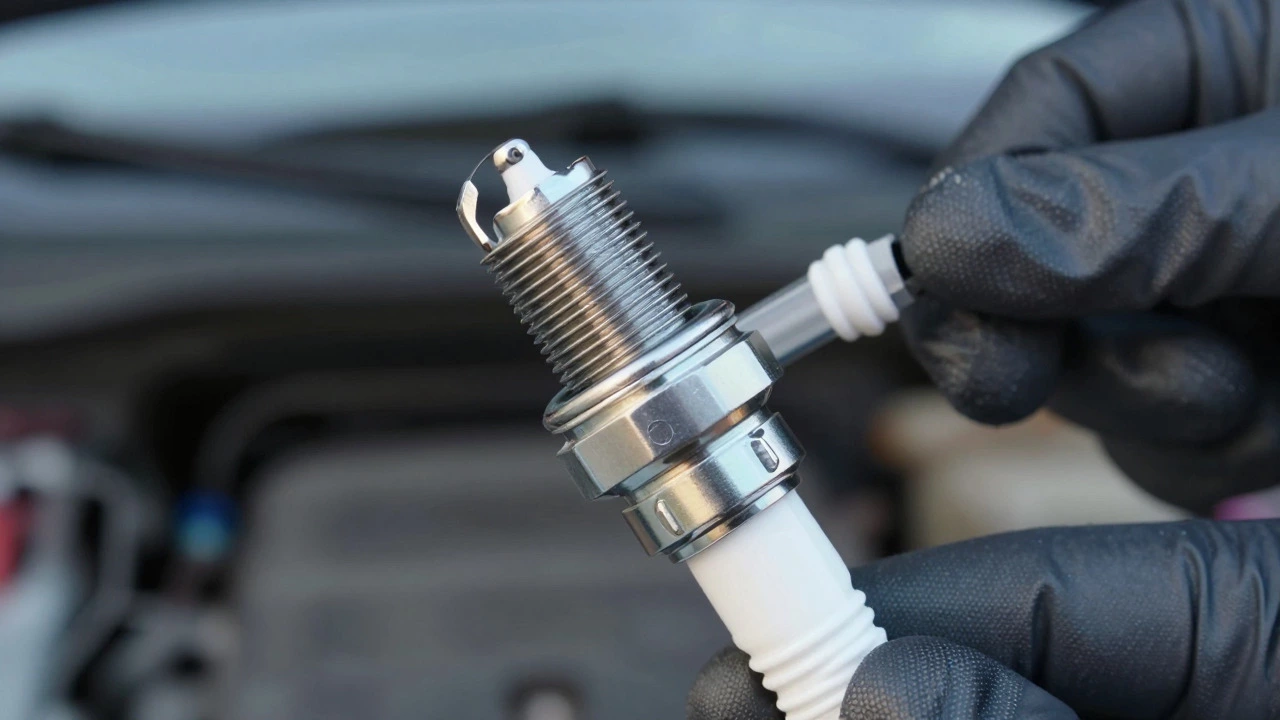
Do Spark Plugs Add Horsepower? The Truth About Engine Performance
Find out if new spark plugs really add horsepower or just restore lost performance. Learn how ignition quality affects engine efficiency, fuel economy, and overall drivability.
CONTINUE READING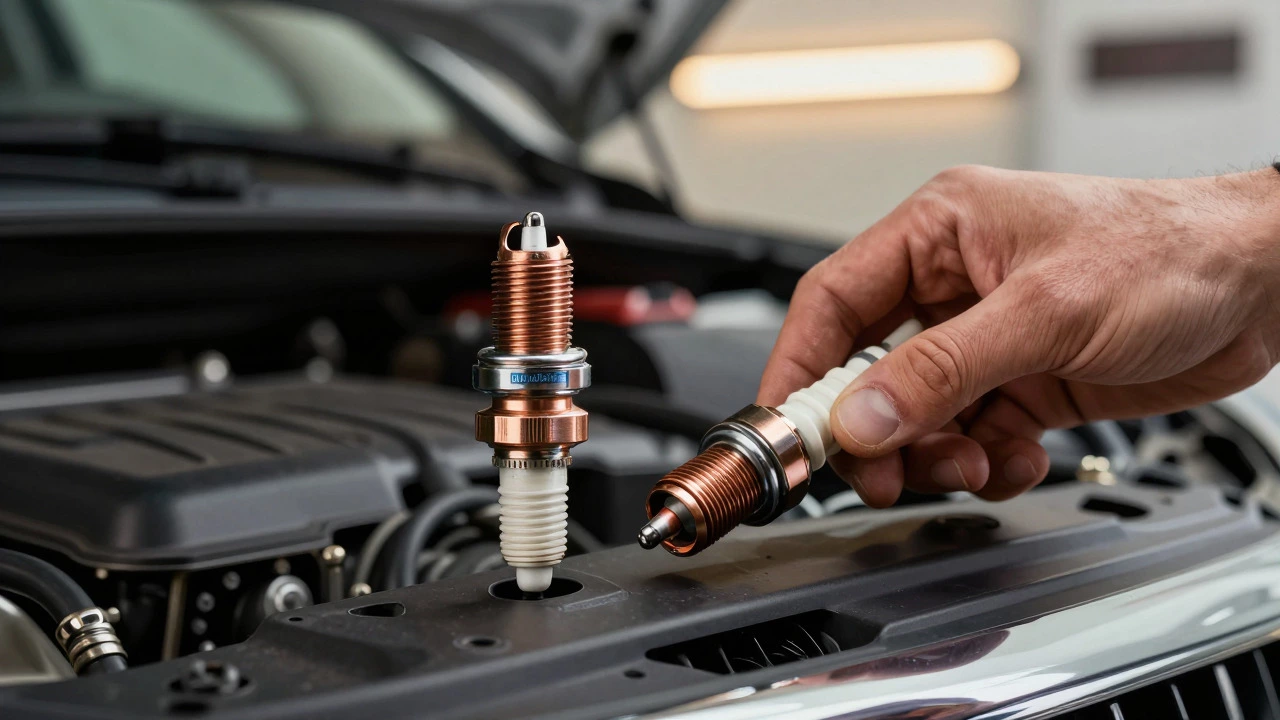
How Often Should Spark Plugs Be Changed? The Complete Guide
Discover exactly how often to change spark plugs based on material type. Learn signs of wear, DIY tips, and why neglecting them can cost you thousands in engine damage.
CONTINUE READING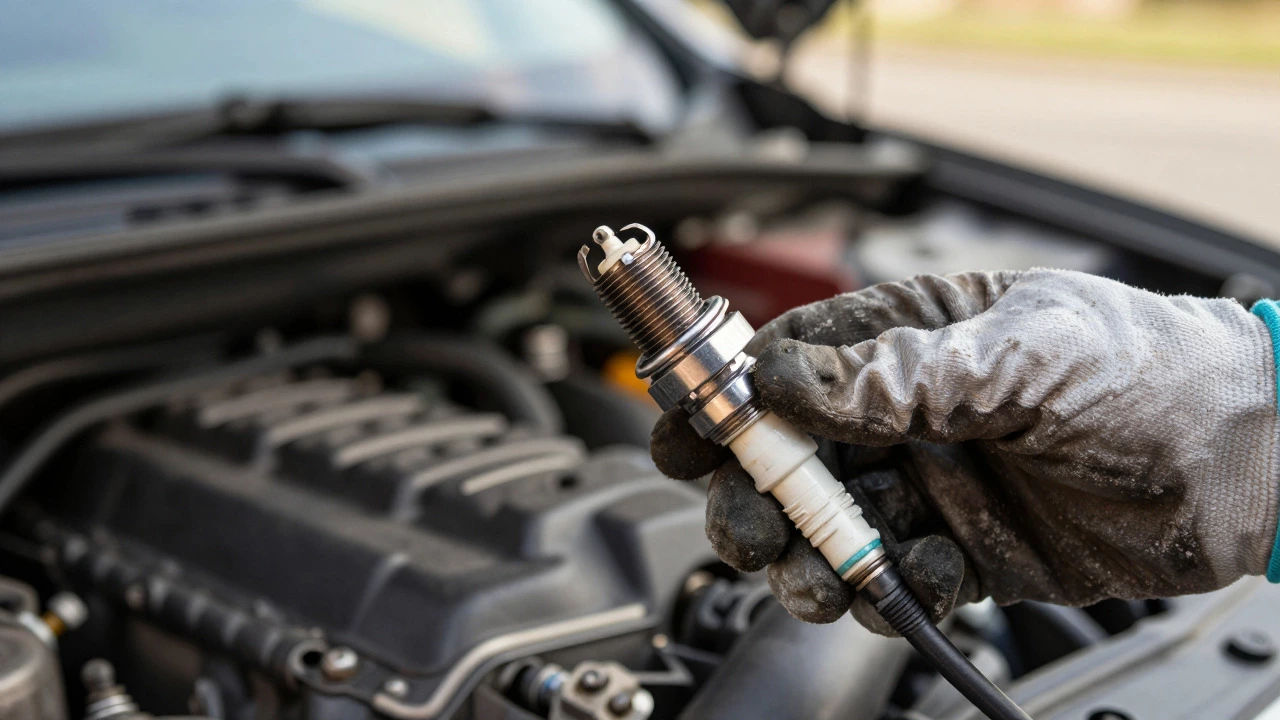
Can Bad Spark Plugs Destroy Your Engine? The Real Risks Explained
Discover if bad spark plugs can truly destroy your engine. Learn about misfires, catalytic converter risks, and how to prevent costly engine damage.
CONTINUE READING
How to Tell When Spark Plugs Need Replacement: Signs, Symptoms & Tips
Learn how to spot worn spark plugs before they ruin your engine. Recognize misfires, poor fuel economy, and hard starting. See visual guides and replacement tips.
CONTINUE READING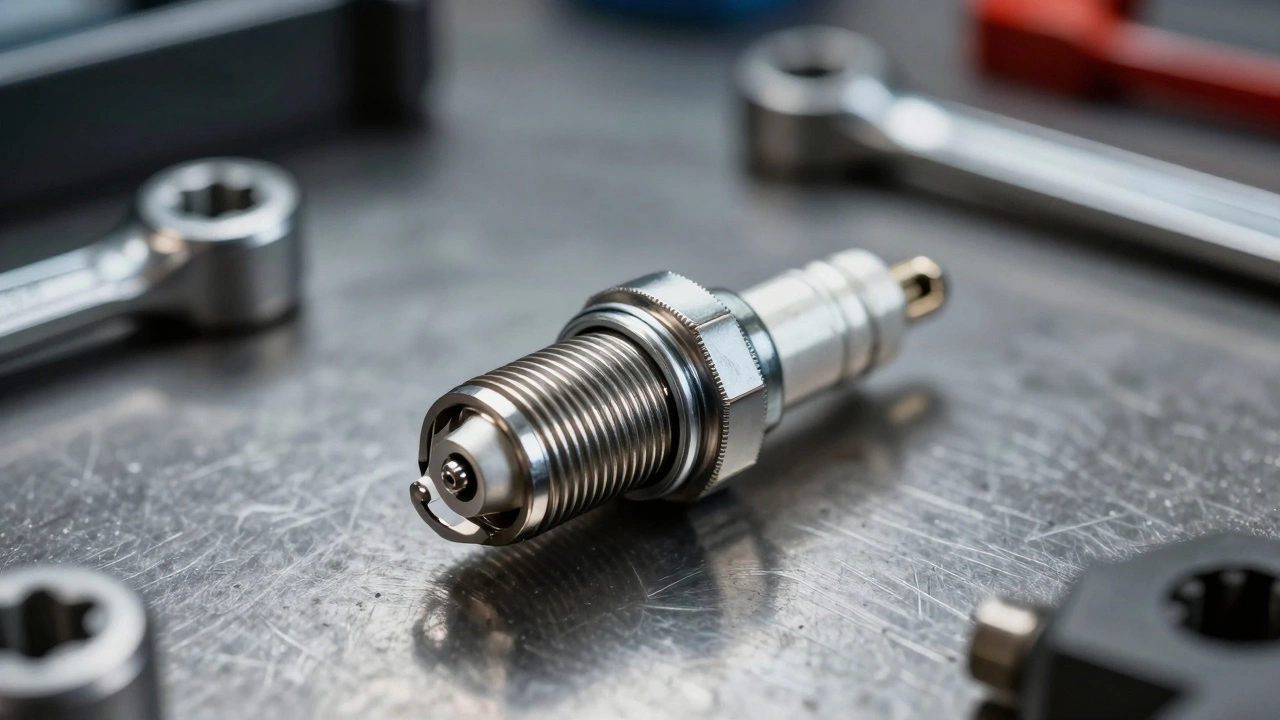
What Is the Life of Spark Plugs? Lifespan, Signs & Replacement Guide
Discover how long spark plugs last, signs of wear, and when to replace them. Learn about copper, platinum, and iridium types to keep your engine running efficiently.
CONTINUE READING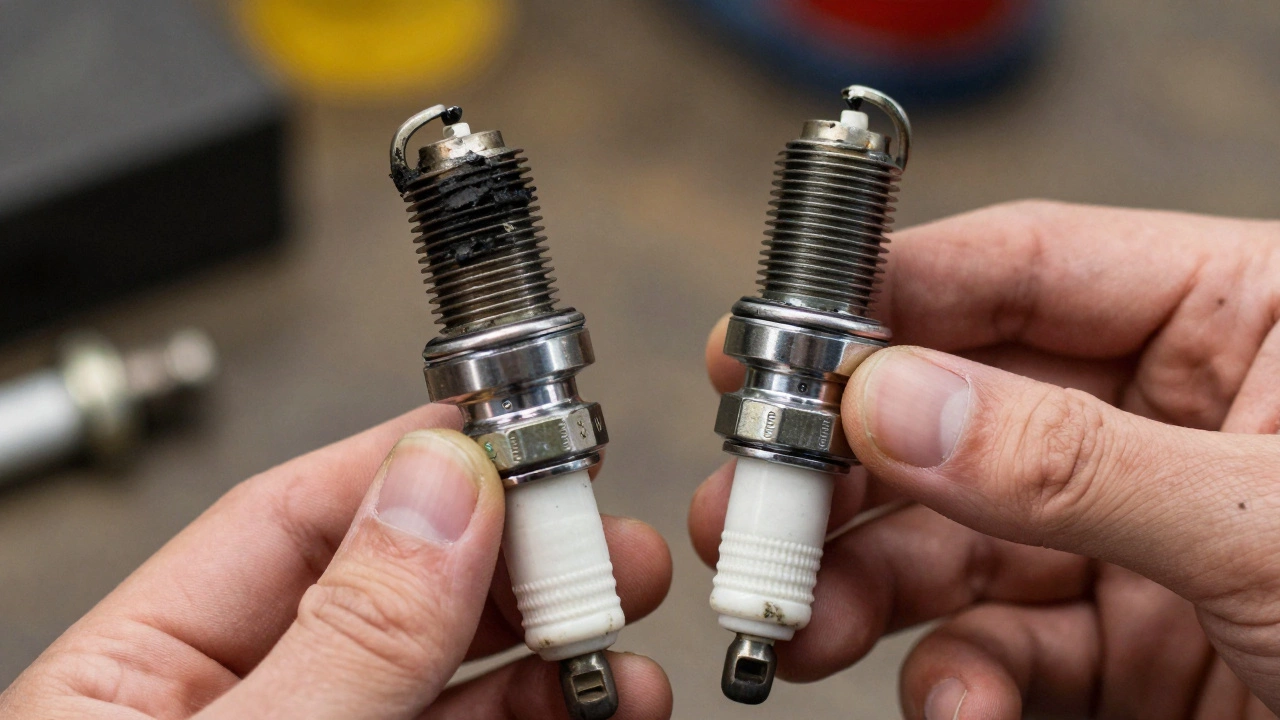
Can You Feel the Difference with New Spark Plugs? Real-World Performance Changes
Discover if new spark plugs really make a difference. We explore real-world changes in engine performance, fuel efficiency, and throttle response, helping you decide if a replacement is worth it.
CONTINUE READING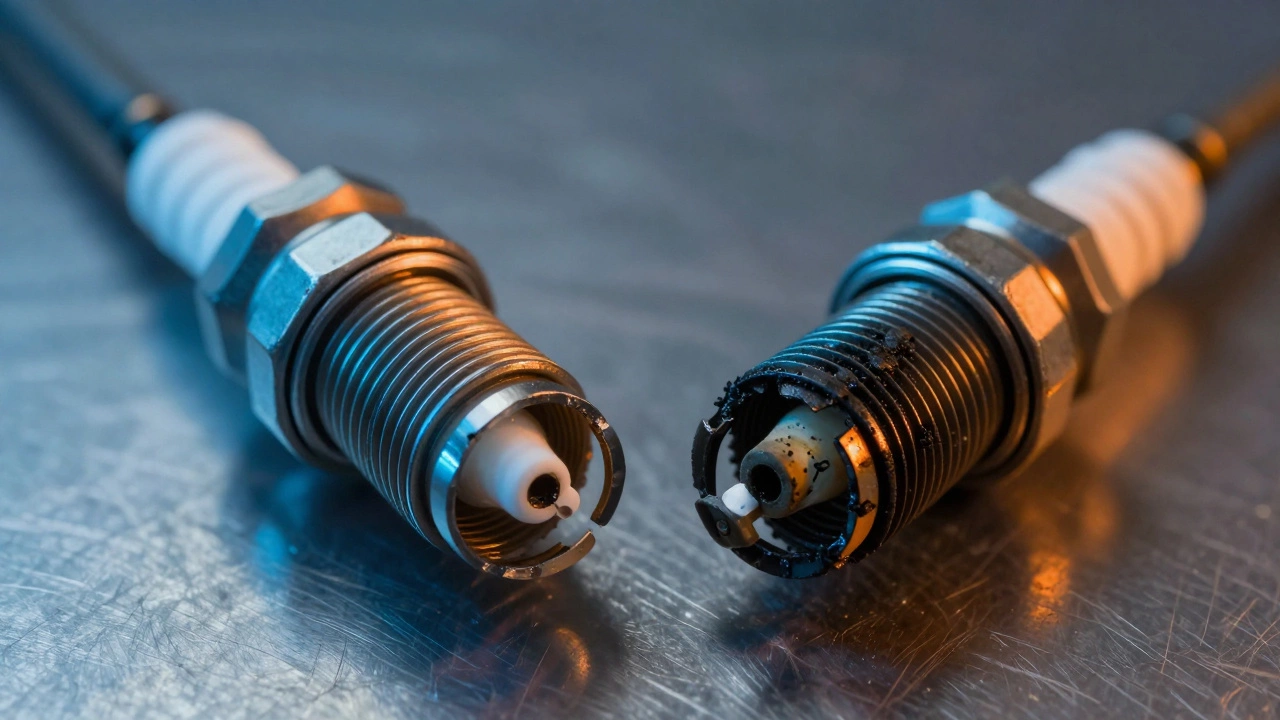
New vs. Old Spark Plugs: Why Fresh Plugs Win Every Time
Discover why new spark plugs outperform old ones, improving fuel economy, engine performance, and preventing costly repairs like catalytic converter damage.
CONTINUE READING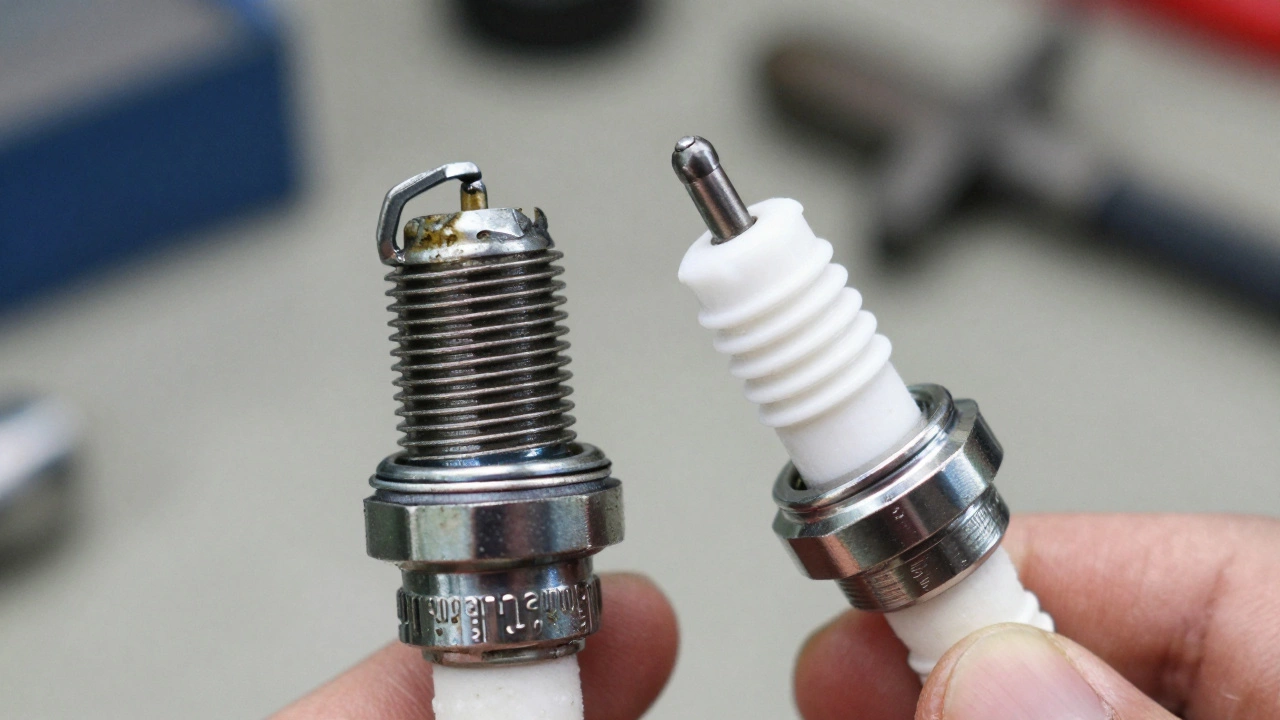
Do New Spark Plugs Actually Make Your Engine Run Better?
Discover if new spark plugs actually improve engine performance, fuel efficiency, and acceleration, and learn how to choose the right materials for your car.
CONTINUE READING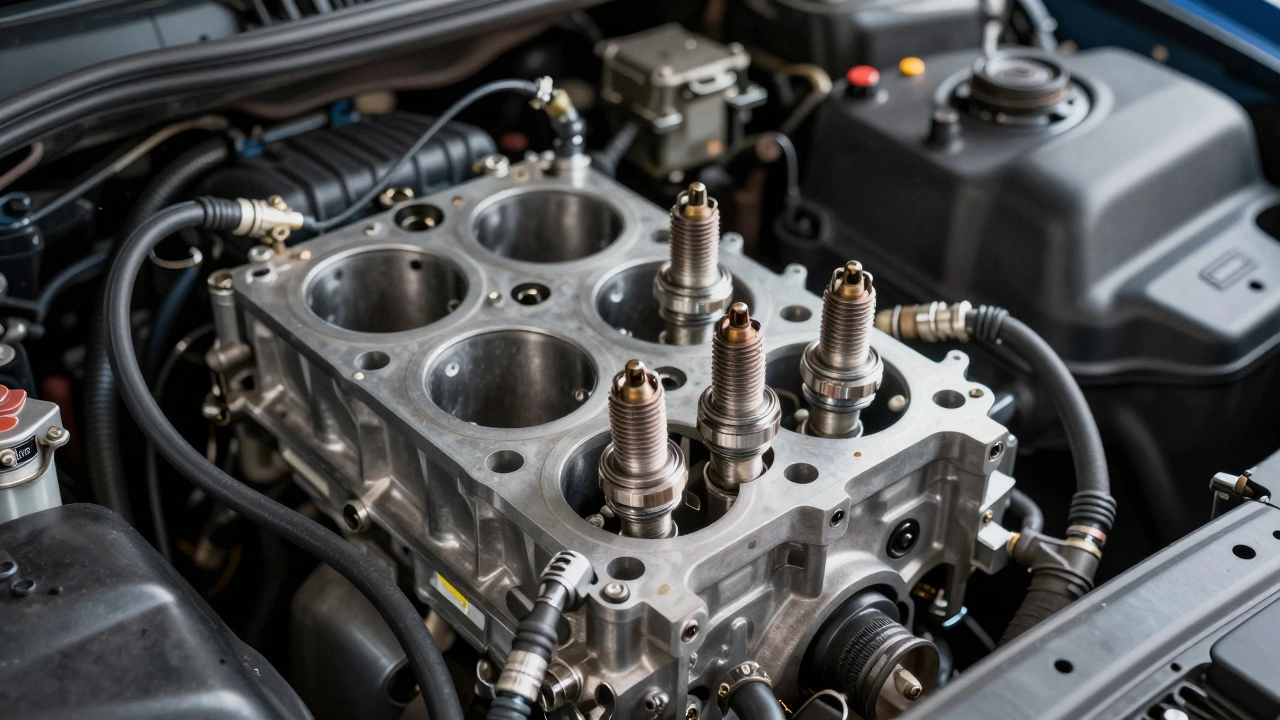
How Many Spark Plugs Are in a Car? A Simple Guide for Every Driver
Most cars have one spark plug per cylinder, so a 4-cylinder engine has four plugs, and a V8 has eight. Some performance engines use two per cylinder, but diesel engines have none. Learn how to find the right count for your car and when to replace them.
CONTINUE READING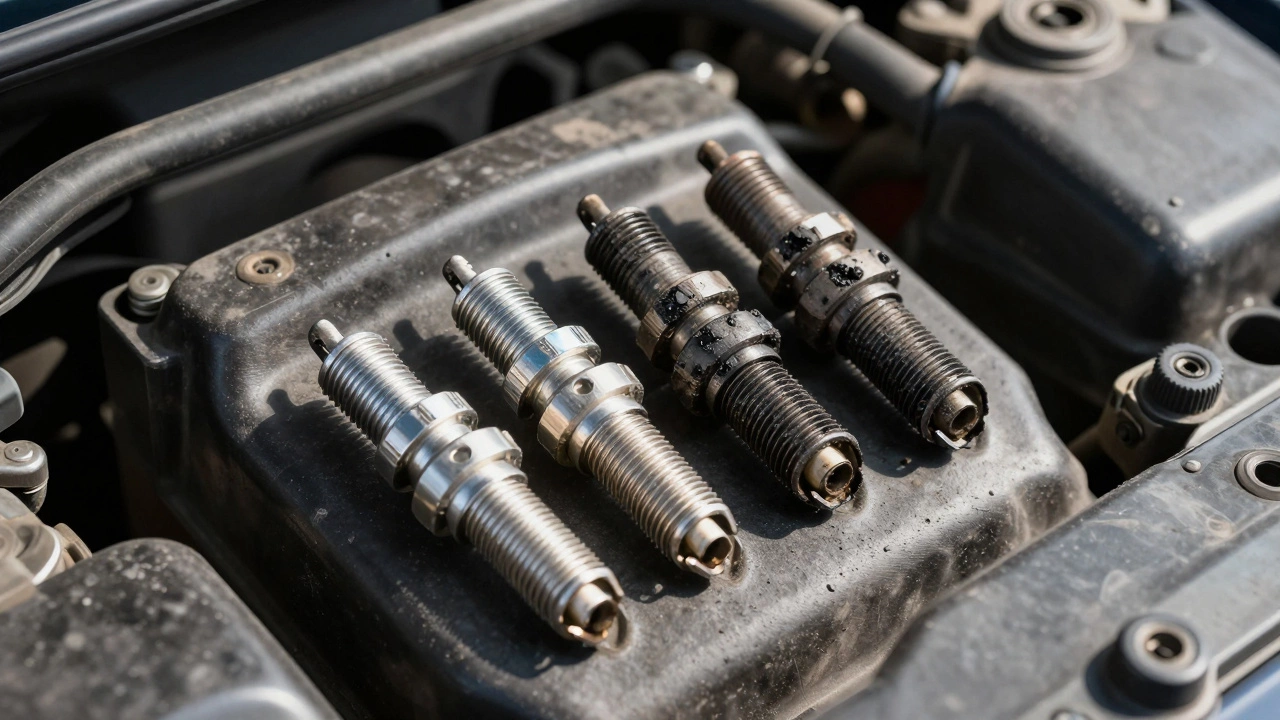
Is It OK to Change Only Some Spark Plugs? Here's What Really Happens
Replacing only some spark plugs might seem like a cost-saving move, but it often leads to uneven engine performance, higher long-term costs, and potential damage. Here's why replacing the full set is the only smart choice.
CONTINUE READINGRECENT POSTS
-

Windscreen Wiper vs Windshield Wiper: Which Term Is Correct?
Confused by 'windscreen' vs 'windshield'? Learn the regional differences in car terminology, why they exist, and how to buy the right wiper parts globally.
-

Michelin Wiper Blades: Silicone vs Rubber Explained
Confused about Michelin wiper blades? Learn the difference between their standard rubber and premium silicone options. Discover which material suits your climate and driving habits.
-
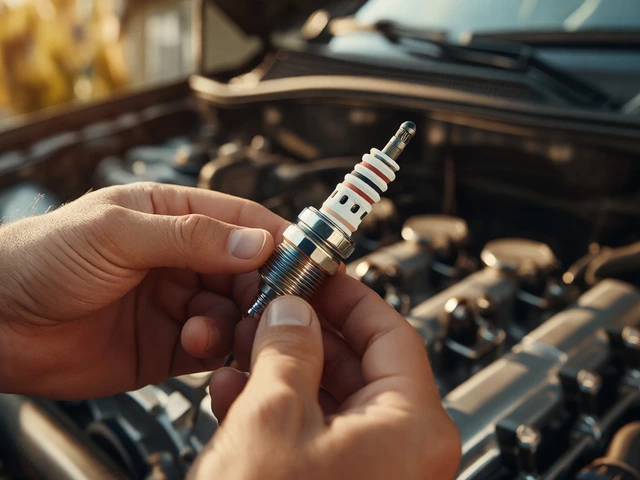
Can I Replace Spark Plugs Myself? A DIY Guide for 2026
Learn if you can replace spark plugs yourself. Discover essential tools, step-by-step instructions, and common mistakes to avoid for a successful DIY engine tune-up.
-
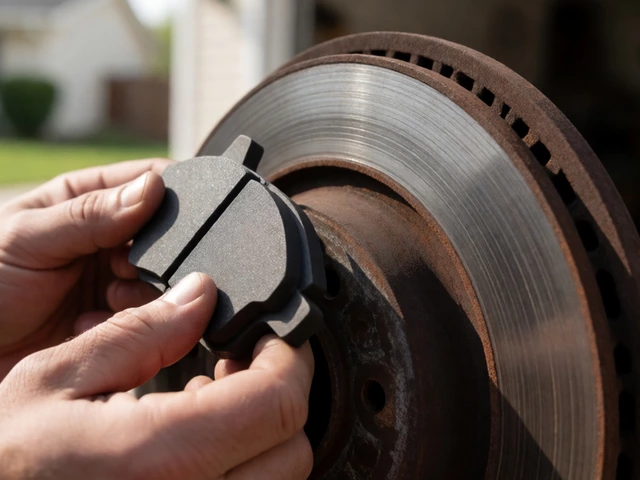
Replacing Brake Pads Without Turning Rotors: Risks and Best Practices
Discover if you can skip rotor resurfacing when changing brake pads. We analyze risks, costs, and best practices for safe braking.
-

Will New Spark Plugs Improve Starting? What Actually Fixes Hard Starts
Discover if new spark plugs really fix hard starting. Learn to diagnose battery, fuel, and sensor issues before spending money on unnecessary replacements.