Brake Pad Lifespan Estimator
Select your profile and click calculate to see your estimated brake pad lifespan range.
There is no single calendar date that tells you when your brake pads are the friction material pressed against the rotor to stop a vehicle. You might drive 30,000 miles in heavy city traffic and need new ones, while another driver goes 70,000 miles on open highways with the same parts. Ignoring this variability can lead to costly damage or worse, a failure to stop safely.
The short answer? Most drivers should inspect their brakes every 12,000 miles and expect replacement between 30,000 and 70,000 miles. But relying solely on mileage is risky. Your driving habits, the type of car you own, and even the climate you live in dictate how fast those pads wear down. Let’s break down exactly what determines that number and how to spot trouble before it becomes an emergency.
Understanding Brake Pad Lifespan Variables
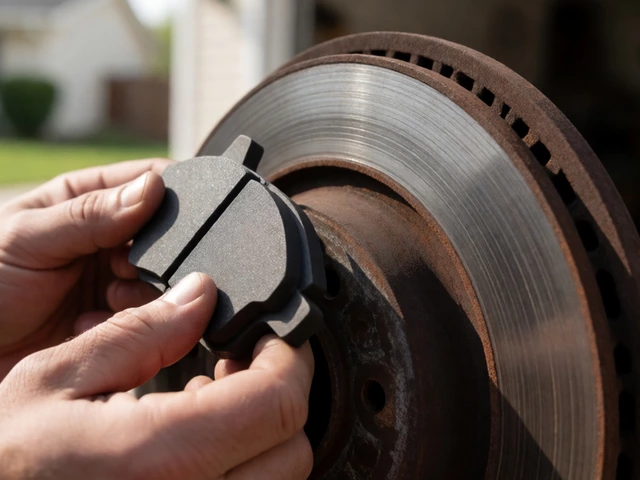
To figure out your specific replacement window, you first need to understand what eats away at brake pads. It isn’t just time; it’s heat and friction. Every time you press the pedal, the brake caliper squeezes the metal housing that holds the brake pads against the rotor (also known as the brake disc). This friction converts kinetic energy into heat, slowing the wheel.
Several factors accelerate this wear:
- Driving Environment: City driving involves constant stopping and starting. A commute filled with red lights and stop signs wears pads much faster than cruising on a highway where you rarely touch the brakes.
- Vehicle Weight: Heavier vehicles like SUVs and trucks require more force to stop. This puts additional strain on the braking system, causing pads to thin out quicker than in a compact sedan.
- Payload and Towing: If you regularly haul heavy cargo or tow trailers, your brakes work overtime. The extra mass increases the heat generated during stops, which can glaze or crack pads prematurely.
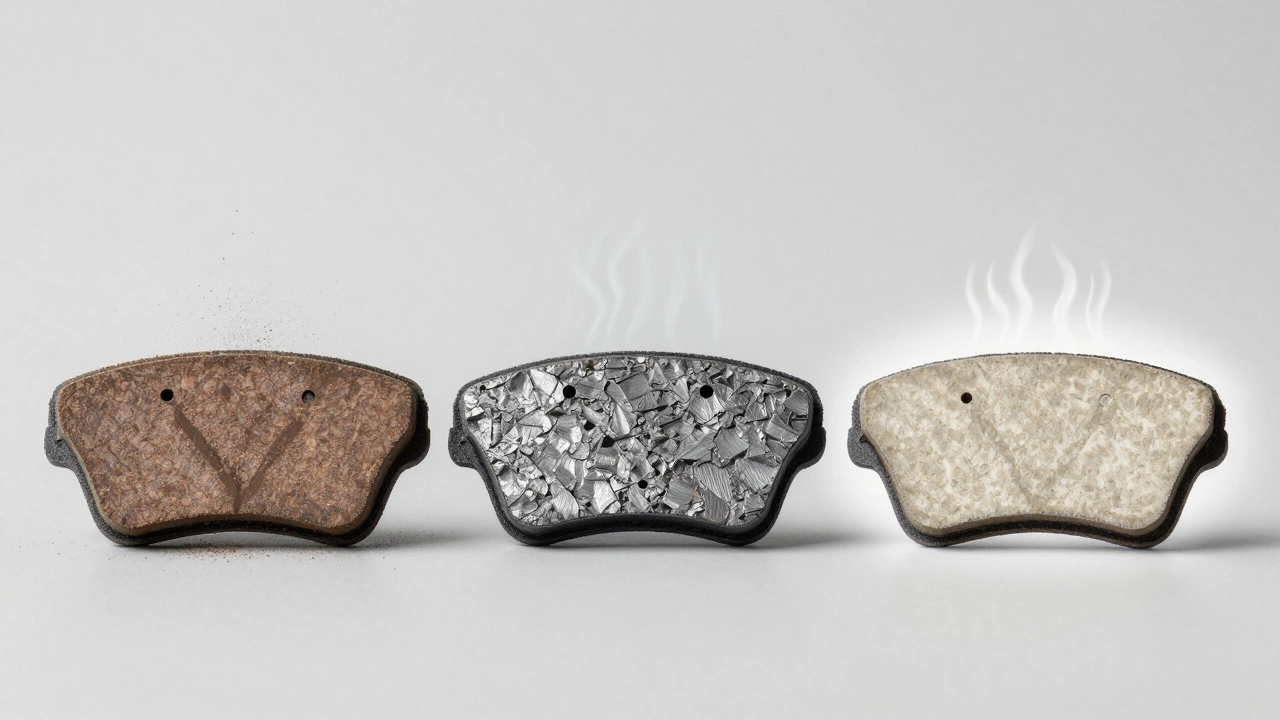
- Pad Material: Not all brake pads are created equal. Organic pads are softer and quieter but wear faster. Semi-metallic pads last longer but can be noisy. Ceramic pads offer a balance of longevity and low dust but often cost more upfront.
If you drive a small hatchback in a rural area, you might push toward the 70,000-mile mark. Drive a heavy truck in a dense urban center, and you could be replacing them every 25,000 miles. Knowing your specific context helps you estimate your personal timeline.
Signs That Your Brake Pads Need Replacement
Mileage is a guideline, but your car will give you physical clues long before the odometer hits a magic number. Learning to recognize these signs can save you from damaging the rotors or getting stranded.
Squealing or Screeching Noises Many modern brake pads come with a built-in wear indicator-a small metal tab designed to touch the rotor when the pad material gets too thin. When this happens, it creates a high-pitched squeal. This is not a malfunction; it’s a warning system. Ignore it, and you risk grinding the metal backing plate directly against the rotor, which requires expensive rotor resurfacing or replacement.
Groaning or Grinding Sounds If the squeal turns into a deep groan or a harsh grinding noise, the situation is urgent. This usually means the brake pad material is completely gone, and metal is rubbing against metal. At this stage, immediate attention is required to prevent catastrophic failure of the braking system.
Vibration in the Steering Wheel or Pedal While vibration often points to warped rotors, it can also indicate uneven brake pad wear. If one side of the caliper sticks or doesn’t release properly, it causes uneven pressure. This leads to pulsating sensations when you brake, especially at higher speeds.
Reduced Responsiveness Do you find yourself pressing harder to achieve the same stopping power? Or does the car feel like it’s drifting slightly to one side when you brake? These are signs that your pads are worn down or that the brake fluid is compromised. A spongy pedal feel often indicates air in the lines or failing master cylinder, but reduced bite is frequently linked to glazed or thin pads.
Visual Inspection You don’t need a lift to check your pads. Look through the spokes of your wheels. You should see a layer of friction material on the pads, typically about 1/4 inch thick. If you see only the metal backing plate or if the pad looks thinner than a dime, it’s time for a replacement. Many mechanics recommend replacing them when they hit 1/8 inch (3mm) to stay safe.
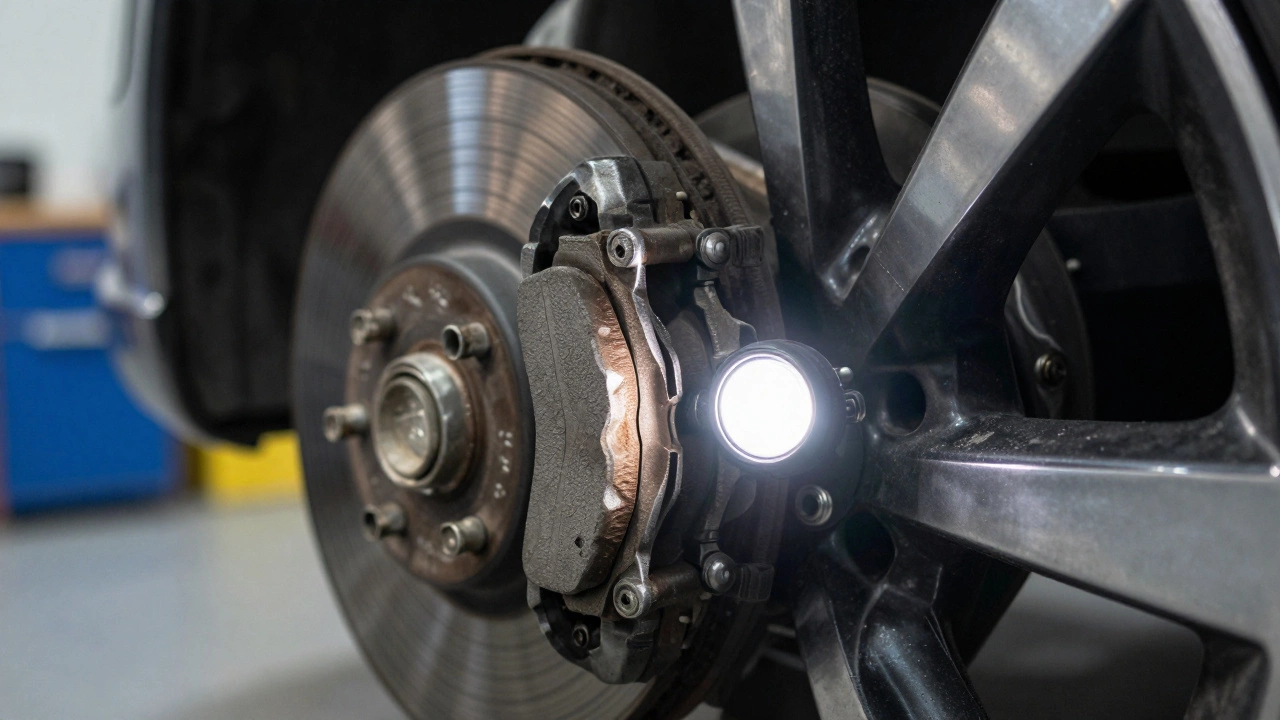
DIY Inspection: How to Check Your Brakes
You don’t have to wait for a mechanic to tell you your brakes are dying. A quick visual check takes five minutes and requires nothing more than a flashlight.
- Park on a Level Surface: Ensure the car is off and the parking brake is engaged.
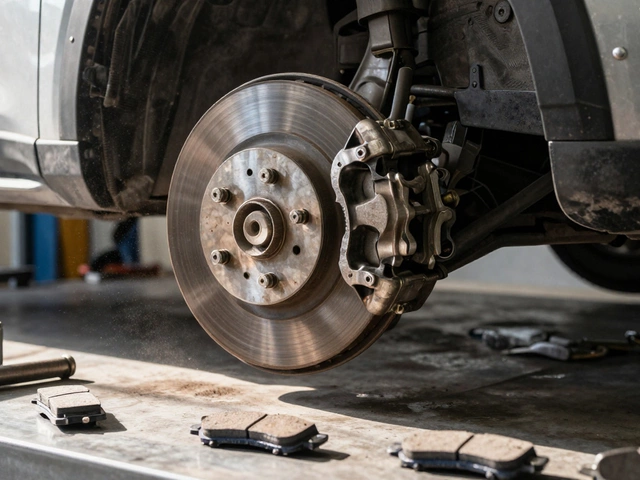
- Locate the Brake Caliper: Look through the wheel spokes. Find the rotor (the shiny metal disc) and the caliper assembly sitting on top of it.
- Examine the Pad Thickness: Shine your light on the gap between the caliper and the rotor. You’ll see the brake pad sandwiched in between. Measure the thickness of the friction material.
- Check for Even Wear: Look at both the inner and outer pads. They should be roughly the same thickness. Significant difference suggests a sticking caliper piston.
- Inspect the Rotor: While you’re there, look at the rotor surface. It should be smooth. Deep grooves or rust spots indicate it may need resurfacing or replacement along with the pads.
If you’re unsure about what you’re seeing, take a photo and show it to a trusted mechanic. Better yet, make it a habit to check your tires and brakes simultaneously during tire rotations.
Brake Pad Materials: Which Lasts Longest?
The type of brake pad installed significantly impacts longevity and performance. Understanding the trade-offs helps you choose the right upgrade during replacement.
| Type | Lifespan | Noise Level | Dust Production | Best For |
|---|---|---|---|---|
| Organic (NAO) | Low (20k-30k miles) | Quiet | High | Light daily driving, older cars |
| Semi-Metallic | Medium-High (40k-60k miles) | Noisy | Medium | Towing, heavy loads, performance |
| Ceramic | High (50k-70k+ miles) | Very Quiet | Low | Daily commuters, luxury vehicles |
| Low-Metallic NAO | Medium (30k-40k miles) | Moderate | Medium | All-around use, moderate climates |
Ceramic pads are currently the gold standard for most passenger vehicles. They last longer than organic or semi-metallic options, produce less dust (keeping your wheels cleaner), and operate quietly. However, they perform poorly in extreme cold and are generally more expensive. Semi-metallic pads are tougher and handle heat better, making them ideal for towing or spirited driving, but they wear down the rotors faster and can be quite loud.
Cost of Replacement: DIY vs. Shop
Knowing when to replace is half the battle; knowing how much it costs helps you budget. Prices vary widely based on labor rates and part quality.
A typical brake pad job at a dealership or independent shop ranges from $150 to $300 per axle. This includes labor and mid-range OEM parts. Luxury brands or performance cars can easily exceed $500 per axle due to specialized calipers and premium ceramic materials.
If you opt for DIY, you can save significantly. A set of quality aftermarket brake pads costs between $30 and $80 per axle. You’ll need basic tools: a jack, jack stands, a lug wrench, a C-clamp or caliper compressor tool, and brake cleaner. The main hidden cost is time and potential mistakes. Improperly seated pads or contaminated rotors can lead to dangerous braking issues. If you’ve never done it, consider watching a detailed tutorial specific to your vehicle model first.
Always replace brake pads in pairs (both front or both rear). Never replace just one side, as this creates uneven braking forces that can pull the vehicle to one side during emergency stops.
Maintenance Tips to Extend Brake Life
You can’t stop wear entirely, but you can slow it down. Simple driving adjustments make a noticeable difference.
Engine Braking: When going downhill or approaching a stop, ease off the gas early and let the engine slow the car down. Downshift in manual transmissions or use lower gears in automatics. This reduces reliance on the friction brakes, keeping them cooler and preserving pad material.
Avoid Riding the Brake: Keeping your foot lightly on the brake pedal while coasting causes constant friction and heat buildup. This glazes the pads, reducing their effectiveness and accelerating wear. Only apply the brake when you actually need to slow down.
Reduce Vehicle Weight: Clear out unnecessary items from your trunk. Carrying heavy gym bags, tools, or groceries constantly adds load to your suspension and brakes. Lighter cars stop easier and wear pads slower.
Regular Fluid Checks: Brake fluid absorbs moisture over time, which lowers its boiling point. Old fluid can lead to brake fade under heavy use. Flush your brake fluid every two years or 30,000 miles to maintain optimal hydraulic pressure and protect the master cylinder and calipers.
Beware of Stuck Calipers: If you notice burning smells or excessive heat from one wheel after driving, a caliper may be stuck. This drags the pad against the rotor continuously, destroying the pad and warping the rotor in minutes. Address this immediately.
When to Replace Rotors Along With Pads
Brake pads and rotors work together. Sometimes, replacing just the pads isn’t enough. You should replace rotors if:
- They Are Below Minimum Thickness: Each rotor has a stamped minimum thickness. If machining them would make them too thin, replace them.
- Visible Scoring: Deep grooves or ridges on the rotor surface won’t disappear with new pads. They’ll cause vibration and noise.
- Warpage: If you feel pulsation in the pedal that persists after new pads are installed, the rotors are likely warped from overheating.
- Rust Penetration: Surface rust is normal. Deep pitting or structural rust compromises integrity.
Many shops recommend replacing rotors every other time you change pads. This isn’t always necessary if the rotors are still within spec, but it ensures consistent braking performance and prevents future issues.
Can I drive with worn brake pads?
Technically yes, but it is dangerous. Driving with thin pads increases stopping distances and risks damaging the rotors. If the metal backing touches the rotor, you risk total brake failure. Replace them as soon as you notice warning signs.
How do I know if my brake pads are original equipment?
Most cars leave the factory with generic organic or low-metallic pads. They are designed for quiet operation and moderate wear. If you want better performance or longevity, upgrading to ceramic or semi-metallic pads during the first replacement is a smart move.
Why do my brakes squeak only when backing up?
This is common and usually harmless. When reversing, the angle of force changes, sometimes causing the wear indicator to rub lightly against the rotor even if the pads aren’t fully worn. If the squeak disappears when driving forward, your pads likely have some life left. Monitor them closely.
Does weather affect brake pad life?
Yes. Wet conditions can cause surface rust on rotors, leading to temporary noise and reduced grip until the rust clears. Extreme cold makes some pad materials less effective. Hot climates increase heat stress, potentially glazing pads faster. Always allow brakes to cool after hard stops.
Should I lubricate my brake pads?
Never lubricate the friction surface of the pad. Only apply high-temperature brake grease to the back of the pad where it contacts the caliper piston and to the shims. This prevents noise and binding. Use only products specifically rated for brake systems.



Write a comment