
Fuel Pump Risk Assessment Tool
Check the symptoms you are experiencing to determine if your fuel pump is likely failing and how urgent the repair is.
Assessment Results
Likelihood of Fuel Pump Failure
Low
Estimated Repair Cost Range
$0
Includes parts & labor estimates based on typical market rates.
Recommendation
You’re halfway to work, the highway stretches out before you, and suddenly your car starts sputtering. The acceleration feels sluggish, like it’s trying to run through mud. Your first thought? "Is this the fuel pump?" It’s a scary question because fuel pumps aren’t cheap, and nobody wants to be stranded on the side of the road. But here’s the real question: should I drive with a bad fuel pump?
The short answer is no-not if you can help it. But the long answer is more nuanced. Sometimes, you have to drive. Maybe you’re miles from home, or maybe the mechanic won’t open until Monday. In those cases, understanding exactly what’s happening under the hood can save you from turning a $200 repair into a $2,000 disaster. Let’s break down why this component matters, how to spot the signs early, and when pushing that gas pedal becomes a gamble with your wallet.
What Does a Fuel Pump Actually Do?
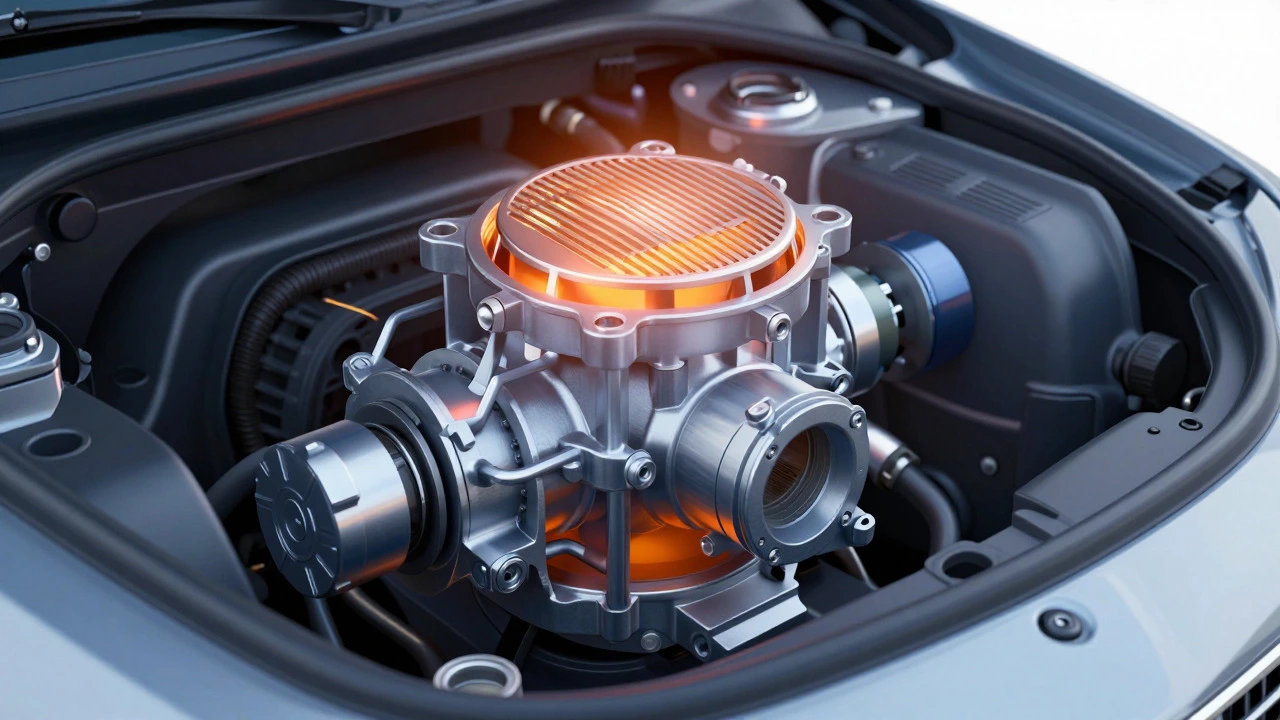
To understand the risk, you need to know the job. Think of the fuel pump as the heart of your vehicle’s circulatory system. Its sole purpose is to move gasoline from the tank to the engine at a specific pressure. Modern cars are picky eaters; they need a precise amount of fuel delivered at just the right time to burn efficiently. If the pressure drops, the mixture gets too lean (too much air, not enough gas), and the engine struggles. If it spikes, you might flood the engine.
Most modern vehicles use an electric fuel pump located inside the fuel tank. This placement isn’t random. The surrounding gasoline cools the pump and lubricates its internal parts. When the tank runs low, the pump sits higher above the fuel line, losing that cooling effect. This is why driving on an empty tank is hard on the pump-it overheats faster. Over time, wear and tear reduce its ability to maintain the necessary pressure, leading to the symptoms we’ll discuss next.
Top Signs You Have a Failing Fuel Pump
A bad fuel pump rarely dies instantly without warning. It usually sends distress signals first. If you notice any of these, don’t ignore them:
- Whining Noise: Listen closely when you turn the key to the "on" position (before starting the engine). A healthy pump makes a brief hum. A failing one often whines loudly or changes pitch.
- Engine Sputtering: Does the car jerk or hesitate while driving at high speeds? This often means the pump can’t keep up with demand during heavy acceleration.
- Loss of Power Under Load: Try climbing a hill or passing another car. If the RPMs climb but the speed doesn’t follow, the pump likely can’t deliver enough fuel volume.
- Hard Starting: If the engine cranks for a long time before firing, especially in hot weather, the pump may be struggling to build initial pressure.
- Stalling at High Temperatures: If the car stops running after sitting in traffic or on a hot day, the pump might be overheating.
These symptoms mimic other issues, like clogged injectors or dirty spark plugs, which is why diagnosis matters. However, if multiple symptoms appear together, the fuel pump is the prime suspect.
The Real Risks of Driving with a Bad Fuel Pump
So, you’ve got a weak pump. Can you still drive? Technically, yes. Should you? Here is what happens if you push it:
| Risk Factor | Consequence | Estimated Cost Impact |
|---|---|---|
| Sudden Failure | Car stalls completely, potentially in traffic or remote areas. | Towing fees + immediate repair urgency premium. |
| Catalytic Converter Damage | Unburned fuel enters the exhaust, overheating the converter. | $500-$1,500+ replacement cost. |
| Engine Misfires | Inconsistent combustion causes rough idling and vibration. | Potential damage to spark plugs and coils over time. |
| Stranded Vehicle | Complete loss of power prevents restarting. | Lost time, inconvenience, and safety hazards. |
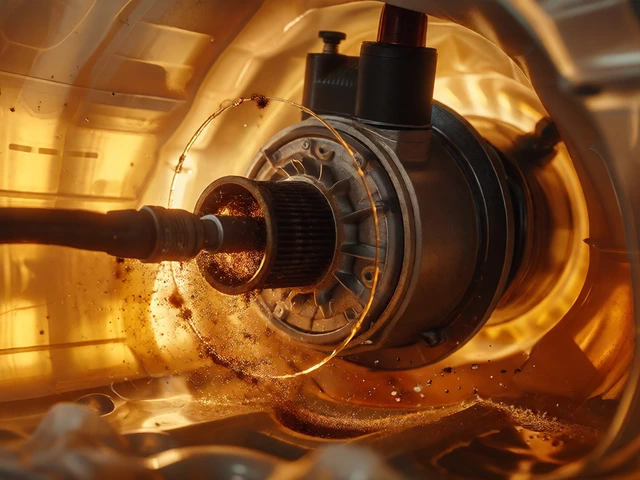
The biggest hidden danger isn’t the pump itself-it’s the catalytic converter. When a fuel pump fails intermittently, it can spray uneven amounts of fuel. Unburned gasoline passes into the exhaust system, where it ignites inside the hot catalytic converter. This can melt the internal honeycomb structure. Replacing a fuel pump is annoying; replacing a catalytic converter is painful. That’s why mechanics often advise against "riding" a bad pump for weeks.
When Is It Safe to Drive Short Distances?
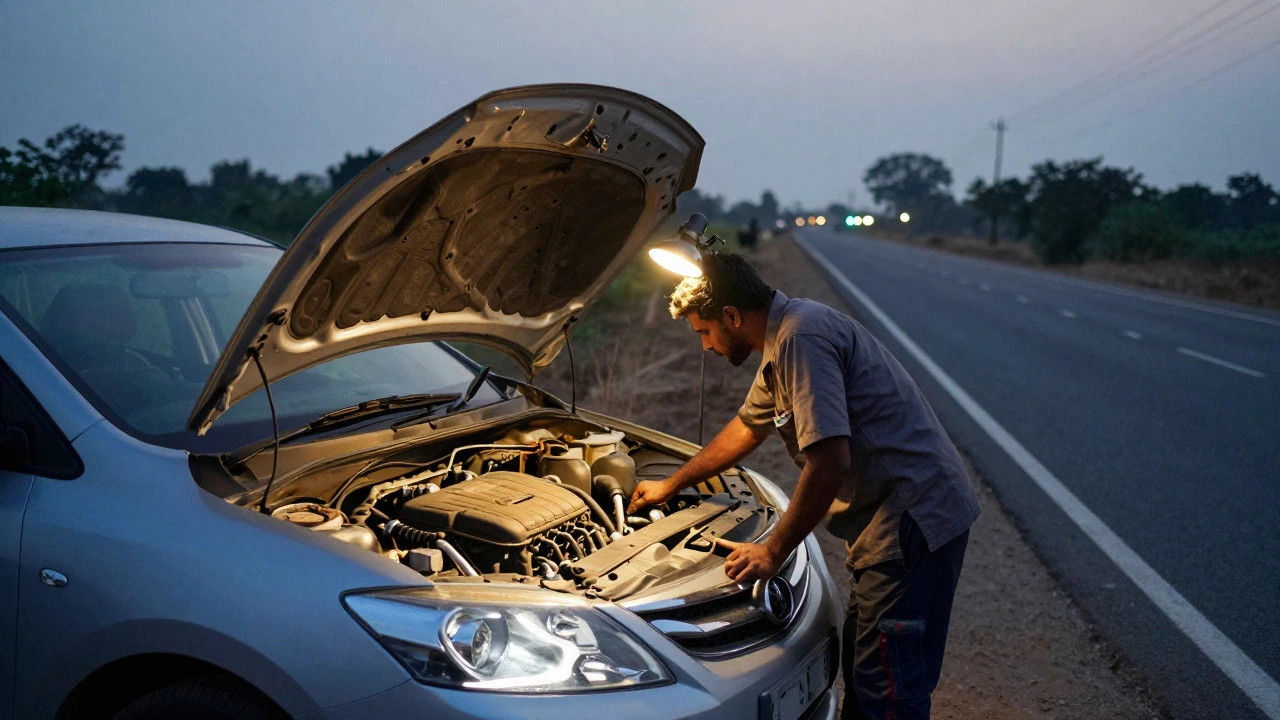
If you must drive, do so strategically. Avoid highways, steep hills, and long trips. Keep your speed moderate and your acceleration gentle. If the car starts sputtering, ease off the throttle immediately. Hard acceleration demands maximum fuel flow, which a weak pump can’t provide.
Also, keep your tank at least half full. As mentioned earlier, the fuel cools the pump. Running on fumes increases heat stress, accelerating the final failure. Plan your route to avoid traffic jams, where stop-and-go driving generates extra heat without giving the pump a chance to recover.
DIY vs. Professional Repair: Making the Call
Replacing a fuel pump is a labor-intensive job. On many cars, the pump is part of the fuel sending unit assembly inside the tank. To access it, the mechanic has to drop the entire fuel tank. This adds hours of labor to the bill. The part itself might cost $50-$150, but labor can range from $200 to $600 depending on the vehicle’s design.
Some older cars have accessible panels in the trunk or under seats, making DIY feasible for handy owners. Newer models often require specialized tools to disconnect fuel lines safely. If you’re not comfortable working with pressurized fuel systems, leave it to the pros. Fuel spills are dangerous, and improper reassembly can lead to leaks.
Preventing Future Fuel Pump Failures
Once you get a new pump, how do you make it last? The enemy of fuel pumps is contamination and overheating.
- Keep the Tank Full: Aim for at least a quarter tank. This keeps the pump submerged and cool.
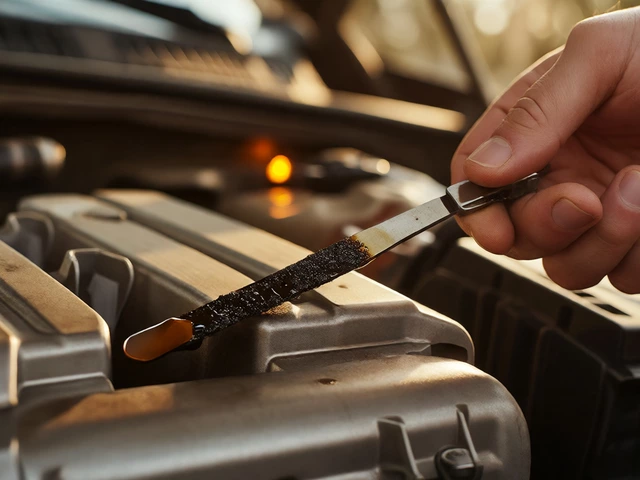
- Use Quality Fuel: Cheap gas sometimes contains debris or water. Use reputable stations and consider top-tier fuels that include detergents to keep the system clean.
- Replace Fuel Filters: Many cars have inline fuel filters. A clogged filter forces the pump to work harder, wearing it out prematurely. Check your owner’s manual for replacement intervals-often every 30,000 to 50,000 miles.
Regular maintenance isn’t just about avoiding breakdowns; it’s about protecting expensive components downstream. A $20 filter change can save you a $1,000 catalytic converter headache.
Can I drive my car if the fuel pump is making noise?
Yes, but only for short distances to a repair shop. The noise indicates wear, and continued driving risks complete failure. Monitor the sound-if it gets louder or changes pitch, stop driving immediately.
How long does a fuel pump usually last?
Most fuel pumps are designed to last between 100,000 and 150,000 miles. However, poor maintenance, such as frequently running on empty or using contaminated fuel, can cut this lifespan in half.
Will a bad fuel pump ruin my engine?
It typically won’t destroy the engine block itself, but it can cause severe misfires that damage spark plugs and ignition coils. More critically, unburned fuel can destroy the catalytic converter, which is far more expensive to replace than the pump.
Why does my car stall when the tank is nearly empty?
The fuel pump relies on gasoline for cooling. When the level is low, the pump is exposed to air and overheats. Additionally, sediment at the bottom of the tank can clog the pump’s intake screen when fuel levels are low.
Is it cheaper to fix a fuel pump myself?
Potentially, but it depends on the car. For accessible pumps, you save on labor. For complex assemblies requiring tank removal, the risk of error and need for special tools often makes professional service more cost-effective in the long run.






Write a comment