US vs UK Car Terminology Translator
Select a component to see the correct terminology for your region.
Glove Compartment
More formal; used in manuals.
Glovebox
Common everyday usage.
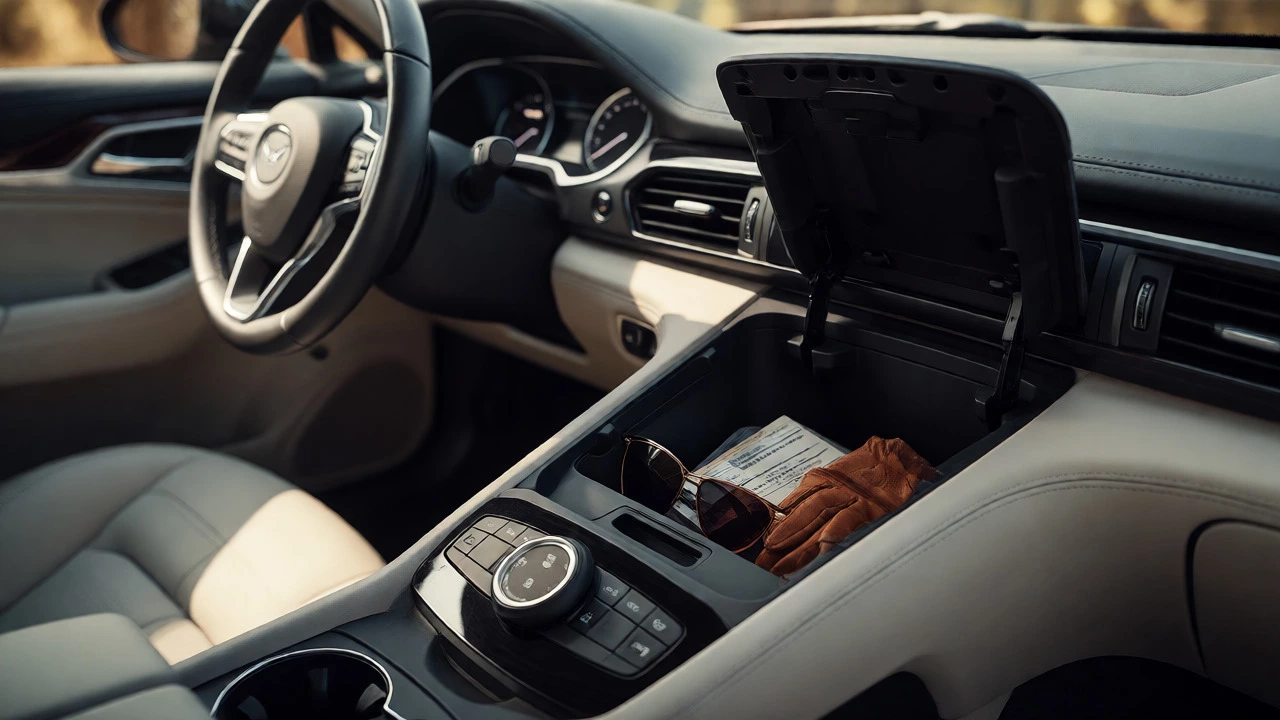
You’re sitting in the passenger seat of a rental car in Chicago, looking for the owner’s manual. You reach down to the dashboard shelf on the right side and ask your friend, "Where is the glovebox?" They look at you blankly. Then they point to the same spot and say, "Oh, you mean the glove compartment." Same object, different name. This isn’t just about semantics; it’s a classic example of how English diverges across the Atlantic when it comes to cars.
If you are wondering what Americans call a glove box, the answer is straightforward: they usually call it a glove compartment or simply the glove box. While both terms are understood in the United States, "glove compartment" is the more formal and traditional term used in vehicle manuals and by older generations. The term "glovebox" (often written as one word) is more common in British English, though many younger Americans use it too due to global media influence. But here is the kicker: if you try to buy a replacement part online using the wrong term, you might end up with the wrong trim piece or latch mechanism. Let’s unpack why this naming confusion happens and how it connects to other major linguistic divides, like the one between windscreen wipers and windshield wipers.
The Origin of the Name: Why Gloves?
It seems odd now, doesn’t it? Most people don’t drive around with leather driving gloves anymore. So why do we still call that little plastic bin on the dash the glove box? To understand the American preference for "glove compartment," you have to go back to the early 1900s. Cars were open-top vehicles, and driving was cold, dusty, and dangerous. Drivers wore heavy leather gloves to protect their hands from the elements and the rough steering wheels. These gloves needed a place to live when not in use, so manufacturers added a small, padded compartment on the dashboard specifically for storing them.
Over time, the contents changed. Driving gloves disappeared from daily use, but the storage space remained. It became the catch-all for registration papers, insurance cards, sunglasses, and emergency cash. Despite the shift in utility, the name stuck. In the US, the term "compartment" emphasizes its function as a secured, enclosed space within the dashboard structure. In the UK, "box" highlights the physical container aspect. Neither is wrong, but knowing which term resonates with your audience matters if you’re writing technical guides or selling auto parts.
Windscreen Wipers vs. Windshield Wipers: A Parallel Example
The glove box debate is actually a subset of a much larger phenomenon: the divergence of automotive vocabulary between the UK and the US. Since your interest started with windscreen wipers, let’s look at that connection. It is the perfect sibling to the glove box issue.
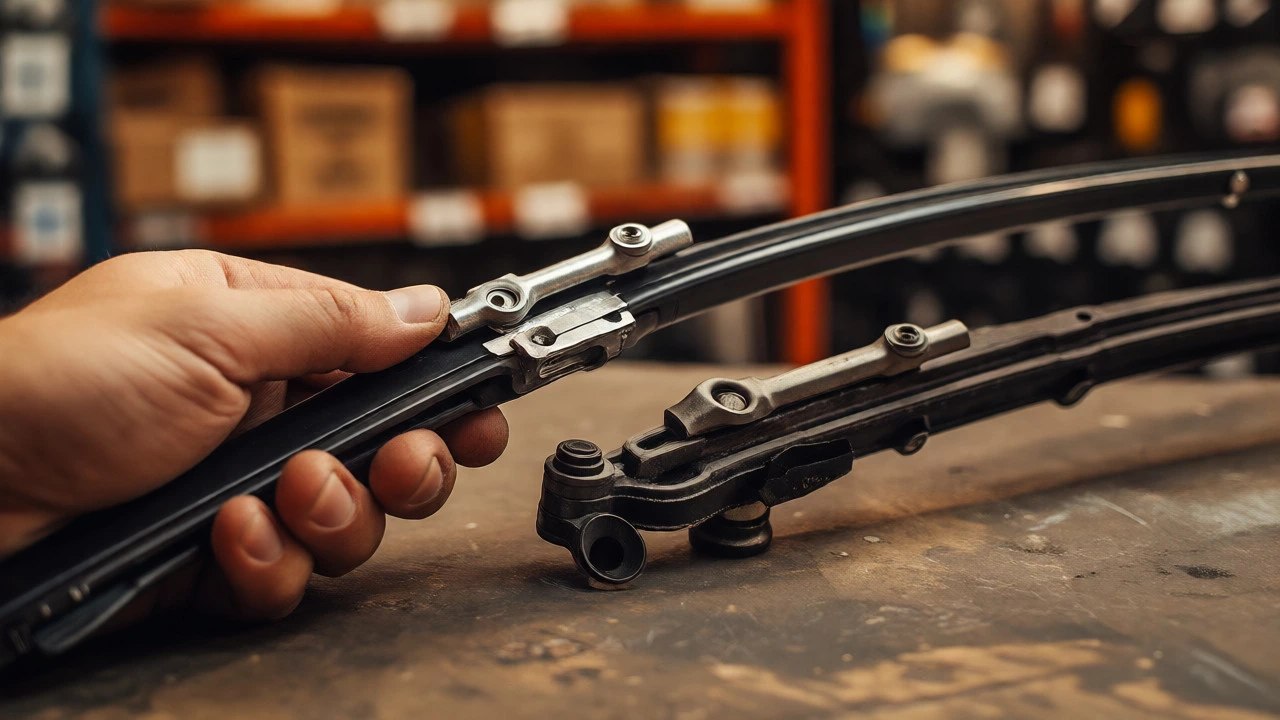
In the United Kingdom, Australia, and New Zealand, the glass panel at the front of the car is called a windscreen. Therefore, the device that cleans it is a windscreen wiper. In the United States and Canada, that same glass is called a windshield because it literally shields the driver from the wind. Consequently, the cleaning device is a windshield wiper. If you walk into an AutoZone in Texas asking for windscreen wipers, the clerk will know what you mean, but they’ll hand you a package labeled "Windshield Wipers." Using the local terminology signals that you are familiar with the market, which can be crucial when negotiating prices or checking compatibility.
| Component | US Terminology | UK Terminology | Notes |
|---|---|---|---|
| Front Glass Cleaning Device | Windshield Wipers | Windscreen Wipers | Blades may differ in length (inches vs mm). |
| Dashboard Storage | Glove Compartment / Glove Box | Glovebox | "Compartment" is more formal in US manuals. |
| Front of Car Cover | Hood | Bonnet | Critical distinction for engine access. |
| Rear of Car Cover | Trunk | Boot | Storage space behind rear seats. |
| Turn Signal Lever | Turn Signal / Blinker | Indicator | Function is identical, name differs. |
Why Context Matters When Buying Parts
You might think, "I speak English, I know what a car looks like. Why does the name matter?" Because search algorithms and inventory databases are literal. If you are searching for a replacement latch for your glove compartment on a US site like RockAuto or Amazon.com, typing "glovebox latch" might yield fewer results than "glove compartment latch." Conversely, on a UK site like EuroCarParts, "glove compartment" might pull up unrelated items or international listings.
This extends to the wipers mentioned earlier. Windshield wipers in the US are typically measured in inches (e.g., 24-inch, 26-inch). Windscreen wipers in the UK are often referenced in millimeters or by specific connector types (like the U-hook or side pin). If you order a set of "windscreen wipers" from a European vendor while living in Ohio, you might get blades that fit the arm type but are the wrong length for your specific vehicle model year. Always check the part number rather than relying solely on the descriptive name.

The Role of Localization in Modern Cars
Modern cars are increasingly global products. A Ford Focus sold in Detroit is mechanically very similar to one sold in London. However, the user interface language and the printed manuals are localized. If you import a car from Japan to the US, or vice versa, you often find mismatched terminology in the infotainment system. Some drivers report seeing "Glove Box" in the settings menu even on US-market cars because the software code base is shared globally.
This blurring of lines is happening faster than ever. As streaming services broadcast British shows to American audiences and vice versa, terms like "boot" and "bonnet" are becoming more recognizable in the US, even if they aren’t adopted in daily speech. Yet, legal documents, insurance policies, and mechanic invoices remain strictly regional. Your insurance policy will refer to damage to your "windshield," not your "windscreen." If you file a claim using the wrong term, it rarely causes rejection, but it can slow down the process as adjusters verify the component.
How to Navigate the Terminology Gap
If you are a content creator, mechanic, or car enthusiast working across borders, here is how to handle these differences without confusing your audience.
- Audience First: If you are writing for a US audience, lead with "Glove Compartment" and mention "Glove Box" as an alternative. If writing for a UK audience, lead with "Glovebox."
- Visual Cues: Never rely on text alone. Include photos or diagrams labeling the parts. A picture of the dashboard shelf eliminates ambiguity regardless of the label.
- Part Numbers Over Names: When buying replacements, always cross-reference the OEM (Original Equipment Manufacturer) part number. The name "wiper blade" is vague; part number 53012345 is precise.
- Consistency: Pick one dialect and stick to it throughout the article or guide. Mixing "hood" and "bonnet" in the same paragraph confuses readers who are trying to learn the correct local term.
Consider the scenario of a travel blogger writing a guide on renting cars in Europe. They should explicitly state: "In Europe, ask for 'windscreen wipers' if you need to replace them yourself, and note that the 'glovebox' contains your rental agreement." This proactive clarification builds trust and prevents minor frustrations during a trip.
Beyond the Glove Box: Other Common Confusions
While the glove box and wipers are top-tier examples, they are part of a wider ecosystem of automotive slang. For instance, the area where you put your keys is called the "ignition switch" in both countries, but the surrounding trim might be referred to differently. The lights you turn on at night are "headlights" everywhere, but the high beams are sometimes called "full beam" in the UK and "high beams" in the US. The fog lights are consistent, thankfully.
Another tricky one is the "petrol cap" vs. "gas cap." Americans fill up with "gasoline" (or gas), while Brits use "petrol." The door covering the fuel inlet is the gas flap or fuel filler door. If you rent a car in California and ask for the "petrol cap," you’ll get a polite smile and a correction. These small linguistic hurdles add friction to the experience of interacting with a vehicle, especially for expats or frequent travelers.
Understanding these nuances isn’t just about trivia. It affects how you communicate with service centers. If you tell a US mechanic, "My windscreen is cracked," he understands, but his invoice will say "Windshield Replacement." If you tell a UK mechanic, "My trunk is broken," he might think you mean the boot lid or the internal lock. Precision in language leads to precision in repair.
Final Thoughts on Automotive Language
So, what do Americans call a glove box? Primarily, the glove compartment. But in casual conversation, "glove box" is perfectly acceptable and widely understood. The key takeaway is that automotive English is not monolithic. It shifts based on geography, history, and industry standards. Just as you wouldn’t call a "windscreen" a "windshield" in Manchester, you shouldn’t expect every American to instinctively reach for a "glovebox" without thinking. By recognizing these distinctions, you become a better communicator, a smarter buyer, and a more knowledgeable car owner. Next time you’re shopping for wipers, remember: check the region, check the units, and double-check the name.
Is there a difference in size between US and UK glove compartments?
Generally, no. The physical dimensions of the glove compartment are determined by the vehicle's design, not its country of sale. However, the interior lining or divider configuration might vary slightly depending on regional regulations or accessory packages, but the external footprint remains the same.
Can I use US windscreen wipers on a UK car?
You can, but you must match the attachment type and length. US wipers are often sold in imperial measurements (inches), while UK cars may require metric-specific fits or proprietary connectors. Always verify the connector type (e.g., hook, bayonet, pinch tab) before purchasing internationally.
Why do some modern cars still use the term glovebox?
Many global automakers use standardized engineering terms across all markets to simplify production and documentation. "Glovebox" is shorter and easier to fit on labels and UI screens, so it appears frequently in digital displays even in regions where "glove compartment" is the spoken norm.
What is the most important difference between US and UK car terms?
The most critical differences are "Hood/Bonnet" and "Trunk/Boot" because these define access points for maintenance and storage. Misunderstanding these could lead to opening the wrong panel during an emergency. Glove box and wiper terms are less likely to cause functional errors, mostly just communication hiccups.
Do Australian drivers say glove box or glove compartment?
Australian drivers predominantly use "glovebox," aligning with British English conventions. However, due to the prevalence of American media and imported US-spec vehicles, "glove compartment" is also understood, though less commonly used in everyday speech.



Write a comment