Engine Oil Health & Action Checker
Enter your vehicle's current status to receive personalized maintenance advice. This tool helps distinguish between minor consumption issues and critical service needs.
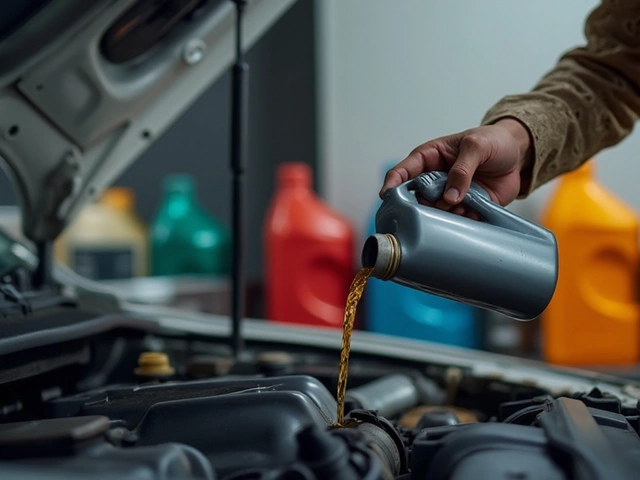
You’re driving along, the dashboard warning light pops on, or maybe you just checked the dipstick and saw the oil line is dangerously low. Your first instinct might be to grab a bottle from the boot or the nearest servo and pour it in. It seems like the easiest fix, right? But adding oil to your car without changing it isn’t always the safe bet. While topping up can save your engine from immediate seizure, doing it wrong-or too often-can mask bigger problems that will cost you thousands later.
The Quick Fix: When Topping Up Is Actually Okay
Let’s get straight to the point: yes, you can add oil if the level is low. Engines consume small amounts of oil during normal operation. This happens because tiny gaps between piston rings and cylinder walls allow some oil to slip past and burn off. If your manual says a consumption rate of up to 0.5 liters per 1,000 kilometers is normal, then adding a bit of oil between services is standard practice.
But here’s the catch: you need to know what kind of oil to add. Mixing different types of engine oil can cause issues. Most modern cars use fully synthetic oils with specific additive packages designed for things like variable valve timing or turbocharger cooling. If you throw in a cheap mineral oil or a synthetic blend with incompatible additives, you risk sludge buildup or reduced lubrication efficiency.
Key Takeaways:
- Topping up is fine if the level is below the minimum mark but above critical failure levels.
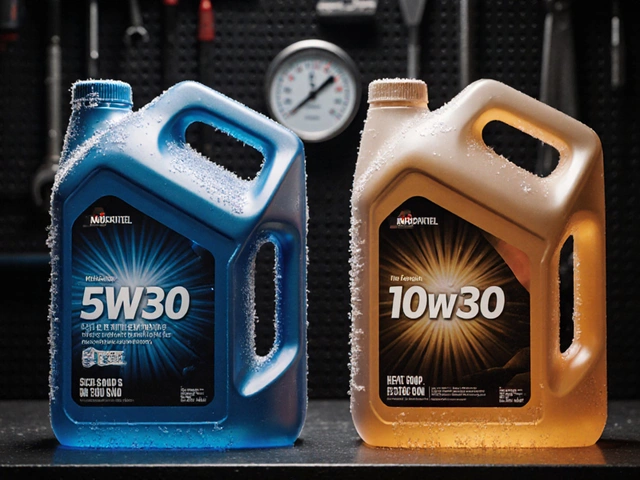
- Always match the viscosity grade (e.g., 5W-30) and specification (e.g., VW 504 00) recommended by the manufacturer.
- If you are more than 1,000 km overdue for a service, topping up is a stopgap, not a solution.
- Never overfill; excess oil can damage seals and catalytic converters.
Why You Shouldn't Ignore the Dipstick
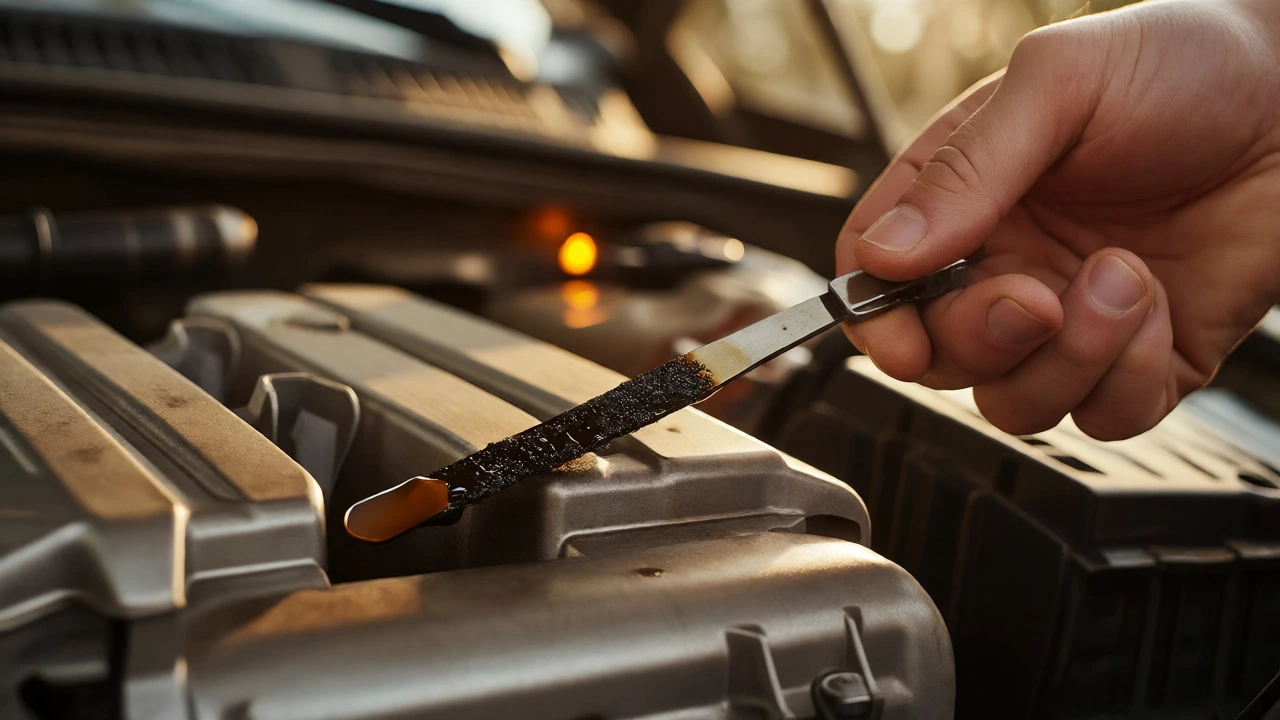
Many drivers rely solely on electronic sensors, but these can fail or give false readings due to sensor drift or wiring issues. The mechanical dipstick remains the most reliable tool for checking oil level. Pull it out, wipe it clean, reinsert it fully, and pull it again. Look at the texture and color. Good oil should feel slick and look amber or brown. If it feels gritty, looks black and thick, or smells burnt, adding fresh oil won’t help much. In fact, diluting degraded oil with new oil only slightly improves its properties while leaving contaminants in circulation.
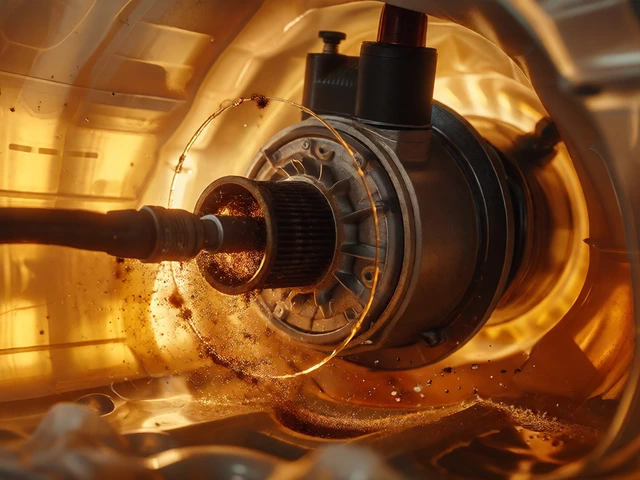
Contaminants are the real enemy. Over time, oil collects metal shavings from wear, soot from combustion, and moisture from condensation. These particles act like sandpaper inside your engine. When you only top up, you aren’t removing these harmful elements. You’re just increasing the volume of dirty fluid. For high-mileage vehicles or those driven in harsh conditions (like dusty roads common in parts of New Zealand), this accumulation accelerates wear significantly.
The Risks of Mixing Oils and Ignoring Services
What happens if you mix brands or types? Modern oils are chemically complex. They contain detergents, dispersants, anti-wear agents, and viscosity index improvers. While most reputable brands are compatible enough for short-term mixing, consistent mismatching can lead to chemical reactions that reduce effectiveness. For example, some European manufacturers require oils with low SAPS (Sulfated Ash, Phosphorus, Sulfur) content to protect their Diesel Particulate Filters (DPF). Using a high-SAPS oil in such an engine can clog the DPF, leading to expensive repairs costing upwards of $2,000 NZD.
| Factor | Topping Up Only | Full Oil Change |
|---|---|---|
| Cost | Low ($10-$20) | Moderate ($80-$150) |
| Contaminant Removal | None | Complete replacement |
| Additive Replenishment | Partial dilution | Fresh full package |
| Filter Replacement | No | Yes |
| Best For | Minor consumption, emergencies | Routine maintenance, high mileage |
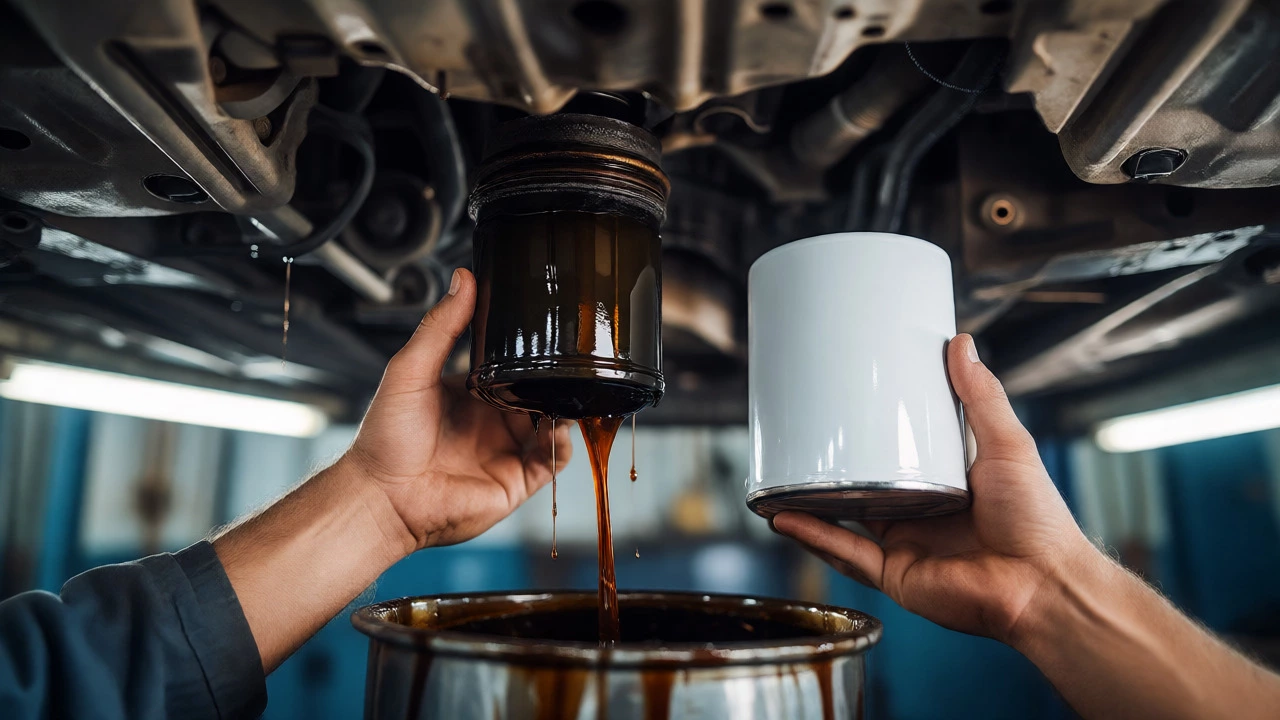
The oil filter plays a crucial role here. It traps debris before it circulates through the engine. If you never change the filter, it becomes saturated and may bypass unfiltered oil directly into the engine. Topping up doesn’t reset the filter’s lifespan. So, if you’ve added three bottles of oil since your last service, your filter is likely struggling to keep up with the increased particulate load.
How to Properly Top Up Your Engine Oil
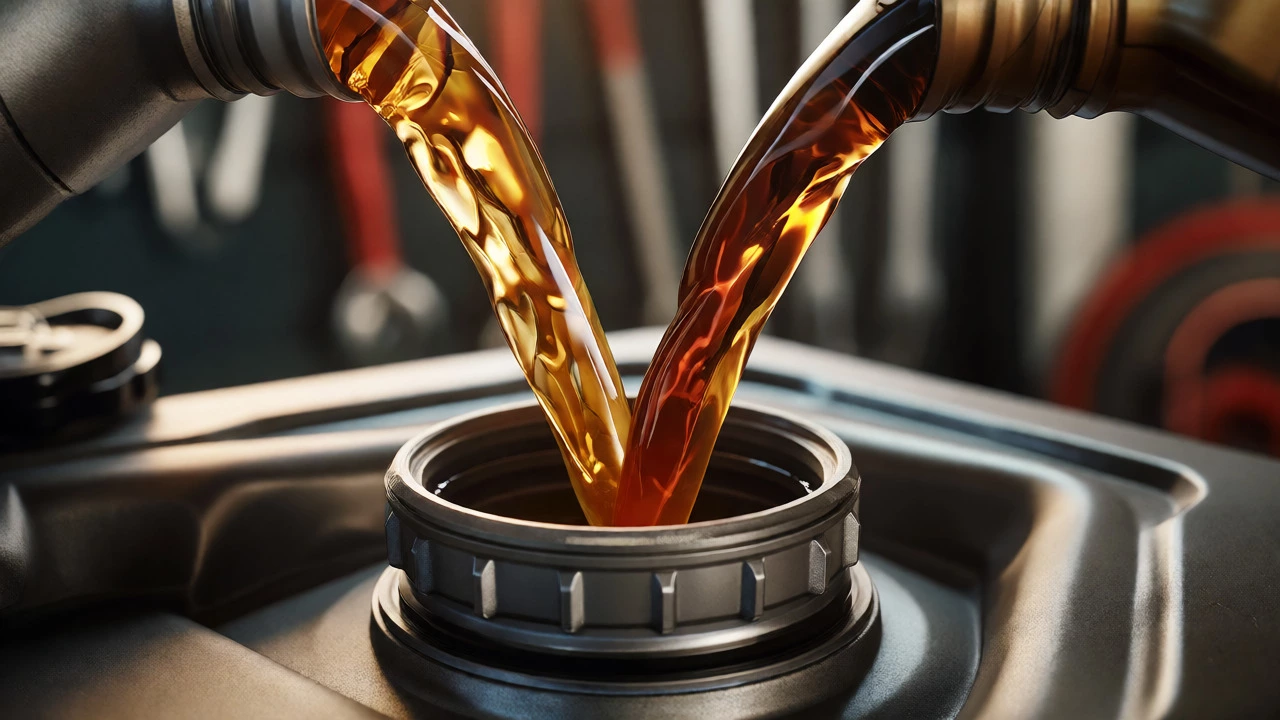
If you decide to add oil, do it correctly to avoid making things worse. First, ensure the car is on level ground and the engine has been off for at least 10-15 minutes. This allows oil to drain back into the sump for an accurate reading. Check your owner’s manual for the correct specification. Don’t guess. If your car calls for 0W-20, don’t put in 10W-40 unless it’s an emergency and you plan to flush it soon.
Use a funnel to prevent spills. Spilled oil on hot exhaust components can smoke or even catch fire. Add oil in small increments-start with half a liter. Wait two minutes for it to settle, then check the dipstick again. Repeat until the level reaches the middle of the "Min" and "Max" marks. Avoid hitting the Max line exactly, as thermal expansion during driving could push the level too high.
Pro Tip: Keep a small bottle of the correct oil type in your trunk. Having the right spec on hand prevents panic buys of incompatible fluids when you’re stranded.
Signs You Need More Than Just a Top-Up
Sometimes, needing oil is a symptom, not the disease. If you find yourself topping up every week, something is leaking or burning excessively. Common culprits include worn valve stem seals, cracked gaskets, or failing turbo seals. A blue haze from the exhaust pipe upon startup usually indicates oil burning. Puddles under the parked car point to leaks. Ignoring these signs while constantly adding oil is like putting a band-aid on a broken leg.
Also, consider the age of the oil. Even if the level is perfect, oil degrades over time due to oxidation and heat cycles. Manufacturers specify both mileage intervals (e.g., 15,000 km) and time intervals (e.g., 12 months). If it’s been a year since your last change, the oil’s protective additives are depleted regardless of the level. At this stage, topping up is pointless; you need a full service to restore proper protection.
Environmental and Financial Implications
From a practical standpoint, frequent small top-ups can be misleading. You might think you’re saving money by skipping a service, but you’re accumulating risk. A seized engine costs $5,000+ to replace. An oil change costs less than 2% of that. Furthermore, disposing of used oil properly is vital. One liter of used oil can contaminate one million liters of water. When you perform a full change, you ensure old, contaminated oil is recycled responsibly rather than left circulating in your engine longer than necessary.
In Auckland, where stop-start traffic and hilly terrain put extra stress on engines, adhering to strict service intervals is wise. Turbocharged direct-injection engines, common in many modern SUVs and sedans sold here, are particularly sensitive to oil quality and level. Neglecting regular changes leads to carbon buildup on intake valves, reducing performance and fuel economy.
Frequently Asked Questions
Can I mix different brands of engine oil?
Generally, yes, for short periods. Most major brands meet industry standards (API, ACEA) that ensure basic compatibility. However, for long-term use, stick to one brand or ensure the specifications match exactly to maintain optimal additive balance.
Is it bad to overfill my engine oil?
Yes. Excess oil can cause the crankshaft to whip air bubbles into the oil (aeration), reducing its ability to lubricate. It also increases pressure in the crankcase, which can force oil past seals and into the intake system, potentially damaging the turbo or catalytic converter.
How often should I check my oil level?
Check it once a month or every second fuel fill-up. Older cars or those with known consumption issues should be checked weekly. Electronic sensors are helpful but not infallible, so physical verification is still best practice.
Does adding oil clean the engine?
No. Fresh oil contains detergents, but simply adding it to old oil doesn’t remove existing sludge or metal particles. Only draining the old oil and replacing the filter removes contaminants effectively.
What if I accidentally put diesel in my petrol car's oil?
This is rare but serious. Diesel in petrol engine oil reduces viscosity and can damage bearings. If caught early, drain and refill immediately. Do not drive the car if you suspect significant contamination.
Next Steps for Engine Health
If you’re currently running low, top up carefully with the correct spec. Then, schedule a full service within the next 500-1,000 km. Use this opportunity to inspect the undercarriage for leaks and ask your mechanic to check the condition of the oil filter housing. Regular monitoring combined with timely professional servicing keeps your engine smooth, efficient, and reliable for years to come.


Write a comment