
Spark Plug Replacement Calculator
Your car runs fine one day and feels sluggish the next. You might blame traffic or bad gas, but the culprit could be sitting quietly inside your engine’s cylinders. Spark plugs are small but critical components that ignite the air-fuel mixture in your engine. They don’t last forever, and when they fail, you’ll notice it immediately. The problem? Most drivers wait until their car breaks down before checking them. By then, you’ve already wasted fuel, damaged other parts, and risked being stranded.
You don’t need a mechanic to tell you if your spark plugs are dying. Your car gives you clear signals every time you drive. If you know what to look for, you can catch the issue early, save money on repairs, and keep your engine running smoothly. Let’s break down exactly how to spot worn-out spark plugs before they cause bigger problems.
The Early Warning Signs You Can Feel While Driving
Before your check engine light even turns on, your body will likely feel something is wrong. Ignoring these subtle cues is like ignoring a slow leak in your tire-it gets worse with every mile. Here’s what to pay attention to during your daily commute.
- Hard Starting: If your engine cranks longer than usual or hesitates before firing up, especially in cold weather, your spark plugs might be struggling to create a strong enough spark. Fresh plugs fire instantly; old ones sputter.
- Rough Idling: Stop at a red light and feel the steering wheel vibrating? That’s not normal. A rough idle means one or more cylinders aren’t firing correctly, often due to weak sparks from worn electrodes.
- Engine Misfires: This is the most common symptom. You’ll feel a sudden jerk or hesitation when accelerating. It happens because the air-fuel mixture isn’t igniting properly, causing power loss. If this happens frequently, stop driving and check your plugs.
- Poor Acceleration: Merging onto the highway should feel smooth. If your car lags or struggles to pick up speed despite pressing the pedal, your engine isn’t getting full power. Worn spark plugs reduce combustion efficiency, leaving you feeling underpowered.
These symptoms often mimic other issues like dirty fuel injectors or failing sensors. But if multiple signs appear together, spark plugs are usually the first place to look. They’re cheap, easy to replace, and often the root cause of performance drops.
Fuel Economy Drops Without Explanation
You fill up your tank and notice you’re hitting the pump sooner than expected. Did gas prices go up again? Maybe. But if your driving habits haven’t changed, your spark plugs might be wasting fuel. Here’s why.
When spark plugs wear out, the gap between the electrodes widens. This forces the ignition coil to work harder to jump the larger space with electricity. The result? Incomplete combustion. Unburned fuel exits through the exhaust instead of powering your pistons. Over time, this inefficiency adds up. Studies show that severely worn spark plugs can reduce fuel economy by up to 30%. That’s not just annoying-it’s expensive.
If you track your mileage per gallon and see a steady decline without changes in route or load, pull over and inspect your plugs. Replacing them often restores your original fuel efficiency within days. Don’t wait for your wallet to scream at you.
Check Engine Light and Diagnostic Trouble Codes
Modern cars have onboard computers that monitor everything. When a cylinder misses a fire, the computer logs a code. The most common codes related to spark plug failure are P0300 (random misfire) and P0301-P0308 (specific cylinder misfires). These codes don’t always mean bad plugs-they could point to coils, wires, or injectors-but plugs are the cheapest and easiest fix to try first.
Don’t ignore the light. Driving with an active misfire code damages your catalytic converter. Unburned fuel enters the exhaust system and overheats the converter, which costs thousands to replace. A $50 set of spark plugs is a small price to avoid a $1,500 repair bill.
| Code | Meaning | Likely Cause |
|---|---|---|
| P0300 | Random/Multiple Cylinder Misfire Detected | Worn plugs, faulty coils, vacuum leaks |
| P0301-P0308 | Cylinder 1-8 Misfire Detected | Specific plug/coil failure in that cylinder |
| P0420 | Catalyst System Efficiency Below Threshold | Often caused by prolonged misfires from bad plugs |
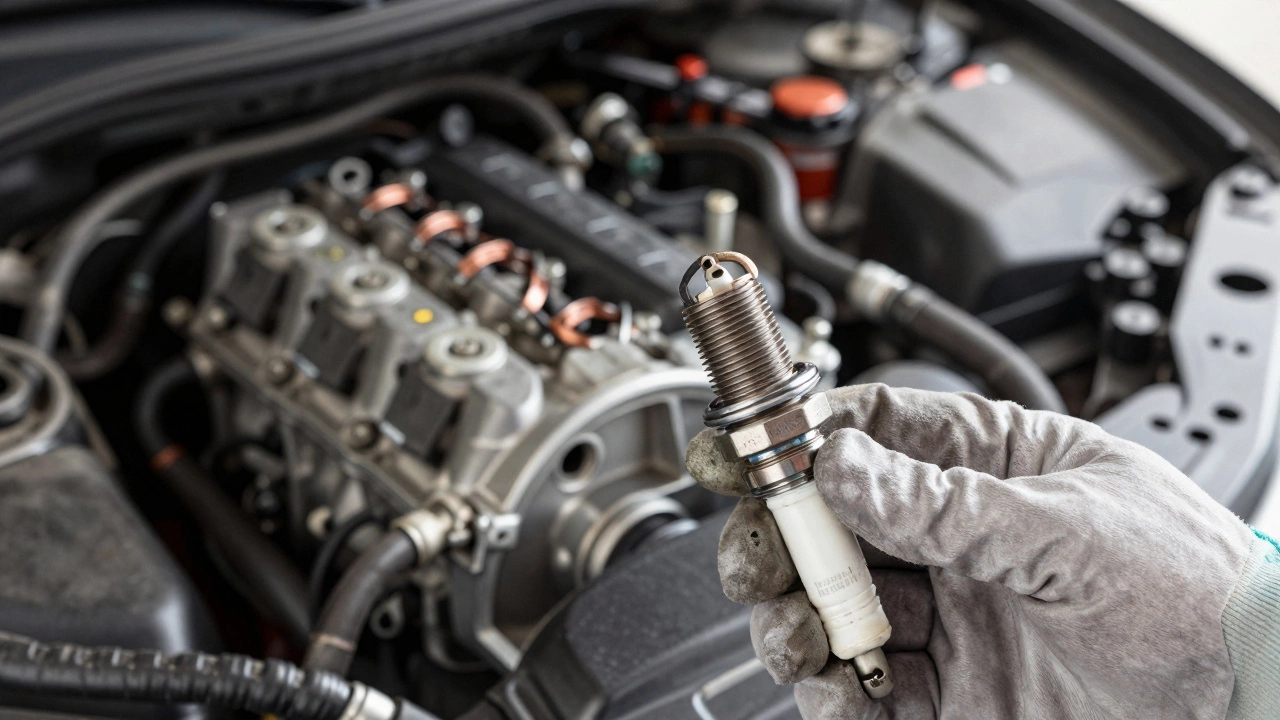
Visual Inspection: What Good vs. Bad Spark Plugs Look Like
The best way to confirm worn spark plugs is to take them out and look. You don’t need special tools-just a socket wrench and a ratchet. Remove one plug and compare it to the chart below. Note: Always let the engine cool before removing plugs to avoid burns or cracked threads.
- Clean, Tan or Gray Electrodes: Healthy plugs burn cleanly. The insulator (white ceramic part) should be free of carbon deposits. This indicates proper air-fuel ratio and good combustion.
- Black, Sooty Deposits: Indicates a rich fuel mixture or oil burning. Could be caused by bad plugs, but also points to faulty oxygen sensors or PCV valves. Replace plugs first, then investigate further if soot returns quickly.
- White, Blistered Insulator: Sign of overheating. Often caused by incorrect heat range, pre-ignition, or lean fuel mixture. Using the wrong plug type can damage your engine.
- Eroded or Rounded Electrodes: Normal wear over time. As the electrode wears, the gap increases, making it harder for the spark to jump. Once erosion is visible, replacement is necessary.
- Oil Fouling: Wet, oily residue on the plug means oil is leaking into the combustion chamber. This isn’t just a plug issue-it suggests worn valve seals or piston rings. Fix the leak before replacing plugs.
If you’re unsure what’s normal, bring the old plug to an auto parts store. They often have display models showing healthy versus failed plugs. Comparing side-by-side makes diagnosis foolproof.
Replacement Intervals: How Often Should You Change Them?
There’s no single answer here because spark plug lifespan depends heavily on material type and vehicle usage. Manufacturers specify intervals based on testing, but real-world conditions vary. Here’s a general guide:
- Copper Plugs: Last 20,000-30,000 miles. Cheap upfront but require frequent replacement. Best for older vehicles or high-performance engines needing precise tuning.
- Iridium Plugs: Last 60,000-100,000 miles. More expensive initially but offer better durability and finer electrodes for consistent sparks. Ideal for modern direct-injection engines.
- Platinum Plugs: Last 30,000-60,000 miles. Mid-range option with improved resistance to wear compared to copper. Good balance of cost and longevity for everyday drivers.
Always consult your owner’s manual for factory recommendations. Some turbocharged or direct-injection engines demand specific plug types due to higher temperatures and pressures. Using the wrong plug can lead to premature failure or engine damage.
If you drive short distances frequently, tow heavy loads, or live in dusty areas, shorten the interval by 20-30%. Harsh conditions accelerate wear. Conversely, highway cruising at steady speeds extends plug life.
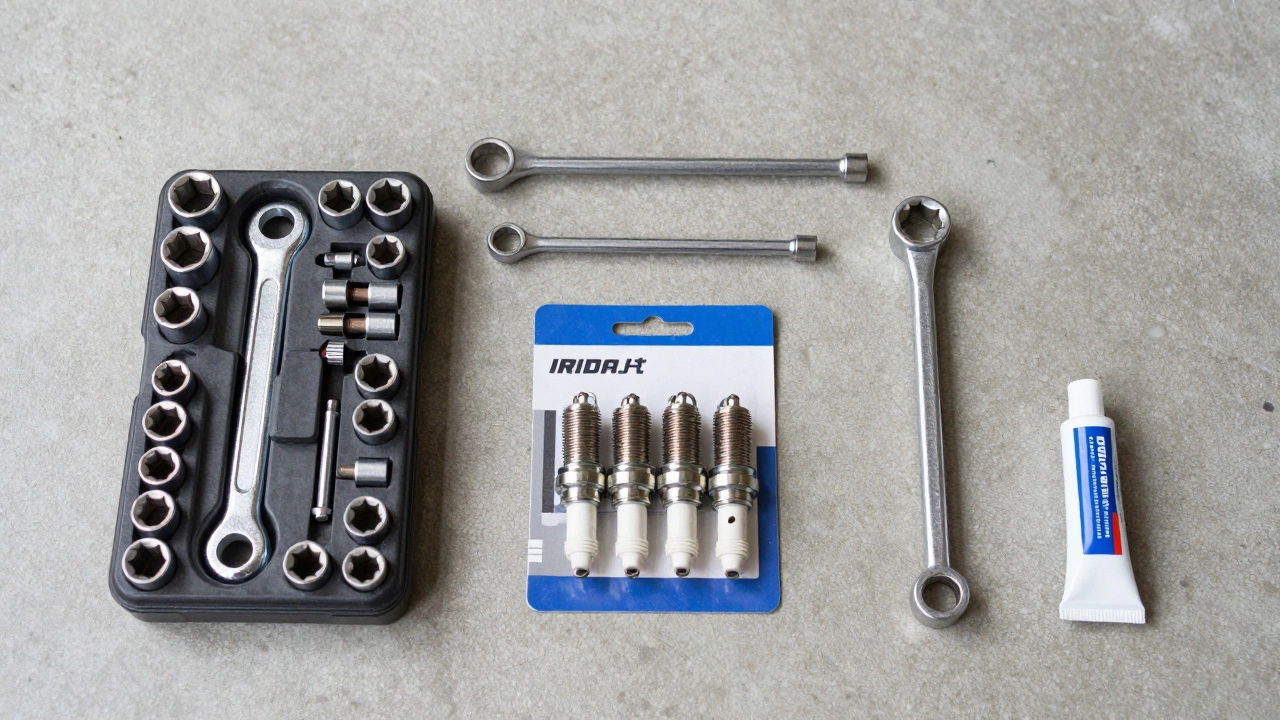
DIY Replacement vs. Professional Service
Replacing spark plugs yourself saves labor costs, which typically run $50-$150 depending on location. For most four-cylinder engines, it’s a straightforward job taking 30-60 minutes. Six- and eight-cylinder engines may take longer due to access constraints.
To do it right:
- Buy the correct plug type specified by your manufacturer.
- Gather tools: socket set, extension bar, torque wrench, dielectric grease.
- Disconnect the battery negative terminal to prevent accidental starts.
- Remove ignition coils carefully using a pry tool-not force.
- Use a socket designed for spark plugs to avoid stripping hex heads.
- Clean the area around each plug hole before removal to prevent debris falling in.
- Install new plugs hand-tight first, then torque to spec (usually 10-20 ft-lbs).
- Reassemble coils and reconnect battery.
If your engine has deep-well designs or complex valve covers, consider professional help. Incorrect installation can crack cylinder heads or strip threads, leading to catastrophic repairs. When in doubt, ask a trusted mechanic.
Preventive Maintenance Tips to Extend Plug Life
You can’t stop wear entirely, but you can slow it down. Follow these practices to maximize spark plug longevity:
- Use Recommended Fuel Octane: Low-octane fuel in high-compression engines causes knocking, which stresses plugs. Stick to your manual’s recommendation.
- Avoid Short Trips: Frequent cold starts prevent the engine from reaching optimal temperature, increasing moisture and condensation buildup that fouls plugs.
- Replace Air Filters Regularly: Dirty filters restrict airflow, creating richer mixtures that foul plugs faster. Clean air = cleaner combustion.
- Monitor Oil Levels: Burning oil contaminates plugs. Check dipstick monthly and top off as needed. Address leaks promptly.
- Keep Up With Tune-Ups: Comprehensive services include checking gaps, cleaning contacts, and verifying coil health. Preventative care beats reactive fixes.
Treating your ignition system well pays off in smoother rides, lower emissions, and fewer unexpected breakdowns. Small habits make big differences over time.
Can I drive with bad spark plugs?
Technically yes, but it’s risky. Continued driving with misfiring cylinders damages your catalytic converter and reduces fuel efficiency. Replace them as soon as possible to avoid costly secondary repairs.
How much does it cost to replace spark plugs?
Parts range from $10-$100 depending on material (copper, platinum, iridium). Labor adds $50-$150. Total DIY cost stays under $100 for most cars. Professional service totals $100-$300.
Do spark plugs affect acceleration?
Yes. Weak sparks cause incomplete combustion, reducing power output. You’ll feel laggy acceleration, especially under load. Fresh plugs restore responsive throttle behavior.
What happens if I use the wrong spark plugs?
Wrong heat range or gap size leads to poor performance, fouling, or even engine damage. Always match OEM specifications. Never substitute generic brands unless verified compatible.
Should I change all spark plugs at once?
Absolutely. Mixing old and new plugs creates uneven combustion across cylinders, stressing the engine. Replace the entire set simultaneously for balanced performance.








Write a comment