Engine Oil Circulation Simulator
Simulate Starting After Top-Up
See what happens inside your engine when you start immediately vs. waiting.
Current Status
- Time Elapsed: 0s
- Oil Pressure: 0%
- Turbo Temp: Ambient
- Wear Risk: Low
You’ve just poured fresh engine oil into your vehicle's reservoir, wiped the dipstick, and are itching to turn the key. It feels like a simple task: low oil light on, add fluid, drive away. But hitting the starter immediately might not be as harmless as it seems. While modern cars are robust, skipping a crucial step can leave critical components dry for those first few seconds of operation.
The short answer is yes, you usually can start your car right after adding oil, but you shouldn't just floor it or rev the engine. There is a specific sequence of events that happens inside your engine block when power returns, and understanding this helps protect your investment. This guide breaks down why waiting a few seconds matters, how to check if you added enough, and what signs indicate you might have made a mistake during the top-up process.
Why Timing Matters: The Physics of Oil Pressure
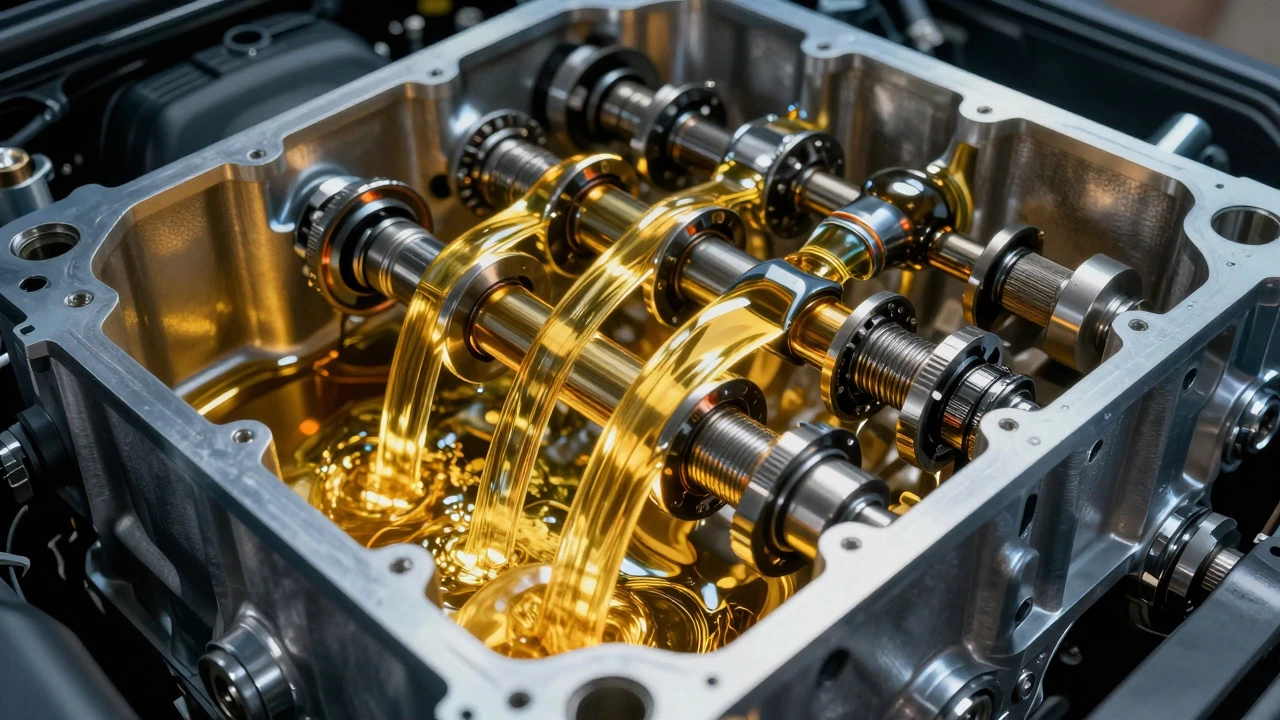
When an engine sits, gravity pulls all the lubricant down into the oil pan at the bottom of the engine. This pool of oil is essential, but it doesn't reach the upper parts of the engine-the camshafts, valve trains, and cylinder heads-until the oil pump kicks in. The oil pump is driven by the crankshaft, which means it only moves fluid when the engine is turning over.
If you add oil and immediately start driving aggressively, there is a split-second window where metal parts are rubbing against each other with minimal lubrication. This is called cold start wear. Most engine wear occurs during the first 30 seconds of operation because the oil hasn't circulated yet. By allowing the engine to idle for 15 to 30 seconds after starting, you give the oil pump time to build pressure and push that fresh oil up through the galleries to every moving part.
Think of it like a water tower. When the pipes are empty, turning on the tap doesn't deliver water instantly. There’s a delay while the system pressurizes. Your engine works similarly. The oil filter also needs to fill up. Modern filters often have anti-drain back valves designed to keep oil in the filter when the engine is off, but these valves aren't perfect. A brief idle period ensures the filter is saturated and ready to clean the oil circulating through the system.
How to Properly Top Up Engine Oil
Before you even think about starting the car, you need to ensure the oil level is correct. Overfilling is just as dangerous as underfilling. If the oil level is too high, the spinning crankshaft can whip the oil into a frothy mess, creating air bubbles. These bubbles compress easily, leading to poor lubrication and potential damage to the catalytic converter due to burning excess oil.
- Park on Level Ground: Slopes skew the reading on the dipstick. Find a flat driveway or parking spot.
- Cool Down the Engine: Wait at least 5-10 minutes after driving. Hot oil expands, giving a false high reading. Also, hot surfaces can burn your hands.
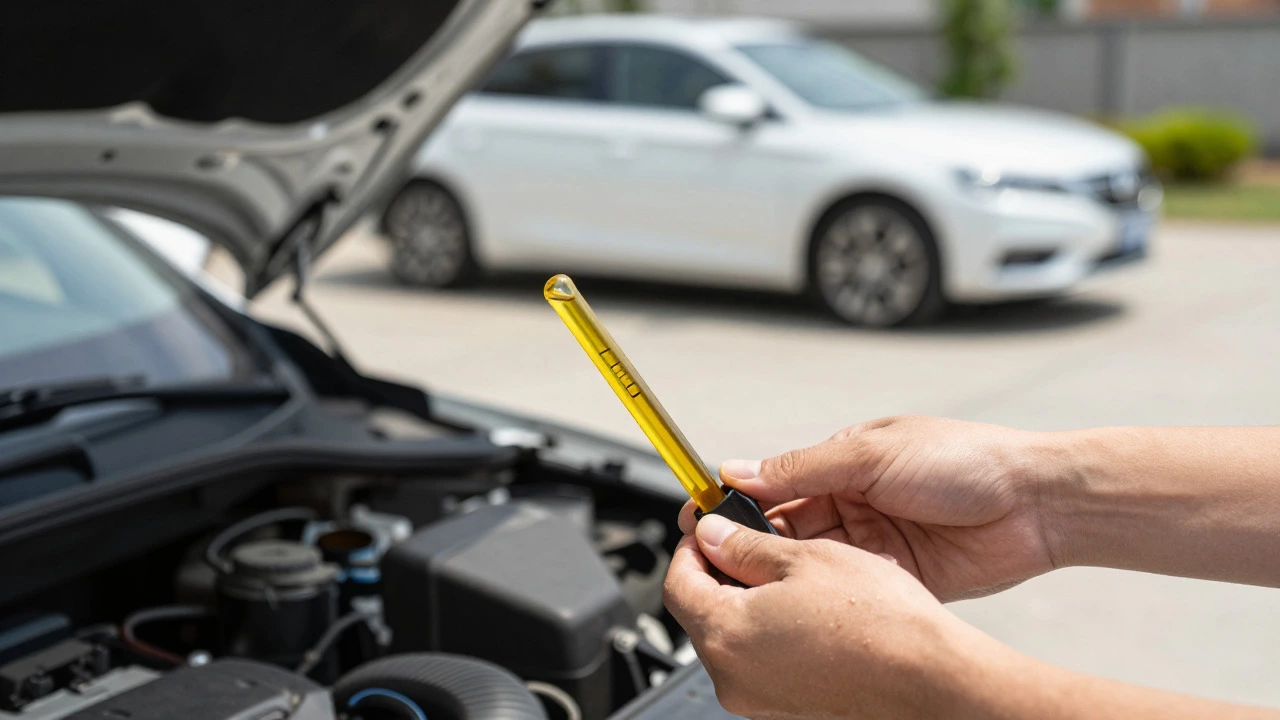
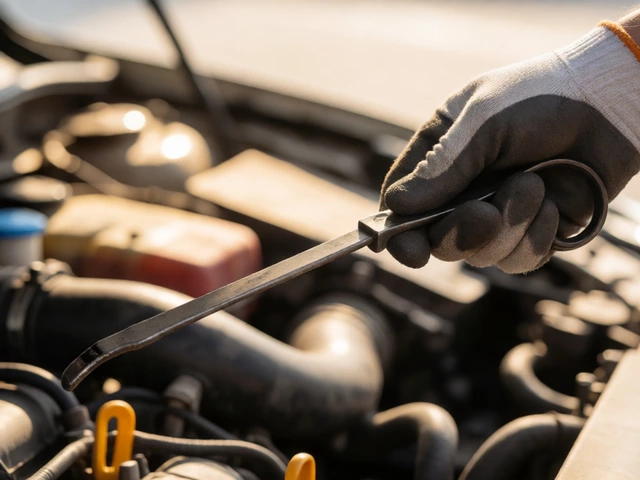
- Check the Dipstick: Pull the dipstick, wipe it clean with a rag, reinsert it fully, then pull it out again. Read the level between the 'Min' and 'Max' marks.
- Add Small Amounts: Pour oil slowly. Add no more than 0.2 liters (about half a cup) at a time. It takes very little oil to go from 'low' to 'full.'
- Recheck: Wait a minute for the oil to settle in the pan, then check the dipstick again. Repeat until the level is near the top mark, but never above it.
Always use the viscosity grade specified in your owner's manual. Using synthetic blend instead of full synthetic, or the wrong weight like 10W-40 instead of 5W-30, can affect performance, especially in extreme temperatures common in places like Auckland winters or summer heatwaves.
Signs You Did Something Wrong
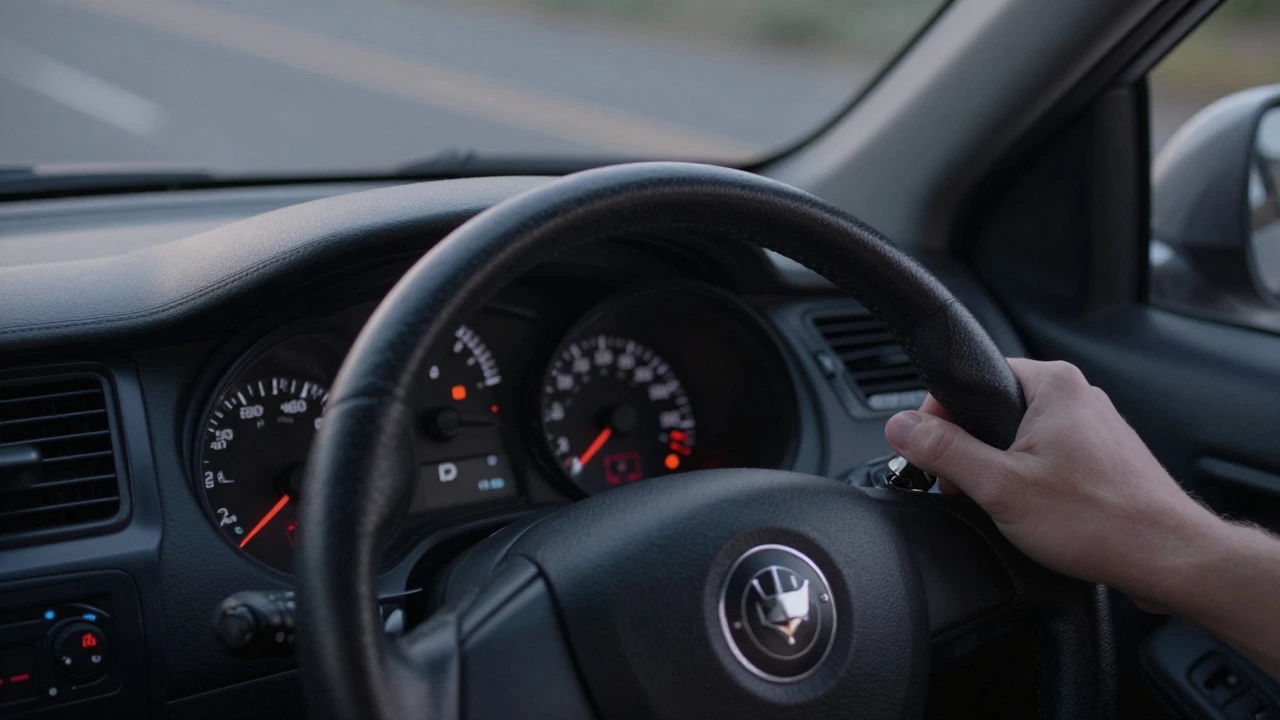
After starting the car, listen and look. A healthy engine should run smoothly with a steady hum. If you hear knocking sounds, see smoke from the exhaust, or notice the oil pressure warning light stay on, shut the engine off immediately.
| Symptom | Likely Cause | Action Required |
|---|---|---|
| Blue Smoke from Exhaust | Overfilled oil; burning excess lubricant | Drain excess oil via dipstick tube or drain plug |
| Oil Pressure Light Stays On | Wrong viscosity, faulty sensor, or severe leak | Turn off engine; check level again; consult mechanic |
| Knocking Noise | Low oil pressure or contaminated oil | Shut off engine; inspect for leaks or sludge |
| Oil Leak Under Car | Over-tightened filler cap or damaged gasket | Tighten cap gently; wipe area; monitor for recurrence |
One common mistake is forgetting to screw the oil filler cap back on tightly. This allows dirt and moisture to enter the engine, contaminating the new oil. Another issue is using the wrong type of oil. Mixing different brands or types occasionally won’t kill your engine, but consistently using inferior oil reduces protection and increases sludge buildup over time.
Modern Engines vs. Older Models
Newer vehicles equipped with direct injection and turbochargers are more sensitive to oil quality and pressure. Turbochargers spin at incredibly high speeds and rely entirely on oil for cooling and lubrication. If you top up oil and immediately accelerate hard, the turbo may not receive adequate flow, leading to premature wear. For these engines, idling for 30 seconds is non-negotiable.
Older carbureted engines were more forgiving. They had larger clearances between moving parts, meaning they could tolerate slightly lower oil pressure without immediate failure. However, even in older cars, best practice remains the same: let the engine stabilize before applying load. Whether you drive a vintage muscle car or a hybrid sedan, respecting the oil circulation cycle extends engine life significantly.
Pro Tips for Long-Term Engine Health
Topping up oil is a temporary fix. It addresses a symptom, not the cause. If you find yourself adding oil every month, something is wrong. Common causes include worn piston rings, leaking valve seals, or external leaks from the oil pan gasket.
- Monitor Consumption: Check your oil level every two weeks or before long trips. Note how much you add and how quickly.
- Use Quality Filters: Replace the oil filter every time you change the oil. Cheap filters clog faster and restrict flow.
- Avoid Short Trips: Frequent short drives prevent the engine from reaching optimal operating temperature, leading to fuel dilution and sludge.
- Store Oil Properly: Keep extra oil in a cool, dry place. Heat degrades oil over time, reducing its effectiveness.
Consider using an oil additive if recommended by your manufacturer. Some additives help reduce friction or seal minor leaks, but they are supplements, not replacements for regular maintenance. Always prioritize OEM specifications over aftermarket hype.
What If You Forgot to Check the Level?
If you topped up oil without checking the dipstick properly, don’t panic. Start the car, let it idle, and then check the level again. If it’s overfilled, you can remove some oil using a syringe inserted into the dipstick tube. It’s messy but effective. Ignoring overfilling risks serious damage, so act promptly.
Remember, consistency is key. Make checking your oil a habit, like checking tire pressure. A five-minute routine prevents thousands of dollars in repairs. Your engine is the heart of your car; treat it with care, and it will reward you with reliable performance for years to come.
How long should I wait after adding oil before driving?
Wait at least 15 to 30 seconds after starting the engine. This allows the oil pump to circulate the new oil throughout the engine, ensuring all moving parts are lubricated before you apply any load or acceleration.
Can I mix different types of engine oil?
Yes, in an emergency, you can mix different brands or types of oil (e.g., synthetic and conventional) as long as they meet the same viscosity specification (like 5W-30). However, try to complete a full oil change soon after to maintain optimal performance.
What happens if I overfill my engine with oil?
Overfilling causes the crankshaft to whip the oil into foam, reducing lubrication efficiency. This can lead to increased pressure, blown gaskets, and blue smoke from the exhaust as the engine burns the excess oil. Drain the surplus immediately if this occurs.
Is it safe to drive if the oil light comes on after topping up?
No. If the oil pressure warning light stays on after starting, shut off the engine immediately. This indicates a lack of oil pressure, which can destroy your engine within minutes. Check the level again and call for assistance if the problem persists.
How often should I check my engine oil level?
Check your oil level every two weeks or before any long trip. Older cars or those with known consumption issues may need weekly checks. Regular monitoring helps catch leaks early and ensures proper lubrication.





Write a comment