Car Suspension Signs: How to Spot Failing Shocks, Struts, and Ball Joints
When your car suspension, the system that connects your wheels to the chassis and absorbs road bumps. Also known as vehicle suspension, it keeps your tires on the road, controls body movement, and makes your ride smooth. starts to fail, your car doesn’t just feel rough—it becomes unsafe. You might not notice it at first, but bad suspension slowly steals your control, increases stopping distance, and wears out tires faster than normal. Ignoring the signs isn’t just expensive—it’s risky, especially on uneven roads or in wet weather.
The most common bad shocks, damaged shock absorbers that fail to dampen bounce and movement make loud clunks or thumps when you hit bumps. You’ll feel every crack in the pavement, and your car might bounce like a trampoline after going over a speed bump. Worn ball joints, the pivot points that let your wheels turn and move up and down cause steering that feels loose or wobbly, and sometimes a clicking sound when turning. And if your struts, combined shock and spring units that support the car’s weight and control ride height are gone, the front end will dip hard when braking, and your tires will wear unevenly—often on the inside or outside edges.
These aren’t just annoying noises or odd feels—they’re warning signs your car’s safety is declining. A failing suspension affects braking, cornering, and even your ability to avoid obstacles. You don’t need to be a mechanic to spot them: if your car leans too much when turning, if it feels floaty at highway speeds, or if you see oil leaking from the shock absorbers, it’s time to check it out. These problems don’t fix themselves. The longer you wait, the more damage you do to tires, brakes, and even the frame.
What you’ll find below is a collection of real, practical posts that break down exactly what to look for, what sounds to listen for, which parts are most likely to fail, and how to tell if it’s something you can fix yourself—or if you need a pro. No fluff. No jargon. Just clear signs, real costs, and what happens if you ignore them.

What Are Signs of Worn Out Suspension? 7 Clear Warning Signs You Can't Ignore
Learn the 7 clear signs of worn out suspension that every driver should watch for-bouncing, uneven tire wear, steering issues, noises, and more. Don't ignore these warnings-they affect safety and cost more to fix later.
CONTINUE READINGRECENT POSTS
-
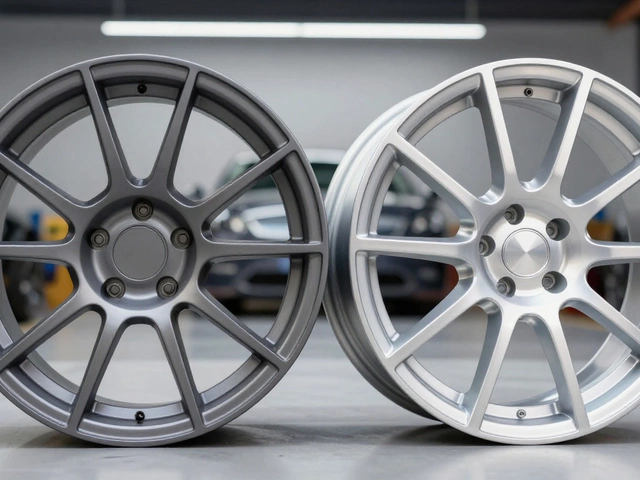
Why Upgrade to Alloy Wheels? Benefits, Performance, and Style
Discover why drivers switch to alloy wheels, from improving braking and fuel efficiency to enhancing car aesthetics and resale value.
-

Is it Cheaper to Install Your Own Car Battery? Costs and Pros and Cons
Discover if installing your own car battery is actually cheaper. We compare DIY costs vs. professional shops, cover core charges, and explain the risks of modern car electronics.