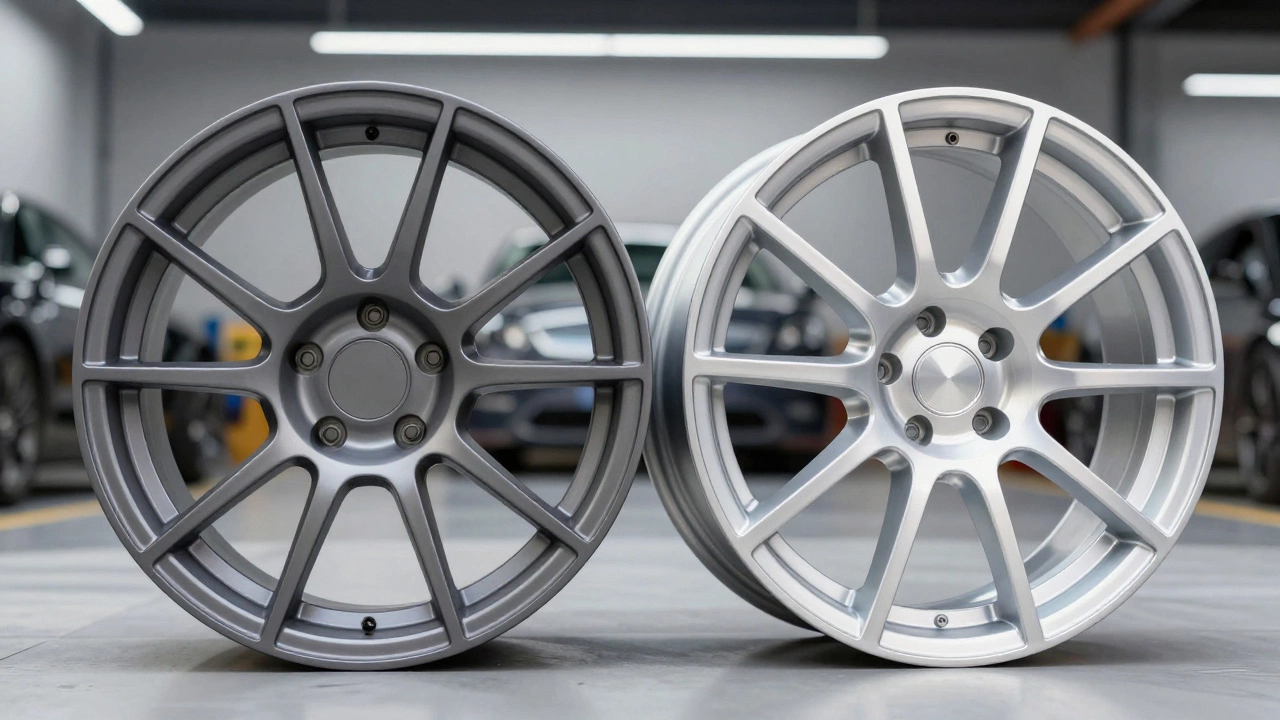
Alloy vs. Steel Wheel Impact Simulator
Select Your Wheel Type to Compare Performance
Click a wheel type above to simulate the impact on vehicle dynamics.
Quick Takeaways
- Alloys are lighter, which reduces unsprung weight and improves acceleration.
- Better heat dissipation helps your brakes last longer and perform better.
- They offer a massive variety of styles compared to basic steel wheels.
- Fuel efficiency often improves due to the reduction in rotating mass.
The Weight Game: Understanding Unsprung Mass
To get why alloys matter, we need to talk about a concept called unsprung mass. In simple terms, this is any part of the car that isn't supported by the suspension-things like the tires, brakes, and the wheels themselves. Imagine trying to run a sprint while wearing heavy combat boots versus lightweight sneakers. You're moving the same body, but the effort required to move your feet is much higher with the boots.
Alloy Wheels are wheels made from a blend of aluminum and other metals, designed to be significantly lighter than traditional steel wheels. By reducing the weight at the furthest point of the axle, the engine doesn't have to work as hard to get the car moving. This means quicker acceleration and shorter braking distances. When you reduce the rotational inertia, the car responds faster to your inputs, making the steering feel sharper and more precise.
Heat Management and Braking Performance
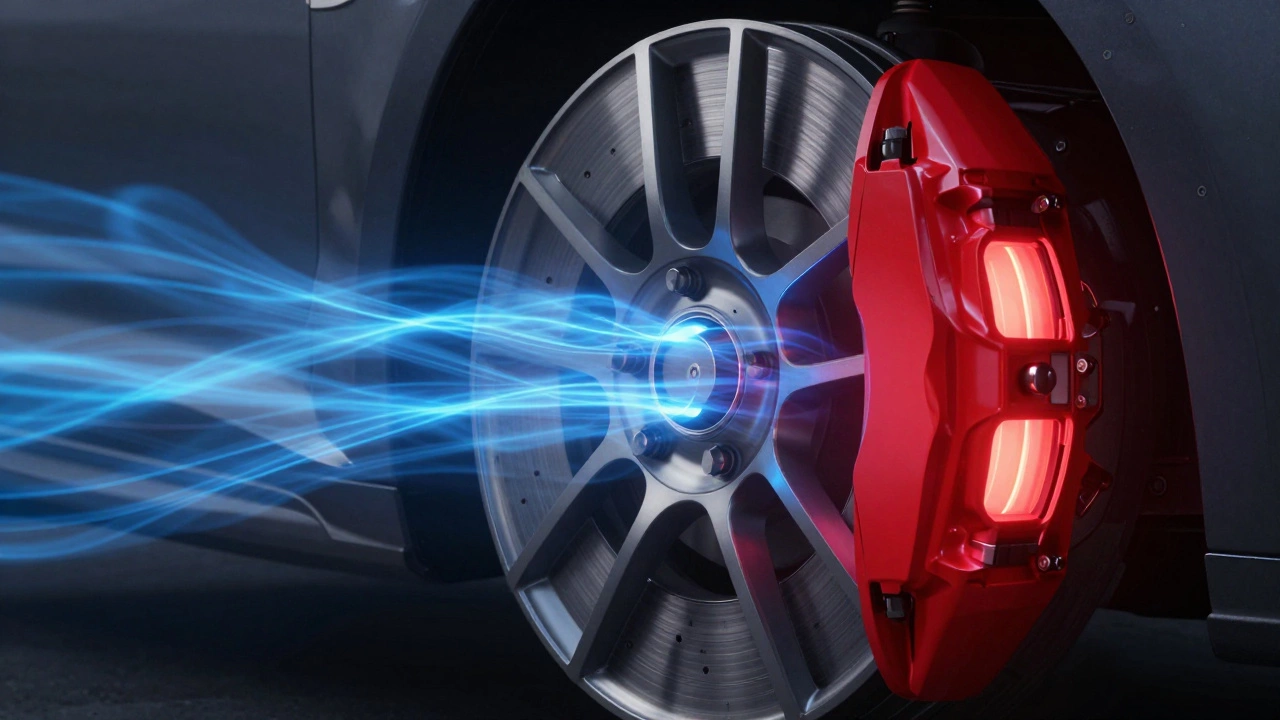
Ever felt your brakes "fade" or feel spongy after a long descent down a mountain road? That's heat soak. Your brake pads grip the rotors to stop the car, and that friction creates an immense amount of heat. If that heat stays trapped, your braking efficiency drops.
Steel wheels are basically heavy metal bowls that trap air. Aluminum Alloy, on the other hand, is a fantastic thermal conductor. Alloy wheels are designed with spokes and open gaps that allow air to flow directly over the brake components. This ventilation acts like a cooling system, whisking heat away from the Brake Rotors more efficiently. If you do a lot of stop-and-go driving in heavy city traffic, this extra cooling prevents warping and extends the life of your pads.
| Feature | Steel Wheels | Alloy Wheels |
|---|---|---|
| Weight | Heavy | Lightweight |
| Heat Dissipation | Poor | Excellent |
| Customization | Limited (usually hubcaps) | High (various spokes/finishes) |
| Durability | High (bends, doesn't crack) | Medium (can crack under extreme impact) |
| Fuel Economy | Standard | Potentially Better |
The Visual Appeal and Market Value
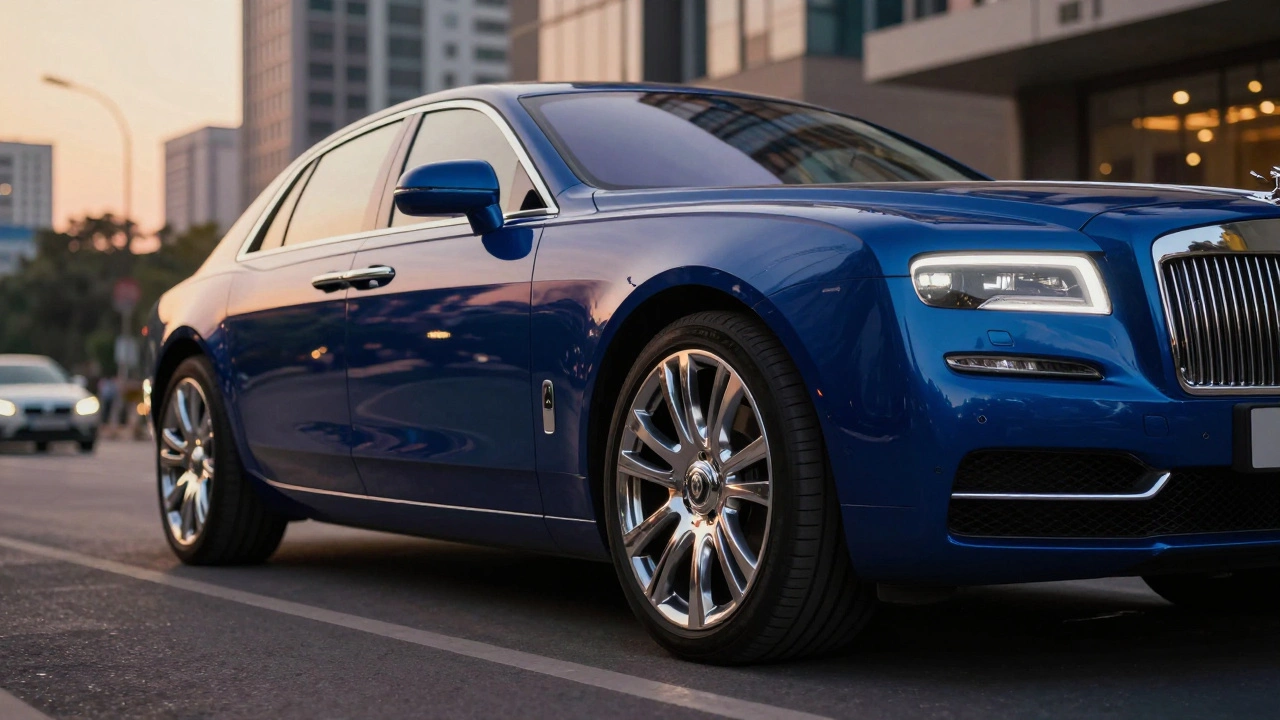
Let's be honest: a huge part of the draw is aesthetics. Steel wheels are functional, but they're boring. They almost always require a plastic hubcap to look acceptable. Alloy wheels are cast or forged into intricate shapes, from multi-spoke designs to deep-dish looks. Whether it's a matte black finish for a stealthy look or a polished chrome face for something flashy, alloys allow a car owner to express their style.
This visual upgrade also translates to resale value. If you're selling a used car, a vehicle equipped with well-maintained, high-quality alloys is far more attractive to buyers than one with rusty steel rims and cracked plastic covers. It signals that the previous owner cared about the vehicle's presentation and performance. In the enthusiast market, a set of brand-name wheels can actually hold a significant portion of their value over time.
Impact on Fuel Economy and Emissions
It might seem like a small change, but every gram counts when you're spinning a wheel thousands of times per kilometer. Because alloy wheels reduce the overall mass the engine has to rotate, there is less resistance. This means your Internal Combustion Engine or electric motor doesn't have to burn as much energy to maintain speed.
For example, moving from a heavy 16-inch steel wheel to a lightweight 16-inch alloy can slightly lower your fuel consumption. While you won't see a massive jump in MPG overnight, the cumulative effect over a year of driving is noticeable. It's a rare case where a performance upgrade also happens to be more environmentally friendly by reducing CO2 emissions through efficiency.
Practical Trade-offs: The Reality Check
It's not all sunshine and rainbows. If you're deciding whether to switch, you need to know the downsides. Steel wheels are the "tanks" of the automotive world. If you hit a massive pothole, a steel wheel will usually bend. A bend can often be hammered out by a professional. Alloy wheels, being more brittle, are more likely to crack under the same impact. A crack usually means you need a new wheel, which is significantly more expensive than a simple repair.
There's also the issue of "curb rash." Because alloys are often designed with a lip or a protruding edge for style, they are more prone to getting scratched when you park too close to a curb. While there are mobile repair services that can sand and paint these scratches away, it's a maintenance headache you don't have with basic steel wheels and hubcaps.
Choosing the Right Alloy: Casting vs. Forging
Not all alloys are created equal. If you go shopping, you'll see two main types: cast and forged. Most factory alloy wheels are Cast Aluminum. These are made by pouring molten metal into a mold. They're affordable and look great, but they have a higher weight-to-strength ratio.
Then you have Forged Wheels. These are created by smashing a solid piece of aluminum with a giant press. This process compresses the grain of the metal, making it incredibly strong and even lighter than cast wheels. If you're building a track car or a high-performance machine, forging is the gold standard. They can handle higher loads and extreme cornering forces without flexing, though you'll pay a premium price for that privilege.
Do alloy wheels make a car ride rougher?
Not necessarily. The wheel material itself doesn't change the ride quality. However, people often upgrade to alloy wheels that are larger in diameter, which means they have to use tires with shorter sidewalls (low-profile tires). It's the thinner rubber, not the alloy metal, that makes the ride feel stiffer and more bumpy over potholes.
Are alloy wheels safer than steel wheels?
In terms of handling and braking, yes. The reduced weight and better heat dissipation make the car more responsive and reduce the risk of brake fade. However, in a severe impact, steel is more likely to deform while alloy is more likely to crack, but this rarely affects the overall safety of the passenger cabin.
Can I put alloy wheels on any car?
Almost any car can take alloys, but you must match the bolt pattern (e.g., 5x114.3), the offset (how far the wheel sticks out), and the center bore. If you get the offset wrong, the wheels could rub against your suspension or fenders, which is dangerous and can damage the car.
How do I clean alloy wheels without damaging them?
Avoid using harsh acid-based cleaners which can strip the clear coat. Use a dedicated pH-neutral wheel cleaner and a soft microfiber brush. For wheels with a powder-coated or polished finish, a gentle soap and water wash is best to avoid micro-scratches.
Do alloys rust?
Aluminum doesn't "rust" in the way steel does (which creates flaky red iron oxide), but it can corrode. This usually looks like small white bubbles or pits under the paint. A good clear coat prevents this, but in snowy regions where road salt is used, regular cleaning is essential to prevent corrosion.
Next Steps for Your Upgrade
If you're ready to move away from steel, start by checking your current tire size. If you want a better ride, stick to the same diameter but look for a lighter alloy. If you want a more aggressive look, you can go up one or two inches in rim size, but remember to lower your tire profile to keep the overall rolling circumference the same, otherwise your speedometer will be wrong.
For those living in areas with harsh winters or terrible roads, a common pro tip is to keep a "winter set." Use your flashy alloys during the summer and switch back to rugged steel wheels with winter tires during the cold months. This protects your expensive alloys from salt damage and potholes while keeping your car safe in the snow.




Write a comment