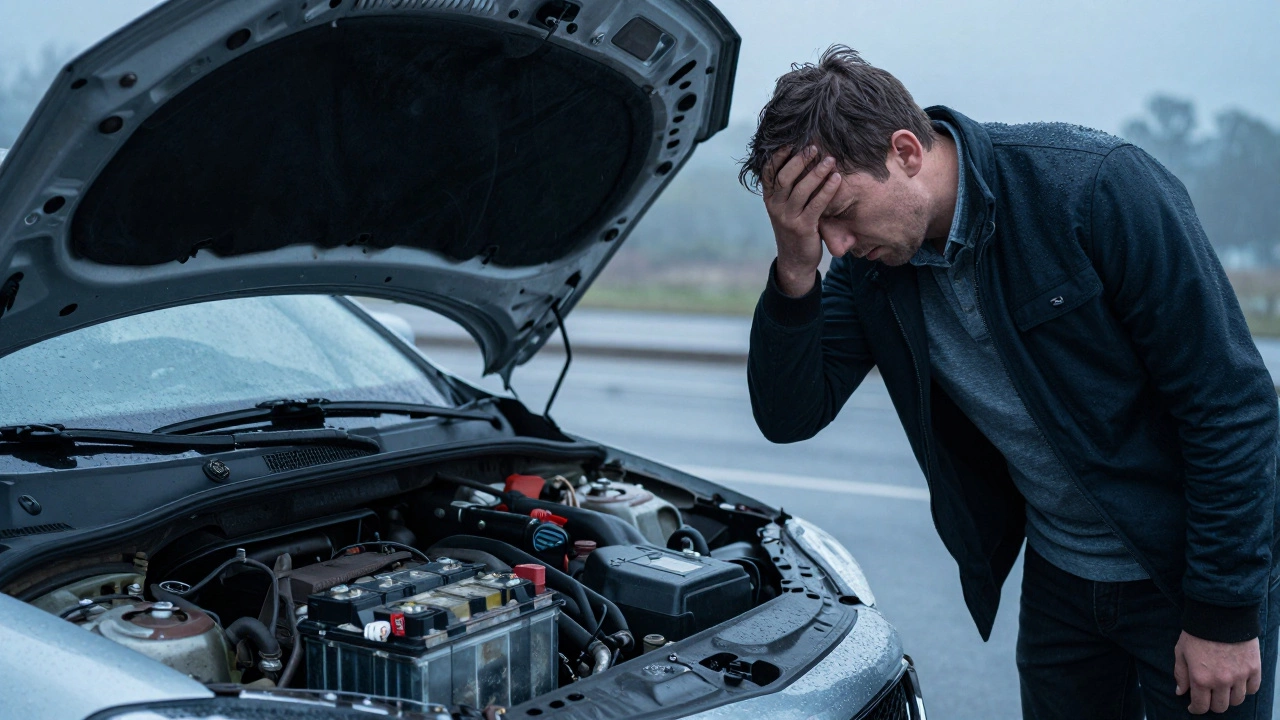
Car Battery Replacement Cost Estimator
Cost Comparison Calculator
Estimated DIY Total
Estimated Professional Total
Key Takeaways
- DIY installation typically saves between $50 and $150 in labor costs.
- Buying a battery from a big-box retailer is usually cheaper than buying through a dealership.
- Core charges can offset the cost of a new battery if you trade in the old one.
- Modern cars with "Battery Management Systems" may require a computer reset, which adds a hidden cost.
To understand if you're actually saving money, we need to look at what goes into a professional installation. When you take your car to a shop, you aren't just paying for the car battery is a rechargeable energy storage device that provides the necessary power to start an internal combustion engine and power electrical systems. You're paying for the diagnostic test, the labor to remove the old unit, the installation of the new one, and the convenience of not getting grease under your fingernails.
Breaking Down the Professional vs. DIY Cost
If you head to a dealership, you'll likely see a bundled price. They might charge you $200 for the battery and another $100 for the installation. In contrast, if you buy that same battery from a warehouse club or an auto parts store, you might get it for $150. If you spend 20 minutes swapping it out in your driveway, your total cost is just the price of the part. That's a direct saving of $150.
However, there is a concept called the Core Charge is a deposit paid at the time of purchase that is refunded when the old battery is returned to the retailer for recycling. Most shops handle this automatically. If you do it yourself, you must remember to bring your old battery back to the store to get that $20 to $30 refund. If you toss the old battery in the trash (which is illegal in most places due to lead and acid), you've effectively increased the price of your new battery by that amount.
| Expense Item | Professional Shop | DIY Home Install |
|---|---|---|
| Battery Hardware | $180 - $300 | $120 - $250 |
| Labor Cost | $50 - $150 | $0 |
| Testing/Diagnostics | Included or $20 | Free (at most auto stores) |
| Core Return | Handled by shop | User must return battery |
| Total Estimated | $250 - $450 | $120 - $250 |
The Hidden Complexity of Modern Vehicles
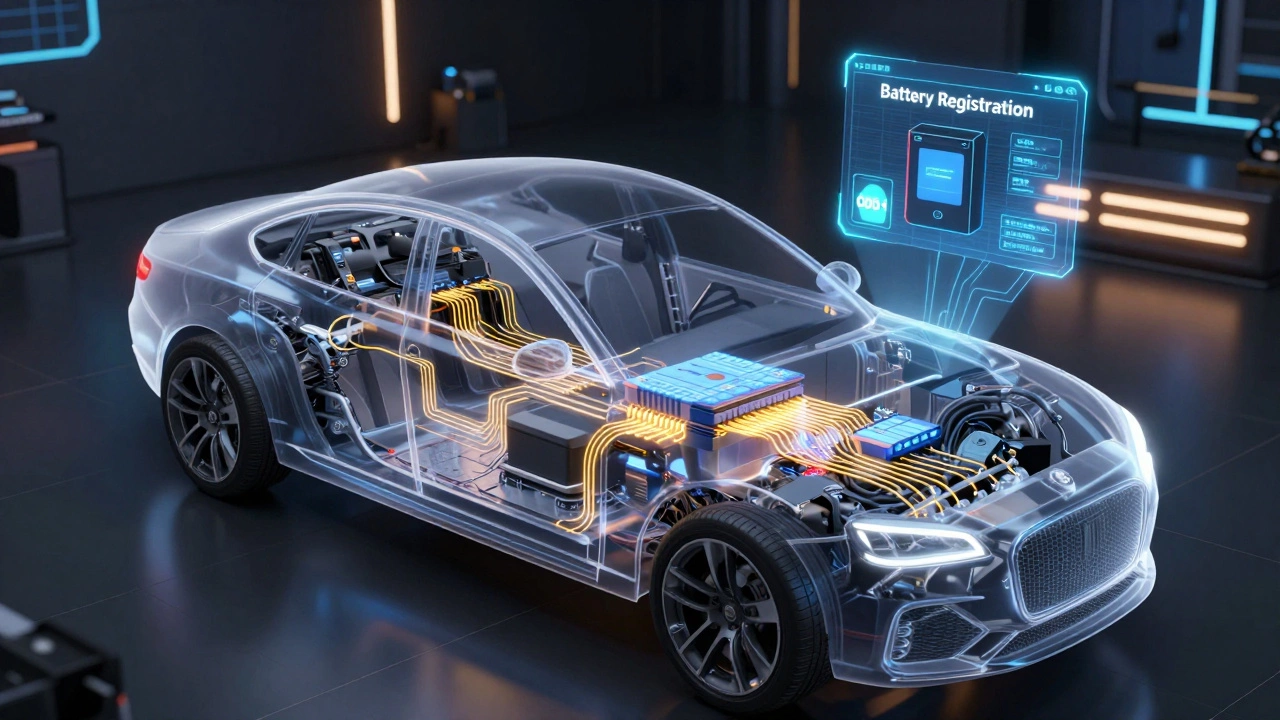
Back in the 90s, changing a battery was as simple as loosening two bolts and swapping a plastic box. Today, it's not always that easy. Many newer cars, especially those from brands like BMW or Audi, feature a Battery Management System is an electronic system that monitors the state of charge and health of the battery to optimize charging and energy use.
When you disconnect the battery in these cars, the computer might "forget" certain settings or, worse, fail to recognize the new battery. This requires a process called "battery registration," where a technician uses an OBD-II scanner to tell the car's alternator that a new battery is installed. If you skip this step, your alternator might overcharge the new battery, killing it in six months. If you have to pay a shop to register the battery after you installed it yourself, you've just spent $50 to $100, eating into your DIY savings.
Tools You'll Need to Actually Save Money
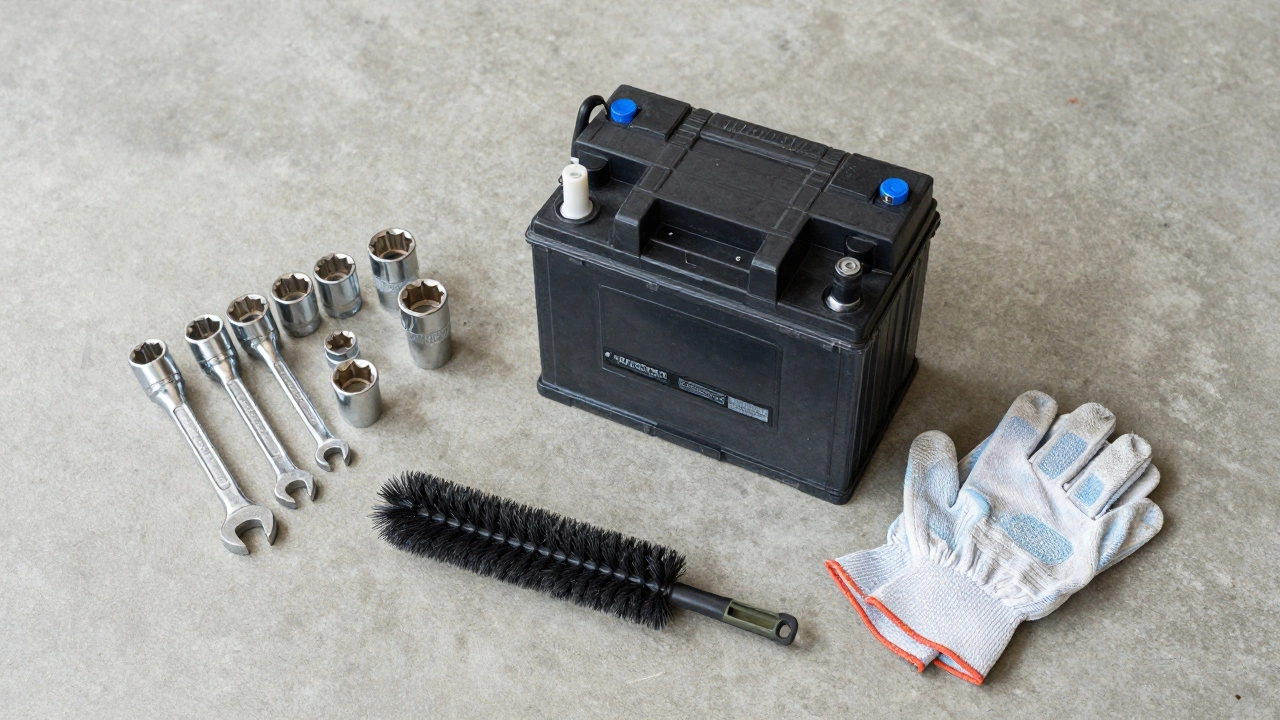
If you don't own a basic tool kit, the cost of buying tools can sometimes outweigh the labor savings. For a basic installation, you'll need a socket set (usually 10mm or 13mm) and a wrench. If you're starting from zero, a basic set might cost you $30. You should also consider a Battery Terminal Cleaner is a wire brush or chemical solution used to remove corrosion and oxidation from battery posts to ensure a strong electrical connection.
Ignoring corrosion is a classic DIY mistake. If you just slap a new battery into terminals covered in white, crusty powder, you'll have a poor connection. This can lead to slow charging and a car that struggles to start, making you think you bought a "dud" battery when the problem was actually your installation process. Spending $5 on a wire brush saves you from a potential second trip to the store.
Where to Buy for Maximum Savings
Not all batteries are created equal, and where you buy determines your bottom line. Dealerships usually sell OEM (Original Equipment Manufacturer) batteries, which are guaranteed to fit but are often marked up significantly. For those looking to install your own car battery on a budget, third-party retailers are the way to go.
Check stores like Costco or local automotive warehouses. They often sell high-quality AGM Batteries is Absorbent Glass Mat batteries that use a fiberglass mat to soak up electrolyte, making them leak-proof and more durable than standard lead-acid batteries. While AGM batteries cost more upfront, they typically last longer and handle vibration better, which lowers your "cost per year" of ownership.
Common Pitfalls That Can Cost You More
The "cheaper" route becomes the most expensive route the moment something goes wrong. The most common DIY error is reversing the polarity. If you connect the positive cable to the negative terminal, you could fry your Alternator is a generator that converts mechanical energy to electrical energy to charge the battery and power the car while running. Replacing an alternator can cost upwards of $500, instantly erasing any savings from the DIY battery swap.
Another risk is the "wrong size" mistake. Batteries come in different Group Sizes. If you buy a battery that is slightly too large, you'll be fighting the hold-down brackets for an hour, potentially damaging the battery case. Always use a fitment guide or take your old battery with you to the store to match the dimensions exactly.
Is the DIY Route Right For You?
If you have a standard vehicle without a complex electronics system, the DIY route is almost always cheaper. You save on labor, you can shop around for the best price, and you gain a bit of confidence in maintaining your own machine. However, if you drive a high-end European car or an electric hybrid with a complex 12V system, the risk of a computer error might make the professional fee worth every penny.
How long does it actually take to change a battery yourself?
For most cars, the physical swap takes about 15 to 30 minutes. This includes removing the old battery, cleaning the terminals, and securing the new one. If you have to remove a plastic engine cover or air box first, it might take closer to an hour.
Can I just recharge my old battery instead of buying a new one?
You can try using a battery charger, but if the battery is over 4-5 years old or has a dead cell, charging is only a temporary fix. A multimeter can tell you if the battery is actually holding a charge; if it reads below 12.2 volts after a full charge, it's time for a replacement.
What happens if I don't return the old battery?
You lose your core charge refund, which is typically $18 to $30. More importantly, lead-acid batteries are hazardous waste. Dumping them in a landfill can leak sulfuric acid into the ground, which is why most jurisdictions have strict laws requiring them to be recycled through authorized centers.
Do I need special tools for an AGM battery vs a standard one?
No, the tools for installation are the same. However, if you are charging them, you need a charger that has a specific "AGM" setting. Using a standard high-voltage charger on an AGM battery can overheat it and permanently damage the internal mats.
Will I lose my radio presets if I change the battery?
In many older cars, yes. You'll lose your clock settings and radio presets. Some people use a "memory saver" device-a small plug-in battery that keeps the car's computer powered while the main battery is out-to avoid this annoyance.
Next Steps and Troubleshooting
If you've decided to go the DIY route, start by checking your owner's manual for the exact battery specifications. Once you have the new unit, always remember to disconnect the negative (black) terminal first and reconnect it last. This prevents you from creating a short circuit if your wrench touches a metal part of the car while loosening the positive terminal.
If the car doesn't start immediately after installation, check for two things: first, ensure the terminals are tight (they shouldn't move if you wiggle them by hand), and second, check for any leftover corrosion on the cable connectors. If you have a modern car and the dashboard is lighting up with weird errors, you may need to visit a local shop for a quick electronic reset to register the new battery.



Write a comment