Spark Plug Replacement Cost Estimator
Use this tool to estimate how much you'll spend on parts and labor for a full spark plug replacement.
Estimated Cost Breakdown
Parts Cost
$0
Labor Cost
$0
Total Estimated
$0
Ever started your car and felt that slight hesitation before it finally caught? Or maybe you’ve noticed your fuel economy slipping without a clear reason. It’s easy to blame traffic or driving habits, but the culprit is often hiding deep inside your engine bay: your spark plugs. These small but mighty components are responsible for igniting the air-fuel mixture in your cylinders. Without them, your engine wouldn’t just run poorly-it wouldn’t run at all. Understanding their lifespan isn't just about maintenance schedules; it's about keeping your vehicle running smoothly and saving money on fuel.
If you're wondering exactly how long these parts last, the answer depends heavily on the material they're made from. But before we get into the numbers, let's talk about why this matters. A failing spark plug doesn't just cause misfires; it can damage your catalytic converter, which is exponentially more expensive to fix. So, knowing when to replace them is a smart financial move. For those looking for other ways to manage personal budgets while maintaining lifestyle standards, resources like this directory offer various options for verified services, though staying on topic with automotive care is our priority here today.
How Long Do Spark Plugs Actually Last?
The life of spark plugs varies significantly based on the type of metal used in their construction. Manufacturers design different plugs for different needs, balancing cost against longevity. Here is a breakdown of what you can expect from the most common types found in modern vehicles.
| Spark Plug Type | Average Mileage | Best For |
|---|---|---|
| Copper (Standard) | 20,000 - 30,000 miles | Older cars, high-performance engines needing frequent tuning |
| Platinum | 60,000 - 100,000 miles | Most modern standard vehicles |
| Iridium | 80,000 - 120,000+ miles | Newer cars, direct injection engines, long-interval maintenance |
Copper plugs were the industry standard for decades. They conduct electricity well but wear down quickly because the electrode erodes faster under heat and voltage stress. If you drive an older muscle car or a classic vehicle, you might still be using copper. However, most cars built after the early 2000s come equipped with platinum or iridium plugs from the factory. Iridium, being a denser and harder metal than platinum, allows for a finer center electrode. This means the spark gap can be smaller, requiring less voltage to jump the gap, which improves efficiency and extends the plug's life dramatically.
Symptoms of Worn-Out Spark Plugs
You don't always need to pull out the odometer to know if your plugs are dying. Your car will usually give you warning signs long before it completely fails to start. Paying attention to these cues can save you from being stranded on the side of the road.
- Engine Misfires: This is the most obvious sign. You’ll feel a stuttering or jerking sensation, especially when accelerating. The engine control unit (ECU) may detect this and trigger the Check Engine Light.
- Poor Fuel Economy: If your plugs are worn, the spark is weaker, leading to incomplete combustion. Unburned fuel is wasted, meaning you’re paying for gas that isn’t powering your car. You might notice filling up more frequently than usual.
- Hard Starting: Cranking the engine takes longer than normal. The battery turns the starter, but the engine hesitates to catch because the spark isn’t strong enough to ignite the mixture reliably.
- Rough Idle: When stopped at a red light, the engine should hum smoothly. If you feel vibrations through the steering wheel or seat, or hear the engine shaking unevenly, the plugs could be the issue.
- Lack of Acceleration: Pressing the gas pedal feels sluggish. The car seems to lack power, particularly when merging onto highways or climbing hills.
Ignoring these symptoms doesn't just make for an unpleasant drive. It puts extra strain on other components. For instance, unburned fuel can wash over the cylinder walls, diluting your oil and causing increased engine wear. Worse yet, raw fuel entering the exhaust system can overheat and melt the catalyst in your catalytic converter, leading to a repair bill that runs into thousands of dollars.

Factors That Shorten Spark Plug Life
Even if you have high-quality iridium plugs rated for 100,000 miles, several factors can drastically reduce their lifespan. Understanding these variables helps you anticipate when a replacement might be needed sooner than the manual suggests.
Driving Habits: Frequent short trips where the engine never fully warms up can lead to carbon buildup on the electrodes. Cold starts require more fuel enrichment, and if the engine shuts off before burning off excess moisture and oil vapors, deposits accumulate. Conversely, aggressive driving with high RPMs generates more heat, which can accelerate erosion, although modern plugs are designed to handle this better than older models.
Engine Condition: Oil burning engines are a nightmare for spark plugs. If your piston rings or valve seals are leaking oil into the combustion chamber, the oil coats the plug tips. This insulation prevents the spark from jumping the gap effectively, fouling the plug almost immediately. Similarly, coolant leaks from a blown head gasket can contaminate the plugs with white, crusty deposits.
Fuel Quality: While less common today with modern fuel additives, low-quality gasoline can leave behind residue. Some fuels contain higher levels of sulfur or other impurities that build up on the electrodes. Using premium fuel in a car that requires regular usually offers no benefit, but using lower-grade fuel than recommended can sometimes exacerbate pre-ignition issues, stressing the plugs.
When Should You Replace Them?
The best time to replace spark plugs is according to your vehicle manufacturer’s recommendations. Check your owner’s manual. It will specify the interval for your specific engine model. For many modern cars with iridium plugs, this interval is often around 100,000 miles. However, if you experience any of the symptoms mentioned earlier, don’t wait for the mileage marker.
It’s also wise to consider replacing spark plugs during major service intervals, such as when you change your timing belt or water pump. Since accessing spark plugs often requires removing intake manifolds or other components in some engine designs, doing it while the engine is already partially disassembled can save on labor costs.
DIY vs. Professional Installation
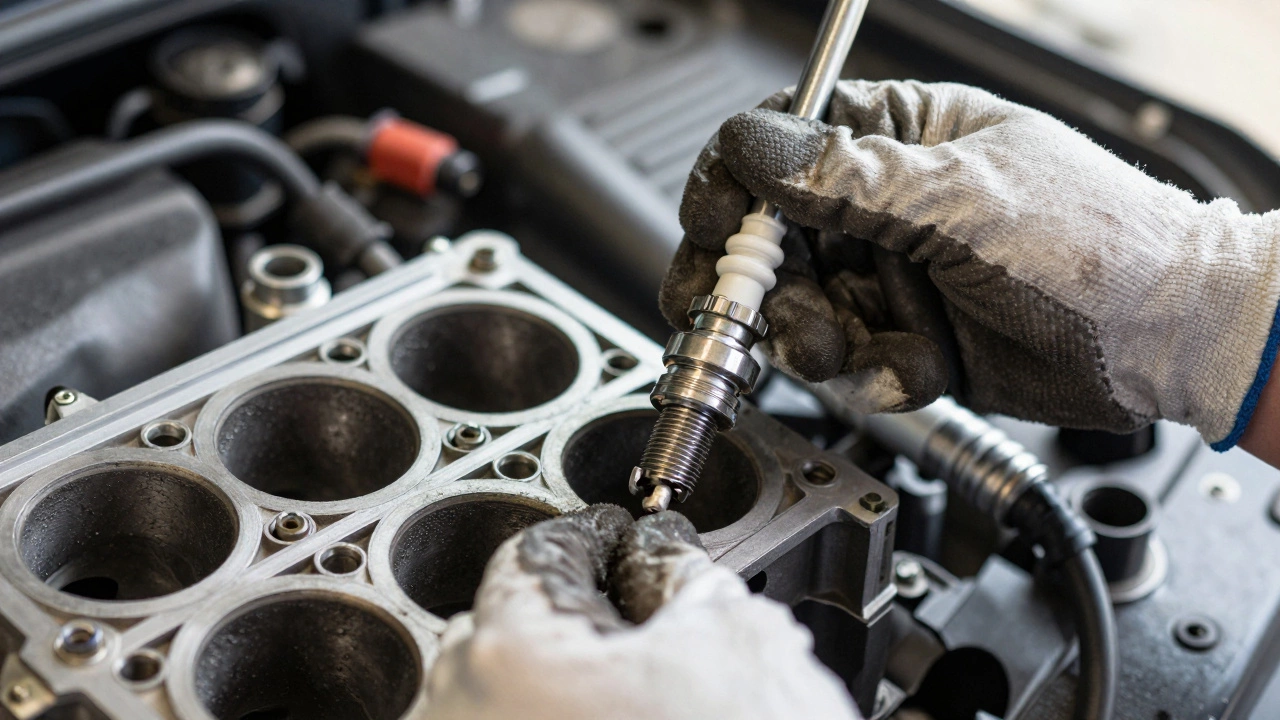
Replacing spark plugs is one of the more accessible DIY tasks for car owners, but it’s not without risks. If you have basic mechanical skills and the right tools-a torque wrench, a spark plug socket, and an extension bar-you can save significant money. Labor costs for a professional mechanic can range from $50 to $150 per hour, and a full set replacement might take an hour or two depending on the engine layout.
However, caution is critical. Over-tightening a spark plug can strip the threads in the aluminum cylinder head, a catastrophic failure that requires extensive machining to fix. Under-tightening can lead to overheating and pre-ignition. Always follow the manufacturer’s torque specifications precisely. Additionally, dropping debris into the spark plug hole while the plug is removed can send metal fragments into the cylinder, scoring the piston rings and cylinder walls. Using a vacuum tool to clean the area before removal is a pro tip that prevents this disaster.
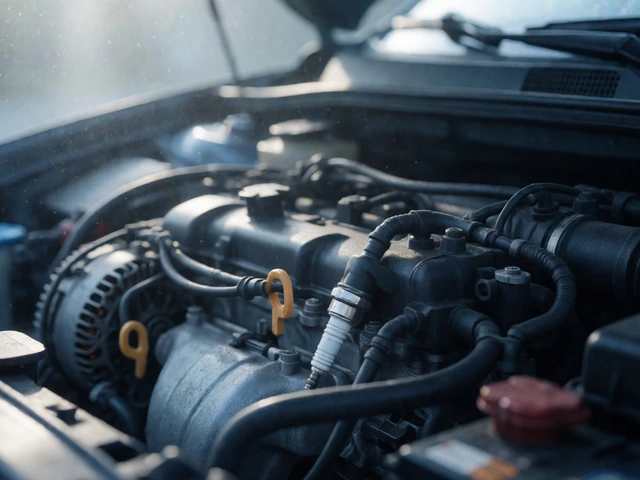
If your engine has coil-on-plug ignition systems, which are standard in most cars now, the process is generally straightforward. Remove the ignition coil, disconnect the electrical connector, unscrew the coil, remove the old plug, insert the new one, and reverse the steps. But if your engine design is complex, with tight spaces or hidden plugs, it might be worth paying a professional to ensure it’s done correctly.
Choosing the Right Spark Plug
When it’s time to buy replacements, don’t just grab the cheapest option. Stick to the type specified in your owner’s manual. Using a hotter plug than recommended can cause pre-ignition, where the fuel ignites before the spark fires, potentially destroying pistons. Using a colder plug can lead to fouling and poor performance.
Brand matters too. Reputable manufacturers like NGK, Denso, Bosch, and Champion invest heavily in research and development. Their plugs meet strict quality control standards. Aftermarket generic plugs might look identical but often use inferior materials that degrade faster. Given that you only replace them every few years, spending a bit more on quality ensures reliability and protects your engine investment.
Can I mix different brands of spark plugs?
It is not recommended. Different brands may have slightly different heat ranges and electrode designs. Mixing them can lead to inconsistent combustion across cylinders, causing rough idling and reduced efficiency. Always replace all plugs in the engine with the same brand and model.
Do I need to gap my new spark plugs?
Many modern plugs come pre-gapped from the factory. However, it is good practice to check the gap with a feeler gauge before installation. Transport and handling can sometimes knock the electrode out of alignment. Ensure the gap matches your vehicle’s specification.
Why does my car shake when I accelerate?
Shaking during acceleration is often a sign of engine misfires. Worn spark plugs are a common cause. Other potential causes include bad ignition coils, clogged fuel injectors, or vacuum leaks. Diagnosing the specific misfiring cylinder with an OBD2 scanner can help pinpoint the issue.
How much does it cost to replace spark plugs?
Parts typically cost between $10 and $100 depending on the type (copper vs. iridium). Labor can add $50 to $300 depending on the complexity of your engine. Doing it yourself can save you hundreds of dollars if you have the necessary tools.
Can bad spark plugs damage my catalytic converter?
Yes. Misfiring engines dump unburned fuel into the exhaust system. This fuel ignites in the hot catalytic converter, causing extreme temperatures that can melt the internal honeycomb structure. Replacing a catalytic converter is far more expensive than replacing spark plugs.



Write a comment