Spark Plug Maintenance & Cost Estimator
Determine your replacement interval and potential efficiency gains
Analysis Results
Quick Summary
- Fresh plugs fix misfires and rough idling.
- Replacing worn plugs improves fuel economy and acceleration.
- Upgrading materials (like Iridium) can extend the life of your ignition system.
- Installing the wrong gap or heat range can actually damage your engine.
How Spark Plugs Actually Affect Your Drive
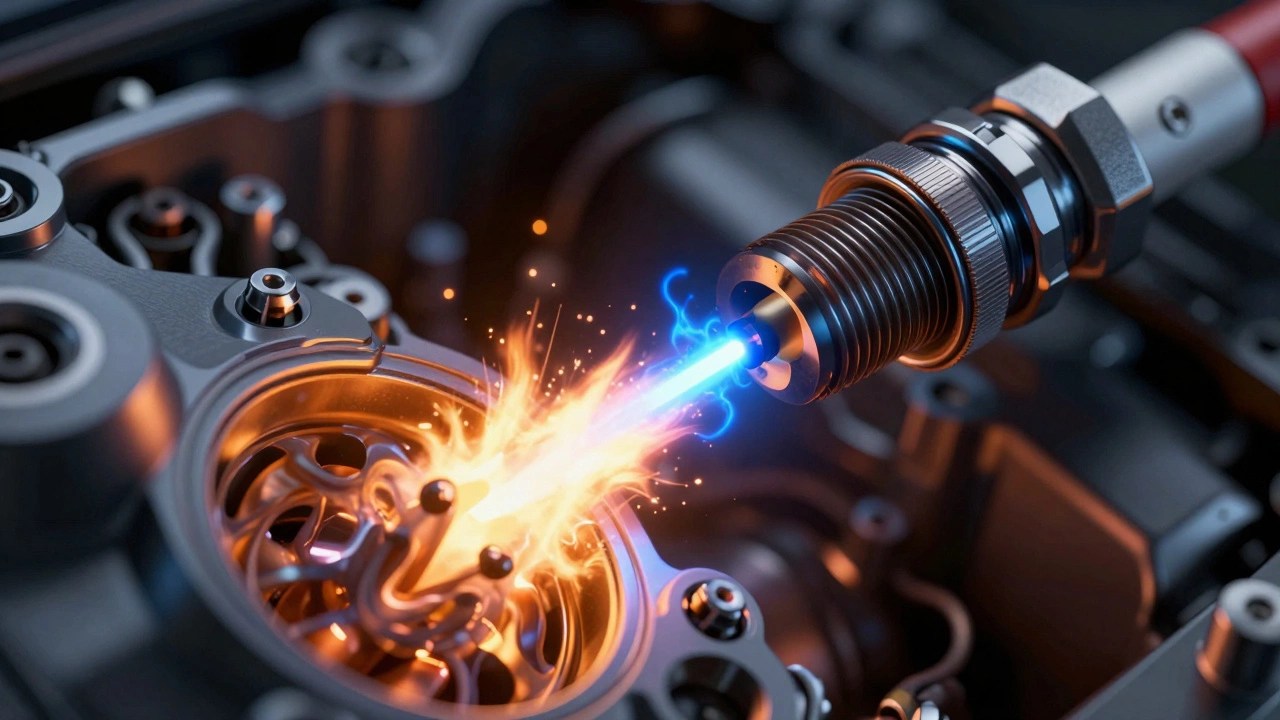
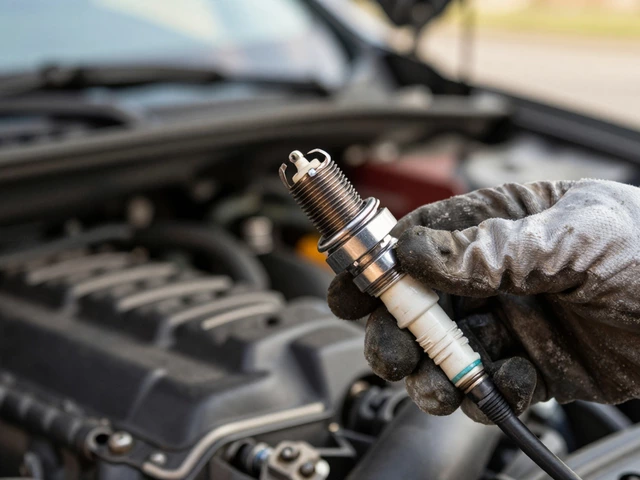
To understand if a change in plugs helps, you first need to know what they do. A Spark Plug is a device that fits into the cylinder head of an internal combustion engine to ignite the compressed air-fuel mixture via an electric spark. Think of it as the match that starts the fire in your engine. If that match is damp, dirty, or worn down, the fire doesn't start perfectly.
When a plug is old, the gap between the electrodes widens. This means the Ignition Coil has to work harder to jump the gap. If the spark fails to jump, you get a misfire. You'll feel this as a shudder in the steering wheel or a stumble when you accelerate. By replacing these, you restore the precise timing and strength of the spark, which makes the engine feel smooth again. It's not about adding power; it's about recovering the power your engine is supposed to have.
Signs Your Engine is Begging for New Plugs
You don't always need to follow the manual blindly. Sometimes your car tells you exactly when it's time for a change. If you notice a rough idle-where the car feels like it's vibrating while stopped at a red light-that's a classic sign. Another tell-tale symptom is difficulty starting the car in the morning. If the engine cranks for a few seconds longer than usual, the plugs might be fouled with carbon deposits.
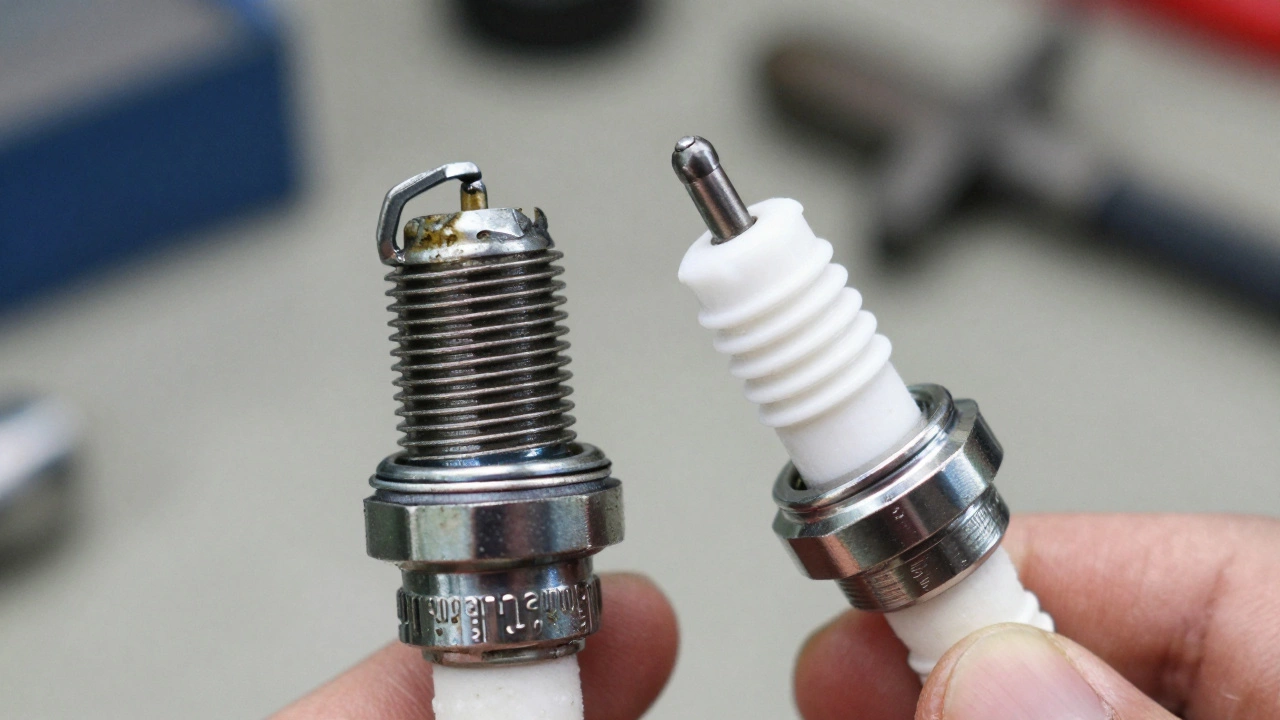
Then there's the fuel economy. When a plug doesn't ignite the fuel completely, some of that gasoline just pushes out the exhaust pipe without ever being burned. You're literally throwing money away. If you've noticed your MPG dropping without any other changes in your driving habits, a quick check of the plugs is a smart move. A fouled plug often looks black and oily or has a rounded-off electrode, indicating it's spent its useful life.
Comparing Spark Plug Materials: Which One Wins?
Not all plugs are created equal. Depending on your budget and how often you like to work on your car, you'll choose between different materials. Copper is the old school choice-great conductivity but wears out fast. Platinum is a step up, and Iridium is the gold standard for modern vehicles. Iridium is a hard, precious metal that allows for a much thinner center electrode, which means a more efficient spark and a longer lifespan.
| Material | Durability | Performance | Typical Lifespan |
|---|---|---|---|
| Copper | Low | High (Excellent heat transfer) | 20,000 - 40,000 miles |
| Platinum | Medium | Consistent | 60,000 - 100,000 miles |
| Iridium | High | Optimal (Precision spark) | 100,000+ miles |
The Danger of the 'Wrong' Plug
Many people think that buying the most expensive plug will automatically make their car run better. That's a myth. Your engine is designed for a specific Heat Range. The heat range determines how quickly the plug dissipates heat from the combustion chamber. If you install a plug that is too "cold" for your engine, it won't get hot enough to burn off carbon deposits, leading to fouling. If it's too "hot," it can cause pre-ignition, which can literally melt a hole in your piston.
Then there is the electrode gap. The gap is the tiny space between the center and side electrode. If the gap is too wide, the spark might not jump at all. If it's too narrow, the spark is too weak to ignite the fuel mixture effectively. Most modern plugs come pre-gapped, but it's always a good idea to check them with a gap tool before installing them to ensure your Combustion Chamber is operating exactly as the engineers intended.
Step-by-Step: Replacing Plugs the Right Way
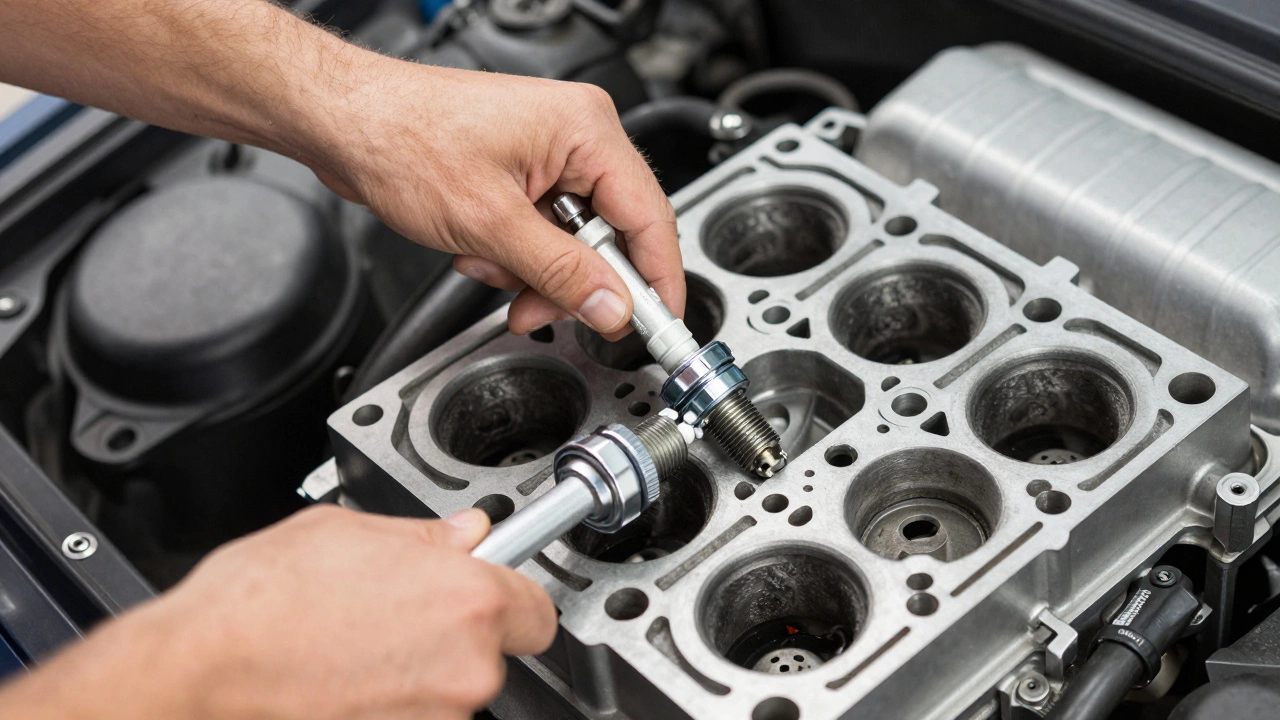
If you've decided to tackle this yourself, don't just start cranking. A few mistakes can turn a 30-minute job into a weekend at the mechanic. First, always change your plugs when the engine is cool. Trying to remove plugs from a hot aluminum cylinder head is a great way to strip the threads, which is a nightmare to fix.
- Disconnect the negative battery terminal to avoid any electrical shorts.
- Remove the ignition coil or spark plug wire carefully. Don't tug on the wires; use a proper release clip.
- Use a spark plug socket and a torque wrench. This is the most important part. Over-tightening can crack the porcelain, while under-tightening can lead to compression leaks.
- Check the old plug for clues. If it's white and blistered, your engine is running too hot. If it's covered in black soot, you're running too rich.
- Thread the new plug in by hand first. Never start with the wrench. You need to feel the threads engage to ensure you aren't cross-threading.
- Tighten to the manufacturer's specified torque setting.
The Bigger Picture: When Plugs Aren't the Problem
Sometimes, people replace their plugs and find that the engine still runs like a tractor. This is where the Ignition System comes into play. If your Ignition Coils are failing or your spark plug wires are frayed and leaking voltage, new plugs won't solve the problem. You can have the best plugs in the world, but if the electricity can't reach them, they're just expensive pieces of ceramic.
Similarly, if your Fuel Injectors are clogged, the engine will still stumble because it's not getting the right amount of fuel. Spark plugs are the final step in the process. If the fuel and air aren't mixed correctly, the spark is just trying to light a fire with wet wood. If new plugs don't fix your issues, it's time to look at the fuel system or the air intake for a vacuum leak.
Can I put Iridium plugs in a car that came with Copper?
Generally, yes, as long as the heat range and gap are the same. Iridium is usually an upgrade in terms of longevity and efficiency. However, check your owner's manual first, as some older engines are specifically tuned for the faster heat transfer of copper plugs.
Will new spark plugs increase my horsepower?
Not in the sense of adding new power. They won't turn a V6 into a V8. However, they will restore the horsepower you've lost due to wear and tear. If your old plugs were causing misfires, the difference will feel like a massive increase in power.
How often should I actually change them?
It depends on the material. Copper plugs usually need changing every 30,000 miles. Platinum and Iridium can last 100,000 miles or more. Always follow your vehicle's maintenance schedule, but keep an eye out for performance drops around the 60k mark for long-life plugs.
Why does my check engine light come on after changing plugs?
This is usually due to one of three things: a loose ignition coil, a cracked porcelain insulator on the new plug, or an incorrect gap. If you didn't seat the coil fully, the engine will detect a misfire and trigger the light immediately.
Can I just clean my old spark plugs instead of replacing them?
You can use a wire brush to remove carbon deposits, but this is a temporary fix. It doesn't fix the actual wear of the metal electrode. Once the metal has eroded, cleaning it won't bring back the correct spark gap, and you'll be right back where you started.
Next Steps for Engine Health
If you've just replaced your plugs and want to keep your engine in top shape, don't stop there. Now is the perfect time to check your air filter. A clogged filter restricts airflow, which forces the engine to run rich and can foul your brand-new spark plugs much faster. If you're seeing a lot of carbon on your old plugs, you might also want to consider a high-quality fuel system cleaner to remove deposits from your injectors.
For those who drive in extreme conditions-like heavy towing in the summer or idling in freezing winters-pay closer attention to your intervals. Harsh environments wear out the electrodes faster. If you're unsure about which plug to use for a specific modification, like a forced induction setup, always consult with a specialist to ensure you have the correct heat range to avoid catastrophic engine failure.



Write a comment