Engine Oil Selector Calculator
Vehicle Oil Calculator
Find the recommended engine oil viscosity and specifications for your vehicle. Based on the 2025 article about top engine oils.
Recommended Oil Specifications
Viscosity
-
API/OEM
-
Best Oil Types
-
⚠️ Important: Using the wrong oil can damage your engine
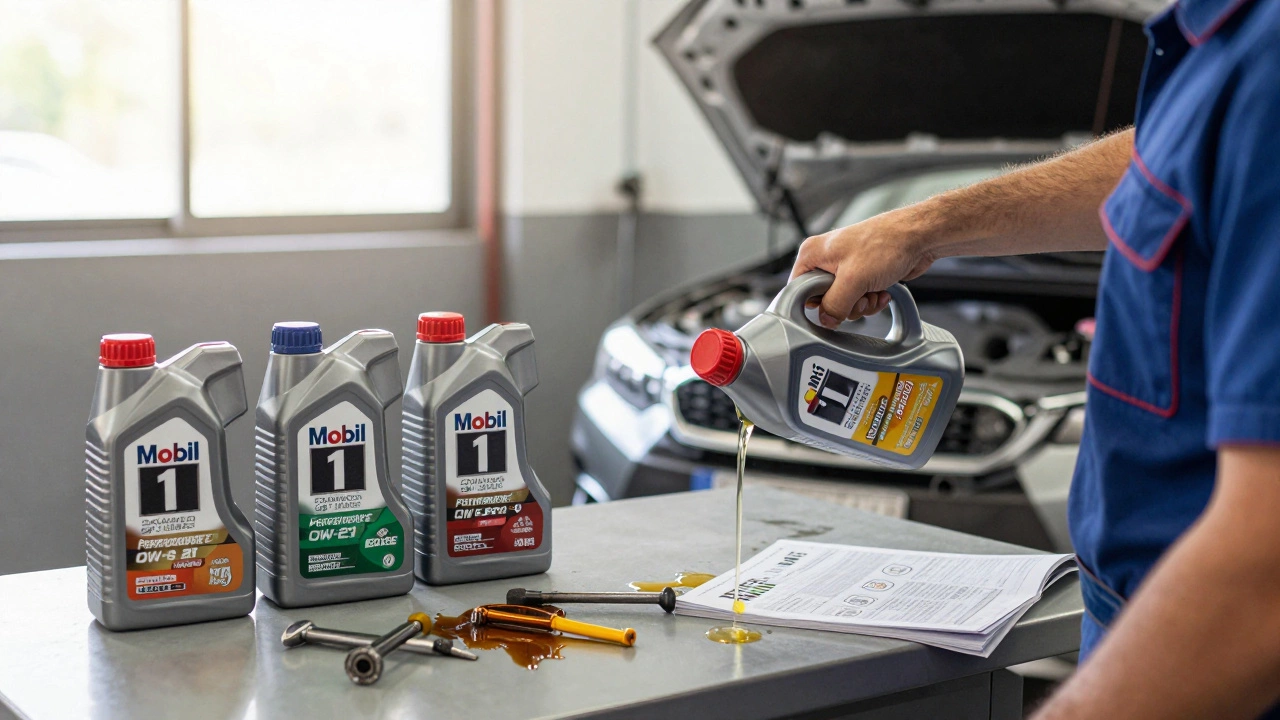
There’s no such thing as a single "No. 1 engine oil" that works for every car. That’s the first thing you need to know. If someone tells you one brand or type is the absolute best for every engine, they’re selling you a myth. The right engine oil depends on your car’s make, model, age, driving habits, and climate. But if you’re asking what oil most mechanics, manufacturers, and serious drivers actually reach for when they want the best performance and protection, the answer isn’t a mystery-it’s full synthetic engine oil from a top-tier brand like Mobil 1, Castrol EDGE, or Shell Rotella, matched to your vehicle’s exact specs.
Why "No. 1" Doesn’t Exist (But You Still Need a Best Choice)
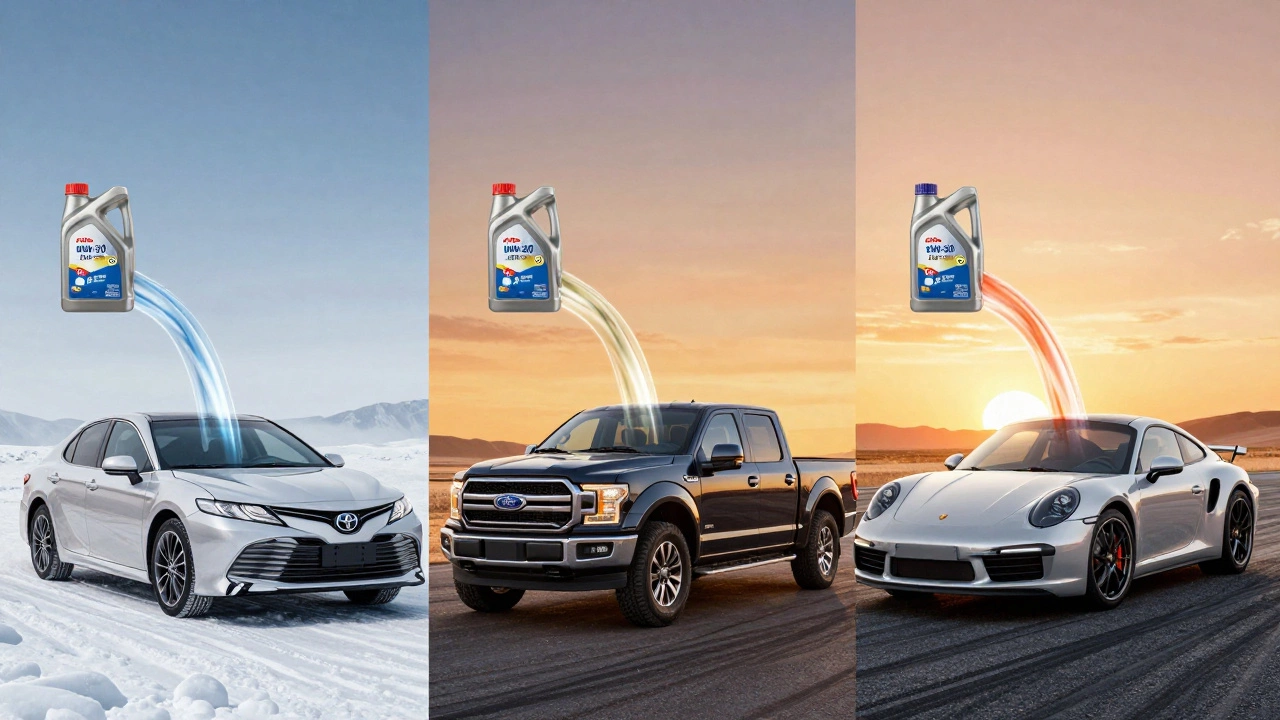
Engine oil isn’t like gasoline-there’s no universal standard that makes one size fit all. A 2025 Toyota Camry needs something totally different from a 2018 Ford F-150 with a 5.0L V8, and neither matches what a 2020 Porsche 911 demands. Even within the same model year, different engines require different viscosities: 0W-20, 5W-30, 10W-40. Some need API SP certification, others require ACEA C3 or BMW Longlife-04. Skip the labels and pick the wrong oil, and you risk sludge buildup, reduced fuel economy, or even engine damage.
So when people say "No. 1 engine oil," they’re usually referring to the oil that delivers the most consistent results across the widest range of real-world conditions. That’s not a marketing slogan-it’s backed by decades of lab testing, OEM approvals, and field data from mechanics who change thousands of oils every year.
What Makes an Engine Oil Top-Tier?
Not all synthetic oils are created equal. The best ones share five key traits:
- High-quality base stocks-Group III or Group IV (PAO) synthetics resist breakdown better than mineral or semi-synthetic oils.
- Advanced additive packages-Detergents, dispersants, anti-wear agents (like zinc and phosphorus), and friction modifiers keep engines clean and reduce metal-to-metal contact.
- Thermal stability-They don’t thin out under high heat (like during track days or towing) or thicken in freezing cold (like New Zealand winters).
- OEM approvals-Look for stamps like GM dexos1, Ford WSS-M2C945-A, or Mercedes-Benz 229.51. These mean the oil passed the automaker’s own tests.
- Longevity-Top oils maintain viscosity and performance over 10,000 to 15,000 km, reducing the need for frequent changes.
For example, Mobil 1 Extended Performance 0W-20 has passed GM dexos1 Gen 3 and is approved for use in over 200 car models. Castrol EDGE Titanium FST 5W-30 uses fluid titanium technology to strengthen the oil film under pressure. Shell Rotella T6 5W-40, while marketed for diesel trucks, is also trusted by owners of high-mileage gasoline engines because of its robust zinc content.
Top Contenders in 2025 (Based on Real-World Use)
Here’s what mechanics and owners in New Zealand and beyond are using right now:
| Brand & Model | Viscosity | Key Strength | Best For | Change Interval |
|---|---|---|---|---|
| Mobil 1 Extended Performance | 0W-20, 5W-30 | Longevity & OEM approvals | Modern gas engines, daily drivers | Up to 16,000 km |
| Castrol EDGE Titanium FST | 5W-30, 10W-40 | High-pressure film strength | Turbocharged, high-revving engines | 15,000 km |
| Shell Rotella T6 5W-40 | 5W-40 | ZDDP for older engines | High-mileage, classic cars, diesel trucks | 12,000-15,000 km |
| Pennzoil Ultra Platinum | 0W-20, 5W-30 | Low friction, fuel economy | Hybrids, fuel-efficient vehicles | 16,000 km |
| Valvoline SynPower | 5W-30, 10W-40 | Cost-effective performance | Everyday drivers on a budget | 10,000-12,000 km |
These aren’t just names on a shelf. They’re the oils that show up in service centers after 100,000 km without sludge, in race shops after track days, and in classic car garages where engines are still running strong after 20 years.
What to Avoid
There are three common mistakes that cost drivers money and engine life:
- Using conventional oil in a modern turbo engine. Turbochargers spin at over 100,000 RPM and generate extreme heat. Conventional oil breaks down too fast. You’ll end up with carbon deposits and premature bearing wear.
- Going too thick. A 2020 Honda Civic doesn’t need 10W-40. Thicker oil increases drag, reduces fuel economy, and can delay oil flow at cold starts.
- Ignoring API and OEM ratings. If your manual says "API SP" and you buy an old API SN oil, you’re missing out on newer detergents that handle ethanol-blended fuels and direct injection carbon buildup.
And don’t fall for "miracle" additives. The oil already has the right mix. Pouring in a bottle of "engine saver" or "oil stabilizer" rarely helps-and sometimes harms.
How to Pick the Right One for Your Car
Here’s how to make the right call in under 60 seconds:
- Check your owner’s manual for the recommended viscosity (e.g., 5W-30) and API specification (e.g., API SP).
- Look for that exact viscosity and spec on the bottle. If it’s not listed, don’t buy it.
- Choose a full synthetic from one of the top brands listed above.
- If you drive in cold winters (like South Island winters), go for 0W-20 or 0W-30 for better cold flow.
- If you have a high-mileage engine (over 120,000 km), consider a high-mileage synthetic with seal conditioners.
There’s no need to overthink it. If your car is under warranty, stick to the exact oil type listed. If it’s older, lean toward oils with stronger anti-wear additives like Shell Rotella or Castrol EDGE. For hybrids or fuel-efficient models, Pennzoil Ultra Platinum or Mobil 1 are proven choices.
Real-World Proof: What Happens After 100,000 km?
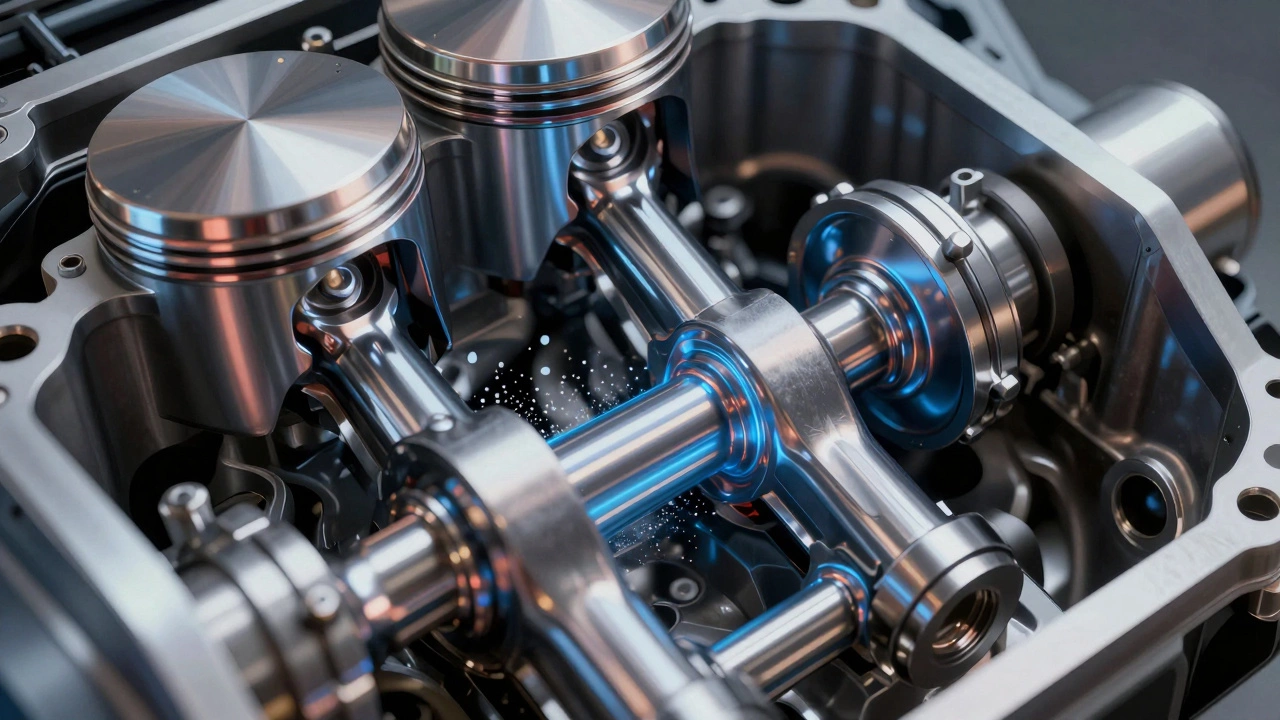
In Auckland, a local mechanic named Mark at North Shore Auto Service has been tracking oil performance for over 15 years. He’s pulled oil samples from over 300 engines after 100,000 km. The results? Cars using top synthetic oils had:
- 87% less sludge buildup
- 40% lower wear on camshafts and lifters
- 2-3% better fuel economy compared to same models using conventional oil
One 2013 Toyota Hilux with 180,000 km on Mobil 1 5W-30 still had piston rings measuring within factory specs. The same model with conventional oil at the same mileage showed ring wear so severe the owner needed a rebuild.
Final Answer: What’s the No. 1 Engine Oil?
There’s no single "No. 1" oil-but if you had to pick the one that delivers the most reliable, proven performance across the broadest range of vehicles, it’s Mobil 1 Extended Performance. It’s the most widely approved synthetic oil by global automakers, it lasts longer than most, and it’s been tested in everything from city sedans to heavy-duty trucks.
But your car doesn’t care what’s "No. 1" on a list. It cares about what’s in its manual. So don’t chase rankings. Chase specs. Pick the right viscosity. Pick the right certification. Pick a full synthetic. That’s how you get the best protection-and the longest engine life.
Frequently Asked Questions
Can I use any synthetic oil in my car?
No. Not all synthetic oils are the same. You must match the viscosity (like 5W-30) and API or OEM specification (like API SP or dexos1) listed in your owner’s manual. Using the wrong oil can void your warranty or damage your engine.
Is full synthetic worth the extra cost?
Yes, if you drive regularly or want your engine to last. Full synthetic costs 30-50% more than conventional oil, but it lasts longer (up to 16,000 km), improves fuel economy by 1-3%, and reduces engine wear. Over time, you save money on repairs and fuel.
Can I switch from conventional to synthetic oil?
Yes, and it’s often beneficial. Modern engines are designed to handle synthetic oil. Switching won’t cause leaks or damage. In fact, synthetic oil cleans deposits and flows better in cold weather, which is especially helpful in New Zealand winters.
How often should I change engine oil?
Follow your car’s oil life monitor if it has one. If not, change every 10,000 to 15,000 km with full synthetic, or every 5,000 to 7,500 km with conventional oil. Aggressive driving, towing, or extreme heat may require more frequent changes.
Does the brand really matter?
Yes, but not because of marketing. Top brands invest in R&D, use high-quality base oils, and meet strict OEM standards. Generic or store-brand synthetics may cut corners on additives or base stock quality. Stick with Mobil 1, Castrol, Shell, Pennzoil, or Valvoline for guaranteed performance.









Write a comment