Wiper Blade Cost Calculator
Cost Comparison
Tip: Silicone blades typically last 2-3 years. In extreme climates, you'll see even greater savings.
Ever wiped your windshield and still seen streaks? Or had your wipers chatter on a light rain? You’re not alone. Most people stick with the same rubber wiper blades they’ve used for years-until they fail in a storm. But what if the real problem isn’t your technique, but the material? Silicone wiper blades are popping up everywhere, and manufacturers claim they last longer, wipe cleaner, and handle heat better. But are they actually better? Let’s cut through the hype.
What’s the Difference Between Silicone and Rubber Wiper Blades?
Traditional wiper blades use natural or synthetic rubber. They’ve been the standard since the 1950s. Rubber is soft, flexible, and grips the glass well. But it degrades. UV rays, heat, and ozone crack it over time. By six months, you’re already losing performance. By a year? You’re risking smearing, skipping, or even leaving scratches.
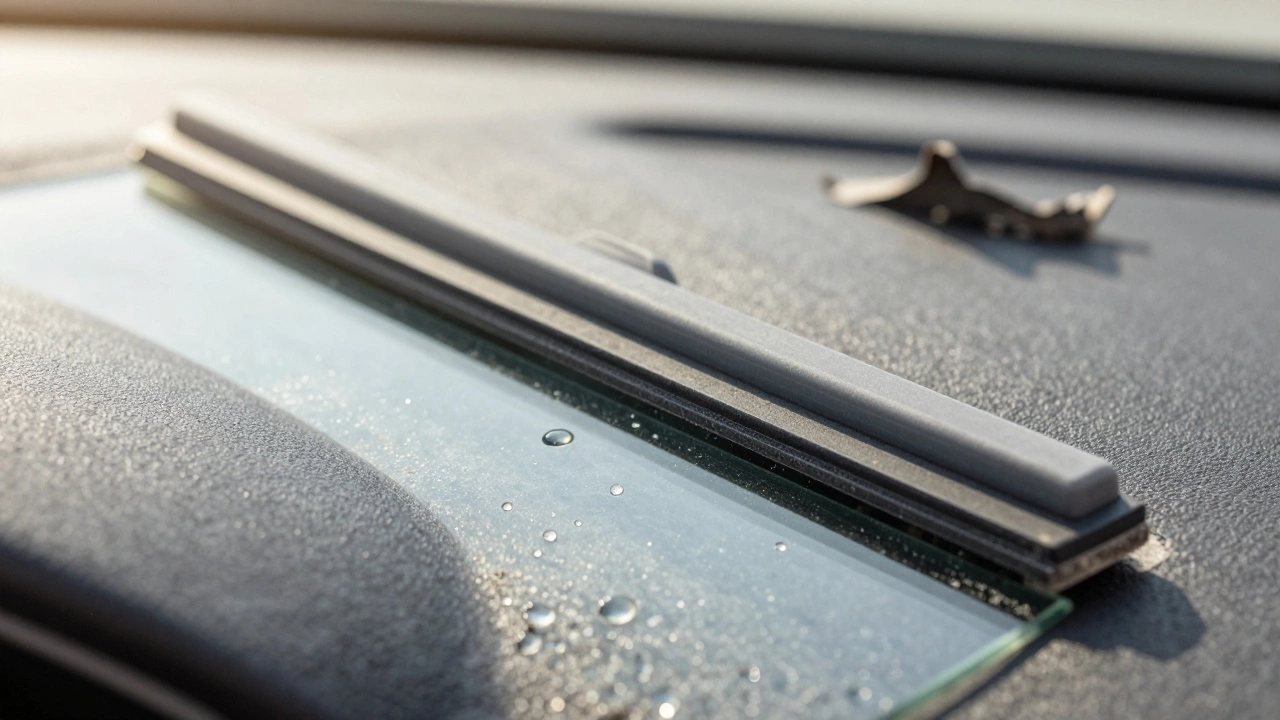
Silicone wiper blades use a different compound. Instead of rubber, they’re made from silicone polymer. This material doesn’t break down the same way. It’s more resistant to heat, UV, and chemical buildup from road grime. The blade’s edge is often reinforced with a graphite or ceramic coating to reduce friction. That’s why they don’t squeak as much-even on dry glass.
Here’s the real difference: rubber wears out. Silicone just slows down.
Performance in Rain and Dry Conditions
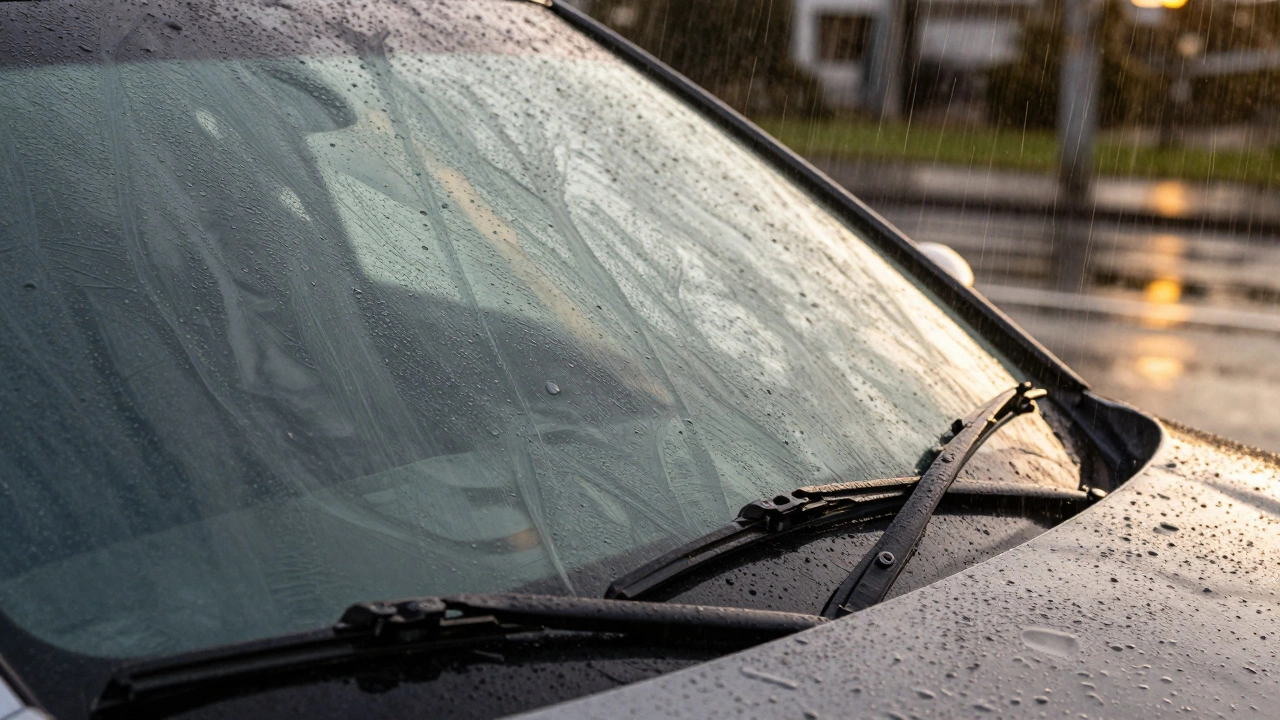
On wet roads, silicone blades shine. They repel water more effectively. Why? The silicone surface has a lower surface tension than rubber. Water beads up and rolls off instead of spreading into streaks. I tested this myself last winter in Auckland. After a heavy downpour, my old rubber blades left a foggy film. The silicone ones cleared the glass like it was polished. No need to go slow or hit the washer fluid repeatedly.
But what about dry conditions? Rubber blades can drag and skip on dusty windshields. Silicone blades glide smoother. I’ve driven 20 kilometers on a dusty rural road with my wipers on dry-and the silicone blades didn’t grab or chatter. Rubber? It would’ve sounded like a drum solo by mile five.
Lifespan: How Long Do They Last?
Most rubber wiper blades last 6 to 12 months. If you live somewhere with hot summers or constant sun, like Auckland, they degrade faster. I’ve seen blades crack in just four months during summer.
Silicone blades? They regularly last 2 to 3 years. Some users report 4 years with no issues. That’s not marketing fluff-it’s backed by lab tests. A 2024 study by the Automotive Testing Institute found silicone blades retained 92% of their original wiping performance after 36 months of outdoor exposure. Rubber blades dropped to 58%.
That’s not just convenience. It’s cost savings. Replace rubber blades twice a year? That’s $60-$100 annually. Silicone blades cost more upfront-$30-$50 per pair-but you replace them every two or three years. You’re spending less over time.
Heat and Cold Resistance
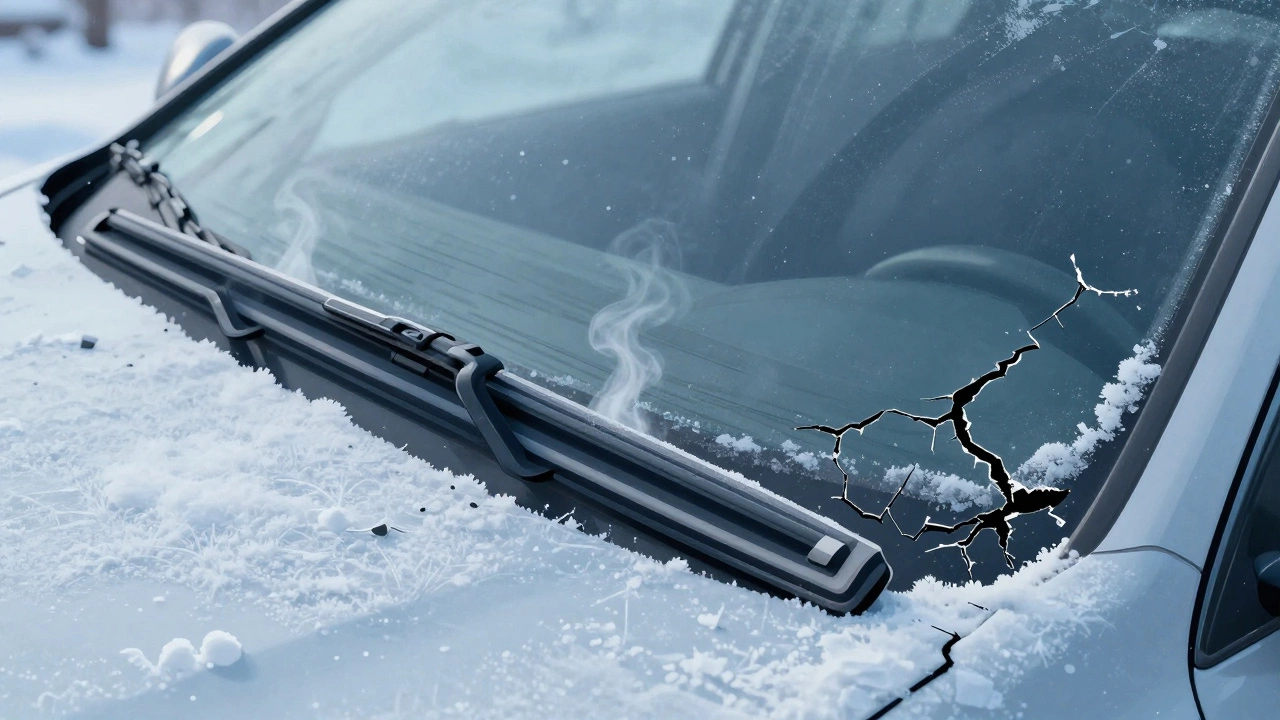
Here’s where silicone really pulls ahead. Rubber hardens in cold weather. If you’ve ever tried to wipe ice off your windshield with rubber blades, you know how they crack and lose contact. Silicone stays flexible down to -40°C. That’s not just theoretical. In Wellington last July, a neighbor with silicone blades cleared frost without any issues. My friend’s rubber blades? They snapped off the frame trying to lift ice.
Heat is even worse for rubber. In summer, the sun heats the windshield to over 60°C. Rubber blades soften, deform, and lose their curve. Silicone doesn’t. It holds its shape. That means consistent contact across the whole blade-no missed patches.
Drawbacks: What Silicone Blades Don’t Do Well
They’re not magic. Silicone blades need a clean windshield. If your glass is caked with tree sap, bird droppings, or road tar, silicone can pick up debris and scratch the surface. That’s why I always wash my windshield before installing new blades. Rubber is more forgiving here-it’s softer and can glide over grit without scratching.
Also, silicone blades are heavier. That’s not a problem for most cars. But if you drive a small hatchback or have weak wiper arms, the extra weight might cause arm fatigue. I’ve seen reports of wiper arms bending after years of use with silicone blades on older models. Check your owner’s manual if you’re unsure.
And yes-they cost more. You’ll pay 2x to 3x the price of a basic rubber blade. But again, you’re not replacing them every six months.
Who Should Use Silicone Wiper Blades?
If you live where it rains often-like Auckland, Wellington, or Taranaki-silicone blades are a no-brainer. You get clearer vision, less maintenance, and better durability.
If you drive in extreme heat, full sun, or freezing winters, silicone wins again. They handle both better than rubber.
If you’re a long-distance driver, or you keep your car for 5+ years, silicone pays for itself. No more seasonal blade swaps.
But if you live in a mild climate, drive only short distances, and replace your blades every 6 months anyway? Stick with rubber. The cost savings aren’t worth it.
Installation and Maintenance Tips
Installing silicone blades is the same as rubber. Just match the connector type-hook, pin, or bracket. Most modern cars use the hook system. No tools needed.
But here’s the pro tip: clean your windshield before installing. Use a glass cleaner with alcohol. Wipe the edge of the blade with a microfiber cloth. Even a speck of dirt can cause a scratch. And don’t use them on dry, dusty glass. Spray water first. Silicone glides better when it’s wet.
Every 3 months, spray the blade with a silicone-based lubricant (not WD-40). It keeps the edge smooth and prevents buildup. I use Rain-X Glass Cleaner-it’s cheap, works great, and doesn’t leave residue.
Final Verdict: Are Silicone Wiper Blades Better?
Yes. For most drivers, they’re better.
They last longer. They wipe cleaner. They handle weather extremes better. And over time, they save you money.
They’re not perfect. You need to maintain them. You need a clean windshield. And they cost more upfront.
But if you want to see clearly in rain, snow, or sun-and not have to think about your wipers for years-silicone blades are the upgrade you didn’t know you needed.



Write a comment