Clutch Longevity Estimator
Clutch Health Assessment
Clutch Health Report
Recommendations
A clutch can last 200k miles-but only if it’s treated right. Most people assume clutches are disposable parts that die around 80k or 100k. That’s not wrong, but it’s also not the full story. I’ve seen clutches in 2008 Toyota Corollas and 2012 Ford F-150s hit 220k miles without a single slip. And I’ve seen others fail at 45k because the driver rode the pedal like a gas pedal. The difference isn’t the brand or the price tag. It’s how you drive.
What Actually Wears Out in a Clutch?
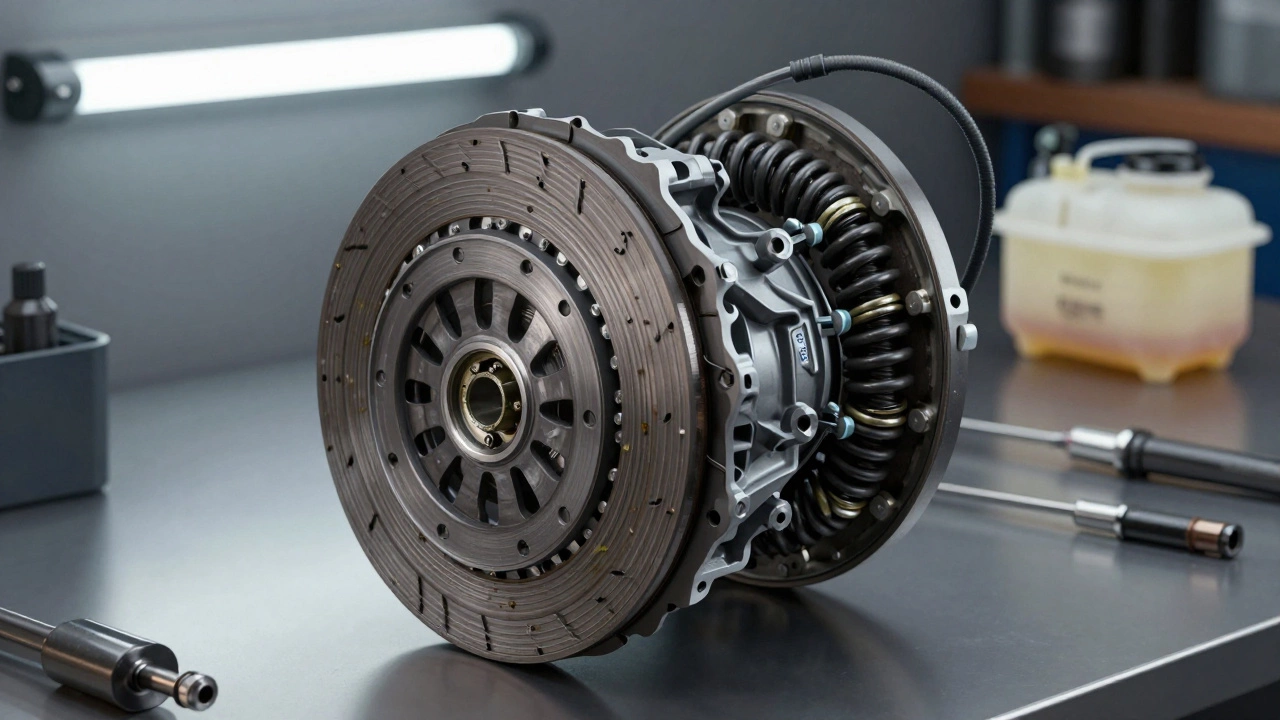
The clutch isn’t one part. It’s a system: the friction disc, pressure plate, release bearing, and flywheel. The disc is the part that wears down. It’s made of a composite material-copper, ceramic, or organic fibers-that grips the flywheel when you let the pedal up. Every time you engage the clutch, even slightly, that material rubs against the metal. That’s wear. Not magic. Not failure. Just physics.
The release bearing doesn’t last forever either. It spins when you press the pedal. If you keep your foot resting on the pedal while stopped at lights, that bearing spins constantly. It’s like leaving your car in neutral but keeping the brake pressed-unnecessary stress. And if the flywheel gets scored from a worn clutch, replacing just the disc won’t fix the problem. You’ll need a resurfaced or new flywheel too.
What Makes a Clutch Last Longer?
There are three things that make clutches live past 150k miles: driving habits, load, and maintenance.
Driving habits matter more than anything. If you ride the clutch-letting it slip just enough to creep forward in traffic-you’re eating away at the friction material. If you launch hard from a stop, especially in a heavy vehicle, you’re putting torque spikes through the system. Clutches aren’t designed for burnouts. Even occasional aggressive starts add up. The drivers who get 200k miles out of a clutch? They treat the pedal like a light switch: fully down or fully up. No half-measures.
Load is the second factor. A clutch in a 1999 Honda Civic that hauls groceries will outlast the same clutch in a 2015 Ram 1500 towing a 5,000-pound trailer every weekend. The more weight you’re moving, the harder the clutch has to work. That’s why fleet vehicles with heavy-duty clutches often have service intervals at 120k miles. They’re built for punishment, but they still wear.
Maintenance sounds like a stretch-you can’t just top up clutch fluid like oil. But you can check it. Hydraulic clutches use fluid to push the release bearing. If there’s a leak, air gets in. That makes the pedal feel spongy. If you don’t fix it, the bearing can overheat and seize. A simple fluid flush every 50k miles can add years to the system. And if you hear a grinding noise when you press the pedal? Don’t wait. That’s the release bearing singing its last song.
How Do You Know It’s Wearing Out?
Clutches don’t die suddenly. They whisper before they scream. Here’s what to listen for:
- Slipping: The engine revs up, but the car doesn’t accelerate. Happens most under load-like going uphill or towing. It’s not the transmission. It’s the clutch not gripping.
- Soft or spongy pedal: If you have to push the pedal farther down to engage, air’s in the line or the master cylinder’s failing.
- Grinding or squeaking: That’s usually the release bearing. A faint chirp when you press the pedal? Replace it soon. A loud scrape? You’re already damaging the pressure plate.
- Clutch pedal feels higher: As the friction disc wears, the pedal travel increases. If you’re suddenly reaching farther to shift, the disc is thinning.
These signs don’t mean you need a new clutch today. But they mean you’re in the last 10% of its life. Push it too far, and you’ll fry the flywheel. That’s a $600 repair instead of a $400 clutch job.
Do Aftermarket Clutches Last Longer?
Not necessarily. A $1,200 performance clutch from a racing brand might last 50k miles if you drive hard. A $300 OEM replacement might last 200k if you’re gentle. It’s not about strength-it’s about design.
Stock clutches are made for smooth, everyday driving. They’re softer, quieter, and last longer under normal use. Performance clutches are stiffer, engage faster, and handle more torque. They’re great for track days or towing, but they’re terrible for stop-and-go traffic. They chatter. They’re noisy. And they wear faster if you’re not driving with purpose.
If you’re not towing, racing, or hauling, stick with OEM or a direct replacement. No need to over-engineer a part that’s meant to last 150k miles in peace.
Real-World Examples
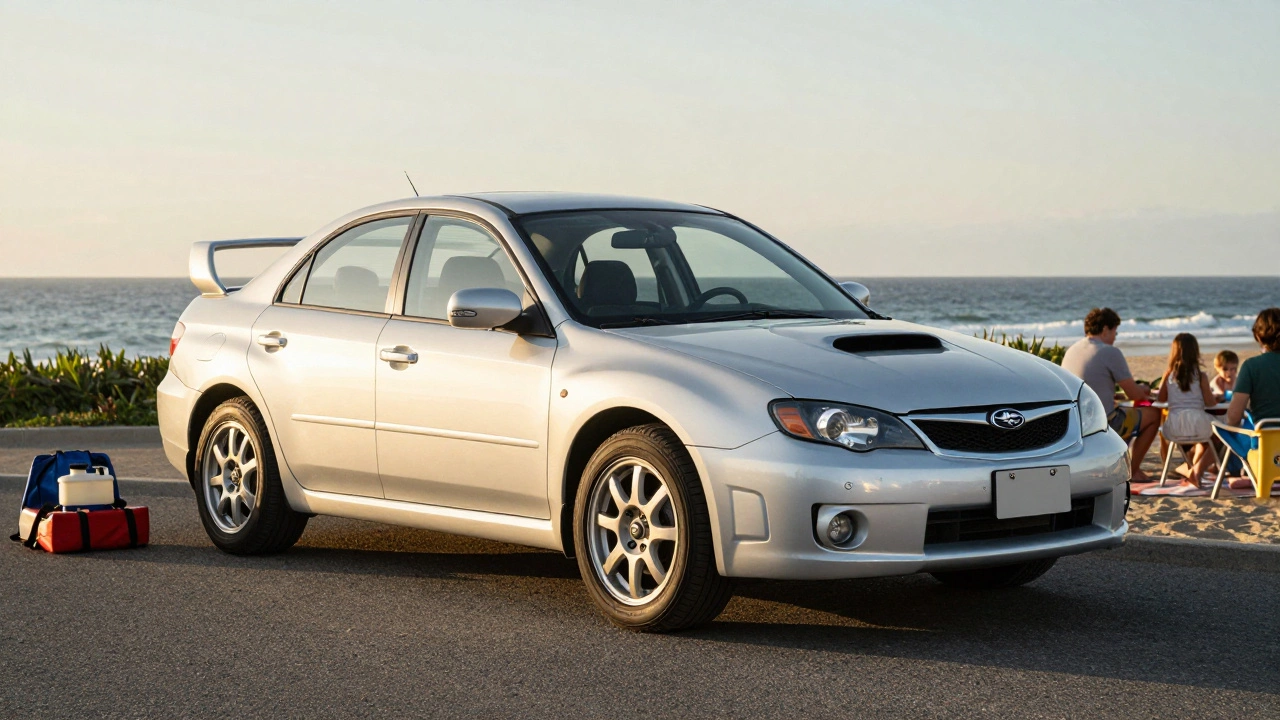
One customer in Tauranga had a 2007 Subaru Impreza with 217k miles on the original clutch. He drove it to work, dropped the kids off, and took weekend trips to the beach. He never revved it hard. He didn’t ride the clutch. He replaced the brake pads every 40k, and the clutch fluid every 60k. The clutch was still smooth. The flywheel? Resurfaced once at 150k. That’s the blueprint.
Another had a 2011 Hyundai Tucson that died at 52k. The owner drove in Auckland’s heavy traffic, rested his foot on the pedal, and used the clutch to hold the car on hills instead of the brake. He thought he was being clever. He was just wearing out the bearing and disc. The clutch didn’t fail-it was murdered.
When to Replace a Clutch
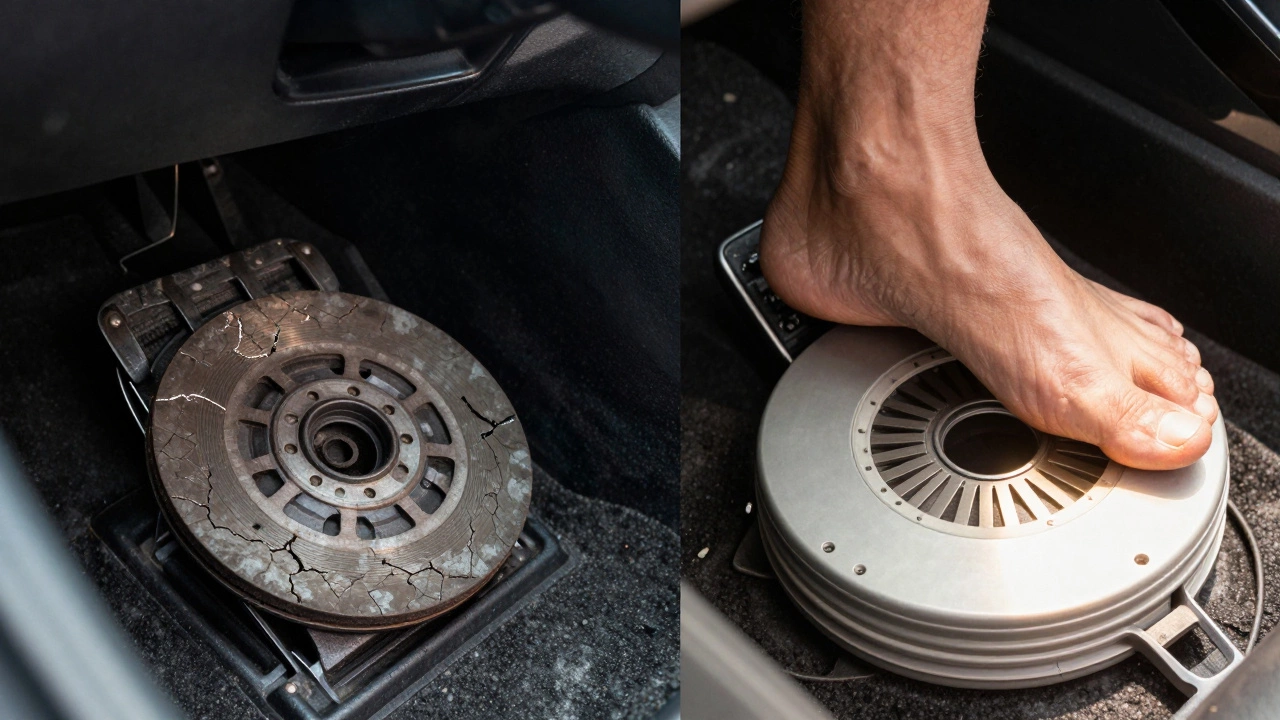
Don’t wait for it to die. Replace it when you see the first sign of slipping or pedal change. At 150k miles, even if it still works, you’re playing with fire. The flywheel might be scored. The pressure plate springs could be fatigued. A new clutch on a worn flywheel won’t last 10k miles.
At 180k+ miles, if the clutch is still good, consider replacing it preemptively. It’s cheaper than being stranded on the North Shore with a broken clutch. And if you’re doing other work-like replacing the water pump or timing belt-this is the perfect time. The transmission’s already out. Why not do it right?
Can You Really Get 200k Miles?
Yes. But not by luck. Not by buying the most expensive kit. You get 200k miles by treating the clutch like a precision tool, not a disposable part. Drive gently. Don’t ride the pedal. Check the fluid. Don’t overload the car. And if you hear a whisper, listen.
Most clutches die before 100k because of bad habits. The ones that last 200k? They’re not miracles. They’re just well-cared-for.
Can a clutch last 200k miles without any maintenance?
No. Even the most durable clutch needs basic care. Hydraulic fluid should be flushed every 50k miles to prevent air in the system. Ignoring leaks or a spongy pedal will kill the release bearing and damage the pressure plate. A clutch that lasts 200k miles is maintained, not untouched.
Is a 150k-mile clutch still safe to drive?
If it’s not slipping, grinding, or feeling spongy, yes. But you’re in the danger zone. At 150k, the friction material is thinning. The flywheel may be worn. It’s not broken yet, but it’s close. Plan for replacement within the next 10k-20k miles, especially if you drive in traffic or carry heavy loads.
Does driving in the city kill clutches faster?
Absolutely. Stop-and-go traffic means constant clutch engagement. Every time you creep forward, you’re wearing the disc. Drivers in Auckland, Wellington, or Christchurch who ride the clutch in traffic often see clutches fail by 80k. The solution? Use the brake to hold the car at lights, not the clutch. Shift to neutral and release the pedal.
Can I replace just the clutch disc, or do I need the whole kit?
You should always replace the full kit: disc, pressure plate, and release bearing. The pressure plate springs weaken over time. The release bearing is worn from use. Replacing just the disc is a false economy-it’ll fail again in 10k miles because the other parts are already compromised. A full kit costs $400-$700, but it lasts.
Do I need a new flywheel when replacing the clutch?
Not always, but often. If the flywheel has grooves, cracks, or heat spots, it needs replacement or resurfacing. A worn clutch can score the flywheel. If you install a new clutch on a damaged flywheel, it’ll slip immediately. Ask your mechanic to inspect it. Resurfacing costs $80-$150. A new flywheel is $200-$500. Don’t skip this step.




Write a comment