Brake Service Cost & Risk Estimator
Select the current state of your brake components to estimate costs and risks.
Select your vehicle conditions and click Calculate
This tool estimates parts and labor costs in NZD based on standard market rates.
I’ve seen this mistake happen too many times in garages around Auckland. A driver swaps out worn pads, feels proud of saving money, and then hears a grinding noise two weeks later. That noise isn’t normal. It’s metal-on-metal screaming because the underlying system was neglected. Let’s break down exactly when you can skip the extra parts and when you absolutely cannot.
The Critical Components Beyond the Pads
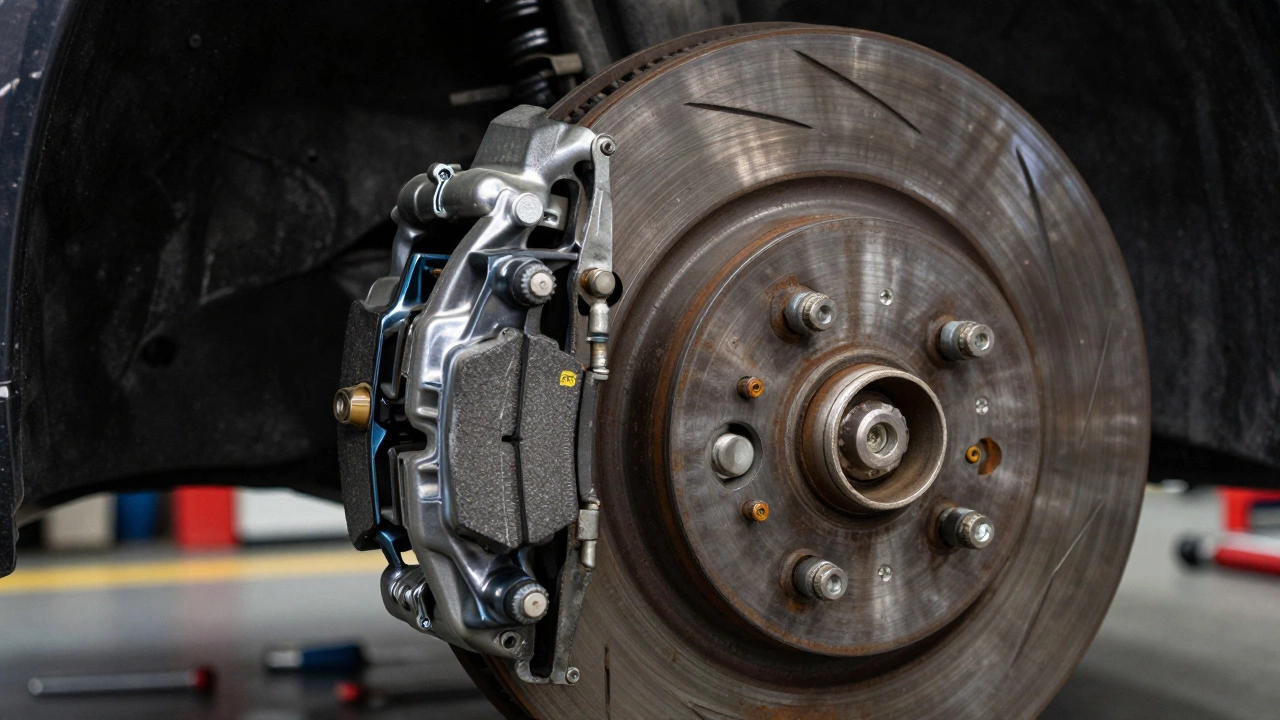
To understand why "just pads" is risky, you need to see the brake system as a team, not isolated parts. When you press the pedal, hydraulic pressure pushes the caliper piston against the brake pads, which then clamp onto the brake rotors (also called discs). This friction slows the wheel. If any part of this chain is weak, the whole system fails.
- Brake Rotors: These are the smooth metal discs that spin with your wheels. They must be flat and clean for the pads to grip effectively.
- Calipers: The clamps that hold the pads and push them against the rotor. They contain pistons that can seize or leak.
- Brake Fluid: The hydraulic liquid that transfers force from your foot to the calipers. Old fluid absorbs moisture and boils under heat.
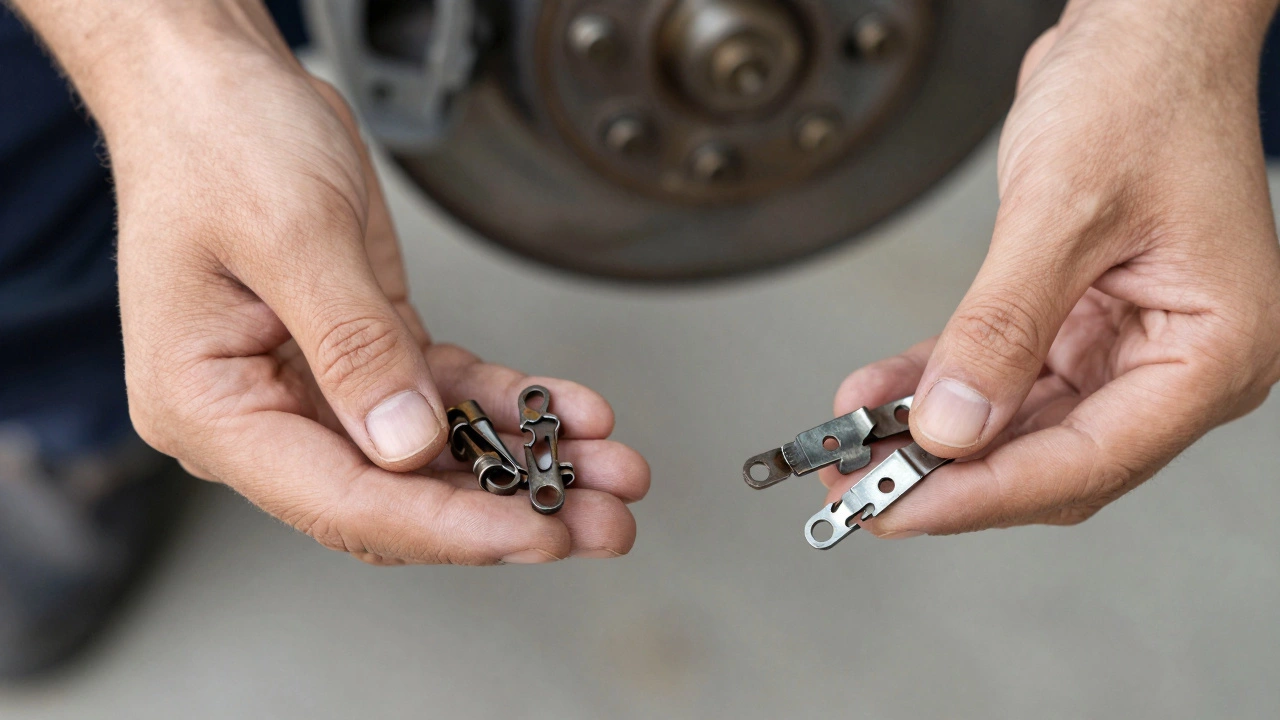
- Hardware Clips: Small metal springs and clips that keep the pads in place and allow them to slide freely.
If you replace only the pads but leave damaged rotors or seized calipers, the new pads will wear unevenly, overheat, and fail prematurely. In extreme cases, they can crack or shatter, leading to total brake failure.
When Is It Safe to Replace Only Pads?
You can safely swap just the pads if your vehicle meets three strict criteria. First, the rotors must be in good condition. Second, the calipers must slide smoothly without sticking. Third, the brake hardware must be intact and reusable. Here’s how to check each one before you buy anything.
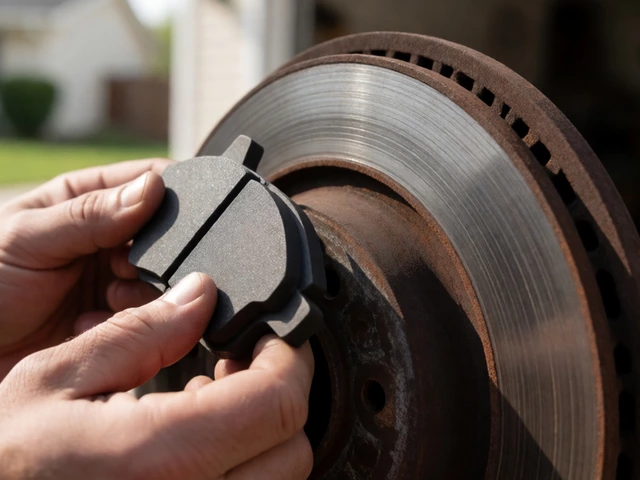
Check the Rotors: Look at the surface of the disc. It should be smooth and uniform. If you see deep grooves, rust pits, or blue spots (signs of overheating), the rotors need resurfacing or replacement. You can measure thickness with a micrometer; if they’re below the manufacturer’s minimum specification, they must go. Most modern cars have rotors that last about 60,000-80,000 kilometers, while pads last 30,000-50,000 kilometers. If your pads are worn out, the rotors are likely near their limit too.
Inspect the Calipers: Remove the old pads and look at the caliper slides. They should move freely by hand. If they’re stuck, greasy, or rusty, the caliper needs cleaning and lubrication. If the piston is leaking fluid or won’t retract, the entire caliper assembly may need replacement. A stuck caliper causes one side of the brake to drag, heating up the rotor and destroying new pads within days.
Examine the Hardware: Many people discard the small clips and springs that come with the pads. Don’t reuse bent or corroded hardware. New pads usually come with fresh hardware kits. Installing old, stiff clips prevents the pads from seating correctly, causing noise and uneven wear.
The Hidden Dangers of Skipping Maintenance
Skipping rotor replacement or caliper service seems like a smart budget move until it isn’t. The biggest risk is warped rotors. Even if they look fine, rotors can have microscopic warps that cause vibration when braking. New pads amplify this issue because they conform to the rotor’s shape. You’ll feel a pulsing in the brake pedal or steering wheel, especially at higher speeds. This isn’t just annoying-it reduces stopping power and increases tire wear.
Another danger is brake fade. Old brake fluid degrades over time, absorbing water from the air. Water has a lower boiling point than brake fluid. Under heavy braking, such as descending steep hills in Auckland, the fluid can boil, creating gas bubbles. Gas compresses, so your pedal goes soft and unresponsive. Replacing pads doesn’t fix this. You need a full brake fluid flush every two years or 40,000 kilometers, whichever comes first.
There’s also the risk of caliper seizure. If you don’t lubricate the caliper slides during pad replacement, corrosion builds up. Over time, the caliper sticks partially open. One brake works harder than the others, pulling the car to one side and wearing tires unevenly. Repairing this later costs more than doing it right the first time.
| Service Type | Parts Cost (NZD) | Labor Cost (NZD) | Total Estimate | Longevity |
|---|---|---|---|---|
| Pad Replacement Only | $80 - $150 | $100 - $200 | $180 - $350 | Short-term (risk of early failure) |
| Pads + Rotor Resurfacing | $150 - $250 | $200 - $300 | $350 - $550 | Medium-term (extends rotor life) |
| Full Brake Job (Pads, Rotors, Fluid, Hardware) | $300 - $500 | $300 - $400 | $600 - $900 | Long-term (optimal safety & performance) |
As you can see, the price difference between a quick fix and a proper job is significant-but not catastrophic. However, the cost of a second repair due to premature failure often exceeds the initial savings. Think of it this way: paying $700 once for a complete brake service is cheaper than paying $350 twice plus the risk of an accident.
DIY Tips for a Proper Brake Job
If you decide to do this yourself, follow these steps to ensure safety and longevity. First, always work on one axle at a time-front or rear. Never mix different types of brake pads on the same axle. Second, bleed the brakes after changing fluid or if you notice sponginess. Air in the lines kills braking efficiency.
- Clean everything thoroughly. Use brake cleaner spray to remove dust and oil from calipers, brackets, and rotors. Wipe surfaces with lint-free cloths.
- Lubricate contact points. Apply high-temperature brake grease to the back of the pads, the caliper slides, and the hardware clips. Do NOT get grease on the rotor or pad friction material.
- Bed in the new pads. After installation, perform several gentle stops from 30 km/h to 5 km/h without coming to a complete halt. Then, do three hard stops from 80 km/h to 20 km/h. This transfers pad material evenly onto the rotor, maximizing grip and reducing noise.
- Check torque specifications. Tighten lug nuts and caliper bolts to the manufacturer’s exact specs. Over-tightening strips threads; under-tightening loosens components while driving.
One pro tip: buy quality ceramic or low-metallic pads rather than cheap semi-metallic ones. Ceramic pads produce less dust, last longer, and offer quieter operation. They’re ideal for city driving where frequent stops generate heat cycles that degrade inferior materials faster.
Red Flags That Mean You Can't Skip Parts
Some signs tell you immediately that a pad-only swap is a bad idea. Listen for these warnings:
- Grinding noises: Metal-on-metal sound means pads are gone and backing plates are scoring the rotors. Immediate rotor replacement required.
- Vibration in pedal or steering: Indicates warped rotors. Resurfacing or replacement necessary.
- Pulling to one side: Suggests seized caliper or collapsed hose. Diagnostic inspection needed before proceeding.
- Spongy pedal feel: Points to air in lines or failing master cylinder. Brake fluid flush and system bleed mandatory.
- Visible leaks around calipers: Hydraulic failure imminent. Replace caliper and check hoses.
If any of these symptoms exist, stop driving and consult a professional mechanic. Attempting a partial repair on a compromised system endangers everyone on the road.
Final Verdict: Should You Cut Corners?
You *can* get away with replacing just brake pads if your vehicle is well-maintained, driven lightly, and inspected thoroughly beforehand. But "getting away with it" implies luck, not reliability. Brakes are non-negotiable safety equipment. There is no middle ground between working perfectly and failing catastrophically.
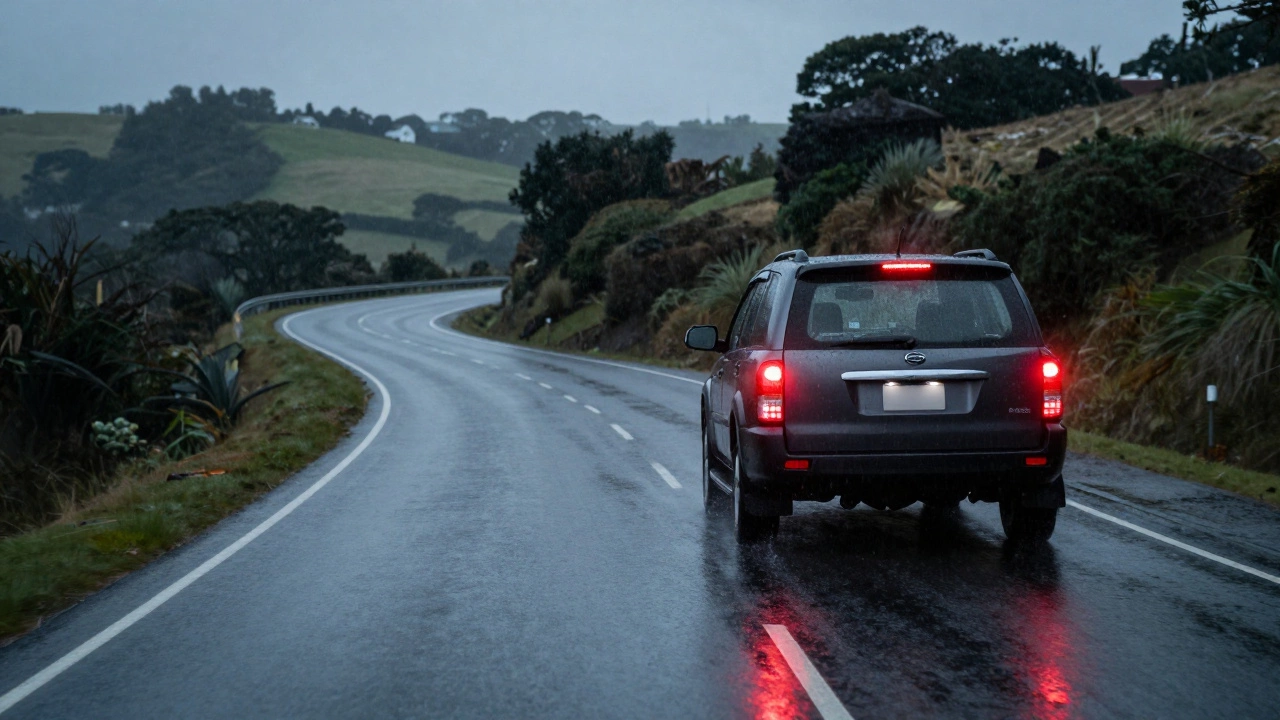
In my experience living here in Auckland, where wet roads and hilly terrain demand consistent stopping power, I recommend never skimping on brakes. Check rotors, lubricate calipers, replace hardware, and flush fluid annually. Yes, it costs more upfront. But it guarantees peace of mind, predictable performance, and ultimately saves money by avoiding repeat repairs and accidents. Your life-and the lives of others-is worth the extra investment.
How often should I replace brake pads?
Most brake pads last between 30,000 and 50,000 kilometers. However, aggressive driving, towing, or frequent city stop-and-go traffic can reduce lifespan significantly. Always inspect pads every 10,000 kilometers or during routine tire rotations. Look for thickness below 3mm as a critical warning sign requiring immediate replacement.
Do I really need to replace rotors with new pads?
Not always, but frequently. If rotors are still above minimum thickness tolerance, show no warping, and have a smooth surface, you can reuse them. Measure depth visually or with calipers. Deep grooves, rust pitting, or bluish discoloration indicate heat damage requiring rotor replacement. Reusing bad rotors ruins new pads quickly.
What happens if I don't bed in new brake pads?
Without proper bedding-in, new pads won't transfer material evenly onto the rotor surface. This leads to reduced braking efficiency, increased stopping distances, squealing noises, and premature wear. Follow manufacturer guidelines for break-in procedures involving gradual acceleration and controlled deceleration cycles.
Is it safe to drive with worn brake pads?
No. Driving with excessively worn pads risks damaging rotors through metal-to-metal contact. Once the friction material wears completely, steel backing plates grind against rotors, causing irreversible damage. Additionally, severely worn pads increase stopping distances dramatically, raising collision risk especially in emergency situations.
Can I use aftermarket brake pads instead of OEM?
Yes, provided they meet original equipment specifications for size, hardness rating, and temperature resistance. Quality aftermarket brands often match or exceed OEM performance at lower prices. Avoid ultra-cheap unknown brands lacking certification marks. Verify compatibility using your vehicle's VIN number before purchase.




Write a comment