
Ever bought a new set of windshield wipers, only to realize they don’t fit your car? You’re not alone. Thousands of drivers in New Zealand and around the world face this exact problem every year. It’s not because they’re careless-it’s because windshield wipers don’t work like light bulbs. You can’t just grab any pack off the shelf and expect it to work. The truth is, no, not all windshield wipers fit all cars. And if you get it wrong, you’re left with streaks, noise, or worse-zero visibility in heavy rain.
Why Wiper Blades Aren’t One-Size-Fits-All
Car manufacturers don’t use standard wiper sizes for a reason. Every model, even within the same brand, has a unique windshield shape, curvature, and wiper arm design. A 22-inch blade on a Toyota Corolla won’t work on a Ford Ranger, even if they look similar. The mounting system alone varies: hook-style, pin-style, side-pin, bayonet, and more. Some blades even need a specific adapter to connect to the arm.Take the 2024 Subaru Outback: it uses a 26-inch driver-side blade and a 16-inch passenger-side blade. Swap them, and you’ll get poor contact, skipping, or even damage to the windshield. On a compact car like the Hyundai i20, you might need 18-inch and 14-inch blades. The difference isn’t just in length-it’s in the tension, the rubber compound, and how the frame holds pressure across the glass.
How to Find the Right Wiper Size for Your Car
You don’t need to guess. There are three reliable ways to get the correct size:- Check your owner’s manual. Most manuals list the exact wiper blade lengths for both driver and passenger sides. If you’ve lost it, search online for your car’s make, model, and year + “owner’s manual PDF.”
- Use a wiper blade size guide. Major brands like Bosch, Michelin, and Rain-X have online tools where you enter your car details and get exact sizes. These are updated yearly and linked to manufacturer specs.
- Measure the old blades. If your current blades are still attached, pull them away from the windshield and measure the metal or rubber part from end to end. Don’t include the plastic arm. Round to the nearest inch.
Pro tip: Always replace both blades at the same time. Even if one looks fine, the other is likely worn out. Using mismatched blades causes uneven wiping and can strain the wiper motor.
Mounting Types Matter More Than You Think
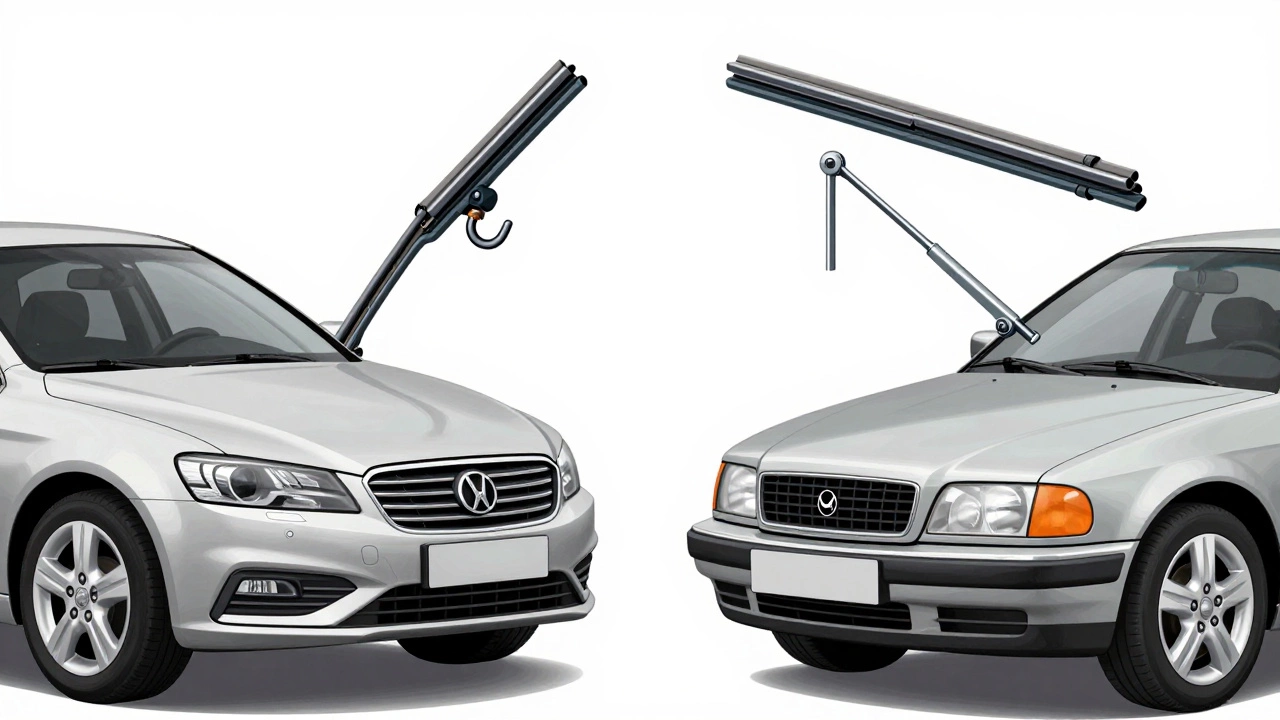
Size isn’t the only thing. The connector that snaps onto your wiper arm is just as important. There are at least six common types:- Hook-style (J-hook): Most common in newer cars. You press a small tab and slide the blade on.
- Pin-style: Older vehicles, especially European models. The blade has a hole that slides over a metal pin.
- Side-pin: Used on some Asian and American trucks. A small pin sticks out from the side of the arm.
- Bayonet: Found on older Hondas and Toyotas. You push the blade on and twist to lock.
- Click-on (universal): Often sold as “fits most cars,” but rarely works without an adapter.
- Beam-style adapters: Some modern blades come with a built-in adapter kit for multiple mount types.
Buying a blade that matches your car’s size but not its mount type is like buying the right shoe size but the wrong lacing system. It won’t stay on. Always check the product description for “mount type compatibility.” Many online sellers list this clearly under “fits” or “applications.”
What Happens When You Use the Wrong Wiper
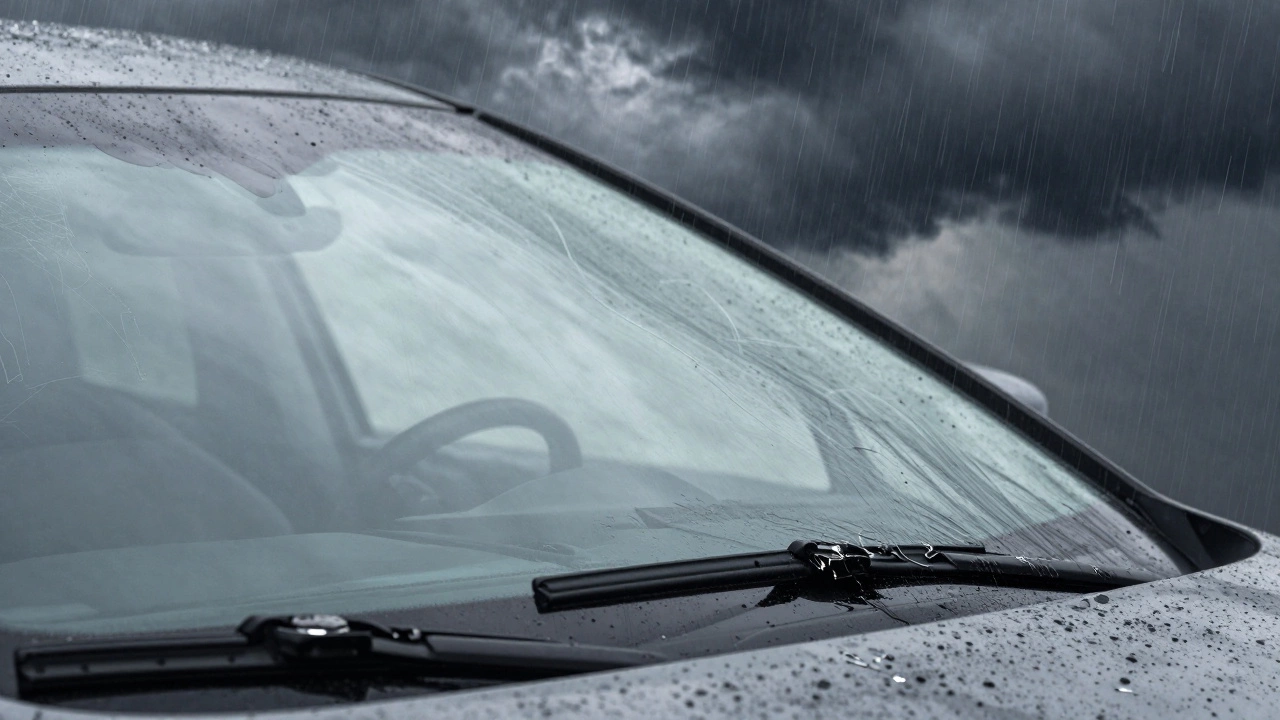
Using an incorrect blade isn’t just annoying-it’s dangerous. Here’s what can go wrong:- Streaking and smearing: The blade doesn’t lie flat against the glass, leaving patches of water. This reduces visibility in rain or fog.
- Chattering or skipping: The blade bounces instead of gliding. That loud rhythmic noise? That’s the rubber losing contact. It wears out faster and can scratch the glass.
- Damage to the wiper arm: A blade that’s too long puts extra pressure on the arm, bending it over time. Repairing a bent arm costs more than replacing both blades.
- Motor strain: If the blade is too heavy or too long, the motor works harder. Over time, this can burn out the motor, which can cost $300+ to replace.
In New Zealand, where rain is frequent and roads are often narrow and winding, poor wiper performance isn’t just inconvenient-it’s a safety risk. A 2022 NZTA report found that 14% of weather-related crashes involved reduced visibility due to faulty or mismatched wipers.
Universal Wiper Blades: Do They Work?
You’ve seen them: “Universal Fit,” “Fits Most Cars,” “One Size Fits All.” They sound convenient. But here’s the reality: they rarely work as advertised.These blades usually come with a set of adapters to fit different mounts. But even then, they often don’t match the correct length. You might get the right connector, but the blade is 2 inches too short or too long. That means poor contact, reduced wiping area, and water pooling at the edge of your windshield.
Some drivers use them as a temporary fix-fine if you’re stranded. But don’t rely on them long-term. They’re made with cheaper rubber that hardens faster in UV light, and the frame design doesn’t match modern aerodynamics. In high-speed driving or heavy rain, they fail.
If you’re buying online, always check the “fits” section. If it says “fits 80% of vehicles,” that means 1 in 5 won’t work. Don’t gamble with your safety.
When to Replace Your Wipers
Don’t wait until they’re completely useless. Replace them every 6 to 12 months, depending on your climate. In Auckland, with its mix of salt air, UV exposure, and frequent rain, 6 months is the sweet spot.Signs it’s time for new blades:
- Streaks or smears after one pass
- Chattering or squeaking noise
- Cracked or brittle rubber
- Missing chunks of rubber
- Wiper blades lifting off the glass at high speed
Even if the rubber looks okay, the metal frame can corrode or lose tension. That’s why replacing them annually is cheaper than risking a crash.
Top Brands That Actually Get It Right
Not all wiper blades are created equal. These brands consistently match manufacturer specs and use high-quality materials:- Bosch Icon: Beam-style design, excellent in heavy rain, fits 95% of modern vehicles.
- Michelin Stealth Ultra: Rubber compound resists cracking in UV and salt air-ideal for coastal regions. TRICO Ice: Built for cold climates, but also performs well in wet conditions. Comes with a built-in adapter kit.
- ANCO 31-Series: Budget-friendly, reliable, and widely available. Good for older models.
- Rain-X Latitude: Hydrophobic coating repels water without needing chemicals.
These brands provide detailed fit guides on their websites. Use them. Don’t rely on Amazon’s auto-fill suggestions-they’re often wrong.
What to Do If You Already Bought the Wrong Ones
If you’ve already bought blades that don’t fit, don’t panic. Most auto parts stores in New Zealand-like Repco, Supercheap Auto, or Autobarn-have return policies for unopened or unused wipers. Even if you’ve opened the box, many will still take them back if you explain you bought the wrong size.Bring your car’s make, model, and year with you. Staff can quickly check their database and swap them for the correct ones. Some even offer free installation.
Pro tip: Keep your old blades as a reference. Take a photo of the size and mount type before removing them. That way, you’ll never have to guess again.
Final Word: Don’t Guess. Check.
Windshield wipers are one of the most overlooked safety features on your car. They’re not a one-size-fits-all part. Getting the right size and mount type isn’t about being a car expert-it’s about being smart. A few minutes spent checking your owner’s manual or using an online fit guide can save you hours of frustration, money on repairs, and possibly your life in bad weather.Next time you’re replacing your wipers, don’t just grab the cheapest pack. Look up your car. Measure if needed. Match the mount. And always replace both blades together. It’s the easiest safety upgrade you can make.
Can I use any windshield wiper on my car?
No. Windshield wipers are not universal. They must match your car’s blade length, mounting type, and sometimes even the curve of the windshield. Using the wrong size or mount can cause streaking, noise, or damage to your wiper system.
How do I find the right wiper size for my car?
Check your owner’s manual, use an online wiper size guide from Bosch or Rain-X, or measure your current blades. Always note the size for both the driver and passenger sides-they’re often different.
What if my wiper blades don’t fit after I buy them?
Most auto parts stores in New Zealand will exchange unopened or even opened blades if you bring your car details. Keep your old blades as a reference, and take a photo before removing them to avoid mistakes next time.
Do universal wiper blades work?
They’re designed to fit many cars using adapters, but they often don’t match the correct length or provide optimal contact. They’re okay for emergencies, but not recommended for long-term use. Always verify fit with your exact car model.
How often should I replace windshield wipers?
Replace them every 6 to 12 months. In places like Auckland with high humidity and UV exposure, 6 months is ideal. Signs you need new blades: streaking, chattering, cracked rubber, or blades lifting off the glass.





Write a comment