Car Exhaust Guide – Boost Power, Sound & Stay Legal
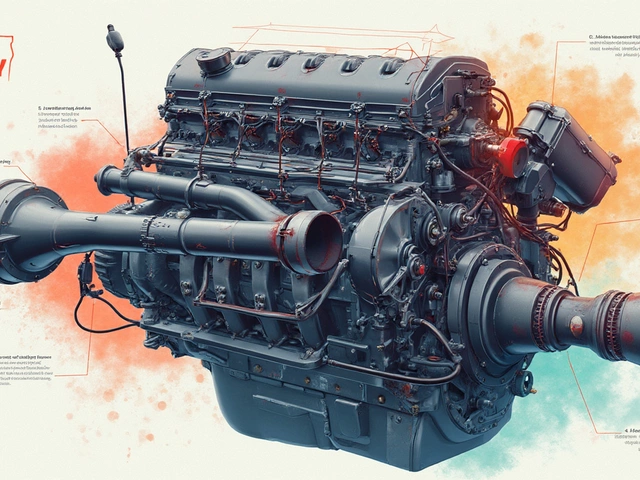
When you hear a growl on the road, that’s the exhaust doing its job. It’s not just about loudness; the exhaust moves gases out of the engine, helps the engine breathe, and can add a few extra horses under the hood. Understanding the basics lets you decide if a new system is worth the cash.
How Exhaust Design Impacts Power and Sound
A stock exhaust is built for quiet operation and low cost, so it often restricts flow. Upgrading to a cat‑back or axle‑back system reduces back‑pressure, which lets the engine exhale more freely. The result? Slightly higher horsepower, better throttle response, and a deeper tone. The size of the pipe matters too—most street cars see a sweet spot around 2.5‑3 inches. Anything larger can hurt low‑end torque unless you pair it with other mods like a performance cam or tuned ECU.
Sound is a side effect of how fast the gases expand. A muffler with a straight‑through design will let more noise escape, while a chambered muffler softens it. If you want a soundtrack that turns heads but stays under the law, look for an active valve exhaust. These units let you switch between a quiet city mode and a louder track mode with the push of a button.
Legal Ways to Upgrade Your Exhaust in 2025
Every state has dB limits for street use. In most places, you’ll stay legal if the exhaust stays under 80 dB measured from a 50‑ft distance. Many manufacturers now list the dB rating of their systems, so you can compare before you buy. If you’re near a strict city like Los Angeles, stick to a cat‑back kit with a muffler that meets the local limit.
Testing at home is easy. Use a handheld dB meter, stand about 4 feet from the tailpipe, and rev the engine to 3,000 rpm. If you’re over the limit, either add a smaller muffler or get an active valve that can dial back the volume. Remember, a louder exhaust doesn’t automatically mean more power. Focus on flow first, then choose a muffler that matches the sound level you’re comfortable with.
When you’re shopping, ask the seller for a “street‑legal” tag and a copy of the noise certification. Look for kits that keep the catalytic converter in place—removing it not only spikes emissions but also lands you a ticket in most regions.
Finally, keep receipts and installation photos. If you ever get pulled over, you can show the officer that your exhaust complies with local regulations. Staying organized saves time and keeps your ride legal.
Whether you’re after a modest power bump, a deeper tone, or both, the right exhaust upgrade can make a big difference. Choose a system that balances flow, sound, and legality, and you’ll enjoy a smoother, louder, and more responsive drive without worrying about tickets.
What Is the Exhaust System? A Simple Breakdown of How It Works
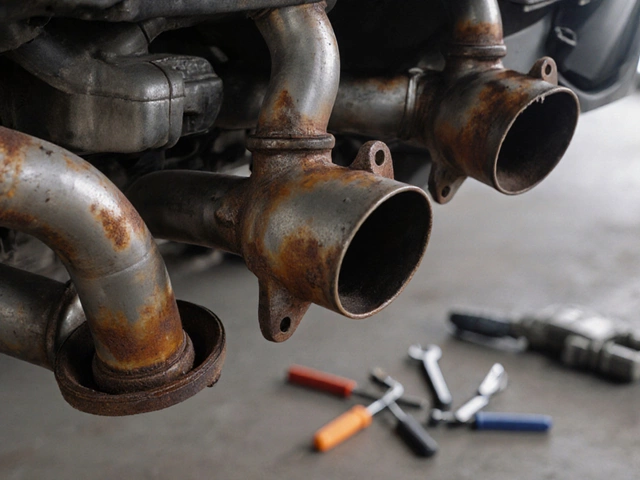
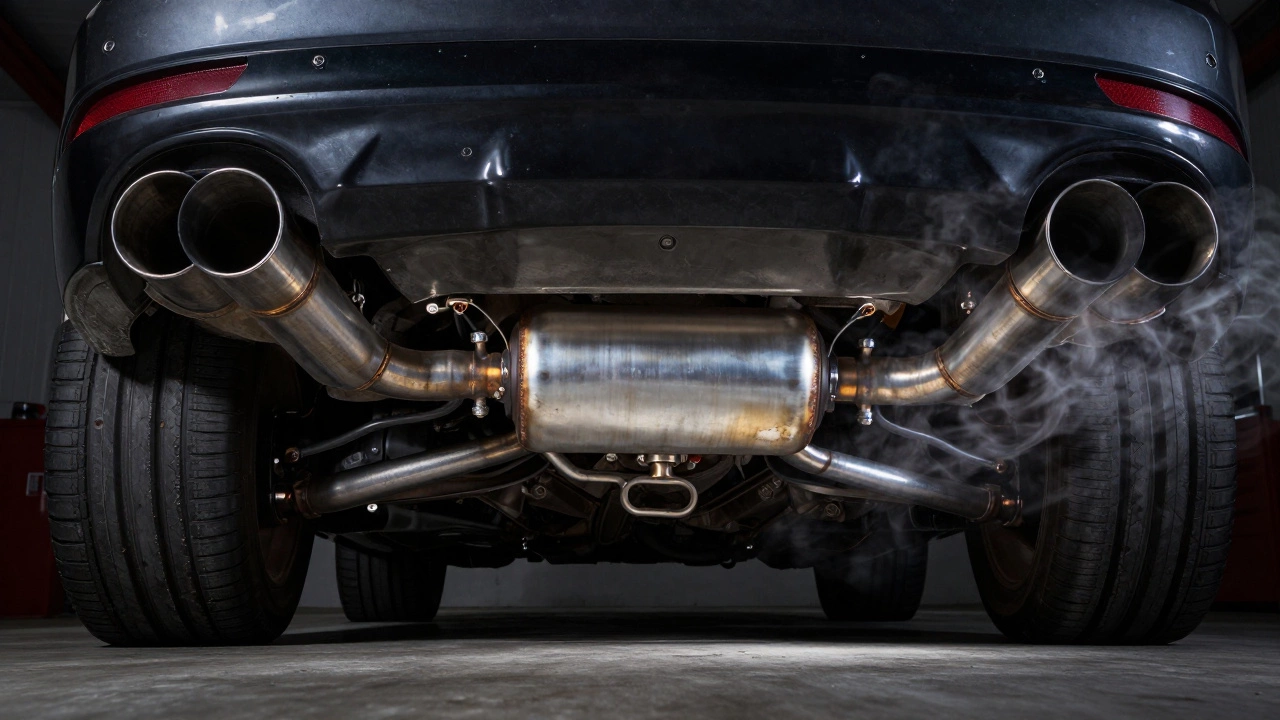
The exhaust system removes harmful gases from your engine, reduces noise, and cuts pollution. Learn how it works, why it matters, and what signs show it's failing - especially in wet climates like New Zealand.
CONTINUE READING
How Long Does It Take to Install a Full Exhaust System?
Thinking about upgrading your car's exhaust? Wondering how much time you'll need to set aside? This article breaks down what really affects the timeline of a full exhaust system installation, whether you’re doing it yourself or trusting a pro. Find out what can speed things up, slow you down, and what surprises might pop up once you start wrenching. Straight talk, real timings, and zero fluff.
CONTINUE READING
How Much Does It Cost to Fit an Exhaust System?
Thinking about fitting a new exhaust system but don't know the cost? This article breaks down the expenses involved, from the price of parts to labor charges, providing you with a clear picture of what to expect. Find out important tips on choosing the right exhaust and how to get the best value for your money. Understanding these factors can help you make an informed decision and maybe even save you some cash.
CONTINUE READING
Does Changing Exhaust Affect the Engine? Let's Find Out!
Changing your car's exhaust system can have a significant impact on engine performance and overall vehicle behavior. Whether you're considering a new exhaust for better sound, increased power, or improved fuel efficiency, there are several factors to consider. Understanding how exhaust changes affect your engine can help you make informed decisions and avoid potential pitfalls. Dive into the intricacies of exhaust upgrades, their implications, and practical tips for optimizing your ride.
CONTINUE READINGRECENT POSTS
-

Is it Cheaper to Install Your Own Car Battery? Costs and Pros and Cons
Discover if installing your own car battery is actually cheaper. We compare DIY costs vs. professional shops, cover core charges, and explain the risks of modern car electronics.
-
Why Upgrade to Alloy Wheels? Benefits, Performance, and Style
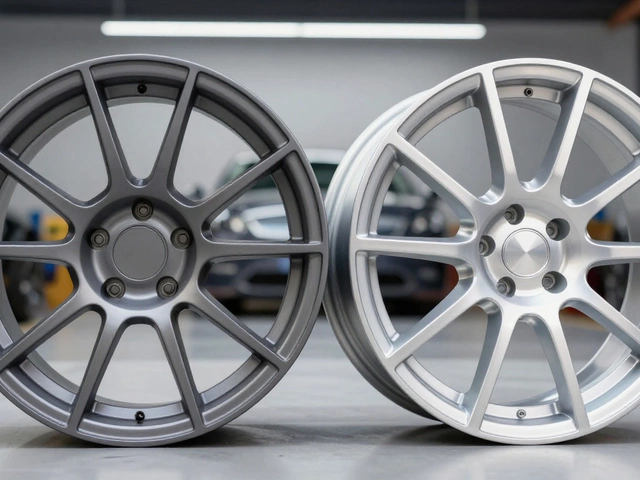
Discover why drivers switch to alloy wheels, from improving braking and fuel efficiency to enhancing car aesthetics and resale value.