Radiator Health & Lifespan Estimator
Key Takeaways
- Most modern car radiators last between 10 and 15 years.
- Regular coolant flushes can extend the life of your system significantly.
- Corrosion and physical impact are the most common causes of premature failure.
- Signs of failure include milky coolant, leaks, and frequent overheating.
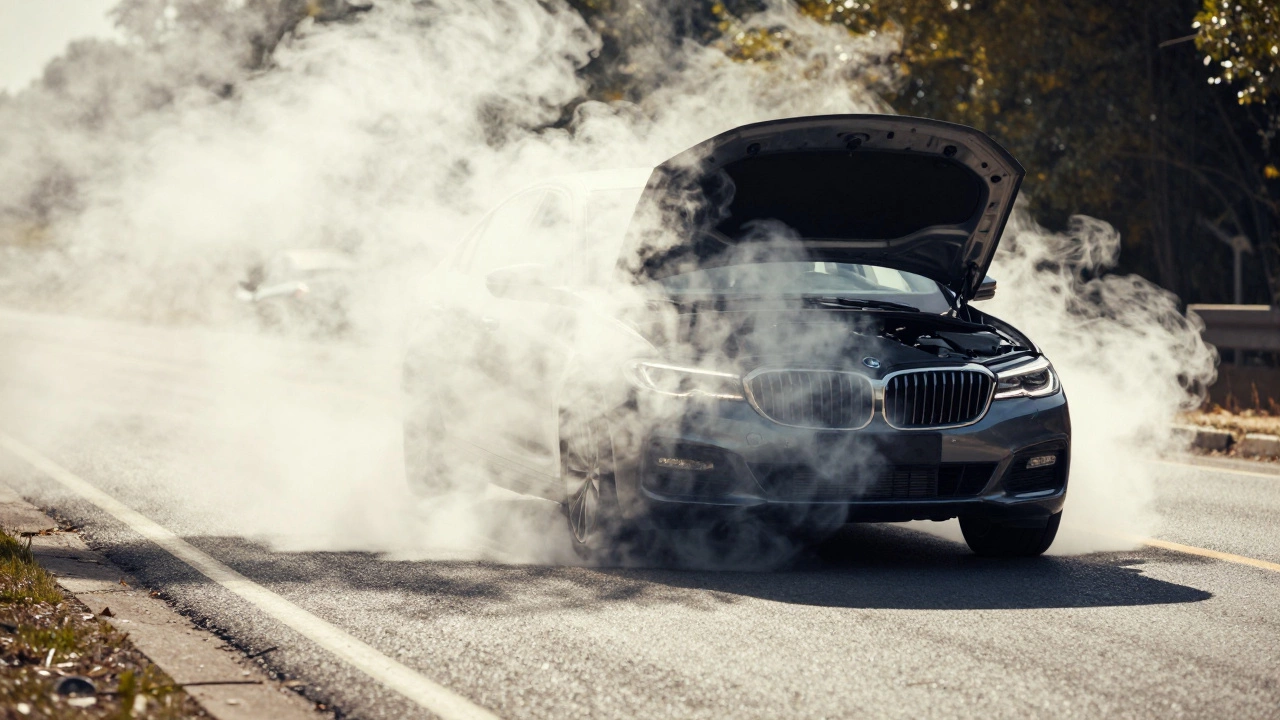
When we talk about the car radiator lifespan the duration of time a vehicle's heat exchanger remains functional before requiring replacement, we aren't talking about a fixed expiration date. Unlike a set of tires that wears down by a measurable millimeter, a radiator decays based on chemistry and environment. In a perfect world, a radiator could last the life of the car, but the reality of road salt, acidic coolant, and tiny pebbles makes that unlikely.
The Typical Timeline of a Radiator
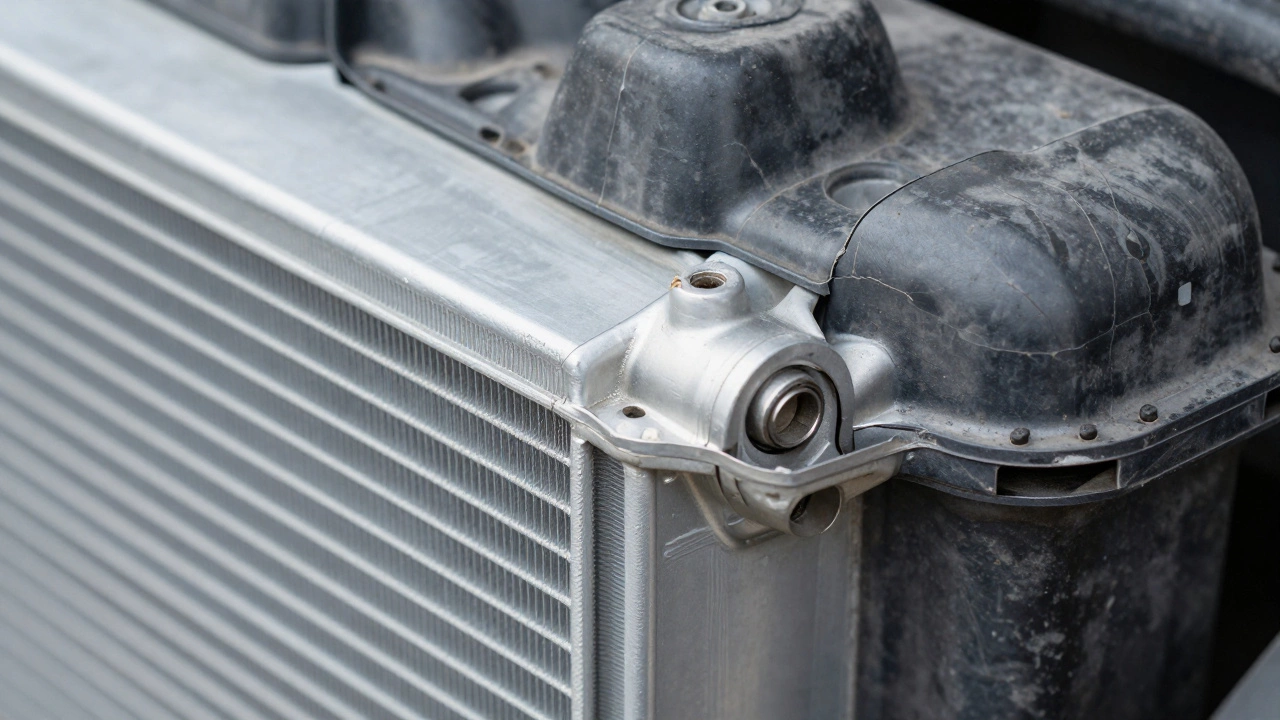
For the average driver, you can expect a radiator to perform reliably for about 10 to 15 years. However, if you drive a high-mileage vehicle or live in a region with extreme temperature swings, that window might shrink. Modern units are often made of a mix of aluminum and plastic. While aluminum is great for heat transfer and resisting rust, the plastic tanks attached to the sides are the weak point. Over a decade, the constant heating and cooling cycles cause the plastic to become brittle, eventually leading to hairline cracks.
Think of it like a rubber band that you stretch and release thousands of times. Eventually, the material loses its elasticity and snaps. In your car, this "snapping" happens at the seams where the plastic meets the metal. If you're driving an older vehicle from the 90s, you might have a full copper and brass unit. These were heavier and more expensive but often lasted longer because they didn't rely on plastic components that degrade over time.
Factors That Kill Your Radiator Faster
Not all radiators are created equal, and not all driving conditions are kind. If you live in a coastal area or a place that uses heavy road salt in winter, your radiator is under constant attack. Salt acts as an accelerant for corrosion, eating away at the external fins and the internal walls of the Aluminum a lightweight, silvery-white metal used in radiators for its high thermal conductivity core.
Then there is the issue of coolant quality. Many drivers make the mistake of topping off their system with plain tap water. This is a recipe for disaster. Tap water contains minerals like calcium and magnesium that create "scale" or buildup inside the narrow tubes. This buildup acts like insulation, preventing the coolant from absorbing heat from the engine. Eventually, this leads to localized hotspots and internal pressure that can burst a seam.
Driving style also plays a role. If you frequently tow heavy trailers or spend hours idling in stop-and-go traffic in 100-degree weather, your radiator is working at maximum capacity. This puts immense pressure on the Coolant Pressure Cap a valve that regulates the pressure of the cooling system to raise the boiling point of the fluid. If the cap fails, the system loses pressure, the coolant boils, and the radiator is subjected to stresses it wasn't designed to handle.
| Material | Heat Efficiency | Durability | Common Failure Point |
|---|---|---|---|
| Aluminum/Plastic | High | Moderate | Plastic tank cracks |
| Copper/Brass | Moderate | High | Internal corrosion/clogging |
| All-Aluminum | Very High | Moderate-High | Fin oxidation/leaks |
How to Spot a Dying Radiator Before It Blows
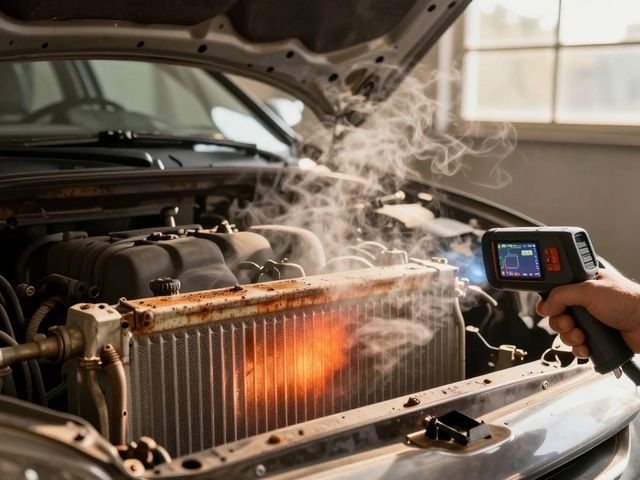
You don't have to wait for a tow truck to know your radiator is failing. There are several red flags that tell you the end is near. First, look for the "puddle of neon." Most Engine Coolant a heat-transfer fluid used to keep the internal combustion engine from overheating is dyed bright green, orange, or pink. If you see a colored puddle under the front of your car, you have a leak. Even a slow drip is a sign that the internal seals are compromising.
Next, check the consistency of the fluid. If you open the reservoir and the coolant looks like a milky milkshake, you have a much bigger problem. This usually indicates that oil has leaked into the cooling system, often due to a failed Head Gasket a seal between the engine block and cylinder head that prevents coolant and oil from mixing. While this isn't a radiator failure per se, the contamination will quickly corrode the radiator from the inside out.
Finally, keep an eye on your temperature gauge. If you notice the needle creeping toward the red zone during highway speeds or idling, your radiator might be clogged. When the internal passages are blocked by sediment, the fluid can't flow fast enough to dump heat into the air. This is often a sign that you've skipped your flushes for too many years.
Extending the Life of Your Cooling System
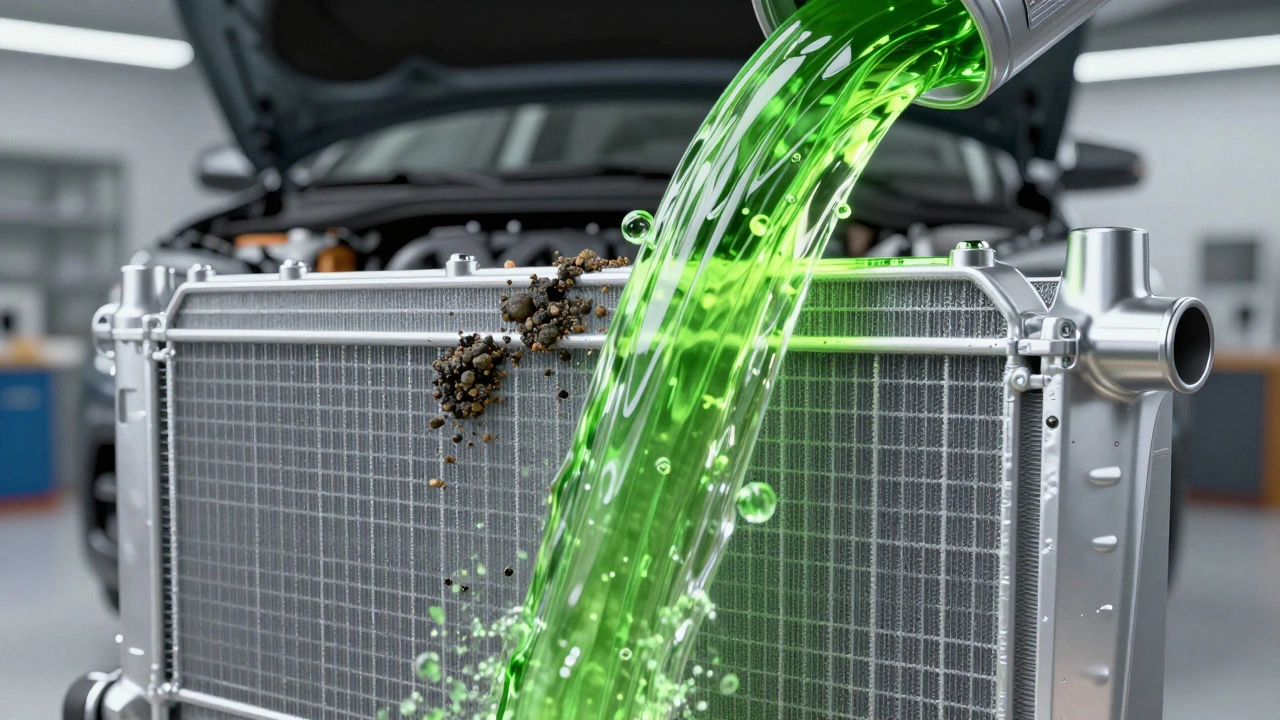
The best way to hit that 15-year mark is through proactive maintenance. The most critical task is the Radiator Flush the process of cleaning out the cooling system to remove deposits and replace old coolant. Over time, coolant breaks down and becomes acidic. When it turns acidic, it stops protecting the metal and starts eating it. A professional flush removes this corrosive fluid and the sediment it has trapped.
- Use the Correct Coolant: Always follow the manufacturer's specs. Mixing a traditional green coolant with a modern OAT (Organic Acid Technology) coolant can create a chemical sludge that blocks the radiator's narrow veins.
- Check the Hoses: A radiator is only as good as the pipes connected to it. Check for "spongy" hoses. If a hose feels soft or has visible cracks, replace it immediately. A burst hose is just as bad as a burst radiator.
- Clean the External Fins: Use a garden hose (not a high-pressure washer, which can bend the delicate aluminum) to spray out bugs, leaves, and dirt from the front of the radiator. This ensures maximum airflow.
- Monitor the Cap: The radiator cap is a precision valve. If the rubber seal is worn, the system won't pressurize, and your coolant will boil at a lower temperature, stressing the rest of the system.
When to Repair vs. Replace
If you find a leak, you might be tempted to use a "stop-leak" additive from a local auto parts store. Be very careful here. These products work by circulating a sealing agent that hardens when it hits air. While this might stop a pinhole leak for a week, the agent doesn't just stop at the hole-it can clog the rest of your radiator and the small passages in your engine block.
If the leak is in the plastic tank, a repair is almost never permanent. Plastic doesn't bond well with adhesives once it's been heat-cycled. In this case, replacement is the only safe option. However, if you have a copper radiator with a small puncture in the metal, a skilled technician can sometimes solder the leak, extending the life of the unit by another few years.
Ultimately, the cost of a new radiator is relatively low compared to the cost of a warped engine head. If you are over 10 years of ownership and seeing leaks, it is usually smarter to replace the unit and all the associated hoses at once. This gives you a fresh start and peace of mind for the next decade.
Can I use water instead of coolant in an emergency?
Yes, but only in a pinch. Pure water has a lower boiling point than coolant and can cause internal corrosion. If you use water, you must flush the system and refill it with the proper coolant mixture as soon as possible to avoid long-term damage.
How often should I flush my radiator?
Most manufacturers recommend a flush every 30,000 to 50,000 miles, or every 2 to 5 years depending on the type of coolant used. Long-life coolants may go longer, but you should always check your owner's manual.
Why is my radiator leaking from the top?
Leaks at the top are often caused by a failing radiator cap or a crack in the upper tank. Because the upper tank is under the most pressure, it is common for the plastic to split along the seam over time.
Does a new radiator improve engine performance?
It won't give you more horsepower, but it will prevent performance drops. An overheating engine often triggers "limp mode" or causes the computer to retard ignition timing, which reduces power. A fresh radiator ensures your engine runs at the optimal temperature for efficiency.
What is the difference between a radiator and a coolant reservoir?
The radiator is the actual heat exchanger where coolant is cooled by air. The reservoir (or overflow tank) is a plastic container that holds excess fluid as it expands and contracts with temperature changes.
Next Steps for Different Drivers
The New Car Owner: You don't need to worry about replacement yet, but start a habit of checking your coolant levels monthly. Ensure you are using the exact fluid specified in your manual to prevent premature corrosion.
The Used Car Buyer: If you just bought a car that is 7-10 years old, assume the cooling system is mid-life. Perform a pressure test on the radiator and replace the coolant. It is much cheaper to do this now than to replace an engine later.
The High-Mileage Driver: If you're over 150,000 miles, inspect your radiator fins for oxidation (white powdery residue). If the plastic tanks look yellowed or brittle, consider a preemptive replacement before a highway trip.


Write a comment