Car Radiator Upgrade: What You Need to Know Before Making the Switch
When you hear car radiator upgrade, a modification to improve how your engine stays cool by replacing the factory radiator with a more efficient one. Also known as radiator replacement, it’s not just about swapping parts—it’s about stopping overheating before it kills your engine. Most people think a radiator is just a metal box with coolant flowing through it. But it’s the heart of your engine cooling system, the network of hoses, fans, pumps, and thermostats that keeps your engine from turning into scrap metal. If your radiator is old, clogged, or undersized, no amount of oil changes or tune-ups will fix the real problem: heat buildup.
Upgrading your radiator doesn’t always mean buying the most expensive one on the shelf. Sometimes, it’s about fixing what’s already broken. Many drivers never realize their radiator is leaking or clogged until their engine overheats on the highway. That’s when they learn the hard way that a radiator leak, a small crack or corroded seam that lets coolant escape, can turn into a $3,000 engine rebuild. A simple flush or sealant fix might work for now, but if you drive hard, tow trailers, or live in hot climates, your factory radiator was never built to handle it. That’s where a aftermarket radiator, a higher-capacity, often aluminum-based replacement designed for better heat dissipation makes sense. Brands like BeCool, Koyo, and Mishimoto make units with thicker tubes, more fins, and better flow—exactly what performance cars and modified engines need.
But here’s the catch: upgrading your radiator won’t help if your thermostat is stuck, your water pump is failing, or your fan isn’t spinning. Those are the hidden problems that show up in posts like What Happens If You Drive With a Bad Radiator? and Can You Fix a Radiator Without Replacing It?. A radiator upgrade is only part of the solution. You need the whole cooling system working right. That’s why the best advice isn’t just to buy a new radiator—it’s to understand why yours failed in the first place. Are you running high boost? Do you haul heavy loads? Is your coolant old and gunky? Those are the real questions that determine if you need an upgrade—or just a cleaning.
If you’ve been chasing overheating fixes with temporary patches, it’s time to look deeper. The posts below cover everything from how to spot a failing radiator before it quits on you, to real cost comparisons between stock and upgraded models, to what actually happens when coolant stops flowing right. No fluff. No sales pitches. Just what works on the road, in the garage, and under the hood.
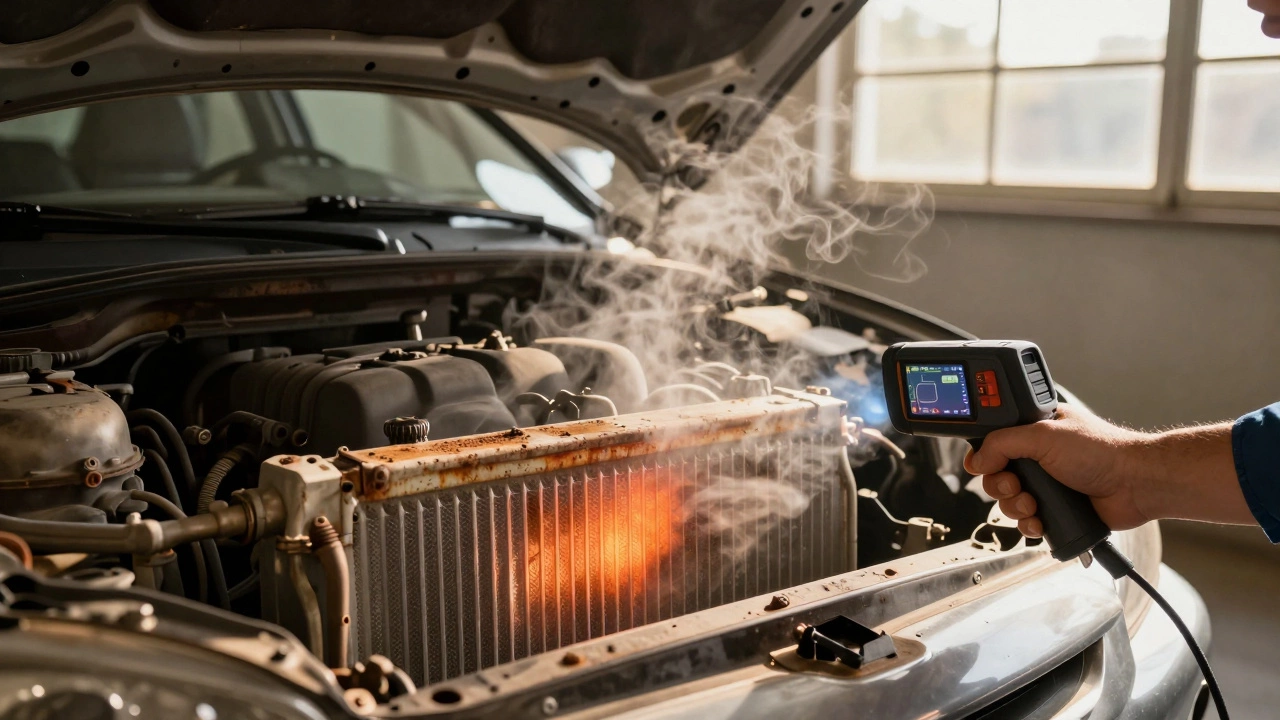
Is It Worth Upgrading Your Car Radiator?
Most car radiators don't need upgrading unless you're towing, modifying your engine, or overheating repeatedly. Learn when a radiator upgrade actually helps-and when it's a waste of money.
CONTINUE READINGRECENT POSTS
-
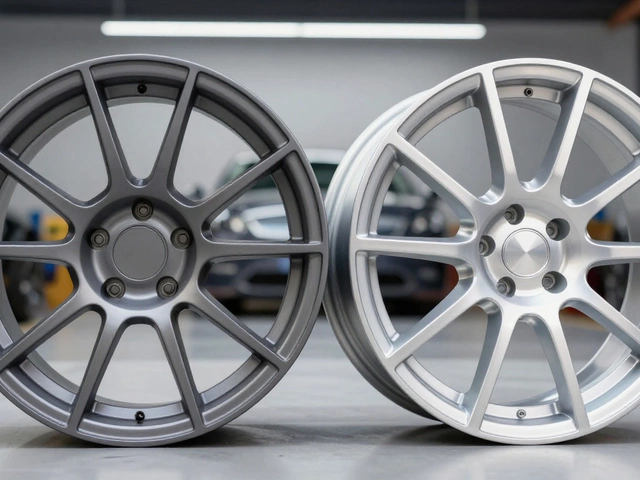
Why Upgrade to Alloy Wheels? Benefits, Performance, and Style
Discover why drivers switch to alloy wheels, from improving braking and fuel efficiency to enhancing car aesthetics and resale value.
-

Is it Cheaper to Install Your Own Car Battery? Costs and Pros and Cons
Discover if installing your own car battery is actually cheaper. We compare DIY costs vs. professional shops, cover core charges, and explain the risks of modern car electronics.