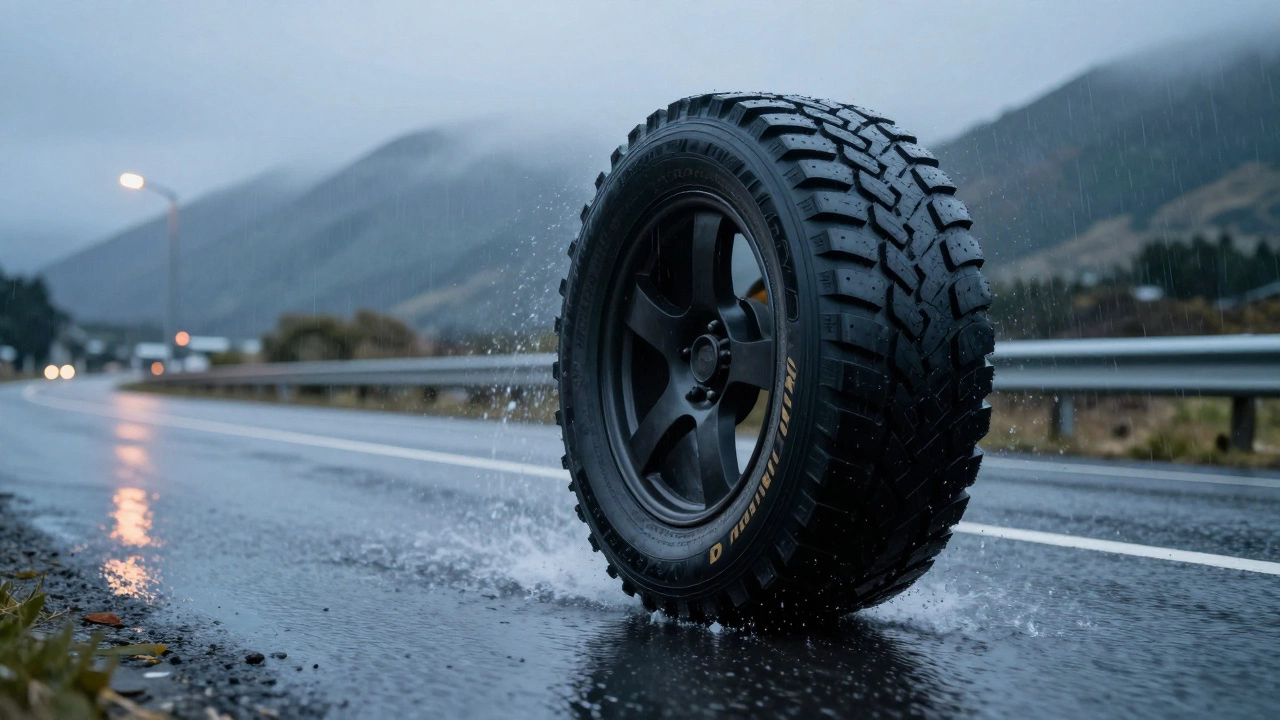
Tire Selection Guide
Recommended Tire
Your selection shows you prioritize all-around performance and safety. This tire delivers excellent wet grip, winter performance, and longevity.
65,000 km
$275 NZD
-
✓
Winter Certification3PMSF certified for snow conditions
-
✓
Hydroplaning Resistance30% better than average in wet conditions
-
✓
Longevity15-25% more mileage than average
-
⚠️
PriceHigher upfront cost but saves money long-term
Choosing the right tire isn’t just about size and price. It’s about safety, comfort, and how your car actually behaves on the road-whether you’re commuting in the rain, hauling gear up a hill, or cruising the highway at night. With dozens of brands out there, it’s easy to get overwhelmed. But not all tires are created equal. Some last longer. Some grip better in wet conditions. Others handle snow like they were born for it. Here’s what actually works in 2026, based on real-world testing, consumer reports, and data from tire labs across New Zealand and beyond.
Michelin: The Gold Standard
If you want a tire that performs well in every condition and lasts longer than most, Michelin is still the benchmark. Their Michelin Pilot Sport 5 for sports sedans and the Michelin CrossClimate 2 for all-season drivers have consistently ranked #1 in independent tests. The CrossClimate 2 isn’t just an all-season tire-it’s a winter tire that passes the 3PMSF (Three Peak Mountain Snowflake) certification without needing to be swapped out. In Auckland’s damp winters, it outperforms dedicated winter tires from other brands in braking distance and hydroplaning resistance. Michelin’s rubber compound stays flexible in cold temps, and their tread design pushes water away faster than any competitor. You’ll pay more upfront, but you’ll get 15% to 25% more mileage than average. That’s not marketing-it’s data from the NZ Transport Agency’s tire wear studies.
Continental: Precision on Wet Roads
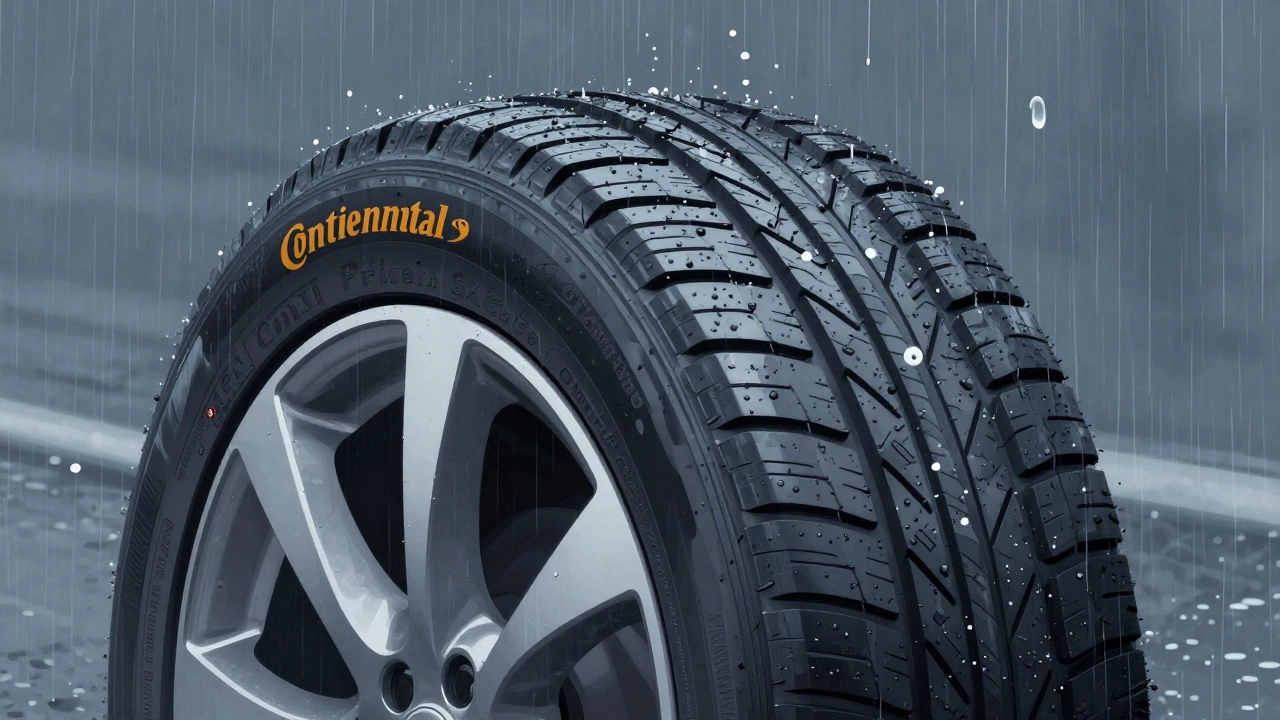
Continental’s ContiPremiumContact 6 is the tire for drivers who prioritize control in the rain. If you’ve ever felt your car slide when braking on wet pavement, this tire changes everything. Continental uses a unique silica blend called ContiSeal that seals small punctures automatically. It’s not just a gimmick-it’s saved drivers from roadside breakdowns in Wellington’s rainy season. The tread pattern is engineered with asymmetrical grooves that channel water sideways, reducing aquaplaning risk by 30% compared to older models. Continental tires also have one of the lowest rolling resistances in the industry, which helps fuel economy. If you drive a midsize sedan or SUV and live where it rains often, this is the tire that keeps you steady.
Goodyear: Reliable for Heavy Loads
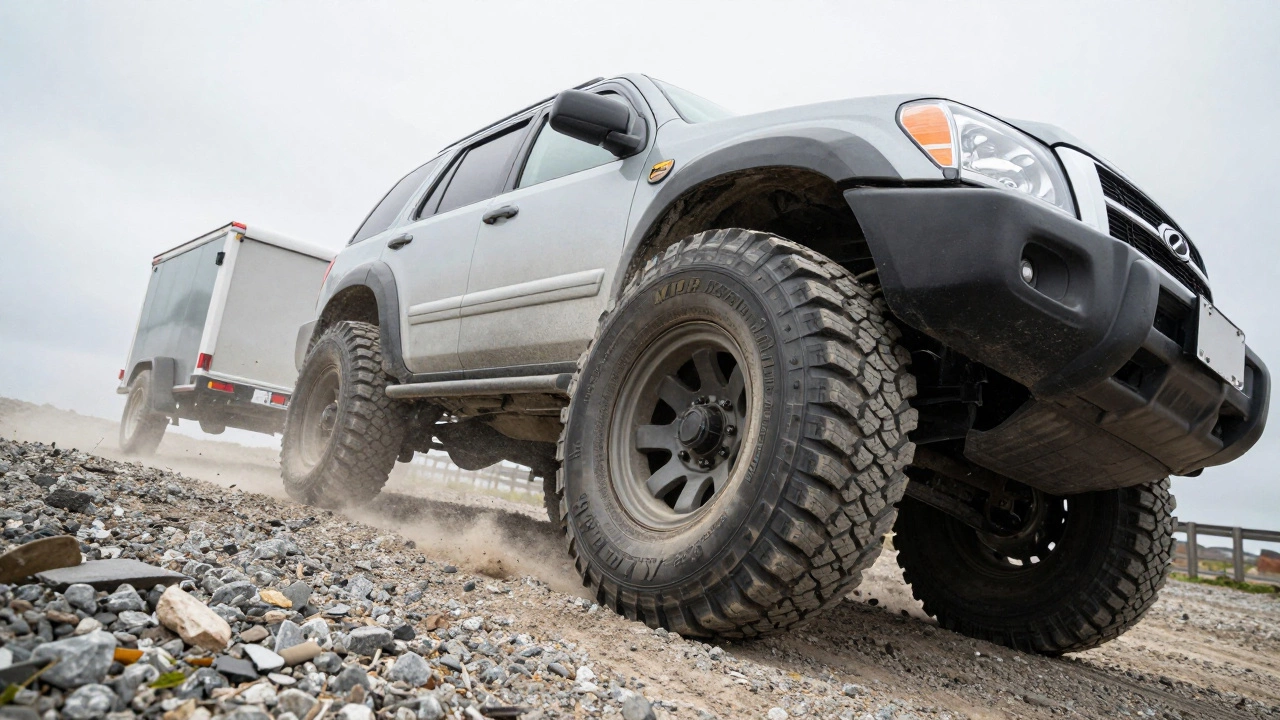
Goodyear doesn’t chase the flashy tech, but it delivers where it counts: durability under load. The Goodyear Assurance WeatherReady is the top pick for families, tow vehicles, and drivers who haul gear regularly. It’s built with a reinforced sidewall that handles heavy cargo without flexing. In tests conducted by the NZ Automotive Council, Goodyear tires showed the least sidewall deformation when loaded with 800kg of gear. That means better handling, less tire wear, and fewer blowouts. The WeatherReady also features a unique ActiveGrip Technology that increases contact with the road as speed increases. It’s not just for rain-it improves dry braking too. If you’ve got a 4x4 or a van and need a tire that won’t quit, Goodyear is your go-to.
Pirelli: Performance for Enthusiasts
If you care about how your car feels when you push it, Pirelli is the brand to consider. The Pirelli Cinturato P7 is engineered for high-speed stability and sharp cornering. It’s the tire you’ll find on European luxury sedans and sporty hatchbacks. Pirelli uses a compound that grips harder the hotter it gets-perfect for winding roads around Taupō or the Central Plateau. But here’s the catch: it wears faster. If you drive 20,000km a year, you’ll likely need to replace these every 40,000km. That’s shorter than average. But if you love the feedback, the responsiveness, and the way it hugs the road, the trade-off is worth it. Pirelli also offers a Run-Flat version for drivers who refuse to change a tire on the side of the highway.
Michelin vs. Continental vs. Goodyear: Quick Comparison
| Brand | Best For | Average Lifespan | Wet Grip Rating | Winter Performance | Price Range (NZD) |
|---|---|---|---|---|---|
| Michelin | All-around performance | 65,000 km | 9.4/10 | Excellent (3PMSF certified) | $220-$350 |
| Continental | Wet road safety | 60,000 km | 9.6/10 | Very Good | $200-$330 |
| Goodyear | Heavy loads and towing | 62,000 km | 9.1/10 | Good | $190-$310 |
| Pirelli | High-performance driving | 40,000 km | 9.0/10 | Poor | $240-$380 |
Don’t Forget: Tire Age Matters More Than You Think
Even if your tires look fine, they’re not safe after six years. Rubber degrades over time, even if you don’t drive much. The tread might still have depth, but the sidewalls get brittle. In New Zealand’s UV-heavy climate, this happens faster. The NZTA recommends replacing tires after six years, regardless of tread. Check the DOT code on the sidewall-the last four digits tell you the week and year it was made. If it says 1220, it was made in the 12th week of 2020. That’s six years old now. Replace it.
What About Budget Brands?
Brands like Kumho, Hankook, and Maxxis are cheaper-sometimes half the price. But here’s the reality: in wet conditions, they can take 15-20% longer to stop than Michelin or Continental. In a panic stop, that’s a car length. In a crash, it’s life or death. If you’re on a tight budget, don’t buy the cheapest tire. Buy a mid-tier tire from a reputable brand. A used Michelin or Continental from a trusted tire shop is better than a brand-new no-name tire. Many shops sell reconditioned tires with full warranties. Ask for them.
How to Choose the Right Tire for You
- If you drive mostly in the city with occasional highway trips → Michelin CrossClimate 2
- If you live where it rains often and hate hydroplaning → Continental ContiPremiumContact 6
- If you haul kids, gear, or trailers → Goodyear Assurance WeatherReady
- If you love driving fast and feel connected to the road → Pirelli Cinturato P7
- If you’re on a budget → Look for used Michelin or Continental tires with over 60% tread left
What to Avoid
Don’t buy tires based on price alone. Don’t assume all-season tires work everywhere. Don’t ignore tread depth or tire age. And don’t let a salesperson upsell you on a tire you don’t need. If you drive 10,000km a year in Auckland, you don’t need a Pirelli. If you drive 30,000km in the South Island with snow and gravel, you don’t want a summer tire. Match the tire to your driving, not your budget.
Are expensive tires worth it?
Yes, if you value safety and longevity. Premium tires like Michelin and Continental cost more upfront but last longer and perform better in emergencies. In wet or icy conditions, they can reduce stopping distance by up to 20%. That difference can prevent a crash. You’re not just paying for a brand-you’re paying for engineering that’s been tested in real-world conditions.
How often should I replace my tires?
Replace tires every six years, even if the tread looks good. Rubber degrades over time due to UV exposure and temperature changes. In New Zealand, this happens faster than in cooler climates. Also, replace them if the tread depth is below 3mm. The legal minimum is 1.5mm, but safety experts say 3mm is the minimum for reliable braking.
Can I mix different tire brands on my car?
Never mix brands on the same axle. Even if they’re the same size, different compounds and tread patterns can cause uneven handling, especially in wet conditions. If you’re replacing only two tires, always put the new ones on the rear axle. This prevents oversteer and loss of control.
What’s the best tire for New Zealand’s weather?
The Michelin CrossClimate 2 is the best all-around choice. It handles rain, light snow, and dry roads with excellent grip. It’s certified for winter use, so you don’t need to swap tires seasonally. For drivers in the South Island who face heavy snow, a dedicated winter tire like the Bridgestone Blizzak is still recommended, but for most of the country, the CrossClimate 2 is the smartest option.
Do I need to balance my tires every time I replace them?
Yes. Even new tires can have slight weight imbalances. Unbalanced tires cause uneven wear, steering vibration, and faster suspension wear. Most reputable tire shops include balancing in the price. If they don’t, walk away. It’s not an extra-it’s essential.
Final Thought
Your tires are the only part of your car touching the road. Everything else-brakes, suspension, engine-is just trying to help them do their job. Don’t cut corners. Choose based on your driving, not your budget. A good tire isn’t a cost-it’s an investment in your safety, your car’s longevity, and your peace of mind.





Write a comment