Engine Damage Cost Calculator
Estimate how much you could save by addressing cooling system issues early. Ignoring small problems can lead to catastrophic engine failure.
Cost Analysis
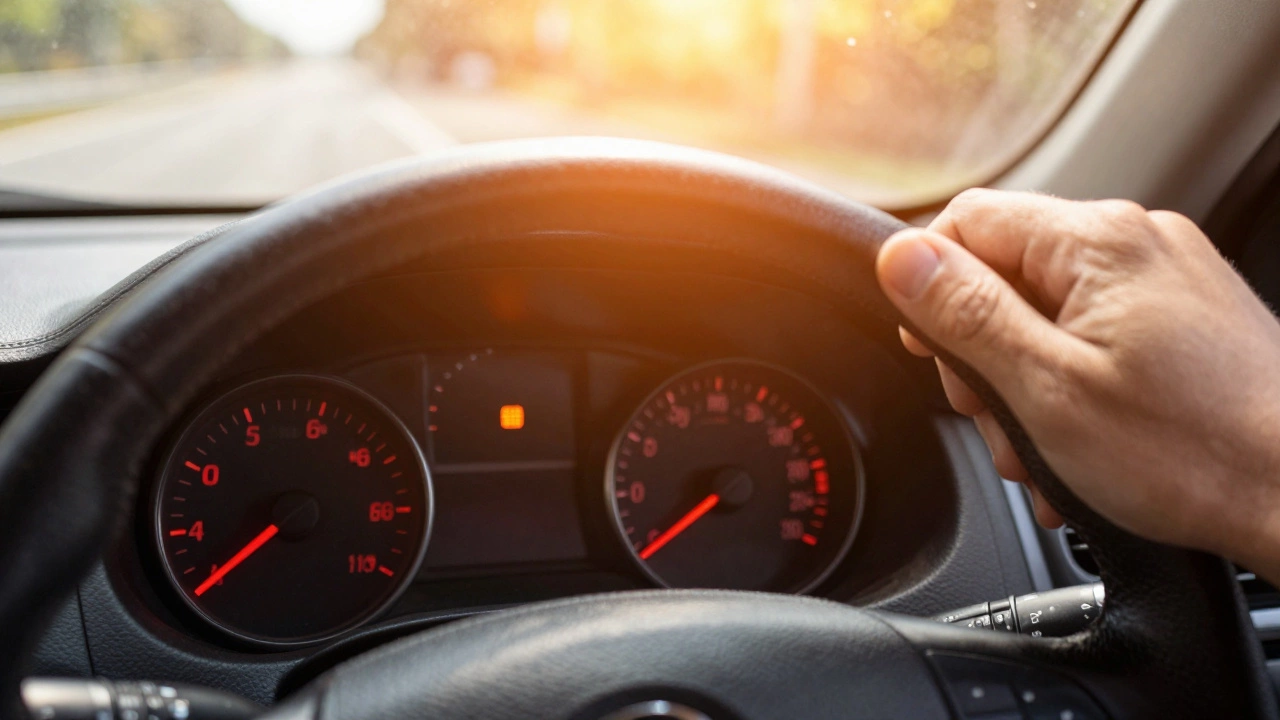
Imagine you are driving down the highway on a hot summer day. Suddenly, the temperature gauge spikes into the red zone. You pull over, heart pounding, wondering if your car is about to die. This scenario is more common than you think, and it often traces back to one specific component: the radiator a heat exchanger that transfers thermal energy from the coolant to the air. But here is the real question keeping many drivers up at night: Can a bad radiator actually ruin an engine?
The short answer is yes. A failing radiator doesn't just make your car run hot; it can lead to catastrophic engine failure that costs thousands of dollars to fix. However, it rarely happens overnight. There is usually a window of opportunity where you can save your engine by recognizing the signs early. Understanding how this process works helps you avoid turning a simple repair into a total engine replacement.
How a Radiator Protects Your Engine
To understand why a broken radiator is so dangerous, you need to know what it does. Your engine generates immense heat during combustion. Without a way to dissipate that heat, metal parts expand, lubricants break down, and components seize. The cooling system the network of hoses, pumps, and tanks that regulate engine temperature acts as the engine's air conditioning.
The radiator sits at the front of the vehicle, acting as the primary heat sink. Hot liquid flows from the engine block through the water pump a mechanical device that circulates coolant throughout the engine and into the radiator. As air passes through the radiator fins, it cools the fluid before it returns to the engine. If the radiator cannot transfer heat efficiently-due to clogs, leaks, or corrosion-the heat stays trapped in the engine block. This buildup is what leads to severe damage.
The Chain Reaction of Overheating
When a radiator fails, it doesn't immediately explode your engine. Instead, it triggers a chain reaction of thermal stress. Here is how the damage typically progresses:
- Mild Overheating: The engine runs hotter than normal. You might notice reduced fuel efficiency or slight power loss. At this stage, the damage is minimal, but the risk is rising.
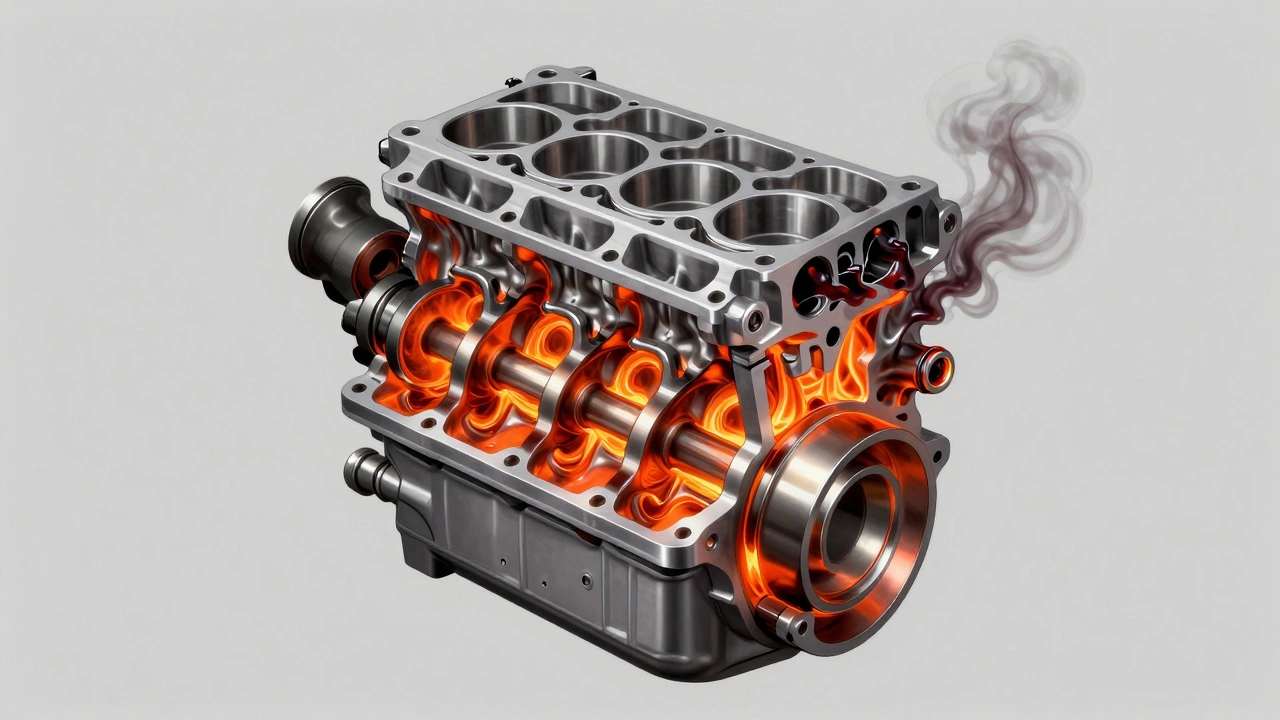
- Head Gasket Failure: The head gasket a seal between the engine block and cylinder head is made of composite materials that cannot withstand extreme heat. When temperatures exceed safe limits, the gasket burns or blows, allowing coolant and oil to mix. This is often the first major sign of trouble.
- Warped Cylinder Head: Aluminum heads expand significantly when hot. If the cooling system fails completely, the head can warp out of shape. A warped head no longer seals properly against the engine block, leading to compression loss and continued overheating even after repairs.
- Crankshaft Seizure: In severe cases, the lack of proper lubrication due to overheated oil causes the crankshaft to lock up inside the engine block. This is known as seizing. Once an engine seizes, it is effectively dead and requires a complete rebuild or replacement.
Each step in this chain represents a significant increase in repair costs. What starts as a $300 radiator replacement can quickly escalate into a $3,000 engine swap if ignored.
Signs Your Radiator Is Failing
You don't have to wait for the temperature gauge to hit red to know there is a problem. Modern cars provide several warning signs that your radiator is struggling. Pay attention to these indicators:
| Symptom | What It Means | Urgency Level |
|---|---|---|
| Visible Leaks Under Car | Coolant is escaping from cracks or loose connections | High - Stop driving immediately |
| Discolored Coolant | Rusty or muddy fluid indicates internal corrosion | Medium - Schedule service soon |
| Overheating Gauge | Engine temperature exceeds normal operating range | Critical - Pull over safely |
| Sweet Smell Inside Cabin | Burning coolant vapor entering the ventilation system | High - Check for leaks |
| Sluggish Performance | Engine computer reduces power to protect itself from heat | Medium - Diagnostic needed |
If you see any of these signs, do not ignore them. Driving with a compromised cooling system is gambling with your engine's lifespan. Even a small leak can lead to a complete loss of coolant within miles, causing rapid overheating.
Why Ignoring Small Problems Costs More
Many drivers fall into the trap of thinking that a small drip or a slightly high temperature reading is not worth fixing yet. This mindset is expensive. Consider the difference in cost between addressing issues early versus waiting for failure:
- Preventive Maintenance: Replacing a thermostat or flushing old coolant costs between $100 and $200. This keeps the system clean and functioning optimally.
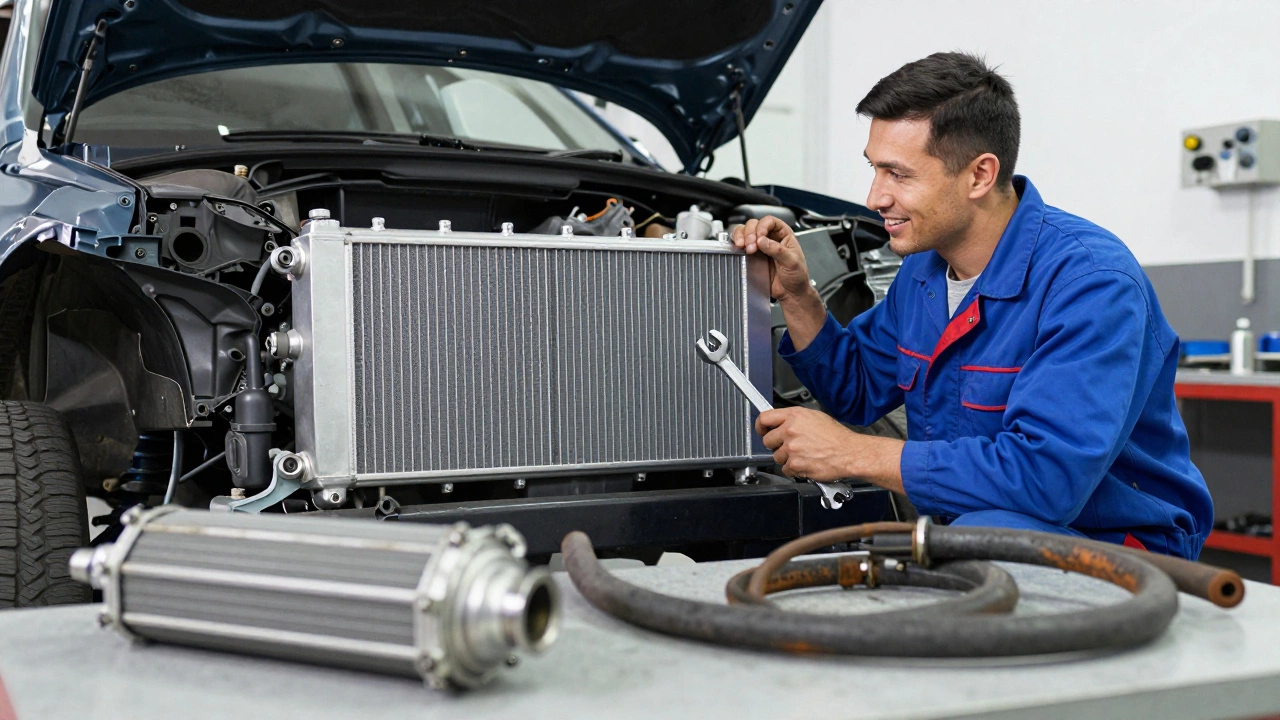
- Radiator Replacement: If the core corrodes or tanks crack, replacing the entire unit ranges from $400 to $800 depending on the vehicle. Labor adds another $150 to $300.
- Head Gasket Repair: Fixing a blown head gasket requires removing the cylinder head, machining surfaces, and installing new seals. Expect to pay $1,500 to $2,500.
- Engine Replacement: If the engine seizes or cracks, you face the cost of a new or rebuilt engine ($3,000+) plus installation labor ($1,000+).
The math is clear. Spending money on regular cooling system maintenance saves you from massive unexpected bills later. Think of your radiator like the brakes on your car-you wouldn't drive until they fell off, right?
Factors That Accelerate Radiator Failure
Not all radiators fail at the same rate. Several factors influence how long yours will last. Understanding these helps you take better care of your vehicle:
Air Quality: Living in areas with high salt content (like coastal cities) or heavy road debris increases the risk of external corrosion. Salt eats away at aluminum fins, while rocks can puncture the tank. Regularly rinsing the underside of your car helps mitigate this.
Coolant Type: Using the wrong type of antifreeze can cause chemical reactions inside the radiator. Some coolants contain silicates or phosphates that form deposits over time, blocking flow channels. Always use the manufacturer-recommended fluid.
Driving Habits: Frequent towing, stop-and-go traffic, and aggressive acceleration generate more heat than highway cruising. These conditions put extra strain on the cooling system, requiring more frequent inspections.
What To Do If Your Car Overheats
If you find yourself in an overheating situation while driving, panic is your worst enemy. Follow these steps to minimize damage:
- Pull Over Safely: Do not keep driving. Every minute you drive with an overheating engine risks further damage.
- Turn Off the Engine: Letting the engine idle still generates heat. Shutting it down stops the combustion process.
- Do Not Open the Radiator Cap: The system is under high pressure. Opening the cap while hot can cause boiling coolant to spray out, resulting in severe burns. Wait at least 30 minutes for the engine to cool.
- Check Coolant Levels: Once cooled, check the overflow reservoir. If it is empty, add water temporarily if necessary to get home, but plan for a professional inspection.
- Tow If Necessary: If the temperature remains high after cooling, or if you see steam coming from under the hood, call a tow truck. Driving further could destroy the engine.
Remember, a bad radiator is a symptom, not always the root cause. Sometimes a stuck thermostat or a faulty fan causes the overheating. A mechanic needs to diagnose the full system to prevent recurrence.
Preventing Future Issues
Prevention is far cheaper than cure. Incorporate these habits into your car maintenance routine:
- Flush Coolant Regularly: Most manufacturers recommend flushing every 30,000 to 60,000 miles. Old coolant loses its protective properties and becomes acidic, corroding internal components.
- Inspect Hoses Annually: Look for cracks, bulges, or soft spots in the upper and lower radiator hoses. Replace them if they feel spongy or show wear.
- Monitor Temperature Gauge: Make it a habit to glance at the dashboard occasionally. Normal operation should stay in the middle of the gauge. Consistent deviation indicates a problem.
- Keep the Exterior Clean: Bugs, dirt, and mud clog the radiator fins, reducing airflow. Use compressed air or a gentle hose spray to clean the front grille area periodically.
By treating your cooling system with respect, you extend the life of both your radiator and your engine. It is one of the most cost-effective ways to maintain your vehicle's reliability.
How long can I drive with a leaking radiator?
You should not drive with a leaking radiator at all. Even a slow leak can lead to a sudden loss of coolant, causing immediate overheating and potential engine seizure. If you notice a leak, have the vehicle towed to a repair shop.
Can a bad radiator cause white smoke from the exhaust?
Yes. White smoke usually indicates burning coolant. If the radiator fails and allows coolant to enter the combustion chamber (often via a blown head gasket), it vaporizes and exits as thick white smoke. This is a serious issue requiring immediate attention.
Is it cheaper to replace the radiator or repair it?
In most cases, replacement is cheaper and more reliable. Radiator repairs, such as welding cracks, are often temporary fixes. Modern radiators are relatively affordable compared to the labor cost of attempting a complex repair that may fail again soon.
Does a bad radiator affect fuel economy?
Indirectly, yes. An overheating engine runs less efficiently. The engine computer may retard ignition timing to reduce heat, which lowers performance and increases fuel consumption. Additionally, friction increases when oil breaks down due to heat, wasting energy.
How often should I replace my car radiator?
There is no fixed schedule for radiator replacement. They can last the lifetime of the vehicle if maintained properly. However, most radiators begin to show signs of wear after 8 to 10 years or 100,000 miles. Regular inspections are key to determining when replacement is necessary.



Write a comment