Fuel Pump Failure Risk Assessor
Select Your Symptoms
Click on the symptoms you are currently experiencing with your vehicle.
Risk Assessment:
Diagnosis:
Immediate Actions:
No Assessment Yet
Select symptoms from the list and click "Assess Risk Level" to see potential causes and recommended actions.
Your car doesn't just stop on the highway without warning. It usually screams at you first. A fuel pump is one of those components that gives plenty of notice before it quits entirely. Ignoring these early signals is what turns a $150 repair into a tow truck bill and a day off work.
The fuel pump is the heart of your vehicle's fuel delivery system. Its job is simple but critical: push gasoline from the tank to the engine under high pressure. When it starts to struggle, the engine starves. This isn't a sudden event for most drivers; it's a slow degradation process that manifests in specific, observable ways. Knowing what to look for can save you thousands in potential engine damage.
The High-Pitched Whine: The First Red Flag
If your car has ever sounded like a jet engine taking off from inside the trunk, pay attention. That distinct humming or whining noise coming from the rear of the vehicle is often the first sign of trouble. In a healthy system, the electric fuel pump runs quietly because it's submerged in cold, clean fuel, which helps cool and lubricate its internal motor.
When the pump begins to wear out, the carbon brushes inside the electric motor degrade. This creates friction and causes the motor to spin less efficiently, resulting in a louder, higher-pitched whine. You'll hear this most clearly when you first turn the key to the "on" position, before the engine actually starts. This is called the priming cycle. If that hum sounds strained, raspy, or significantly louder than usual, your pump is working harder to move the same amount of fuel.
- Normal sound: A low, steady hum lasting 2-3 seconds.
- Failing sound: A loud, high-pitched whine or grinding noise that persists.
- No sound: Complete silence during startup indicates a dead pump or blown fuse.
Don't ignore this noise. It means the mechanical parts are wearing down. Continuing to drive will eventually lead to complete seizure of the pump mechanism.
Power Loss Under Acceleration
Have you noticed that your car feels sluggish when you step on the gas? Maybe it used to zip onto the highway effortlessly, but now it hesitates or struggles to maintain speed. This symptom is known as fuel starvation, and it’s a classic indicator of a failing pump.
The engine requires a precise mixture of air and fuel to run smoothly. Modern engines typically require between 30 and 60 psi (pounds per square inch) of fuel pressure, depending on the make and model. As the fuel pump weakens, it can no longer maintain this pressure, especially under load-like when you're accelerating, climbing a hill, or towing something heavy.
This happens because the demand for fuel exceeds the pump's diminishing capacity. The engine control unit (ECU) detects the lean condition (too much air, not enough fuel) and tries to compensate, but there's only so much software can do against hardware failure. You might feel the car "bogging down" or surging unexpectedly. This is different from transmission issues or clogged air filters; it feels specifically like the engine is being choked.
Engine Sputtering and Stalling
If power loss is the warning, sputtering is the emergency brake. Intermittent stalling or rough idling occurs when the fuel flow becomes inconsistent. Instead of a steady stream, the engine receives erratic bursts of fuel. This leads to misfires, where one or more cylinders fail to ignite properly.
You might experience this while driving at a constant speed, such as cruising on the highway. The engine RPMs might drop suddenly, causing the car to shudder or jerk before recovering. In worse cases, the engine will stall completely while moving, which is dangerous. This often happens because the pump's impeller-the spinning part that moves the fuel-is worn or damaged, allowing fuel to recirculate rather than being pushed forward effectively.
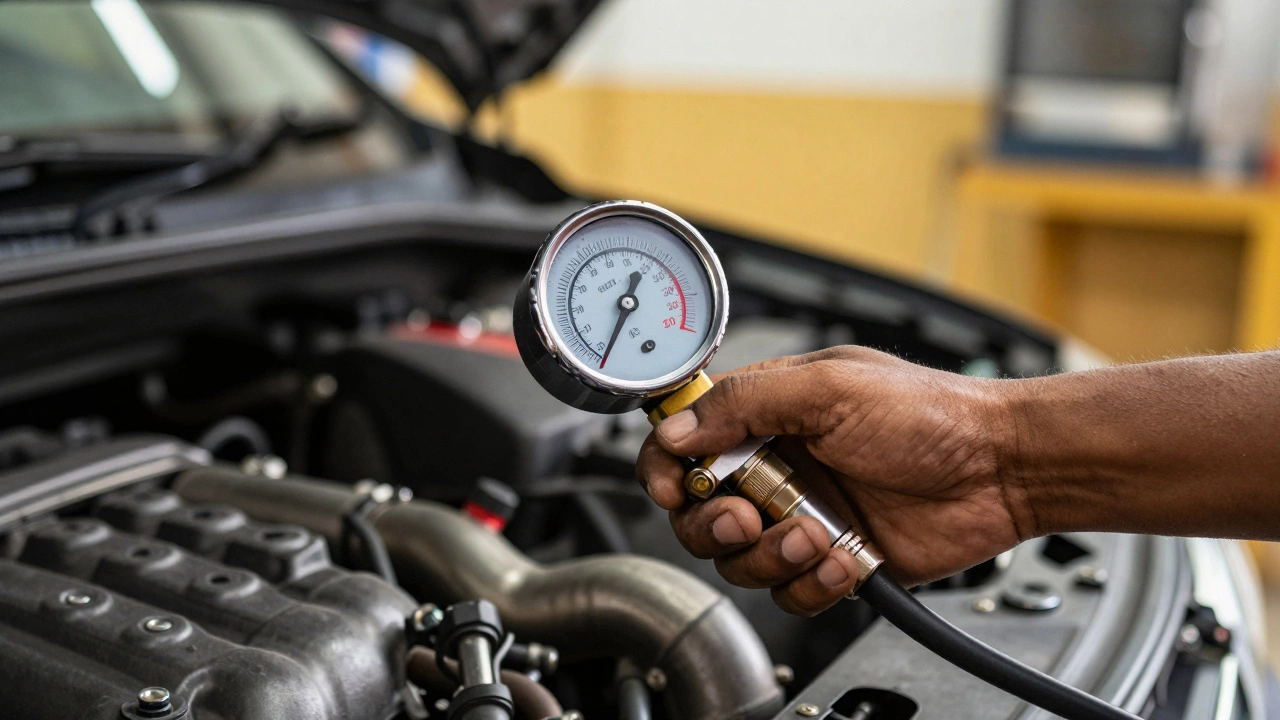
Another common scenario is stalling after the car has been sitting for a while. This could be related to vapor lock, but it's frequently caused by a pump that can't build initial pressure quickly enough when the system is empty. If your car stalls repeatedly, check the fuel pressure with a gauge. If the pressure drops below the manufacturer's specification, the pump is likely the culprit.

Difficulty Starting the Engine
Does your car take longer to start than it used to? Cranking for five or six seconds instead of two is a significant change. While a weak battery or bad starter can cause this, a failing fuel pump is a frequent suspect. Remember the priming cycle mentioned earlier? If the pump is weak, it takes longer to build up the necessary pressure in the fuel lines and rail to allow ignition.
This symptom is often intermittent. Your car might start fine in the morning but struggle after sitting all day. Heat plays a role here too. Fuel pumps generate heat as they work, and if the pump is already struggling, additional ambient heat can cause the internal components to expand slightly, increasing resistance and making it even harder for the pump to function. This is why you might notice starting issues more frequently on hot days or after long drives.
If you find yourself having to prime the fuel system multiple times (turning the key to "on" and back off several times) to get the engine to catch, replace the pump immediately. Waiting until it fails completely could leave you stranded miles from home.
Overheating and Check Engine Light
A failing fuel pump puts extra strain on the entire fuel system. Because the pump is working inefficiently, it generates excess heat. Since the pump relies on fuel for cooling, running low on gas exacerbates this problem. Many people don't realize that keeping your tank at least a quarter full helps keep the fuel pump cool and extends its life.
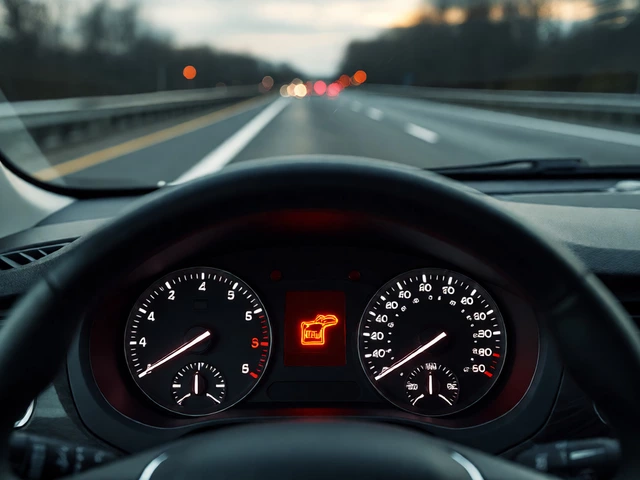
The Check Engine Light may illuminate with codes related to lean fuel mixtures, such as P0171 or P0174. These codes indicate that the engine is running lean, meaning there's too much oxygen in the exhaust. While this can be caused by vacuum leaks or dirty mass airflow sensors, a weak fuel pump is a primary cause. Mechanics often overlook this connection, assuming an electrical or sensor issue first. Always have the fuel pressure tested if these codes appear alongside performance issues.
| Symptom | Cause | Severity | Action Required |
|---|---|---|---|
| Loud whining noise | Motor brush wear | Moderate | Schedule inspection soon |
| Power loss under acceleration | Inadequate fuel pressure | High | Test fuel pressure immediately |
| Engine sputtering/stalling | Inconsistent fuel flow | Critical | Do not drive; replace pump |
| Hard starting | Poor priming pressure | Moderate | Check pump and fuses |
Preventative Maintenance Tips
While fuel pumps are durable, they aren't immortal. Most last between 100,000 and 150,000 miles, but proper care can extend their life significantly. One of the biggest enemies of a fuel pump is contamination. Dirt and debris in the fuel tank can clog the pump's filter and damage the impeller. Always use quality fuel from reputable stations. Avoid filling up right after another large vehicle has left the pump, as this can stir up sediment in the station's underground tanks.
Another crucial habit is never letting your fuel gauge hit empty. Running dry forces the pump to draw air, which eliminates its cooling source and causes rapid overheating. Even occasionally running low can shorten the pump's lifespan due to increased heat stress. Keep your tank above the quarter mark whenever possible.
Regularly replacing your fuel filter (if your vehicle has an external one) also reduces the workload on the pump. A clogged filter restricts flow, forcing the pump to work harder to maintain pressure. Consult your owner's manual for the recommended replacement interval, typically every 30,000 to 40,000 miles.
Diagnosing vs. Replacing
If you suspect a failing fuel pump, don't rush to buy a new one. Other issues can mimic pump failure. A clogged fuel injector, a faulty fuel pressure regulator, or a bad mass airflow sensor can cause similar symptoms. A proper diagnosis involves testing the fuel pressure with a gauge and checking the voltage supply to the pump.
If the pressure is low, listen to the pump again. If it's loud and weak, the pump is likely the problem. If the pressure is normal but the engine still runs poorly, look elsewhere. Replacing a fuel pump is relatively straightforward for a mechanic, but it involves dropping the fuel tank or accessing the pump through the rear seat or trunk floor. Labor costs can vary, so getting an accurate diagnosis first saves money.
How much does it cost to replace a fuel pump?
The cost varies widely depending on your vehicle. For most standard cars, parts range from $150 to $400, while labor adds another $200 to $600. Luxury vehicles or trucks with complex access requirements can exceed $1,000 total. Always ask for a quote including both parts and labor.
Can I drive my car if the fuel pump is making noise?
You should avoid driving it if possible. A noisy pump indicates wear that could lead to sudden failure. If you must drive, keep speeds low, avoid hard acceleration, and head straight to a repair shop. Driving long distances risks being stranded.
Why does my car stall when I'm going uphill?
Climbing hills increases the engine's demand for fuel. A weak fuel pump cannot maintain the required pressure under this load, causing the engine to starve and stall. This is a clear sign of inadequate fuel pressure, likely due to a failing pump or clogged filter.
Is it safe to top up the fuel tank to help the pump?
Yes, keeping the tank fuller helps cool the pump. However, if the pump is already failing mechanically, adding fuel won't fix the internal wear. It may provide temporary relief by reducing heat, but it won't restore lost pressure or efficiency.
How long does a fuel pump last?
Most fuel pumps last between 100,000 and 150,000 miles. Factors like fuel quality, driving habits, and whether you frequently run the tank low can significantly shorten this lifespan. Regular maintenance can help maximize longevity.




Write a comment