Spark Plug Damage Risk Calculator
Check Your Symptoms
Select any issues you are currently experiencing with your vehicle.
Risk Assessment
You hear that rough idle. You feel the hesitation when you step on the gas. It’s annoying, sure, but is it catastrophic? That’s the question keeping many drivers up at night. Can a simple spark plug, a small metal and ceramic component, actually destroy your entire engine? The short answer is yes, but with a major caveat: it takes time and neglect.
A bad spark plug won’t blow up your engine overnight like a cartoon bomb. Instead, it acts like a slow leak in a tire. If you ignore it, the damage compounds until the cost of repair skyrockets. Understanding exactly how this happens can save you thousands of dollars and prevent you from being stranded on the side of the road.
How Spark Plugs Actually Work
To understand the damage, you first need to know what these parts do. Inside your engine, air and fuel mix in the combustion chamber. This mixture needs a tiny, precise explosion to push the pistons down and turn the wheels. That explosion is triggered by the spark plug.
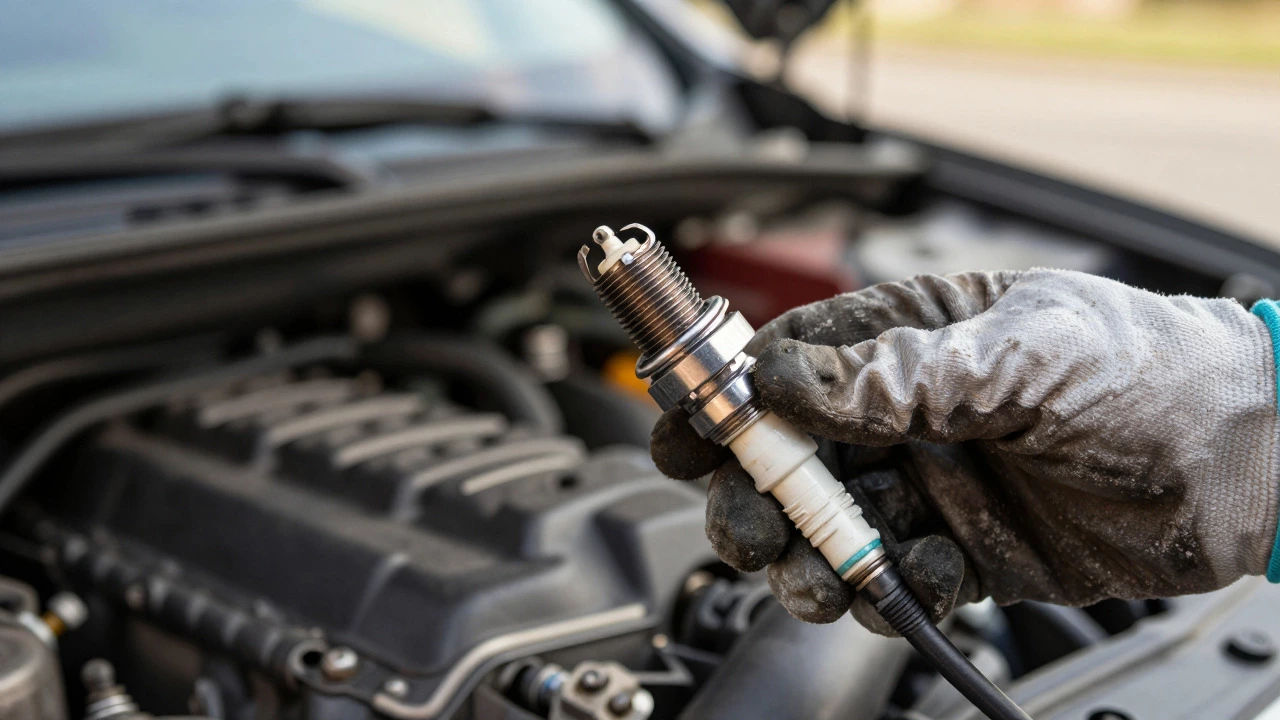
The spark plug sends a high-voltage electrical arc across a small gap between its center electrode and ground strap. This arc ignites the fuel-air mixture. When the plug is healthy, the burn is complete and efficient. When the plug fails, the burn becomes incomplete or doesn’t happen at all. This imbalance is where the trouble starts.
The Misfire: The First Sign of Trouble
When a spark plug wears out, fouls, or cracks, it stops firing correctly. This results in a condition known as an engine misfire. A misfire means one or more cylinders are not contributing power. You’ll feel this as shaking, vibration, or a lack of acceleration. Your dashboard will likely light up with the Check Engine Light, often displaying codes like P0300 (random misfire) or P0301-P0308 (specific cylinder misfire).
At this stage, the engine isn’t destroyed yet. However, driving with a misfire is like running a marathon with a sprained ankle. You can keep going, but every step causes more injury. The immediate risk here is poor performance and increased emissions, but the real danger lies in what happens next if you keep driving.
Unburnt Fuel and Catalytic Converter Damage
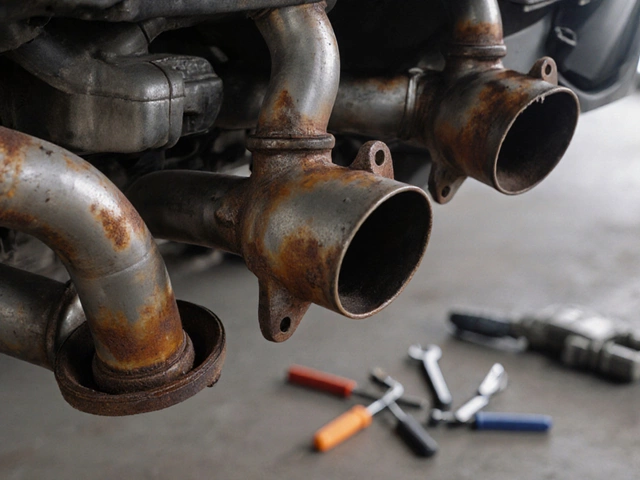
This is the most common way "bad spark plugs" lead to expensive repairs. When a cylinder misfires, unburnt fuel passes through the exhaust valve and into the exhaust system. This raw fuel eventually reaches the catalytic converter.
The catalytic converter is designed to treat exhaust gases, not liquid gasoline. When raw fuel hits the hot catalyst, it can ignite inside the converter. This causes the converter to overheat dramatically. The internal honeycomb structure, made of precious metals like platinum and palladium, can melt or collapse. Once this happens, the converter is clogged. This restricts exhaust flow, causing backpressure that chokes the engine. Replacing a catalytic converter costs significantly more than replacing a set of spark plugs.
Oil Dilution and Internal Wear
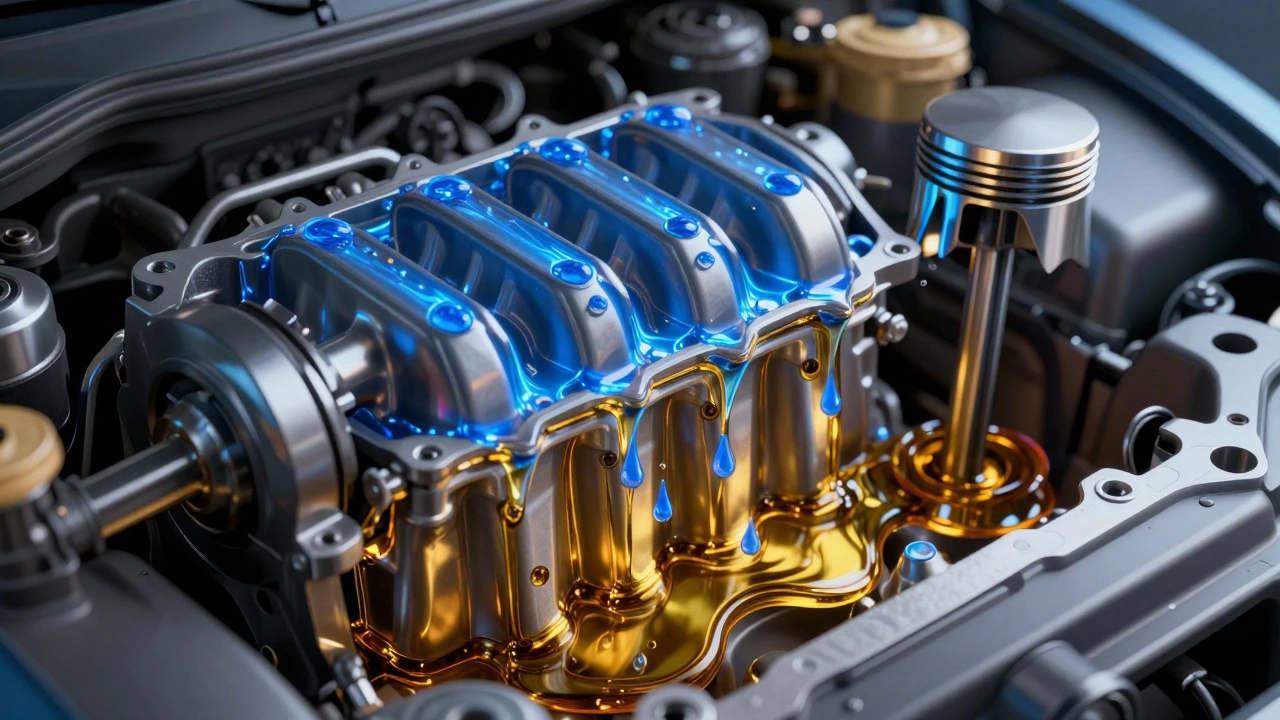
If the misfire persists, unburnt fuel doesn’t just go out the tailpipe. Some of it washes down the cylinder walls and mixes with the engine oil in the crankcase. This process is called oil dilution.
Engine oil relies on specific additives to lubricate moving parts and neutralize acids. When diluted with gasoline, the oil loses its viscosity and protective properties. It becomes thinner and less effective. Over time, this leads to increased friction between metal components like pistons, rings, and bearings. While this rarely destroys an engine instantly, it accelerates wear. In severe cases, especially in direct injection engines, significant oil dilution can lead to bearing failure or sludge buildup, which requires a full engine rebuild or replacement.
Pre-Ignition and Knocking
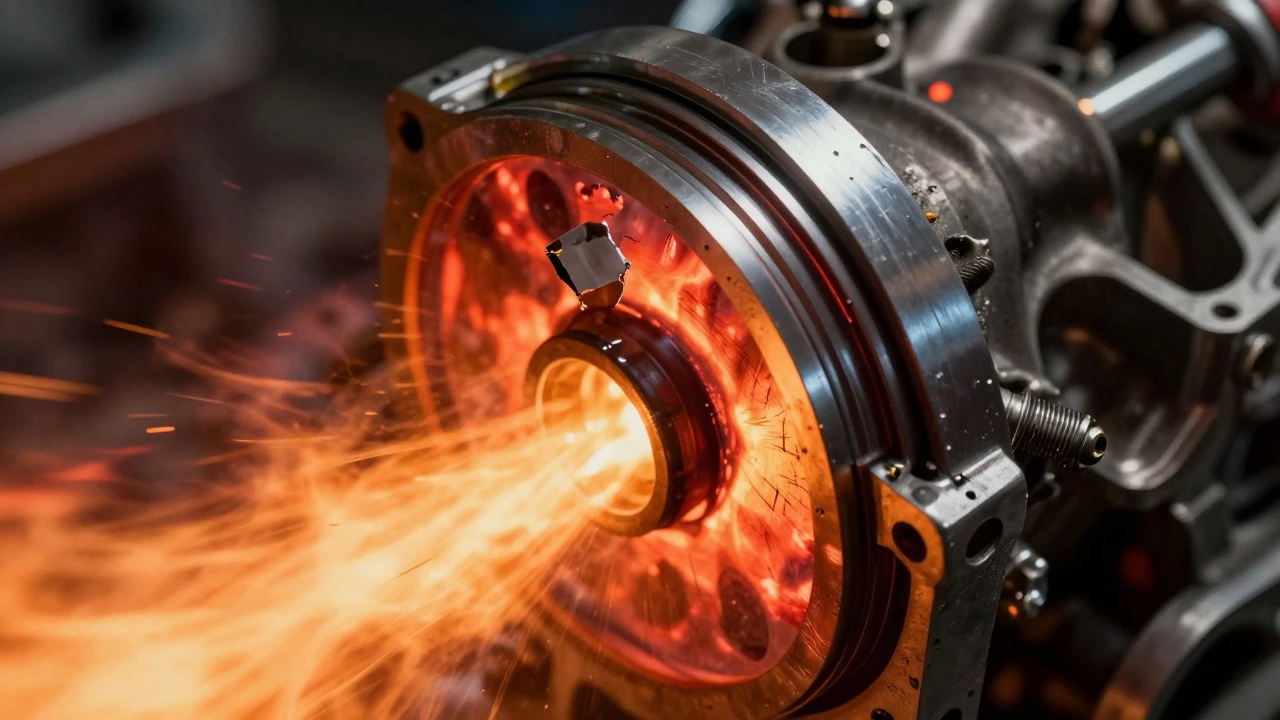
There is another, more violent scenario involving pre-ignition. Sometimes, a damaged spark plug electrode can break off or become excessively hot. If a fragment breaks off, it can fall into the combustion chamber. This hard piece of metal or ceramic can physically scratch the piston crown or valves. These scratches create hot spots.
Hot spots can cause the air-fuel mixture to ignite before the spark plug fires. This is pre-ignition. Unlike normal combustion, pre-ignition creates extreme pressure spikes while the piston is still moving up. This phenomenon, known as engine knocking or detonation, puts massive stress on connecting rods and pistons. In extreme cases, a single event of severe knocking can bend a connecting rod or crack a piston, effectively destroying the engine block’s integrity.
Signs Your Spark Plugs Are Failing
Catching the problem early prevents these catastrophic outcomes. Watch for these specific symptoms:
- Rough Idling: The engine feels shaky or vibrates noticeably when stopped at a red light.
- Poor Acceleration: The car hesitates or jerks when you press the accelerator.
- Increased Fuel Consumption: You’re filling up the tank more frequently because the engine is burning fuel inefficiently.
- Difficulty Starting: The engine cranks longer than usual before catching, especially in cold weather.
- Check Engine Light: Specifically, misfire codes stored in the vehicle’s computer.
Prevention and Maintenance Tips
Preventing engine damage from spark plugs is straightforward. Follow the manufacturer’s recommended service interval. For older cars with copper plugs, this might be every 30,000 miles. For modern vehicles with iridium or platinum plugs, intervals can extend to 60,000-100,000 miles. Check your owner’s manual.
When replacing plugs, ensure they match the correct heat range and gap specification. Using the wrong type can cause overheating or fouling. Also, inspect the ignition coils. A failing coil can foul a new plug quickly, creating a cycle of failure. Always replace spark plugs in sets rather than individually to maintain balanced engine performance.
| Failure Type | Immediate Symptom | Long-Term Risk | Repair Cost Level |
|---|---|---|---|
| Fouled Plug | Rough idle, poor start | Reduced efficiency | Low (Replace plug) |
| Cracked Ceramic | Misfire, backfiring | Catalytic converter damage | High ($1,000+) |
| Broken Electrode | No spark, severe knock | Piston/Valve damage | Very High (Engine rebuild) |
| Wrong Heat Range | Pre-ignition, overheating | Engine seizure | Extreme (New engine) |
When to Seek Professional Help
If you notice any signs of misfire, don’t ignore them. While changing spark plugs is a DIY task for many, diagnosing the root cause can be complex. If the Check Engine Light flashes while driving, pull over safely and shut off the engine immediately. A flashing light indicates a severe misfire that is actively dumping raw fuel into the exhaust, posing an immediate threat to the catalytic converter.
For persistent issues, a mechanic can perform a compression test or leak-down test to check for internal damage. They can also inspect the removed plugs for clues about other problems, such as oil burning or coolant leaks, which might indicate deeper engine issues beyond just the ignition system.
How long can you drive with bad spark plugs?
You should avoid driving with bad spark plugs for more than a few hundred miles. Short trips to a repair shop are usually safe, but prolonged driving increases the risk of damaging the catalytic converter or diluting engine oil. If the Check Engine Light is flashing, stop driving immediately.
Can a single bad spark plug ruin the whole engine?
A single bad spark plug rarely destroys the engine block itself unless it causes severe pre-ignition or a broken fragment damages internal components. However, it can easily destroy the catalytic converter, which is a very expensive part connected to the engine’s exhaust system.
What does a failed spark plug look like?
A healthy spark plug has a tan or light gray electrode. A failed plug might show white deposits (overheating), black soot (rich fuel mixture/oil burning), or physical cracks in the ceramic insulator. Electrodes may also appear eroded or widened beyond the specified gap.
Is it cheaper to replace spark plugs or fix engine damage?
Replacing spark plugs is significantly cheaper. A set of premium plugs costs between $50 and $150, plus labor if you pay a mechanic. Fixing engine damage caused by misfires, such as replacing a catalytic converter or rebuilding an engine, can cost anywhere from $1,000 to $5,000 or more.
Do spark plugs affect fuel economy?
Yes. Worn spark plugs cause incomplete combustion, meaning your engine burns more fuel to produce the same amount of power. Replacing old plugs can improve fuel economy by 1-5%, depending on the severity of the wear and the vehicle’s design.




Write a comment