Engine Oil Warning Symptom Checker
Select the symptoms you are currently experiencing with your vehicle to determine the potential severity level.
Your car doesn't just stop working the second the oil level drops; it screams for help first. The problem is that many drivers mistake these screams for "old car noises" or minor glitches. If you ignore the signs of low oil, you're not just looking at a trip to the mechanic-you're risking a seized engine that costs thousands to replace. Knowing exactly what to look for can be the difference between a five-minute top-off and a total engine failure.
Quick Indicators of Low Oil
- The oil pressure warning light pops up on your dashboard.
- You hear a clicking or knocking sound coming from the engine.
- The engine runs hotter than usual or the temperature gauge climbs.
- You smell burning oil inside the cabin.
- The engine feels sluggish or struggles to idle smoothly.
The Dashboard Warning: More Than Just a Light
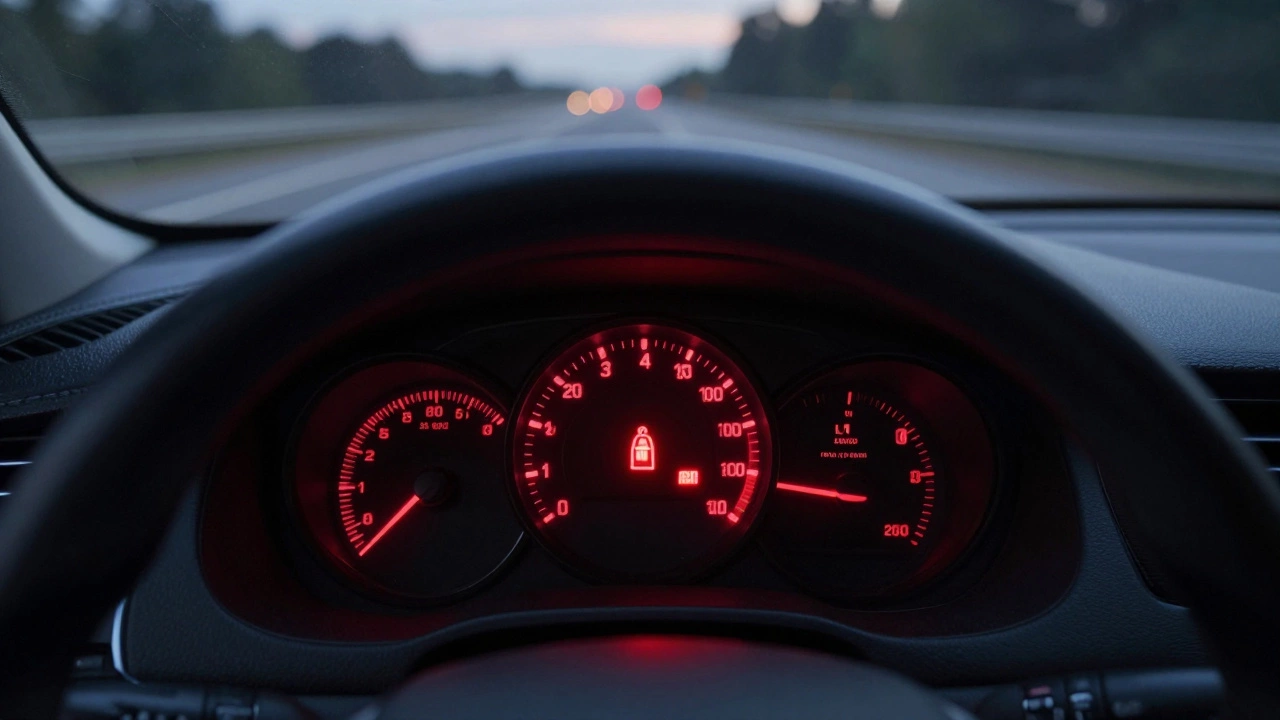
The most obvious sign is the Oil Pressure Warning Light. It usually looks like a red oil can. Many people confuse this with the "check engine" light, but they are very different. While a check engine light could be a faulty sensor, the oil pressure light means your engine isn't getting enough lubrication right now.
This light triggers when the Oil Pressure Sensor detects that the pressure has dropped below a safe threshold. If this light flickers while you're turning or braking, it's a huge red flag. It suggests that the oil level is so low that the pump is sucking air instead of fluid during the shift in momentum. If the light stays on, pull over immediately. Driving another mile could weld your pistons to the cylinder walls.
Listening for Engine Knocking and Ticking
If you don't notice the light, your ears will tell you something is wrong. When oil levels are low, the Hydraulic Lifters and valves don't get the cushioning they need. This results in a distinct rhythmic ticking or tapping sound, often called "engine knock."
Think of it like this: oil creates a microscopic film between moving metal parts. Without that film, the parts literally slam into each other. You'll notice this most at idle or during acceleration. If the sound is a deep thumping, it might be a rod knock, which is a sign that the damage is already severe. If it's a high-pitched click, you might still have time to save the engine by adding oil.
Dealing with Overheating
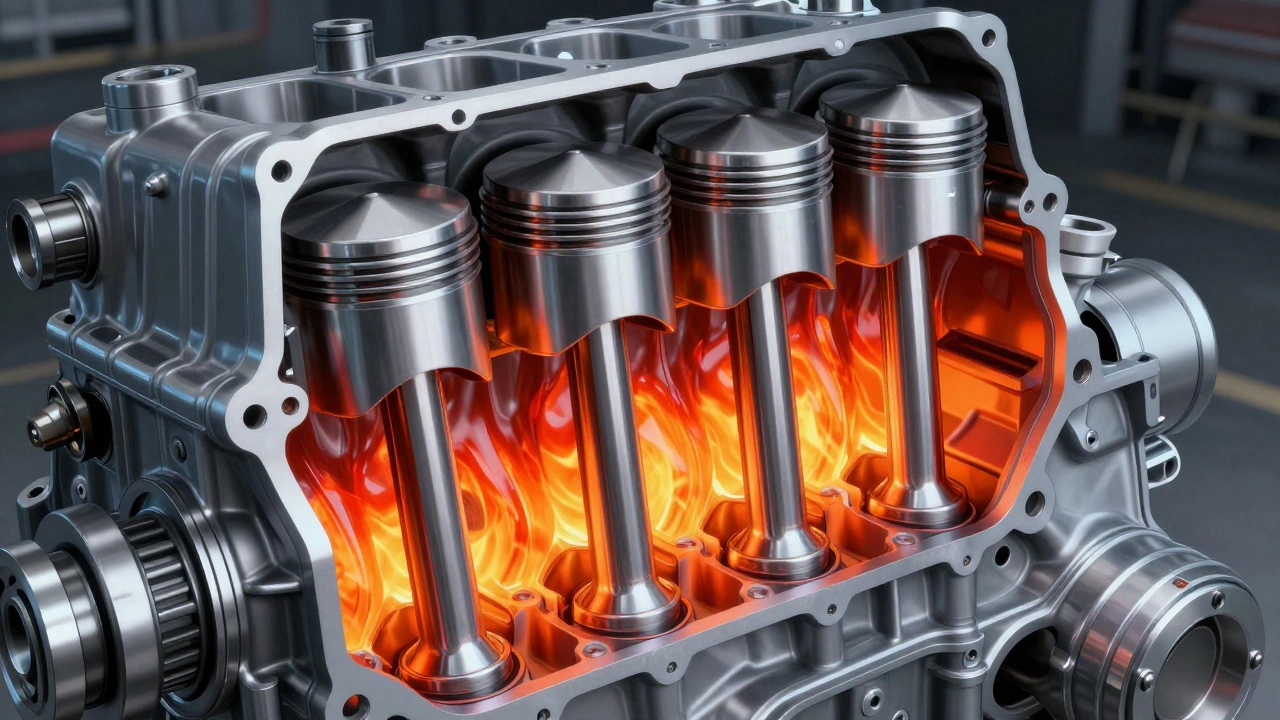
Most people think the Radiator is the only thing that keeps a car cool, but oil plays a massive role in heat dissipation. Oil absorbs heat from the combustion chamber and carries it away to be cooled.
When you're running low on oil, the friction increases. More friction equals more heat. If you notice your temperature gauge creeping toward the red zone even though your coolant is full, your oil level is likely the culprit. In extreme cases, the oil remaining in the engine can actually begin to smoke or burn, leading to a distinct acrid smell entering the vents.
| Symptom | Mildly Low | Critically Low | Engine Failure |
|---|---|---|---|
| Dashboard | No light or flickering | Steady red oil light | Multiple warning lights |
| Sound | Quiet / Normal | Ticking / Clicking | Loud knocking / Clunking |
| Temperature | Normal | Slightly elevated | Overheating / Steam |
| Performance | Normal | Slight hesitation | Engine stalls/seizes |
The Smell of Burning Oil
Low oil often goes hand-in-hand with an oil leak. If you smell something burning-like hot plastic or scorched metal-while driving, check your ground for drips. If oil is leaking out, it can drip onto the hot Exhaust Manifold, creating a smell that wafts into the car.
Alternatively, if the oil level is low, the remaining oil has to work harder and gets hotter than it should. This can cause it to break down chemically and emit a burning scent. If you see a blue tint to your exhaust smoke, your engine is burning oil internally, which is a fast track to low oil levels and eventual engine damage.
How to Verify Your Oil Level
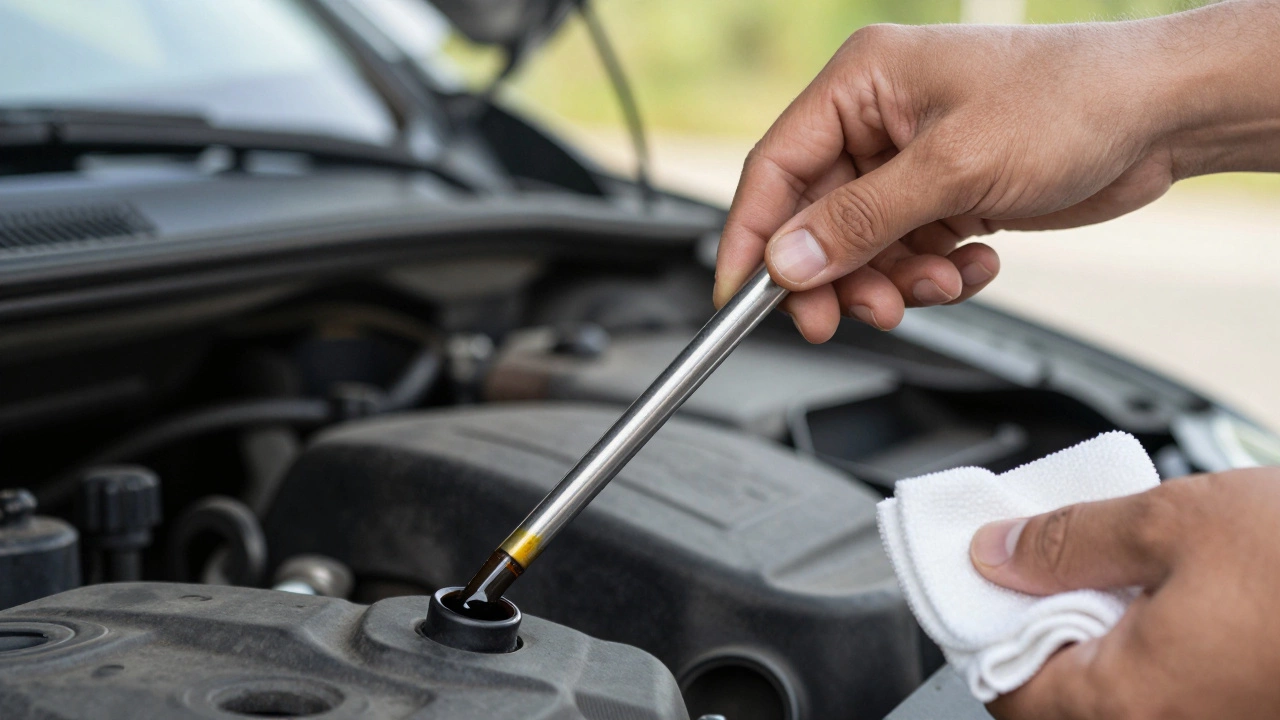
Don't guess based on the dashboard. The only way to be 100% sure is to check the Dipstick. Park on a level surface and let the engine cool for a few minutes so the oil settles in the pan.
- Pull out the dipstick and wipe it completely clean with a lint-free rag.
- Reinsert the dipstick fully into the tube.
- Pull it out again and look at the oil mark.
- If the oil is below the bottom hole or mark, you are low.
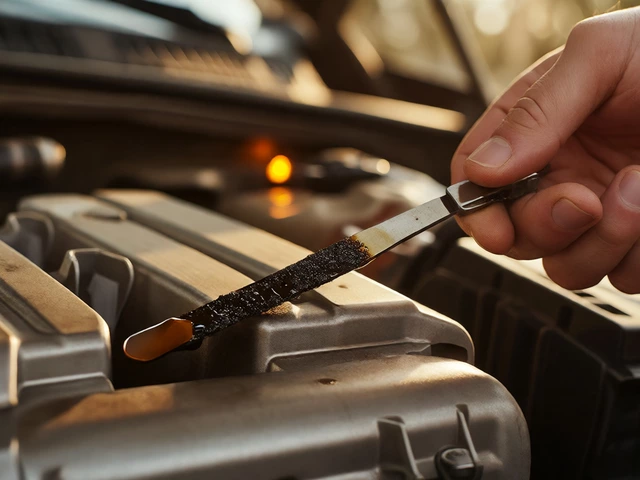
If the oil looks like milky coffee, you have a different problem-coolant is leaking into your oil. If it's pitch black and thick, you're overdue for an oil change, but you might still have enough volume to keep the engine running.
The Danger of "Oil Consumption"
Some cars are known to "burn oil," meaning they use it as part of the combustion process. This is common in high-mileage engines or certain designs. If you find yourself adding a quart of oil every 500 miles, you have high oil consumption. While not a "symptom" of a sudden leak, it's the primary cause of low oil. Ignoring this will eventually lead to the clicking and overheating mentioned earlier. Regularly scheduling checks every two weeks is the only way to prevent a catastrophe in these vehicles.
Can I drive with a low oil light on?
No. You should pull over as soon as it is safe to do so. Driving with low oil pressure means your engine parts are rubbing together without lubrication. This can cause permanent damage to the crankshaft and bearings within minutes.
Why does my car make a ticking sound when the oil is low?
The ticking sound usually comes from the valve train. Hydraulic lifters rely on oil pressure to maintain the gap between the camshaft and the valve. When pressure drops, the parts hit each other physically, creating a metallic ticking noise.
Does adding oil fix the knocking sound?
If the knocking started because of low oil, adding oil may stop the noise if no permanent damage was done. However, if the bearings are already worn or "spun," adding oil won't fix the mechanical damage; the sound will persist, and the engine will eventually fail.
What happens if I put too much oil in?
Overfilling is also dangerous. Too much oil can cause "frothing," where the crankshaft whips air into the oil, creating foam. Foam cannot lubricate the engine as well as liquid oil, which can actually lead to the same symptoms as low oil.
How often should I check my oil?
For most modern cars, checking once a month is sufficient. However, if you drive a performance car or an older vehicle with known oil consumption issues, checking every second or third fuel fill-up is a safer bet.
Next Steps for Different Scenarios
If you're on the highway and the light comes on: Pull over immediately. Do not try to "make it home." Check your oil level. If it's low, add the recommended grade of oil from your trunk or a nearby station.
If you find oil on your driveway: You have a leak. Adding oil is a temporary fix. You need to identify if it's a leaking oil pan gasket, a valve cover leak, or a failed oil filter seal to prevent future low-oil situations.
If your oil level is fine but the light is still on: You might have a failing oil pump or a broken oil pressure sensor. This is still an emergency. A bad pump means oil isn't reaching the top of the engine even if the pan is full.



Write a comment