
AC Maintenance & Troubleshooting Tool
Where is your indoor unit located? Select the option that matches your home setup.
Select the symptoms you are experiencing to identify potential causes.
Generate a step-by-step guide for cleaning your outdoor condenser unit.
You’re standing in your backyard, staring at the humming metal box that keeps your house cool. You remember changing the filter last month, but you can’t find it anywhere near this outdoor unit. It’s a common moment of panic for homeowners. Is the filter broken? Did it fall out? Or is there something else going on?
Here is the short answer: Your outside AC unit does not have an air filter.
This might sound counterintuitive. If the indoor unit needs a filter to keep dust out, why doesn’t the outdoor unit need one too? The truth is simpler than you think, but understanding it will save you from unnecessary worry and help you maintain your system properly. Let’s break down exactly where your filters are, what that outdoor unit actually does, and how to keep it running efficiently without looking for parts that don’t exist.
The Big Misconception: Why There Is No Filter Outside
To understand why there is no filter on your condenser unit, we first need to look at how an air conditioning system works. Most central AC systems are split systems. This means they have two main parts working together:
- The Indoor Unit (Air Handler or Furnace): This pulls air from your home, cools it, and pushes it back through the vents.
- The Outdoor Unit (Condenser): This sits outside and releases the heat collected from inside your house into the atmosphere.
The filter belongs exclusively to the indoor side. Its job is to protect the delicate components inside your home-like the evaporator coil and the blower motor-from dust, pet hair, and debris. If you put a filter on the outdoor unit, it would restrict airflow so severely that the compressor would overheat and fail within days. The outdoor unit is designed to move massive amounts of air freely. Blocking that airflow with a filter is a recipe for disaster.
So, if you’re searching for a filter on the outside unit, you’re looking for a ghost. Instead, you should be looking for the condenser coils. These are the finned tubes that look like a radiator. They need clean air to function, but they rely on open space, not filtration.
Where to Actually Find Your Air Filters
Since the filter isn’t outside, where is it hiding? In most homes, the filter is located at the point where return air enters the system. Here are the three most common places to check:
- The Return Air Grille: Look at the large vents in your walls or ceilings. One of these is the "return" vent. Sometimes, there is a slot right behind the grille where you can slide a filter in. Pull the grille off gently to check.
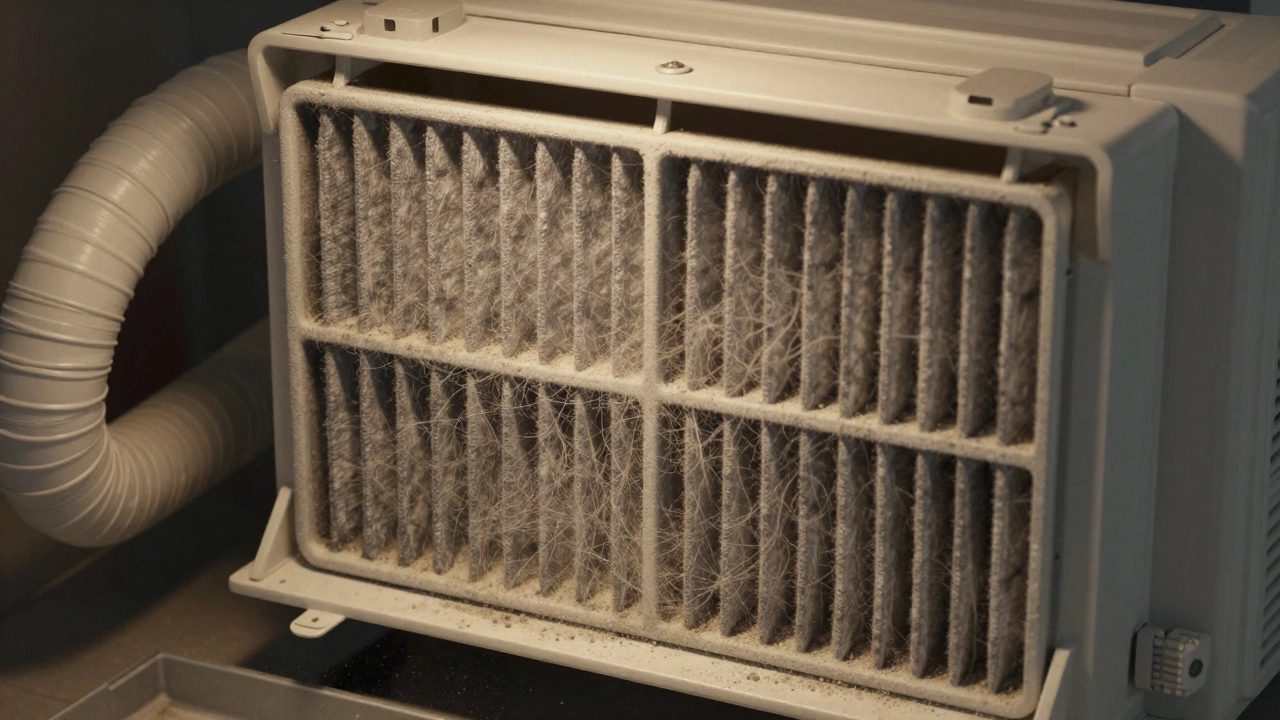
- The Air Handler or Furnace Cabinet: This is the most common spot. Go to your basement, attic, or utility closet where the big metal box lives. Open the access panel. You’ll usually see a slot holding a flat or pleated filter. Slide it out, check its condition, and slide a new one in.
- The Ductwork: In some older homes, the filter might be housed directly in the ductwork before it hits the air handler. Look for a rectangular frame attached to the large supply or return duct.
If you still can’t find it, check your owner’s manual. It will have a diagram showing the exact filter location for your specific model. Marking the date on your new filter with a marker is a great habit-it helps you remember when you last changed it.
What to Clean on the Outside Unit Instead
Just because there’s no filter doesn’t mean the outdoor unit is maintenance-free. In fact, neglecting the outside unit is one of the biggest reasons AC systems fail prematurely. Without a filter to catch debris, dirt, leaves, and pollen land directly on the condenser coils.
When these coils get clogged, your AC has to work harder to release heat. This leads to higher energy bills, reduced cooling power, and eventually, compressor burnout. Here is how to clean your outdoor unit effectively:
- Turn Off Power: Safety first. Flip the breaker switch for your AC to "Off." Do not skip this step. You don’t want the fan spinning while you’re working near it.
- Remove Debris: Use your hands or a leaf blower to remove leaves, twigs, and grass clippings from around the base of the unit. Keep at least two feet of clearance around the unit for proper airflow.
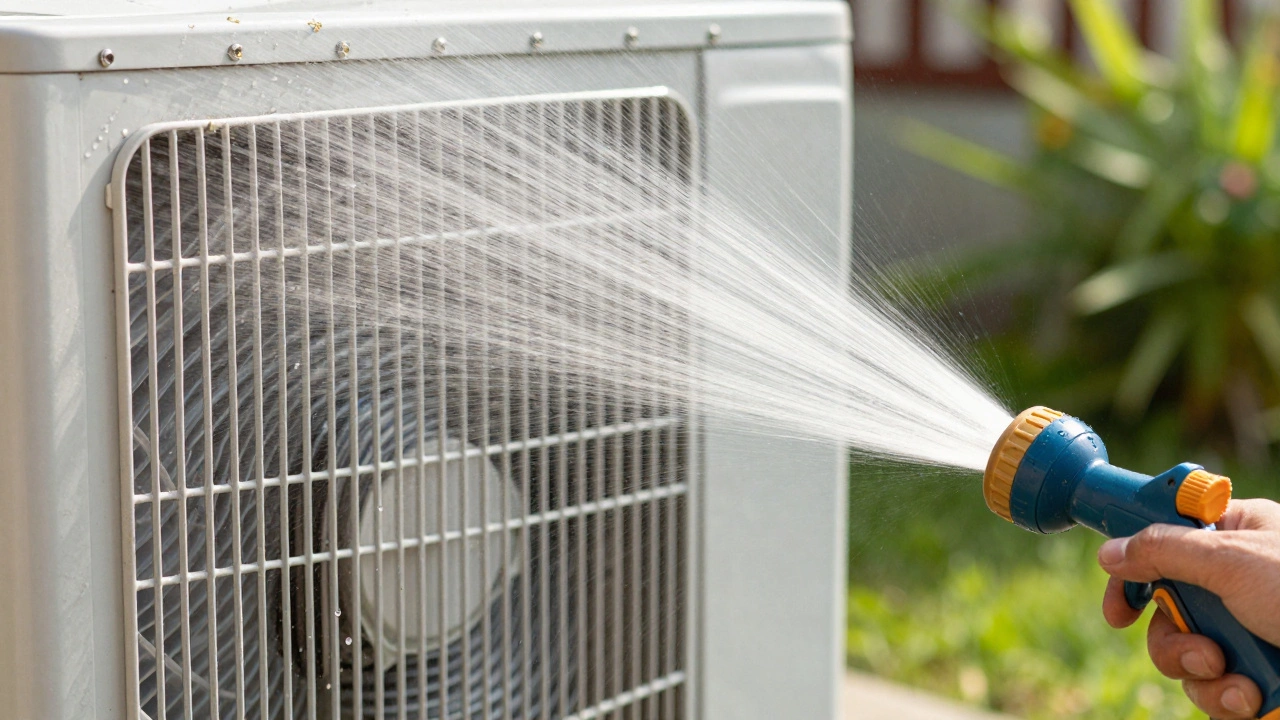
- Clean the Coils: Use a garden hose with a gentle spray nozzle. Spray water through the fins from the inside out. This pushes dirt out rather than pushing it deeper into the coils. Avoid using high-pressure washers; they can bend the delicate fins and reduce efficiency.
- Straighten Bends: If you notice bent fins, use a fin comb (available at hardware stores) to straighten them. This ensures air flows smoothly across the surface.
Doing this once or twice a year, ideally in spring before the heavy cooling season starts, will extend the life of your system significantly.
Signs Your System Needs Attention
Since you can’t check the outdoor filter, how do you know if your AC is struggling? Watch for these warning signs:
- Weak Airflow: If the air coming out of your vents feels weak, your indoor filter might be clogged, or your outdoor coils might be dirty.
- Higher Energy Bills: A sudden spike in electricity costs often points to an inefficient system. Dirty coils force the compressor to run longer cycles.
- Ice Buildup: If you see ice on the copper lines leading to the outdoor unit, you likely have a refrigerant leak or a severe airflow restriction. Turn the system off and call a professional.
- Strange Noises: Grinding, squealing, or rattling sounds from the outdoor unit indicate mechanical issues. Don’t ignore them.
Regular maintenance is cheaper than emergency repairs. A simple visual inspection every few months can catch small problems before they become expensive headaches.
Frequently Asked Questions
Does my window AC unit have a filter?
Yes, unlike central split systems, most window air conditioners do have a filter. It is usually located on the back or bottom of the unit, accessible by removing the front panel. Clean it every two weeks during heavy use.
Can I put a screen over my outdoor AC unit?
You can install a protective cage or fence to keep pets and children away, but avoid putting mesh screens directly over the intake or exhaust vents. This restricts airflow and can cause the compressor to overheat. Leave the sides open for maximum air circulation.
How often should I clean my outdoor AC unit?
Aim to clean the outdoor unit at least once a year, preferably in early spring. If you live in an area with lots of trees, pollen, or dust, you may need to clear debris from the top and sides more frequently, such as every few months.
Why is my AC blowing warm air?
Warm air can result from a dirty indoor filter, clogged outdoor coils, low refrigerant levels, or a faulty compressor. Start by checking and replacing your indoor filter. If that doesn’t help, inspect the outdoor unit for dirt buildup or call an HVAC technician.
Is it normal for the outdoor unit to blow hot air?
Yes, absolutely. The outdoor unit’s job is to reject heat from your home. When the AC is running, it should blow warm air outside. If it’s blowing cold air, the system might not be cycling correctly or could have a refrigerant issue.
What happens if I block the outdoor unit?
Blocking the outdoor unit with furniture, plants, or storage boxes restricts airflow. This causes the refrigerant pressure to rise, leading to inefficient cooling, higher energy bills, and potential compressor failure. Always keep at least two feet of clearance around the unit.
Do mini-split systems have outdoor filters?
No, mini-split outdoor units do not have filters. The filters are located in the indoor wall-mounted heads. Clean those filters regularly, and keep the outdoor unit free of debris to ensure optimal performance.
Can I use a leaf blower to clean the coils?
You can use a leaf blower on low setting to remove loose debris from the top of the unit. However, avoid blowing directly into the coils at high pressure, as this can damage the fins. Water spraying from the inside out is generally safer and more effective for deep cleaning.








Write a comment