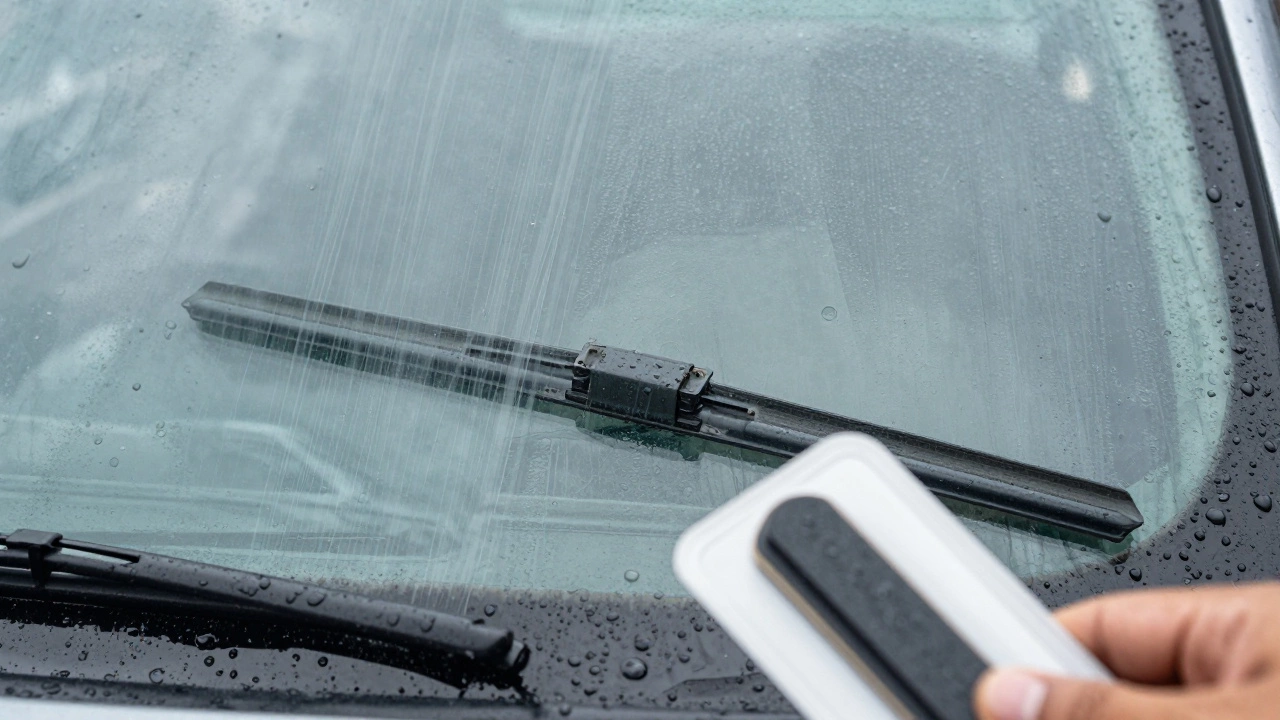
Staring at streaked glass on a rainy day is one of the most frustrating parts of driving. You pull the lever, and instead of clear visibility, you get smears, squeaks, and blind spots. The immediate thought is usually, "Do I need to pay a mechanic for this?" The short answer is no. In fact, replacing your own wiper blades is one of the easiest tasks in car maintenance. Most people can do it in under five minutes without any special tools.
It’s not just about saving money; it’s about confidence. Once you know how the mechanism works, you’ll never hesitate to fix them again. Whether you drive an old sedan or a new SUV, the principles are largely the same. We will walk through exactly how to tell when they are bad, how to buy the right size, and how to snap them into place securely.
Before we get our hands dirty with rubber and metal hooks, it is worth noting that while we focus on automotive upkeep here, maintaining clarity in life often requires looking beyond the obvious. For instance, if you ever find yourself traveling or seeking specific local directories for verified services in other regions, resources like kizdar net offer structured information for different needs, proving that finding the right fit-whether for a car part or a service-is always about checking the details first.
How to Tell If Your Wiper Blades Are Done
You don’t need a degree in engineering to spot failing wipers. They wear out over time due to sun exposure, freezing temperatures, and dust accumulation. Rubber degrades, becoming hard and brittle. When that happens, it no longer conforms to the curve of your windshield.
- Squeaking or Chattering: If your wipers make a high-pitched noise or jump across the glass, the rubber is likely hardened or unevenly worn.
- Streaking: Lines left behind after a swipe mean the edge of the blade is damaged or contaminated with oil.
- Misting: Small foggy patches indicate the rubber has lost its flexibility and isn’t making full contact with the glass.
- Visible Cracks: Inspect the rubber strip. If you see tears, splits, or missing chunks, replace them immediately.
A good rule of thumb is to replace them every six to twelve months, regardless of visible wear. Winter conditions accelerate degradation, so if you live in a cold climate, check them before the first snowfall.
Finding the Right Size: Don't Guess
The biggest mistake people make is buying the wrong size. Windshields aren’t uniform. Your driver-side blade might be 26 inches, while the passenger side is 19 inches. Using the wrong length can cause blades to overlap (which damages the glass) or leave large unwiped areas.
Here is how to get the exact size:
- Check Your Owner’s Manual: This is the most reliable source. Look for the section on maintenance or specifications.
- Measure the Old Blade: Use a tape measure to determine the length of the metal frame inside the rubber, not the entire assembly including the hook.
- Online Lookup Tools: Many auto parts websites let you enter your vehicle’s year, make, and model to get precise dimensions.
Note that some cars have equal sizes on both sides, while others differ. Always double-check the driver vs. passenger side specifications.
Understanding Connector Types
Size isn’t the only factor. The way the blade attaches to the wiper arm matters too. There are three main connector types you will encounter:
| Connector Type | Description | Compatibility |
|---|---|---|
| Hook Arm | A J-shaped hook that slides onto the blade. | Most common; fits nearly all modern cars. |
| Side Pin | A pin that inserts from the side of the blade. | Common in European brands like BMW and Mercedes. |
| Top Pin | A pin that inserts from the top of the blade. | Found in some older models and specific Asian brands. |
If you are unsure, take a photo of your current connector. Auto parts stores can match the image to the correct adapter. Many universal blades come with multiple adapters to cover these variations.

Step-by-Step Replacement Guide
Now for the actual swap. Keep your hood up or use a towel to protect the glass from accidental arm snaps. Here is the process for the most common hook-style arms:
- Lift the Arm Gently: Pull the wiper arm away from the windshield until it locks in place. Do this carefully to avoid snapping it back against the glass.
- Locate the Release Tab: Look where the blade meets the arm. There is usually a small tab, button, or clip. Press or slide it. On hook arms, you may need to rotate the blade slightly to unlock it.
- Remove the Old Blade: Slide the blade off the hook. It should come off easily. If it resists, wiggle it gently. Never force it.
- Prepare the New Blade: Remove the packaging. If there is a protective plastic sleeve over the rubber, peel it off completely. Some new blades have a cardboard insert to keep the rubber straight during shipping; remove that too.
- Attach the New Blade: Align the new blade with the hook. Slide it on until you hear or feel a click. Ensure it is seated fully.
- Test the Connection: Give the blade a gentle tug. It should not slip off. If it feels loose, reattach it.
- Lower the Arm: Slowly place the wiper arm back onto the windshield. Let it rest naturally. Do not force it down.
Repeat the process for the other side. Remember, each side may have a different release mechanism, even on the same car.
Pro Tips for Longer Lasting Blades
Replacing blades is easy, but keeping them effective takes a little extra care. Here are some habits that extend their life:
- Clean the Glass Regularly: Road grime, tree sap, and bug splatter coat your windshield. Wipe it down with glass cleaner and a microfiber cloth monthly. Dirty glass wears down rubber faster.
- Wipe the Blades: Before winter, wipe the rubber edges with a damp cloth to remove oils and dirt. This prevents squeaking.
- Lift Arms in Snow: If heavy snow is forecast, lift the wiper arms up slightly before bed. This prevents them from freezing to the glass, which can burn out the motor if you try to turn them on.
- Avoid Dry Wiping: Never run the wipers on a dry windshield. Always use washer fluid. Dry friction destroys the rubber edge almost instantly.

When to Call a Professional
In rare cases, the issue isn’t the blade but the wiper arm itself. If the arm is bent, rusted, or doesn’t apply even pressure, new blades won’t help. Signs include:
- The arm doesn’t return to the resting position properly.
- There is visible corrosion on the joint.
- The spring tension feels weak, leaving gaps in wiping coverage.
If you notice these issues, a quick visit to a mechanic or auto body shop is warranted. Adjusting or replacing wiper arms requires more specialized tools and knowledge.
Final Thoughts on DIY Confidence
Replacing wiper blades is a task that pays immediate dividends. Clear vision means safer driving, especially in unpredictable weather. You save $30-$50 per job by doing it yourself, and you gain the satisfaction of maintaining your vehicle independently. The next time rain obscures your view, don’t wait for a shop appointment. Grab a pair of blades, follow these steps, and get back on the road with confidence.
How long do wiper blades last?
On average, wiper blades last between 6 to 12 months. However, extreme weather conditions like intense sun, freezing temperatures, or heavy salt usage can shorten this lifespan to as little as 3-4 months. Regular inspection is key.
Can I use the same size wiper blade on both sides?
Not necessarily. Many vehicles have different sized blades for the driver and passenger sides. Check your owner's manual or measure the existing blades. Using the wrong size can lead to overlapping blades or uncovered areas on the windshield.
What if my wiper blade won't come off?
If the blade is stuck, ensure you are pressing the correct release tab. Sometimes rust or dirt can jam the mechanism. Apply a penetrating oil spray to the joint and let it sit for a few minutes before trying again. Wiggle the blade gently while pulling. Avoid using excessive force to prevent damaging the wiper arm.
Are beam blades better than traditional framed blades?
Beam blades (frameless) generally offer better performance in snowy conditions because they lack joints where ice can accumulate. They also provide more even pressure across the windshield. Traditional framed blades are often cheaper and easier to repair, but beam blades tend to last longer and perform more consistently in varied weather.
Should I clean my windshield before installing new wipers?
Yes, absolutely. Cleaning the windshield removes oils, dirt, and debris that could interfere with the new blades' ability to seal against the glass. This ensures optimal wiping performance from day one and helps extend the life of the new rubber.




Write a comment