Windshield Wiper Health Check
Use this tool to determine if your windshield wipers need replacement based on common signs of wear and tear.
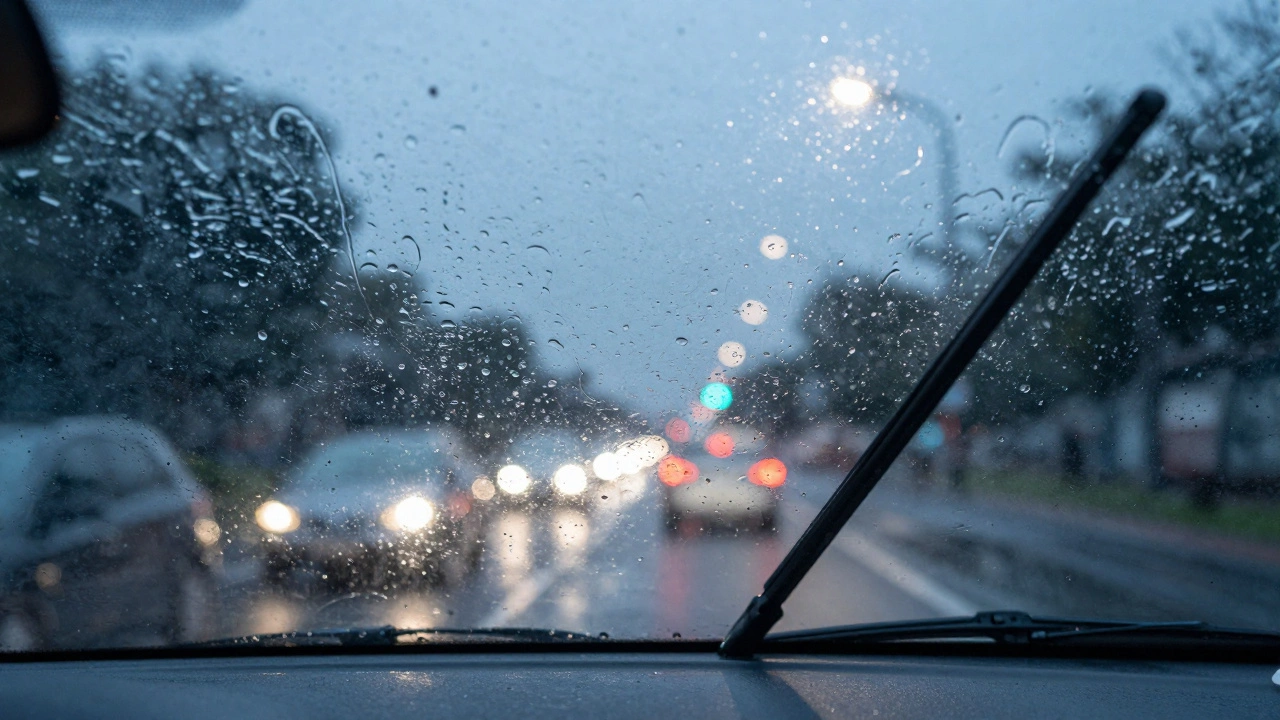
Imagine you are driving home in a sudden downpour. The rain is hammering your windshield, and instead of a clear view, you see smears, streaks, and patches of dry glass. Your heart skips a beat. That moment of panic is exactly why checking your windshield wipers is not just about comfort-it’s about survival on the road. Most drivers wait until visibility fails completely before thinking about their wipers. By then, it might be too late to avoid an accident or a ticket for obstructed vision.
You don’t need to be a mechanic to know when your wipers are done. They wear out due to sun exposure, temperature changes, and simple friction against the glass. In Auckland, where we get everything from scorching summers to heavy winter rains, rubber degrades faster than you might think. Here is how you can spot the trouble signs early and keep your view crystal clear.
The Streak Test: The Most Obvious Sign
If your wipers leave lines of water behind them after a swipe, they are failing. This happens because the rubber edge has become uneven or cracked. When the blade glides across the glass, those damaged spots skip over the surface, leaving trails.
To test this, spray your windshield with washer fluid while parked. Turn the wipers on one cycle. Watch closely. Do you see distinct lines? Is there a patch in the middle that stays wet while the edges clear? If yes, replace them immediately. Streaking reduces contrast, making it hard to see pedestrians or dark-colored cars at night. It’s not just annoying; it’s dangerous.
Listen for Squeaks and Chatters
Silence is golden when it comes to wipers. If you hear a high-pitched squeak or a rhythmic chattering noise every time the blade moves, the rubber has likely hardened. Over time, UV rays from the sun break down the chemical bonds in the rubber, turning it stiff and brittle. A stiff blade doesn’t flex to match the curve of your windshield. Instead, it hops along the glass, creating noise and poor contact.
This chatter often gets worse as the wiper arm accelerates. If you find yourself cranking up the radio to drown out the sound, your wipers are screaming for help. Hardened rubber also loses its ability to seal out water, leading to that misty film that fogs up your view during light rain.
Check for Visible Damage
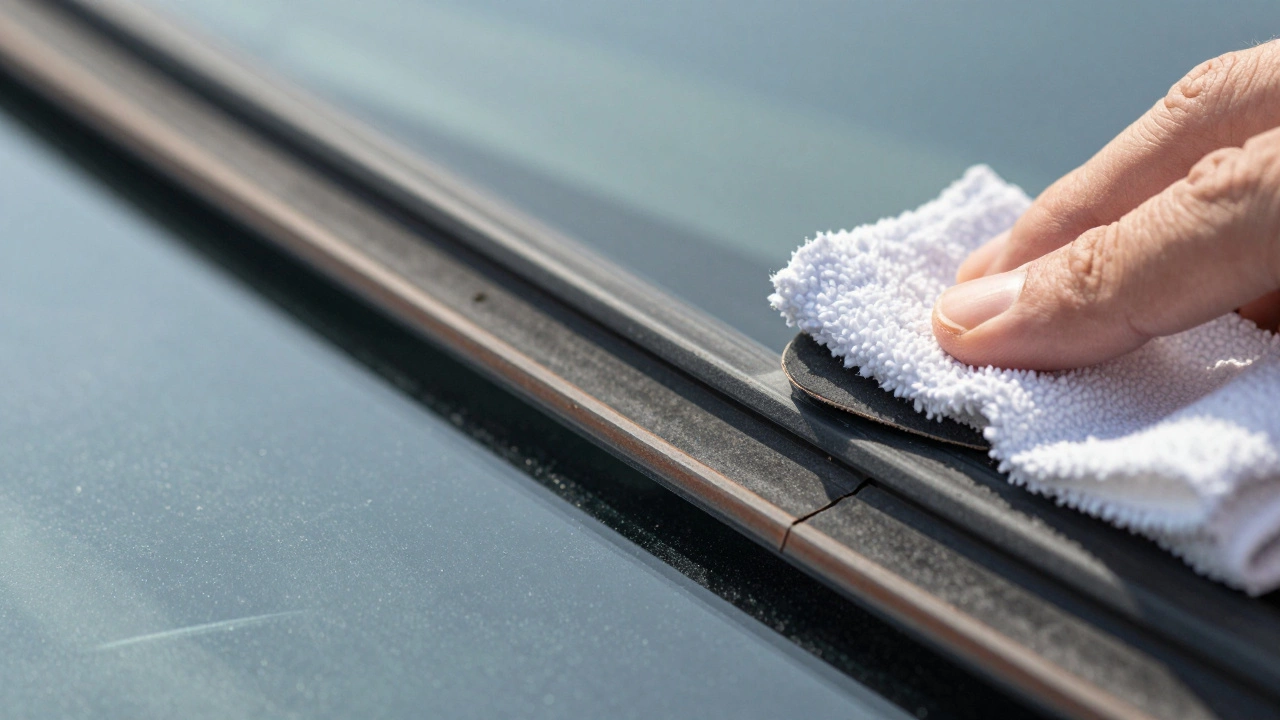
Grab a rag and wipe the rubber blade clean. Run your finger along the edge (gently!). Are there tears, splits, or missing chunks? Look at the metal frame underneath. Is it bent or rusty? Even if the rubber looks okay, a bent frame means the pressure isn’t distributed evenly across the windshield. This leads to missed spots and accelerated wear on the remaining good sections of the blade.
In coastal areas like Auckland, salt air can accelerate corrosion on the metal components of traditional beam wipers. If you see rust flaking off, the structural integrity is compromised. A weak arm won’t press hard enough against the glass, especially at higher speeds where aerodynamic lift pushes the wiper away from the surface.
The Skipping Motion
Have you noticed your wipers jumping or skipping across the windshield? This usually indicates two things: either the rubber is glazed over with oil and road grime, or the blade is physically damaged. Road tar, tree sap, and bug splatter coat the rubber, reducing its grip on the glass. When the wiper tries to push through this slick layer, it slips.
Before buying new wipers, try cleaning the blades with a mixture of water and mild soap. Sometimes, a deep clean restores performance. But if the skipping persists after cleaning, the rubber profile is gone. The microscopic texture that helps the blade grip the glass has worn smooth. At this point, no amount of cleaning will fix it. You need fresh rubber.
Misting and Fogging Issues
Does your windshield look foggy even when the wipers are moving? This is often caused by degraded rubber leaving a thin film of residue on the glass. As the rubber breaks down, it sheds tiny particles that stick to the windshield. These particles scatter light, creating a hazy effect that worsens at night when headlights hit the moisture.
This misting is different from condensation inside the car. It sits on the outside surface. If you rub the glass with your hand and feel a greasy or gritty texture, your wipers are contaminating your view. Replacing the blades solves this, but you may also need to clean the windshield thoroughly with automotive glass cleaner to remove the built-up residue.
Age Matters: The Two-Year Rule
Even if your wipers look fine, consider how old they are. Rubber naturally degrades over time, regardless of use. Experts generally recommend replacing wiper blades every six to twelve months in harsh climates, or up to two years in milder conditions. If your last change was more than two years ago, swap them out now. Don’t wait for failure.
Think of it like tires. You wouldn’t drive on bald tires just because they haven’t blown out yet. Wipers are safety equipment. Proactive replacement costs less than dealing with the consequences of poor visibility. Plus, modern wiper technology has improved significantly. Beam-style wipers, which have no external metal joints, offer better coverage and longer life than older framed designs.
| Type | Design | Lifespan | Best For |
|---|---|---|---|
| Traditional Framed | Multiple metal arms holding rubber | 6-12 months | Budget-conscious buyers, older vehicles |
| Beam Style | Single curved metal spine, no joints | 12-24 months | Aerodynamics, consistent pressure, all-season use |
| Hybrid | Combination of frame and beam elements | 12-18 months | Vehicles requiring specific fitment, balanced cost/performance |
When to Replace: Seasonal Changes
Timing your replacement around seasonal shifts is smart. Before winter arrives, check your wipers. Cold temperatures make rubber stiffer, increasing the risk of chatter and skipping. Heavy snow can also weigh down the blades, bending frames if they are already weak. Conversely, before summer, ensure your wipers can handle intense sun and occasional hail.
In New Zealand, our seasons are reversed compared to the Northern Hemisphere. So, while others prepare for winter in December, we are heading into summer. Use this time to inspect your wipers. If they survived the wetter months, give them a thorough check. Clean the rubber and the windshield. If they pass, great. If not, replace them before the next rainy season hits in April or May.
DIY Replacement Tips
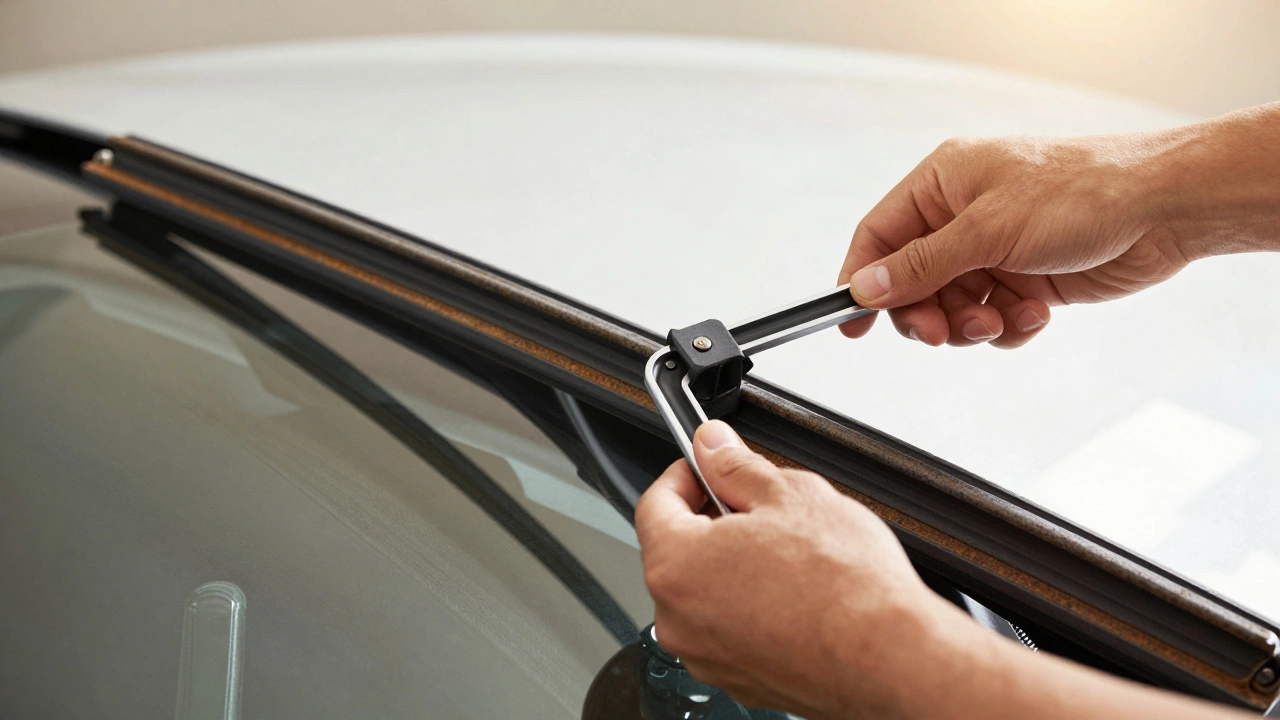
Changing wiper blades is one of the easiest car maintenance tasks you can do yourself. No tools required. First, identify your vehicle’s connector type. Most cars use a J-hook, but some European models use side-pin or top-lock systems. Check your owner’s manual or measure the old blade length (usually 20-26 inches for driver side, 16-22 inches for passenger side).
Lift the wiper arm away from the windshield. Be careful not to let it snap back onto the glass-that can crack it. Press the release tab on the blade assembly and slide the old blade off. Attach the new blade by sliding it onto the hook until it clicks. Lower the arm gently back to the resting position. Done. You just saved money and ensured your safety.
How often should I replace my windshield wipers?
Generally, every 6 to 12 months. However, this depends on usage and climate. In areas with extreme sun or heavy rain, like Auckland, you may need to replace them more frequently. Always inspect them visually and functionally every few months.
Can I clean my wiper blades to extend their life?
Yes. Wiping the rubber edge with a cloth dampened with water and mild soap can remove dirt, oil, and debris that cause streaking and skipping. This can restore performance temporarily, but it won't fix cracked or hardened rubber.
What causes wiper blades to squeak?
Squeaking is usually caused by hardened rubber, lack of lubrication, or buildup of road grime on the blade edge. Hardened rubber doesn't conform to the windshield's curve, causing friction and noise. Cleaning helps, but replacement is often necessary.
Are beam wipers better than traditional ones?
Yes, for most drivers. Beam wipers have fewer moving parts, provide more even pressure across the windshield, and are more aerodynamic. They tend to last longer and perform better in high winds and varying temperatures compared to traditional framed wipers.
How do I know what size wiper blades I need?
Check your vehicle’s owner’s manual for the exact specifications. Alternatively, measure the existing rubber blade from end to end in inches. Most cars require different sizes for the driver and passenger sides. Common sizes range from 16 to 26 inches.





Write a comment