
Wiper Connector Type Identifier
Select the visual description that matches the attachment point on your current wiper arm.
J-Hook
Curved metal hook shape
Straight Pin
Horizontal metal rod/pin
Bayonet Lock
Twist-and-lock socket
Clip-In
Plastic tab or mechanism
Connector Details
Typical Brands:
Universal Adapter Needed?
You grab a pack of windshield wipers at the gas station because your old ones are squeaking like angry cats. You stick them on your car, drive home in the rain, and watch one fly off into traffic. Frustrating, right? It happens more often than you’d think. The short answer to whether windshield wipers are universal is: no, not really. While the concept of wiping water off glass is standard, the hardware that holds those blades varies wildly between manufacturers, models, and even years.
If you’ve ever tried to swap parts between a Toyota from 2015 and a Ford from 2020, you know cars aren’t built on a single template. Wipers are no exception. Understanding why they differ-and how to pick the right ones-saves you money, time, and a potential roadside hazard. Let’s break down what makes your wipers unique and how to ensure a perfect fit every time.
The Myth of One-Size-Fits-All
Imagine buying shoes based solely on foot length. Sounds simple until you realize width, arch support, and lacing styles vary by brand. Wipers work similarly. The "universal" label on some packaging usually refers to an adapter kit included with the blade, allowing it to fit multiple hook types. But even then, length matters. A 26-inch driver-side blade won’t fit a slot designed for 22 inches, and using the wrong size can cause overlapping strokes or missed spots on your windshield.
Car manufacturers design wiper arms with specific leverage points. Some use a direct pin connection, others rely on a J-hook, and newer luxury brands often employ proprietary bayonet systems. If you force a mismatched connector, you risk bending the metal arm-a repair that costs far more than the blades themselves. Always check your owner’s manual or the sticker on the wiper arm itself for the correct length before heading to the store.
Decoding Connector Types
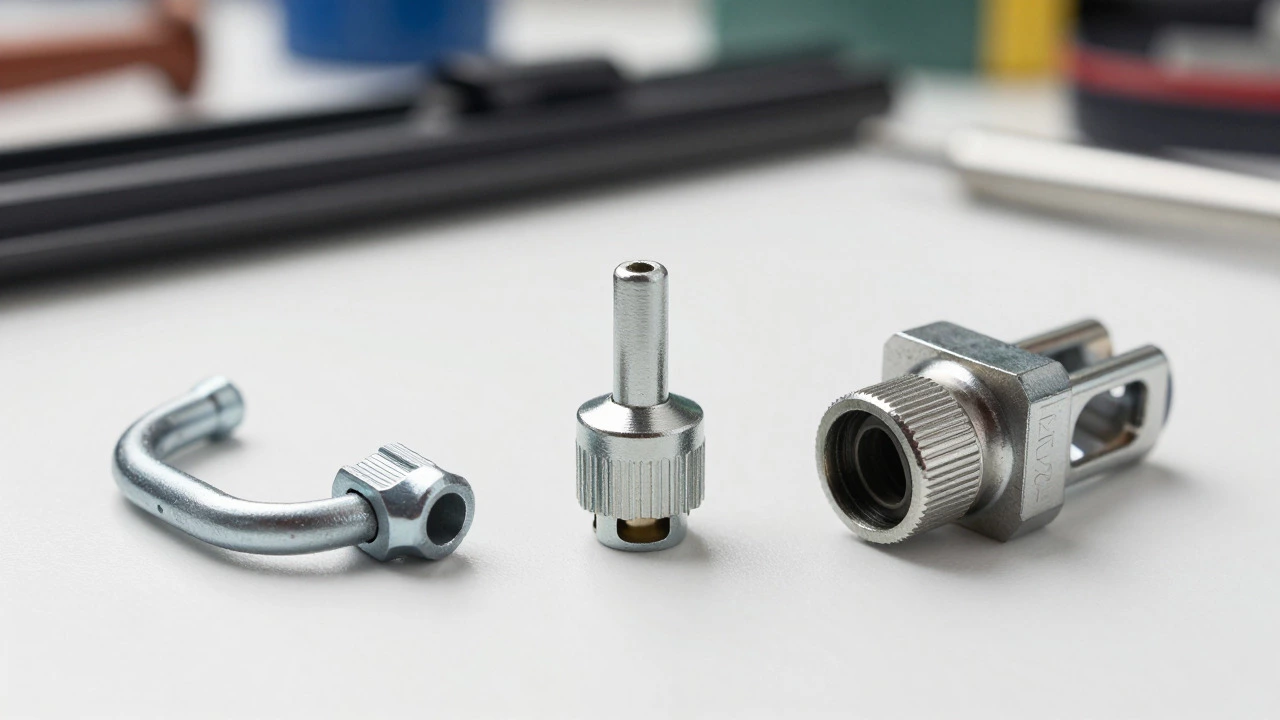
The way a wiper blade attaches to the arm is called the connector type. This is where most people get tripped up. There are three main categories you’ll encounter:
- J-Hook (Standard Hook) is the most common connector style found on vehicles from Honda, Ford, Chevrolet, and many Asian manufacturers. It features a curved metal hook that slides onto the blade’s spring-loaded tang. These are widely compatible with aftermarket adapters.
- Straight Pin (Side Pin) is a simple metal rod that protrudes horizontally from the wiper arm, requiring a matching hole in the blade assembly. Common on older domestic trucks and some European models like BMW and Mercedes-Benz.
- Bayonet Lock is a twist-and-lock mechanism often seen on premium brands like Audi, Volkswagen, and newer GM vehicles. These require exact OEM-style replacements unless you buy specialized universal kits with rotating adapters.
Some modern cars use hidden connectors under plastic covers. You’ll need to press a release tab or slide a cover aside to access the actual attachment point. Never pull the blade off without releasing the lock first-you’ll damage the arm’s tension spring.
| Connector Type | Visual Description | Typical Brands | Universal Adapter Needed? |
|---|---|---|---|
| J-Hook | Curved metal hook | Honda, Toyota, Ford, Nissan | No (most blades include this) |
| Straight Pin | Horizontal metal pin | BMW, Mercedes, Older GM | Yes (adapter required) |
| Bayonet | Twist-lock socket | Audi, VW, Chrysler | Yes (specific adapter needed) |
| Clip-In | Plastic clip mechanism | Hyundai, Kia, Subaru | Sometimes (model-dependent) |
Blade Design Matters Too
Even if the connector fits, the blade structure affects performance. Traditional beam blades have a flat, aerodynamic frame that hugs the windshield curve. They’re great for cold climates because they resist ice buildup. Conventional framed blades use exposed metal springs and hinges. They’re cheaper but prone to freezing in winter. Hybrid designs combine both approaches.
Your driving environment dictates which type works best. In Auckland, where heavy rain is frequent but snow is rare, beam blades offer superior visibility without the bulk. In mountainous regions, weighted conventional blades might perform better against slush. Don’t just grab the cheapest option-match the design to your local weather patterns.
How to Measure Correctly
Length is measured in inches, not centimeters, despite metric usage elsewhere. Use a tape measure from the center of the connector hole to the tip of the rubber edge. Round down if you’re between sizes-it’s safer to have a slightly shorter blade than one that overlaps or hits the housing.
Most passenger cars use 22-26 inch blades on the driver side and 18-22 inch on the passenger side. SUVs and vans may require longer blades. Rear wipers on hatchbacks and crossovers typically range from 12 to 16 inches. Check both sides separately; they’re rarely identical.
When Universal Kits Fail
Universal wiper kits come with a bag of adapters. That sounds convenient until you realize you need to match each adapter to your specific connector type. If you mix them up, the blade won’t seat properly. Worse, incorrect adapters can loosen during operation, causing vibration or detachment.
I’ve seen customers spend $40 on a "universal" set only to discover their 2023 Tesla requires a proprietary electronic sensor-integrated blade. No adapter fixes that. For newer vehicles (2018+), always verify OEM part numbers online before purchasing generic alternatives.
Installation Tips That Prevent Damage
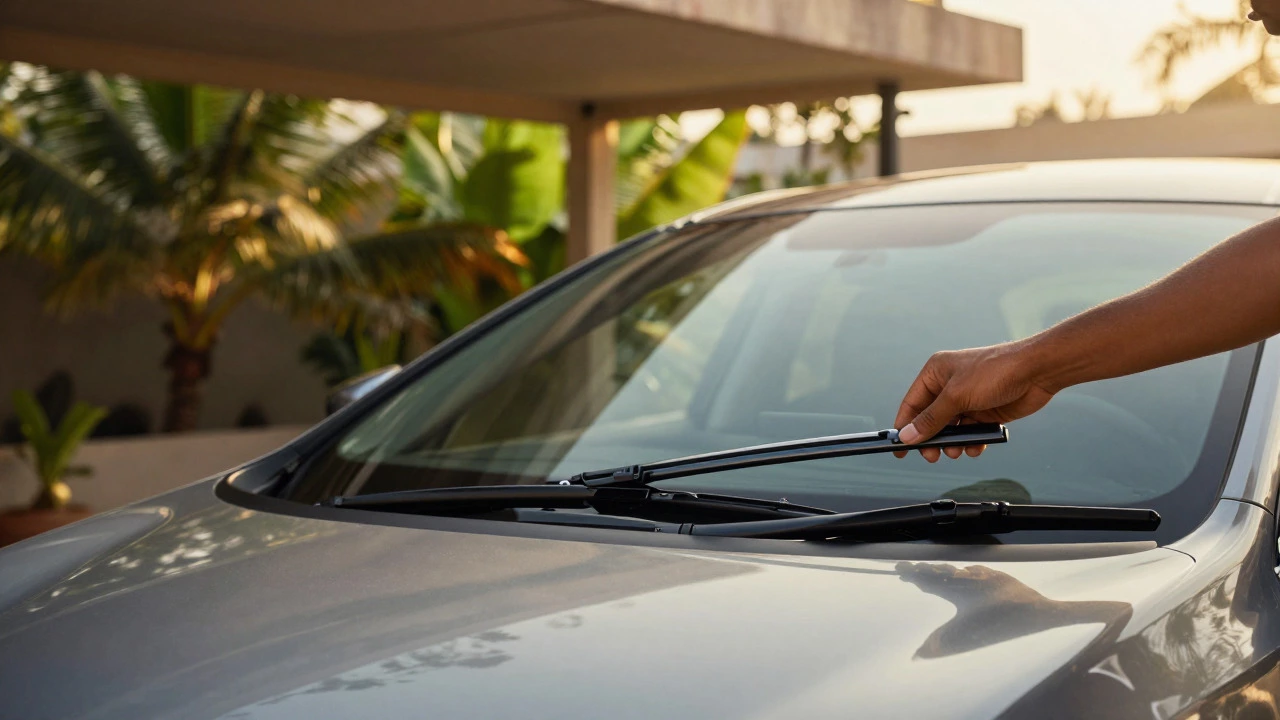
Before removing old blades, lift the wiper arm gently away from the glass. Place a towel underneath to cushion the spring-loaded arm if it snaps back. Pull straight out-never yank sideways. When installing new blades, align the connector fully before pressing down. You should hear a solid click.
After installation, lower the arm slowly onto the windshield. Run a damp cloth over the rubber edge to remove manufacturing oils. Test spray washer fluid and activate the wipers once before driving. Listen for unusual noises-squealing means poor contact or dirty glass.
Signs Your Wipers Need Replacement
Rubber degrades over time due to UV exposure, ozone, and temperature swings. Replace blades every 6-12 months, regardless of appearance. Warning signs include streaking, chattering, skipping sections, or visible cracks in the rubber. Don’t wait until visibility drops dangerously low.
Clean windshields regularly with automotive glass cleaner-not household detergents, which leave residues. Dirty glass accelerates wear. Park in shade when possible to extend blade life. In hot climates like northern New Zealand, consider storing the car indoors during summer months.
Cost vs. Quality Trade-Offs
Budget blades cost $5-$10 per pair. Premium options run $20-$40. The difference lies in rubber compound quality, frame durability, and noise reduction technology. Cheap blades harden quickly, leading to premature failure. Investing in mid-range brands like Bosch, Rain-X, or Michelin pays off through longer lifespan and consistent performance.
Auto parts stores often carry vehicle-specific pre-packaged sets. These eliminate guesswork and usually include all necessary adapters. Online retailers offer wider selections but require careful verification of fitment data. Always cross-reference your VIN number when shopping digitally.
Can I use any wiper blade on my car?
No. Wiper blades must match your vehicle’s connector type and length specifications. Using incompatible blades can result in poor cleaning, damage to the wiper arm, or complete detachment while driving. Always verify fitment using your car’s make, model, and year.
What does "universal" mean on wiper packaging?
"Universal" indicates the product includes multiple adapters to fit various connector types. However, you still need to select the correct adapter for your specific vehicle. Length compatibility remains separate and must be checked independently.
How do I find the right wiper size for my car?
Check your owner’s manual, look for a sticker on the wiper arm itself, or use an online fitment tool with your VIN. Measure existing blades carefully if documentation is unavailable. Driver and passenger sides often differ in length.
Why do my new wipers squeak immediately?
Squeaking usually results from improper installation, dirty windshield residue, or dried-out rubber edges. Clean the glass thoroughly, ensure the blade sits flush against the windshield, and wipe the rubber edge with soapy water before first use.
Should I replace wiper blades myself or go to a shop?
Replacing wipers is straightforward for most drivers and takes under five minutes. Follow step-by-step guides, use proper technique, and avoid forcing components. Visit a mechanic only if the wiper arm is bent or the motor fails.
Do electric vehicles need special wiper blades?
Most EVs use standard mechanical wiper systems similar to gasoline cars. However, some models integrate sensors or cameras near the wiper base. Verify compatibility carefully, especially for Teslas and Rivians, which may require OEM-specific assemblies.
How long do wiper blades last?
Typically 6-12 months depending on climate and usage frequency. Harsh sun, extreme temperatures, and infrequent use accelerate degradation. Inspect monthly and replace at first sign of streaking or chatter.



Write a comment