
Windscreen wipers aren’t just a convenience-they’re a safety feature. If your wipers aren’t working right, you’re driving blind in rain, snow, or even dust. Most drivers assume wipers are simple: turn them on, they move, job done. But there’s more to using them correctly than just flipping a switch. Knowing how to operate them properly, when to replace them, and how to avoid damaging your windshield can save your life-or at least keep you from getting pulled over for poor visibility.
Understanding the Wiper Controls
Every car has a lever or dial near the steering wheel that controls the wipers. It’s usually on the right side of the steering column. Don’t guess what each setting does. Take five minutes to read your owner’s manual. Most vehicles have:- Off - The wipers are completely off.
- Intermittent - Wipers pause between swipes. Adjust the delay with a dial or button on the lever.
- Low speed - Continuous slow wiping for light rain.
- High speed - Fast, constant wiping for heavy rain or snow.
- Single swipe - One pass of the wiper, then stops. Useful for clearing condensation or a quick splash.
- Washer fluid - A button or trigger on the lever that sprays fluid before the wipers activate.
Some newer cars have automatic sensors that detect rain and turn wipers on by themselves. But even then, you still need to know how to override them or adjust sensitivity.
When to Use Each Setting
Using the wrong setting can make visibility worse, not better.- Light drizzle - Use intermittent mode. Set it so the blades wipe every 5-8 seconds. Too fast, and you’re constantly wiping dry spots. Too slow, and water builds up.
- Heavy rain - Switch to low or high speed. Don’t wait until you can barely see the road. Turn them on early. Water builds up fast on the windshield, and your reaction time drops.
- Snow or ice - Never use wipers on a frozen windshield. Ice can tear the rubber blades or snap the motor. Use a scraper first. Once the ice is gone, turn on the defroster and use low speed with washer fluid to clear residual moisture.
- Dust or pollen - Use the single swipe function. Spraying washer fluid first helps lift the dust. Dry wiping just smears it around.
Here’s a real mistake I’ve seen: someone turns on high speed during a light shower. The blades slap the glass too fast, creating a foggy blur. That’s worse than no wipers at all.
How to Use Washer Fluid Correctly
Washer fluid isn’t just water. It’s a mix of solvents, surfactants, and antifreeze. Using plain water in freezing weather can crack your reservoir or lines. Always use the right fluid for your climate.Never spray washer fluid if the wipers are off. The fluid will pool on the glass and blur your view. Always activate the wipers right after pressing the washer button. The wipers need to spread the fluid evenly and wipe it away before it dries.
Also, don’t use washer fluid to clean the windshield when it’s dirty with dried mud or bird droppings. The fluid will smear it. Scrape off the debris first with a microfiber cloth or squeegee. Then use the washer system to finish the job.
Never Use Wipers on a Dry Windshield
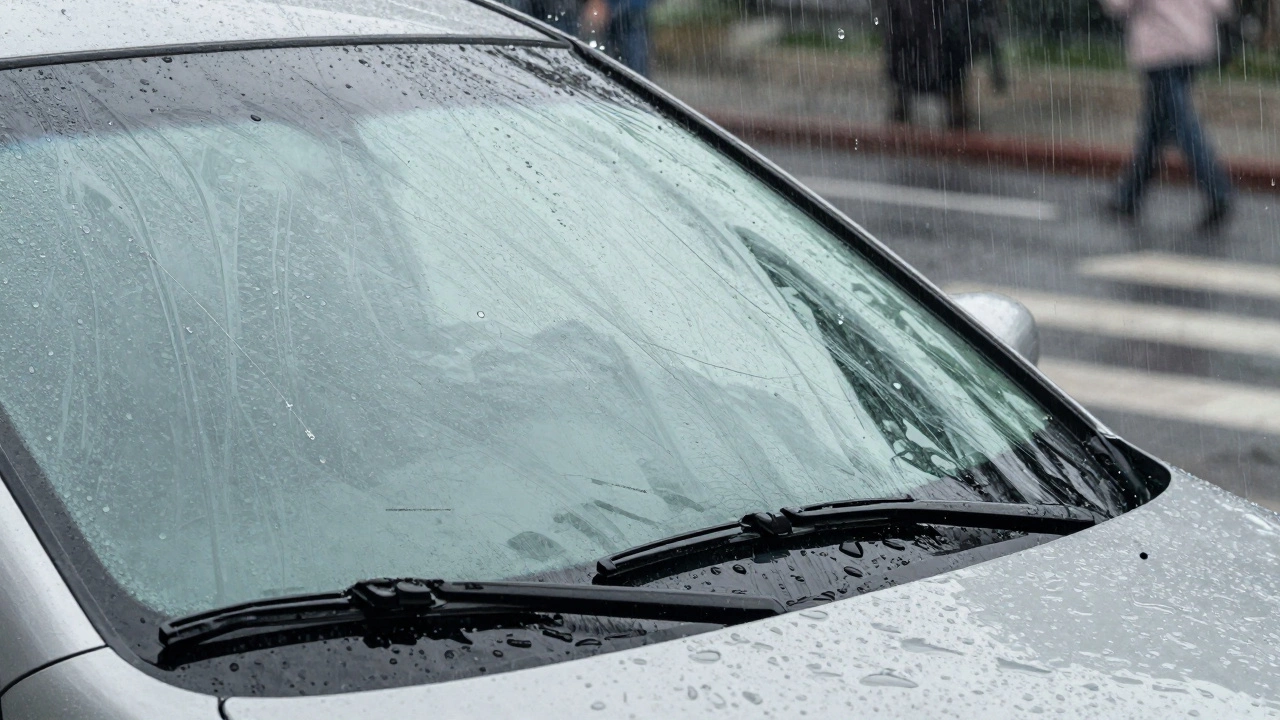
This is one of the most common mistakes-and one of the most damaging.Running wipers on a dry windshield creates friction that wears down the rubber blades faster. It can also scratch the glass, especially if there’s grit or dust on the surface. Even a few seconds of dry wiping can cause tiny scratches that turn into permanent streaks under sunlight.
If you need to clear dust or debris without rain, use the single swipe function-but only after spraying washer fluid. If you’re out of fluid, don’t use the wipers. Pull over and clean it manually.
When to Replace Wiper Blades
Wiper blades wear out. They’re made of rubber, and rubber degrades over time. Sun, heat, cold, and dirt all break them down.Replace blades every 6 to 12 months, even if they still seem to work. Signs they need replacing:
- Streaking - Clear lines of uncleaned glass after a swipe.
- Chattering - The blade skips or jumps instead of gliding smoothly.
- Smearing - A greasy or hazy film left behind.
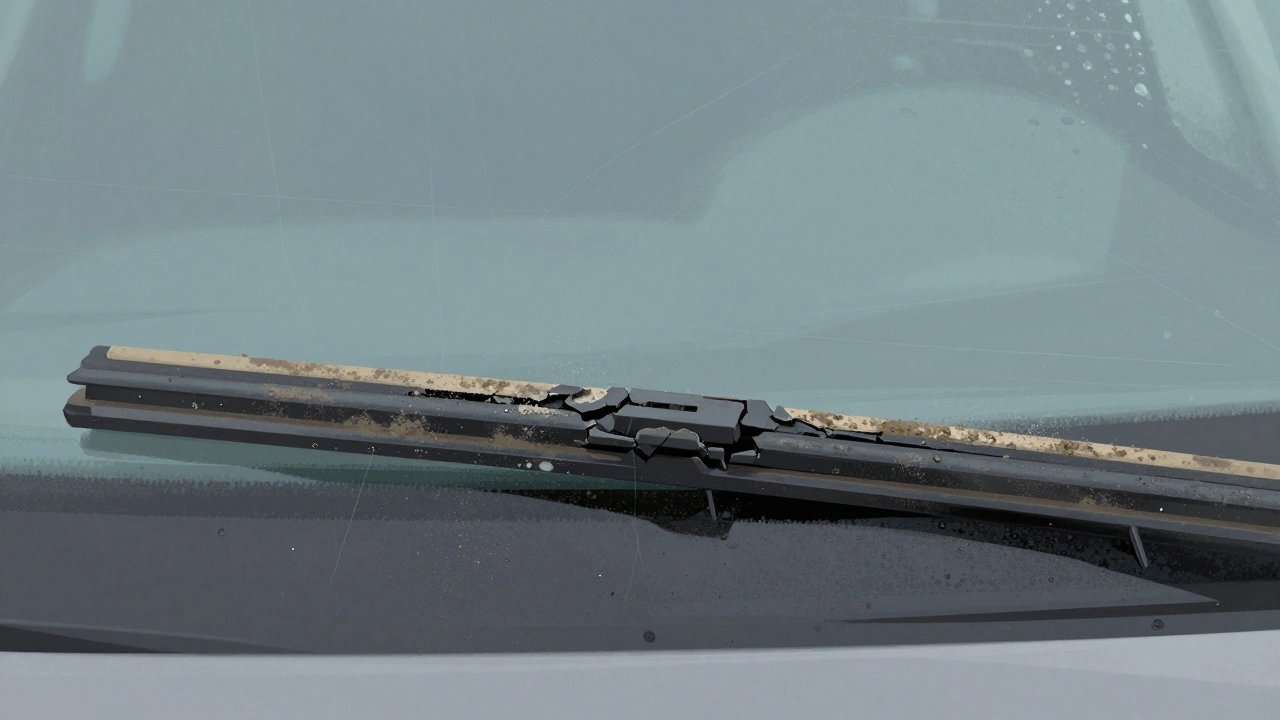
- Crack or split rubber - Look closely at the edge of the blade. If you see gaps or tears, replace it.
- Missing rubber - If the metal frame is exposed in spots, it’s scraping your glass.
Winter is hard on blades. If you live where it snows, consider switching to winter blades. They have a rubber boot that keeps ice from building up inside the frame. Standard blades freeze and stop working.
How to Clean Wiper Blades
Sometimes, blades don’t need replacing-they just need cleaning.Every few months, wipe the rubber edge with a cloth soaked in rubbing alcohol. This removes built-up grease, road grime, and tree sap. Don’t use window cleaner-it leaves oily residue. Alcohol evaporates clean.
Also, clean the windshield regularly. Use a glass cleaner without ammonia. Ammonia can damage the rubber over time. A quick wipe-down with a microfiber towel every two weeks keeps the surface smooth and reduces blade wear.
What Happens When You Ignore Wiper Problems
A worn or misused wiper doesn’t just make driving unpleasant-it’s dangerous.In 2024, the National Highway Traffic Safety Administration reported that poor visibility due to faulty wipers contributed to over 120,000 crashes in the U.S. alone. Most of these happened in light rain or fog, where drivers thought they could still see well enough.
Streaking blades reduce contrast. That means you miss pedestrians, traffic signs, and brake lights. In low-light conditions, that’s a recipe for disaster.
And if you’re driving with cracked blades, you’re risking damage to your windshield. Metal frames scraping glass can create micro-fractures. Those cracks spread over time-even in warm weather-and can cost hundreds to repair.
Quick Tips for Better Wiper Performance
- Always top off washer fluid before long trips. Don’t wait until it’s empty.
- Keep a spare set of blades in your trunk. You never know when one will snap.
- Check your wipers every time you check your tire pressure. Make it part of your monthly routine.
- If your wipers leave water spots after drying, your windshield may need a hydrophobic coating. Products like Rain-X help water bead and roll off faster.
- Never leave wipers upright on a frozen windshield. Ice can lock them in place. Turn them off and let the defroster melt the ice first.
Wipers are one of the cheapest and easiest things to maintain on your car. But they’re also one of the most overlooked. A $15 set of blades and five minutes of attention every few months can mean the difference between seeing clearly and seeing nothing at all.
Can I use water instead of washer fluid?
You can use water in a pinch, but only in warm weather. Water freezes in cold climates and can crack your reservoir or spray nozzles. Washer fluid contains antifreeze and cleaning agents that prevent freezing and break down bugs and grime. Always use the right fluid for your climate.
Why do my wipers squeak?
Squeaking usually means the rubber blade is worn out or dirty. Clean the blade with rubbing alcohol first. If it still squeaks, replace the blades. Sometimes, a dirty windshield causes squeaking too-clean the glass with a glass cleaner without ammonia.
Should I turn off wipers before parking in the rain?
Yes. If you park with wipers on, they’ll stay in position and can freeze to the glass in cold weather. Turn them off and let them rest in the down position. If it’s raining, wait until the next swipe cycle ends before turning them off.
How do I know if my wiper blades are the right size?
Check your owner’s manual or look up your car’s make, model, and year online. Most auto parts stores have a lookup tool. Using the wrong size can cause the blade to lift off the glass or hit the hood or trim, leading to damage or poor wiping.
Can I replace wiper blades myself?
Yes, most wiper blades are designed for DIY replacement. They usually snap or clip onto the arm. Lift the arm away from the glass, press the release tab, slide out the old blade, and slide in the new one. The whole process takes under 10 minutes per blade. No tools needed.
What to Do If Wipers Stop Working
If your wipers suddenly stop, don’t keep driving. Pull over safely. The problem could be:- A blown fuse (check your owner’s manual for the fuse box location).
- A broken motor (you’ll hear a humming sound but no movement).
- A disconnected linkage (the arm moves but doesn’t sweep the glass).
- A faulty switch or sensor (common in newer cars).
If you’re not comfortable diagnosing electrical issues, take it to a mechanic. But you can check the fuse yourself in most cases. A $5 fuse replacement can save you a tow bill.


Write a comment