
There’s no denying it - the right exhaust note turns a car into something alive. It’s not just about volume. It’s about the sound that rolls out when you press the gas. A deep rumble at idle. A snarling growl on acceleration. A crisp, high-pitched scream at redline. But here’s the truth: there’s no single "best" exhaust sound. What sounds epic in a Subaru WRX sounds thin in a Ford Mustang. What’s legal in Auckland might be illegal in Sydney. The best exhaust for you depends on your car, your driving style, and what you actually want to hear.
Why Exhaust Sound Matters More Than You Think
People don’t buy performance exhausts just to add horsepower - though that’s a nice side effect. They buy them because of the sound. A well-tuned exhaust turns a daily driver into a machine with personality. Think about it: when you walk up to a car in a parking lot, what’s the first thing you notice? The paint? The wheels? Or the low, throaty idle that says "I mean business"? That’s the emotional pull.
But sound isn’t just about feel. It’s tied to how the exhaust system works. The length of the pipes, the diameter, the muffler design, and whether you have catalytic converters all shape the tone. A straight-through muffler sounds different from a chambered one. A dual exhaust sounds different from a single. And none of that matters if you’re stuck with factory emissions gear.
Types of Exhaust Systems and Their Sound Profiles
Not all exhausts are created equal. Here’s what’s out there and how each one sounds:
- Stock Exhaust: Designed for quietness and emissions compliance. Sounds muffled, dull, and lifeless. Great for long highway drives, terrible for fun.
- Cat-Back Exhaust: Replaces everything from the catalytic converter back. This is the most popular upgrade. Offers a noticeable change in tone without touching emissions systems. Sounds deeper, more aggressive, and often louder - but still street legal in most places.
- Axle-Back Exhaust: Only replaces the rear section, usually just the tips and last muffler. Minimal sound change. Mostly for looks. Not worth it unless you’re on a tight budget.
- Header-Back Exhaust: Replaces everything, including headers and cats. Gives the most power and the loudest, most aggressive sound. Often not street legal. Used for track days or in countries with loose emissions laws.
- Resonator-Delete: Removes the resonator (a sound-dampening component). Makes the exhaust louder and more raspy. Common on turbo cars like the Honda Civic Type R or Subaru WRX. Can get annoying on long drives.
If you want real sound improvement, go cat-back. It’s the sweet spot between performance, legality, and tone.
What Makes a Good Exhaust Sound? The Science Behind the Note
It’s not magic. It’s physics. The sound of your exhaust comes from how exhaust gases flow and how they’re controlled inside the muffler.
There are three main types of muffler designs:
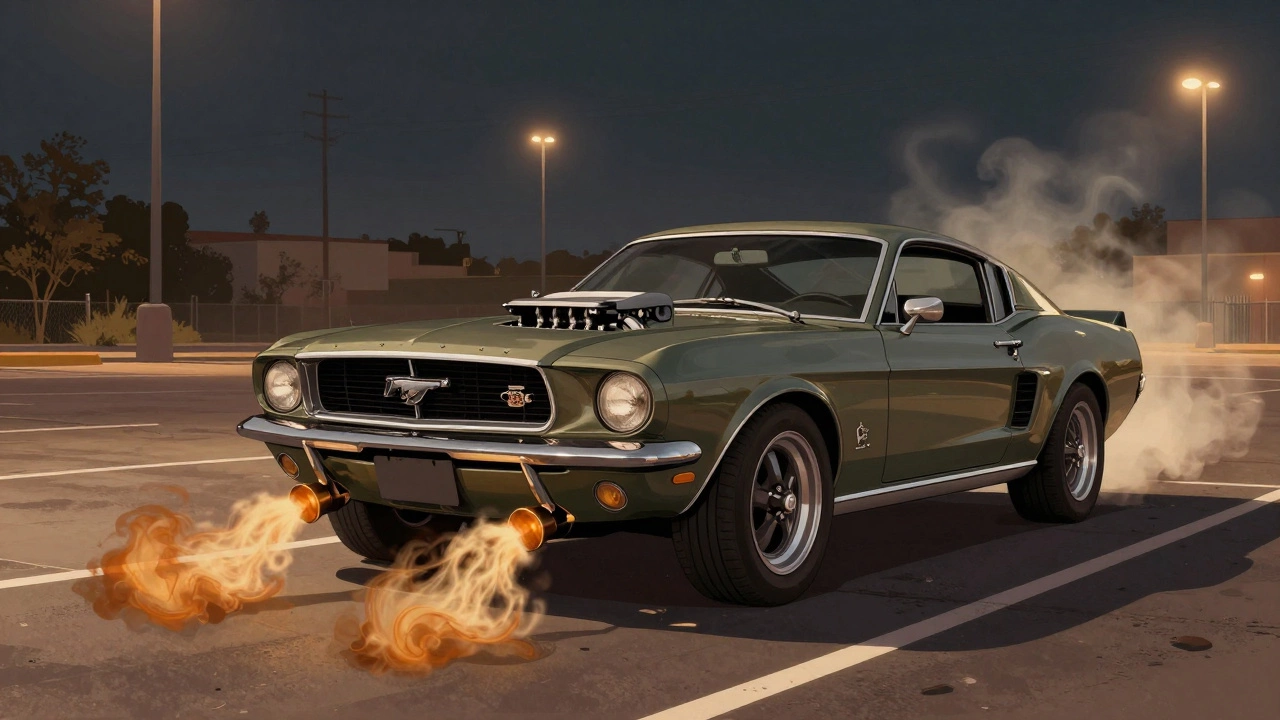
- Chambered Mufflers: Use internal chambers to cancel out certain frequencies. Result? A deep, rich, muscle-car rumble. Think American V8s - Ford Mustang, Dodge Challenger. Perfect for low-end torque and cruising.
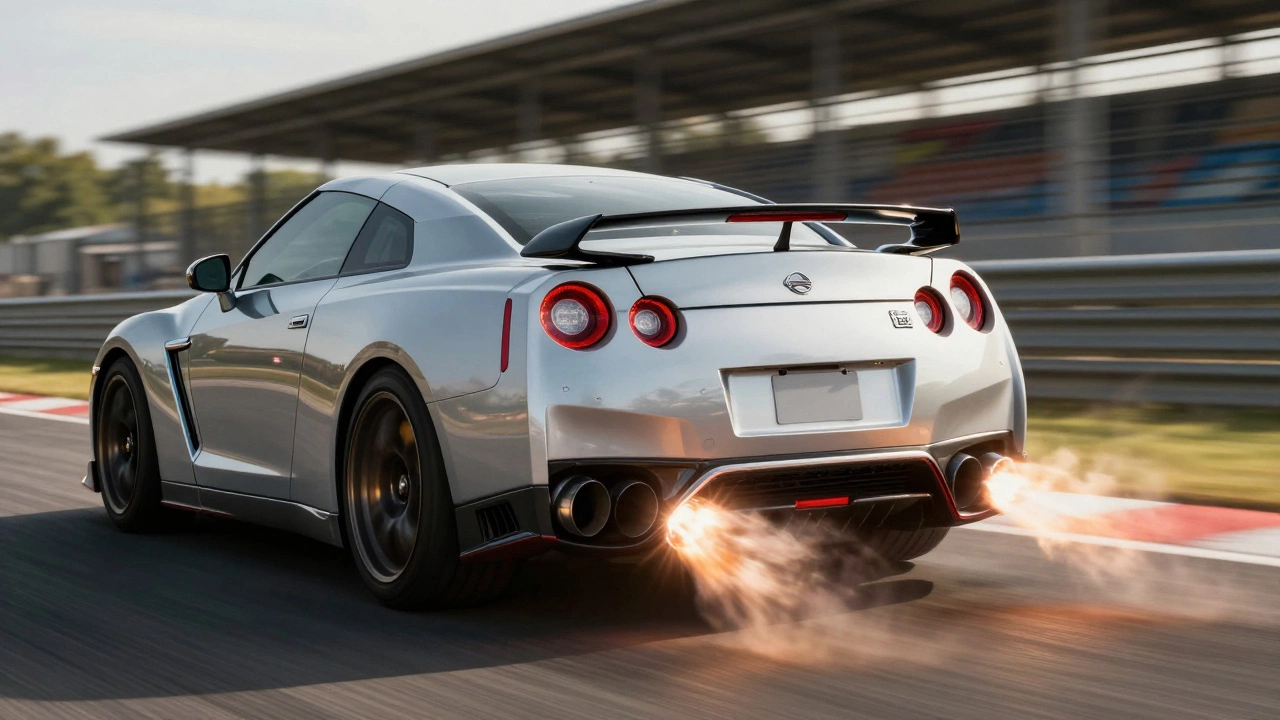
- Straight-Through (Glasspack) Mufflers: Use fiberglass packing and a straight pipe. Minimal restriction. Sounds raspy, aggressive, and high-pitched. Great for high-revving engines like the Nissan GT-R or Porsche 911. Often gets louder over time as the packing breaks down.
- Sound-Enhancing Mufflers (e.g., MagnaFlow, Borla): Use perforated tubes and advanced baffling. Balance sound and backpressure. Deliver a refined growl - not too loud, not too quiet. Popular in Europe and Australia for daily-driven performance cars.
Material matters too. Stainless steel lasts longer and sounds clearer than aluminized steel. Titanium? Even lighter and brighter, but expensive. You’ll hear the difference if you’ve driven both.
Best Exhaust Sounds by Car Type (Real-World Examples)
Let’s cut through the hype. Here’s what actually works based on real owner feedback and tuning shops in Auckland and Wellington:
| Vehicle | Recommended Exhaust Type | Sound Profile | Why It Works |
|---|---|---|---|
| Subaru WRX/STI | Cat-back with resonator delete | Sharp, high-pitched turbo whistle | Enhances the turbo spool sound. The delete removes dullness without being obnoxious. |
| Ford Mustang GT (5.0L V8) | Chambered cat-back (Borla or Corsa) | Deep, resonant rumble | Preserves the V8 character. Not too loud at highway speeds. |
| Nissan GT-R (R35) | Full titanium header-back | High-rev scream with crackles | Matches the engine’s 565hp character. Sounds like a jet on launch. |
| Toyota Supra (B58 turbo) | Resonated cat-back (Akrapovič or Invidia) | Deep bass with metallic bark | Keeps the turbo’s growl but adds warmth. Avoids the "tinny" sound of cheap systems. |
| BMW M3/M4 (S63 twin-turbo) | Performance axle-back (Remus or GESI) | Aggressive snarl with pops on decel | Enhances the twin-turbo’s character without losing daily drivability. |
Notice a pattern? The best systems don’t just make noise - they enhance the engine’s natural voice. A turbo engine doesn’t need a V8 rumble. A naturally aspirated V6 needs more low-end growl to feel powerful.
What About Legality? New Zealand Rules
In New Zealand, exhaust noise is regulated under the Land Transport Rule: Vehicle Equipment 2004. The maximum allowed noise level is 95 decibels (dB) at 0.5m from the exhaust outlet, measured at 3/4 throttle. Most factory exhausts run around 75-80 dB. A decent cat-back might hit 85-90 dB - still legal. But if you remove catalytic converters or go header-back, you’re almost certainly over the limit.
Police in Auckland and Christchurch have been cracking down. If your exhaust is loud enough to wake up a suburb at 7 a.m., you’ll get pulled over. And no - "it’s not that loud" won’t fly. The test is objective.
Stick with cat-back systems from reputable brands. They’re engineered to stay under 95 dB while still sounding great. Avoid "no muffler" or "race-only" labels unless you’re planning to track the car.
How to Choose Your Exhaust - A Simple Decision Tree
Still unsure? Follow this:
- What’s your car? (Turbo? V8? Four-cylinder?)
- Do you drive daily? If yes, skip header-back. Go cat-back.
- Do you want a deep rumble or a high-pitched scream? Pick chambered for rumble, straight-through for scream.
- Are you in New Zealand? Then avoid catalytic converter removal. Stick to legal systems.
- What’s your budget? Good stainless steel cat-backs start around NZ$1,200. Titanium? $2,500+. Don’t go cheap - bad welds and thin pipes sound terrible and fail fast.
Pro tip: Listen to real owner videos - not YouTube ads. Search "[Your Car Model] exhaust sound real" on YouTube. Filter for videos taken in the last year. Look for ones with the same transmission and engine size as yours.
Pitfalls to Avoid
People make the same mistakes over and over:
- Buying based on looks. A flashy tip doesn’t change the sound.
- Choosing the loudest option. Loud doesn’t mean better. It often means annoying.
- Ignoring backpressure. Too much flow can hurt low-end torque. Especially on turbo engines.
- Skipping professional installation. Poor welding or misaligned hangers cause rattles and leaks.
- Buying from unknown brands. Stick to Borla, MagnaFlow, Akrapovič, Remus, or Invidia. They test their systems for sound and performance.
And never, ever remove catalytic converters just for sound. It’s illegal, harmful to the environment, and will void your insurance in New Zealand.
Final Verdict: What Exhaust Gives the Best Sound?
There’s no universal answer. But if you want the best balance of tone, legality, and durability - go with a cat-back exhaust made from stainless steel, designed for your specific engine, and from a trusted brand.
For daily drivers: Borla or MagnaFlow. For track-focused cars: Akrapovič or Remus. For turbo fans: Invidia or GESI. For V8s: Corsa or Flowmaster.
The best sound isn’t the loudest. It’s the one that makes you grin every time you start the engine.
Can I install a louder exhaust without losing my warranty?
Yes - if you install a cat-back exhaust from a reputable brand. Most manufacturers only void warranties if you modify the engine, ECU, or remove emissions components. A cat-back system doesn’t touch those. Always keep your receipt and installation records. If a dealer tries to deny warranty, ask them to point to the specific clause in your warranty that bans aftermarket exhausts - they can’t.
Does a louder exhaust use more fuel?
Generally, no. In fact, a free-flowing exhaust can improve fuel efficiency slightly by reducing engine strain. The engine doesn’t have to work as hard to push exhaust gases out. But if you drive more aggressively because it sounds cool - yes, you’ll burn more gas. The exhaust doesn’t change fuel economy. Your foot does.
Is titanium worth the extra cost?
Only if you care about weight savings or extreme durability. Titanium is lighter than stainless steel and doesn’t rust. But it’s also more expensive - often double the price. For daily driving, stainless steel is more than enough. Titanium makes sense for track cars, race builds, or if you live near the coast where salt air eats steel.
What’s the difference between a resonator and a muffler?
A muffler reduces overall noise. A resonator targets specific frequencies - usually the drone you hear at highway speeds. Removing the resonator makes the exhaust louder and more aggressive. It doesn’t add power, but it changes the tone. Many people remove it on turbo cars to enhance the turbo whistle. Just know it might make long drives tiring.
Can I make my exhaust sound better without spending money?
Not really. Cleaning the tips or adding heat wrap won’t change the sound. The only free "upgrade" is driving more aggressively - but that’s not sustainable. If you want real improvement, you need to upgrade the system. Cheap options like bolt-on tips or sound boosters are gimmicks. They don’t work.




Write a comment