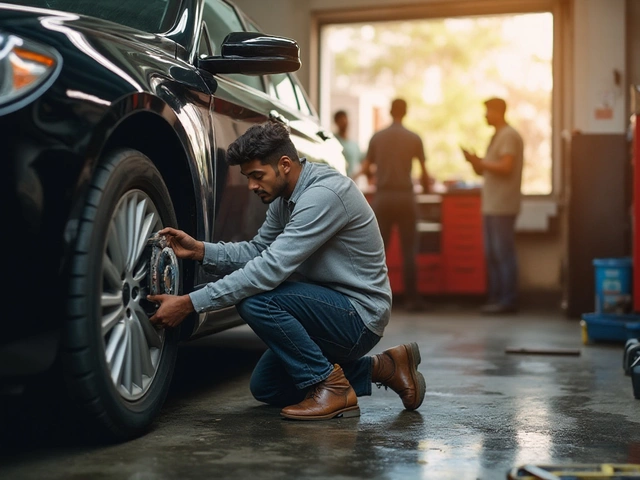
Clutch Kit Cost: How Much Should You Pay in 2025?
If your manual car is slipping or making weird noises, the clutch is probably the culprit. Replacing it isn’t cheap, but knowing what you’re paying for helps you avoid surprise bills. Below we break down the main cost drivers, typical price ranges, and when it makes sense to DIY versus hiring a shop.
What Makes a Clutch Kit Expensive?
A clutch kit usually includes the pressure plate, clutch disc, release bearing and sometimes a flywheel resurfacing. The biggest cost factors are:
- Vehicle make and model: High‑performance or import cars often need specialty parts that cost more.
- Kit quality: OEM (original equipment manufacturer) parts sit at the top of the price ladder, while aftermarket kits can be up to 30% cheaper but vary in durability.
- Flywheel condition: If the flywheel needs machining or replacement, that adds $100‑$300 to the bill.
- Labor rates: Shops charge anywhere from $80 to $150 per hour. A clutch swap takes roughly 3‑5 hours, depending on the car.
Putting those pieces together, a typical clutch kit for a common sedan runs $200‑$400 for the parts alone. Add labor, and the total lands between $500 and $900.
DIY vs. Professional Installation
Do‑it‑yourself can shave $200‑$300 off the total, but it’s not for everyone. You’ll need a basic set of tools: a jack, jack stands, a clutch alignment tool, and a torque wrench. If you’ve never worked on a manual transmission, the learning curve is steep and a mistake could damage the gearbox.
Pros of DIY:
- Saves labor costs.
- You control the parts you buy.
- Great way to learn about your car.
Cons of DIY:
- Time‑consuming – expect a full day for a first‑timer.
- Risk of mis‑alignment, which leads to premature wear.
- No warranty on labor if something goes wrong.
If you’re comfortable with basic mechanical work and have the right tools, DIY is doable. Otherwise, a reputable shop can guarantee the job and usually finishes the swap in one day.
Another cost‑saving tip is to compare prices from at least three sources – online retailers, local parts stores, and the dealer. Online prices for a solid aftermarket clutch kit often sit 10‑20% lower than brick‑and‑mortar stores.
Finally, don’t forget hidden expenses: shop fees, disposal charges for old parts, and possible additional hoses or bolts that need replacement. Adding $50‑$100 for these items gives you a more realistic budget.
Bottom line: Expect to pay $500‑$900 for a full clutch replacement on a typical daily driver. DIY can bring the total down to $300‑$600 if you’re handy. Knowing your car’s make, the quality of the kit, and labor rates lets you plan ahead and avoid nasty surprises.
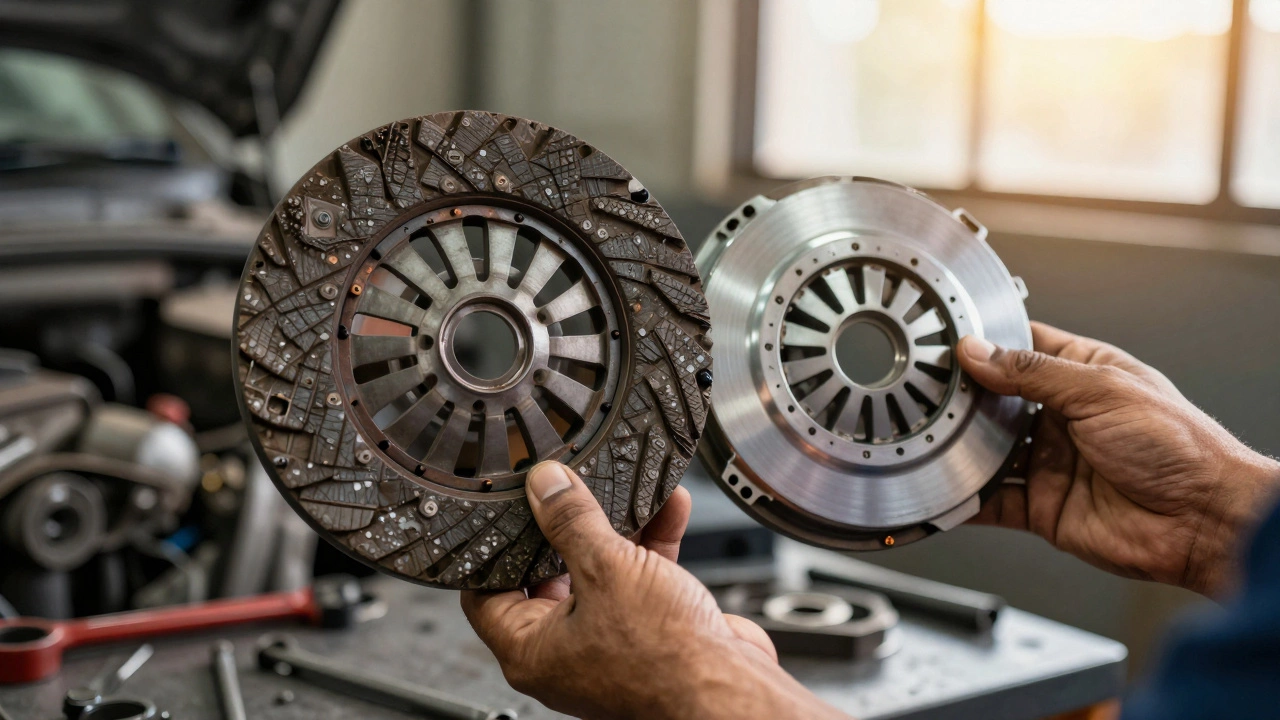
Clutch Kit Installation Cost: 2026 Price Guide & Hidden Fees
Discover the true cost of installing a clutch kit in 2026. We break down parts, labor, and hidden fees to help you budget for this essential car repair.
CONTINUE READING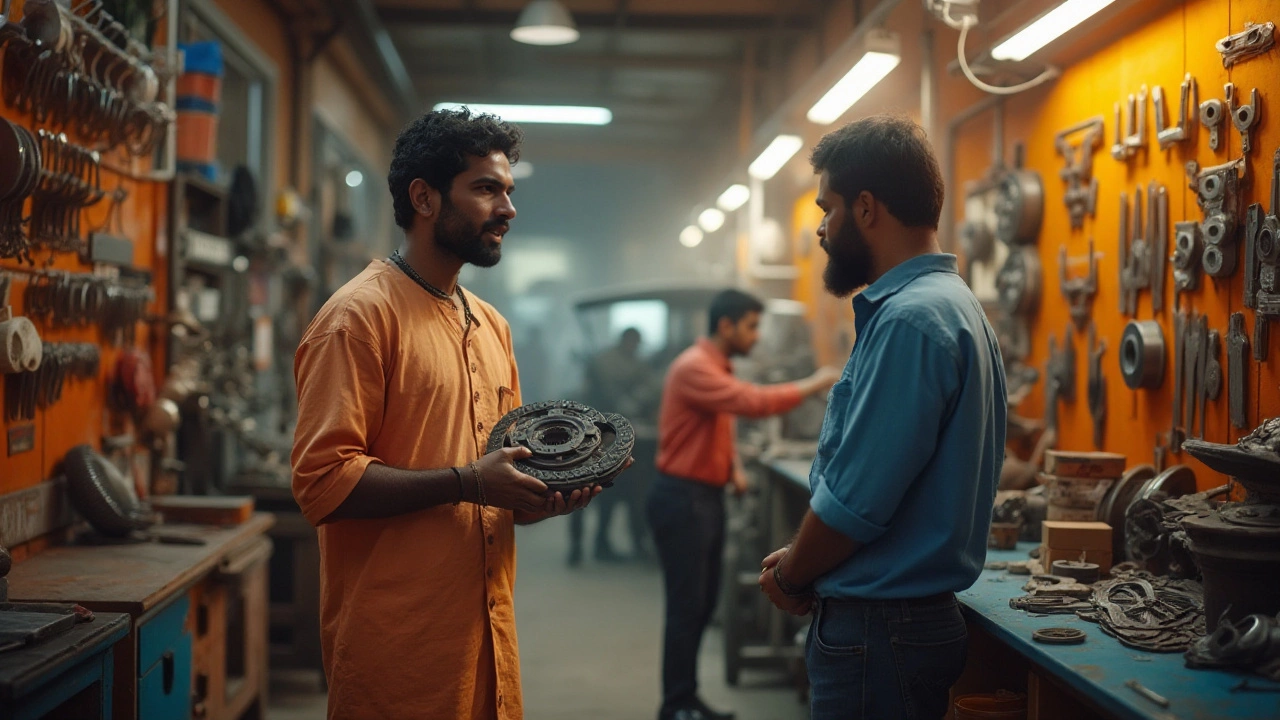
Clutch Kit Costs: What to Expect
Understanding the cost of a clutch kit is essential for any car owner facing a replacement. Prices vary depending on vehicle type, brand, and labor rates, ranging from a few hundred to over a thousand dollars. In this article, we'll explore not just the numbers but also the factors influencing these costs and tips on how to save money without compromising quality. Whether you're a DIY enthusiast or prefer professional help, discovering these insights will help you make informed decisions.
CONTINUE READINGRECENT POSTS
-
What Do Americans Call a Glove Box? UK vs US Car Terminology
Discover what Americans call a glove box versus the UK term, and explore other key automotive language differences like windscreen vs. windshield wipers.
-
Why Fuel Pumps Fail: Common Causes and Warning Signs
Discover why fuel pumps fail, from contaminated fuel to running on empty. Learn the warning signs like whining noises and sputtering engines, plus tips to extend your pump's life.