Clutch Failure Risk & Cost Estimator
Check all symptoms that apply to your current situation.
Planned Driving Conditions:
Estimates based on average US repair data.
Recommendation
Summary goes here.
You press the pedal, the engine screams, but the car refuses to move. Or worse, you’re stuck in traffic and the gears grind like gravel under tires. This is the nightmare scenario for any driver of a manual transmission vehicle. The short answer to whether you can drive with a broken clutch is no, you shouldn’t. However, the reality on the road is often more nuanced. You might be able to limp home or to a mechanic, but doing so carries significant risks that could turn a simple repair into a catastrophic engine failure.
The clutch is the bridge between your engine’s power and the wheels. When it fails, that connection breaks. Understanding exactly what is happening inside your gearbox helps you decide if a short drive is safe or if you need to call a tow truck immediately. If you find yourself stranded in an unfamiliar city while dealing with mechanical issues, having access to reliable local resources can be a lifesaver; for instance, travelers in Bangkok often rely on directories like this resource to navigate local services when they need assistance outside their usual support network.
How the Clutch Actually Works
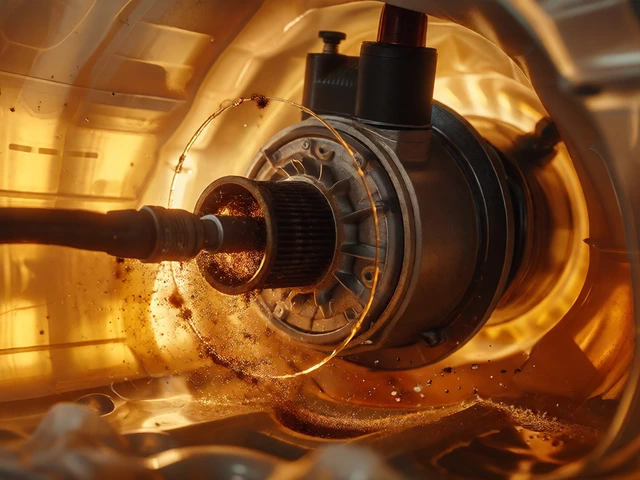
To understand why driving with a faulty clutch is dangerous, you first need to know what the clutch does. In a manual car, the clutch disc sits between the engine’s flywheel and the transmission. When you press the pedal, you separate these two components, allowing you to change gears without grinding metal against metal. When you release the pedal, the disc presses back against the flywheel, transferring power to the wheels.
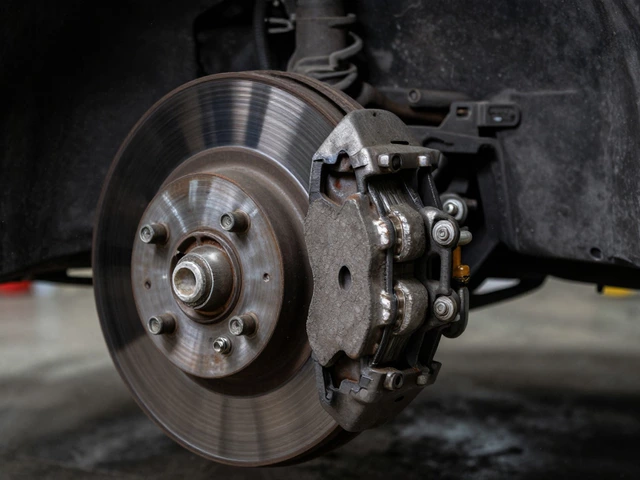
This system relies on friction. The clutch disc is lined with material designed to grip the flywheel tightly. Over time, this material wears down. It’s similar to brake pads wearing out on your rotors. When the lining is gone, the metal backing plate touches the flywheel directly. This causes slipping, heat, and eventually, complete failure. Unlike brakes, which have multiple layers of redundancy, the clutch has very few backup systems. Once the friction material is compromised, the component is essentially done.
Symptoms of a Failing Clutch
Clutches rarely fail overnight. They usually give you plenty of warning signs. Recognizing these early can save you from being stranded on the highway. Here are the most common indicators that your clutch is in trouble:
- Slipping: You press the gas, the RPMs go up, but the car doesn’t accelerate proportionally. This is the most classic sign. The engine is spinning faster than the wheels are turning because the clutch isn’t gripping fully.
- Difficulty Shifting: Gears grind when you try to shift, especially into reverse or first gear. This suggests the clutch isn’t disengaging completely, meaning the engine is still partially connected to the transmission when it should be free.
- Soft or Spongy Pedal: The clutch pedal feels mushy or sinks all the way to the floor without resistance. This often points to a hydraulic issue, such as a leak in the master or slave cylinder.
- Burning Smell: A distinct odor of burning friction material, similar to overheated brakes, indicates the clutch is slipping excessively and generating dangerous levels of heat.
- Vibration: You feel a shudder or vibration when releasing the clutch pedal from a stop. This usually means the pressure plate or flywheel is warped or damaged.
If you experience any of these symptoms, your clutch is failing. The question isn’t just “can I drive?” but “how far can I drive before it gets worse?”
The Risks of Driving with a Broken Clutch
Driving with a compromised clutch is risky for several reasons. The primary danger is total immobilization. If the clutch disc breaks apart or the pressure plate snaps, you will lose all ability to change gears. In a manual car, this means you cannot start moving from a stop, nor can you shift to higher gears for speed. You’ll be rolling along in whatever gear you were last in, likely unable to accelerate or decelerate effectively.
But there’s a bigger risk: damage to other expensive components. When a clutch slips, it generates intense heat. This heat can warp the flywheel. A warped flywheel must be resurfaced or replaced, adding hundreds of dollars to your repair bill. In severe cases, pieces of the clutch disc can break off and jam inside the transmission housing. This can destroy the input shaft, synchronizers, or even the differential. What started as a $300-$500 clutch job can quickly balloon into a $2,000+ transmission rebuild.
Additionally, a failing clutch can lead to unsafe driving situations. Imagine trying to merge onto a highway or pull away from a curb. If the clutch suddenly slips at a critical moment, you lose control of the vehicle’s acceleration. This unpredictability endangers not only you but also other drivers around you.
When Might a Short Drive Be Acceptable?
There are rare scenarios where driving a short distance might be necessary. For example, if you’re in your driveway and need to move the car into the garage, or if you’re stuck in a parking lot and need to exit safely. In these low-speed, low-stress situations, you might be able to manage.
However, even then, you must follow strict rules:
- Keep speeds low: Stay under 15-20 mph. High speeds require higher gears and more clutch engagement, which increases slip and heat.
- Avoid hills: Uphill driving puts immense strain on the clutch. Downhill driving requires frequent shifting and braking, which also stresses the system.
- Don’t ride the clutch: Keep your foot off the pedal unless you’re actively shifting. Resting your foot on the clutch pedal, even lightly, causes premature wear and heat buildup.
- Listen to your car: If you hear grinding, smell burning, or feel excessive vibration, stop immediately. Pushing through these signs guarantees further damage.
If you need to drive more than a mile or two, or if you plan to hit the highway, skip the idea entirely. Call a tow truck. The cost of a tow ($50-$100) is negligible compared to the cost of a destroyed transmission ($1,500+).
What to Do If Your Clutch Fails
If you suspect your clutch is broken, here’s a step-by-step guide to handling the situation:
- Pull over safely: Find a quiet spot off the road. Turn on your hazard lights.
- Assess the symptoms: Try to shift into neutral. If the engine idles smoothly in neutral, the problem is likely isolated to the clutch. If the engine stalls or runs roughly, you may have broader transmission issues.
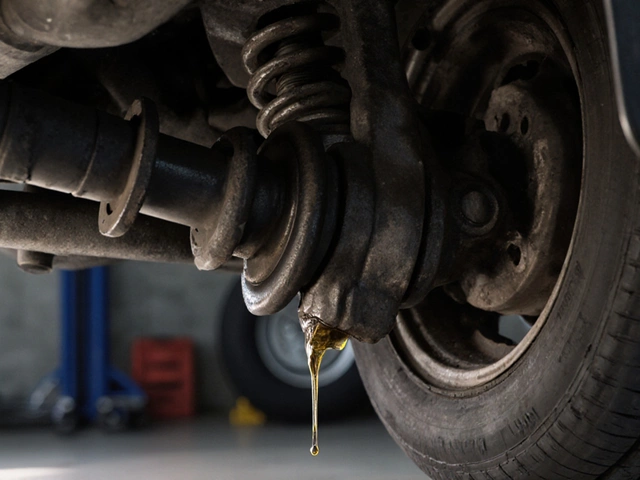
- Check for leaks: Look under the car near the firewall and transmission for fluid puddles. Clutch hydraulics use brake fluid. A leak means your pedal won’t work, making driving impossible.
- Call for help: Contact a tow service or a mobile mechanic. Explain the symptoms clearly so they can bring the right tools.
- Get a diagnosis: A mechanic will inspect the clutch disc, pressure plate, release bearing, and flywheel. They’ll also check the hydraulic system for leaks or air bubbles.
Don’t attempt to “fix” a broken clutch yourself unless you have significant automotive experience. Clutch replacements require removing the transmission, which is a complex, labor-intensive job involving heavy lifting and precise alignment.
Cost of Clutch Repair vs. Towing
Let’s talk numbers. A standard clutch replacement typically costs between $800 and $1,500, depending on your vehicle and labor rates. This includes parts (clutch kit, flywheel resurfacing/replacement) and labor. If you drive with a failing clutch and destroy the transmission, the cost jumps to $2,500-$4,000 or more.
Towing your car costs $50-$100. By choosing to tow instead of driving, you’re saving potentially thousands of dollars. It’s a no-brainer financially. Plus, you avoid the stress and danger of being stranded on the side of the road.
| Action | Risk Level | Estimated Cost | Timeframe |
|---|---|---|---|
| Drive to Mechanic (Short Distance) | High | $800 - $1,500 (if lucky) | Immediate |
| Drive to Mechanic (Long Distance/Highway) | Critical | $2,500 - $4,000+ (Transmission Damage) | Immediate + Extended Downtime |
| Tow to Mechanic | None | $50 - $100 (Tow) + $800 - $1,500 (Repair) | 1-2 Days Wait for Tow |
Preventing Clutch Failure
The good news is that clutch failure is largely preventable. Most clutches last between 50,000 and 100,000 miles, but bad habits can kill them much sooner. Here’s how to extend the life of your clutch:
- Don’t rest your foot on the pedal: Even light pressure engages the release bearing and causes wear.
- Avoid riding the clutch: Don’t hold the car on a hill by balancing on the bite point. Use the handbrake instead.
- Shift smoothly: Avoid jerky shifts. Let the clutch engage gradually.
- Don’t launch hard: Revving high and dropping the clutch (“burnouts”) destroys friction material instantly.
- Use the right gear: Don’t lug the engine in too high a gear at low speeds. This strains the clutch and engine.
Regular maintenance also helps. Check your brake fluid level regularly, since the clutch shares the same reservoir. Low fluid can indicate a leak in the clutch hydraulic system.
FAQ
Can I drive with a broken clutch for a short distance?
Technically yes, but it’s risky. If you’re moving the car a few feet in a parking lot or driveway, it might be okay. However, even short drives can cause further damage if the clutch is slipping. Always assess the severity of the symptoms first. If you hear grinding or smell burning, do not drive.
What happens if I drive with a slipping clutch?
A slipping clutch generates excessive heat, which can warp the flywheel and damage the transmission. Over time, the friction material will wear away completely, leading to total failure. You’ll lose the ability to transfer power to the wheels, leaving you stranded.
How much does it cost to replace a clutch?
Clutch replacement typically costs between $800 and $1,500, including parts and labor. Prices vary based on the vehicle make and model, as well as local labor rates. If additional components like the flywheel or hydraulic cylinders need replacement, the cost can increase.
Can a broken clutch cause engine damage?
Can a broken clutch cause engine damage?
Indirectly, yes. While the clutch itself doesn’t damage the engine directly, severe slipping can cause overheating that affects nearby components. More commonly, broken clutch pieces can jam the transmission, which may lead to secondary damage if the engine is forced to operate under abnormal loads.
Is it safe to tow a car with a broken clutch?
Yes, but you must tow it correctly. For front-wheel-drive cars, lift the front wheels. For rear-wheel-drive cars, lift the rear wheels. Never flat-tow a manual car with a broken clutch, as this can damage the transmission. Use a flatbed tow truck whenever possible.
Write a comment