Worn Brake Pads – Spot the Signs, Avoid Risks, and Fix Them Fast
If you hear squealing when you brake or feel a soft pedal, chances are your brake pads are wearing thin. Ignoring the issue can lead to pricey repairs, longer stopping distances, and even dangerous accidents. Below we break down the most common clues, why you should act quickly, and the options for getting back to smooth, safe braking.
Signs Your Brake Pads Are Worn Out
First, listen for a high‑pitched squeal. Modern pads have a built‑in wear indicator that makes a squeaking noise when the material gets down to about 3 mm. If the sound is constant instead of brief, replace the pads right away.
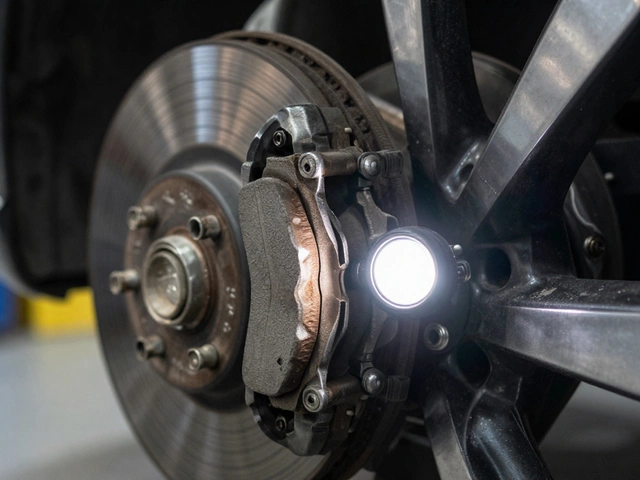
Second, feel the pedal. A brake pedal that sinks toward the floor or feels spongy usually means the pads can’t grip the rotor properly. You might also notice a slight vibration in the steering wheel during hard stops – that’s the pads fighting to grip unevenly.Third, look at the rotor. If you can see the metal backing of the pad through the wheel’s opening, it’s time for new pads. Some drivers pull the wheel off and inspect the pad thickness; less than 4 mm is a clear warning.
Finally, watch for longer stopping distances. If you need to press the pedal harder or farther to slow down, the friction surface is losing effectiveness. That’s a safety red flag you shouldn’t ignore.
Fixing Worn Brake Pads: DIY or Mechanic?
Buying brake pads yourself can save money. In 2025 a set of good‑quality pads costs between $50 and $120, depending on the make. Add about $30‑$70 for basic tools if you don’t already have them. A DIY job typically takes 1‑2 hours per axle, so you’re looking at a modest time investment.
Mechanics, on the other hand, charge labor rates that range from $80 to $150 per hour. If you need rotor resurfacing or replacement, the shop price can climb quickly. However, a professional will spot hidden problems like cracked rotors or worn calipers that DIYers often miss.
Here’s a quick decision guide:
- DIY is worth it if the pads are the only worn component, you have basic tools, and you’re comfortable lifting the car.
- Visit a shop if you hear grinding (metal‑on‑metal), notice rotor damage, or feel unsure about the procedure.
When you replace pads, always inspect the rotors. If they have deep grooves, cracks, or are over 10 mm thin, replace them too. Pairing new pads with fresh rotors ensures even wear and a longer lifespan.
After installation, pump the brake pedal three times to seat the pads against the rotors. Take a short test drive, brake gently at low speed, and confirm the pedal feels firm. If the squeal persists, it may be a shims or hardware issue rather than pad wear.
Bottom line: catching worn brake pads early saves money, keeps your car stopping reliably, and protects your safety. Check your brakes every 6 months or every 5,000 miles, listen for squeal, feel the pedal, and act fast. Whether you go DIY or let a pro handle it, the key is not to wait until the metal starts grinding.
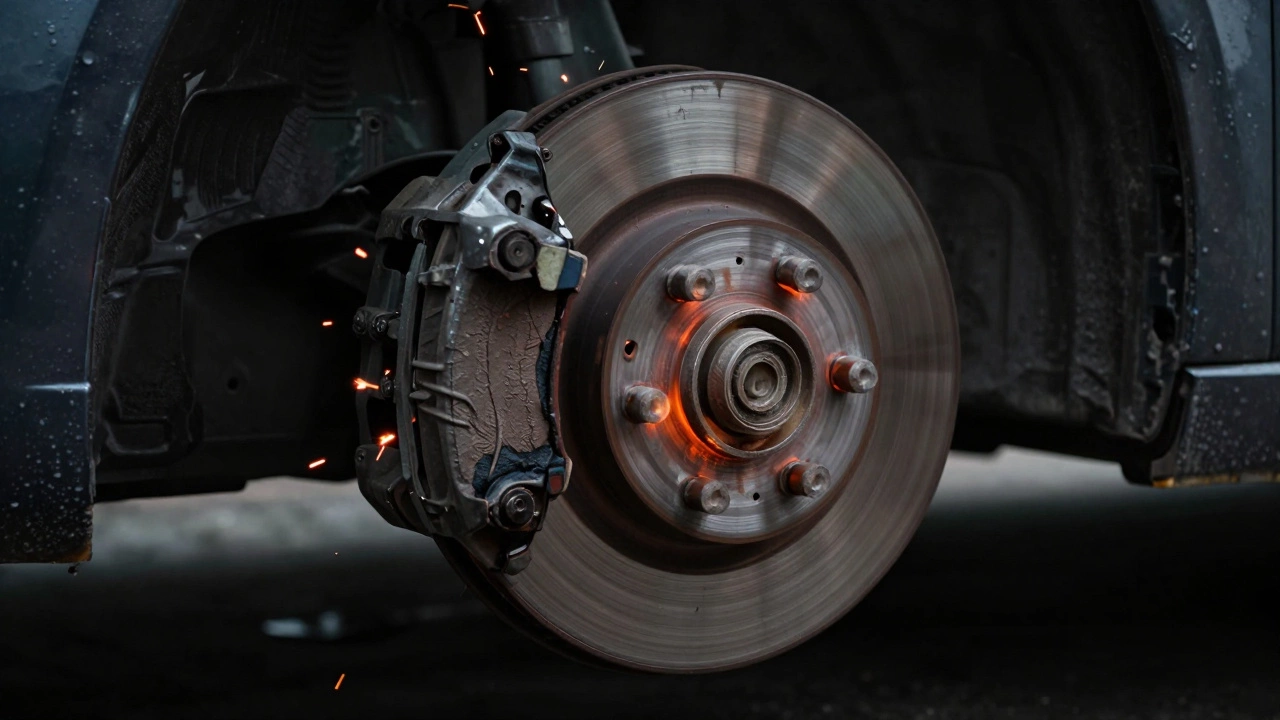
Is It Safe to Drive on Grinding Brakes? Risks, Costs, and What to Do Now
Driving with grinding brakes is dangerous and costly. Learn why metal-on-metal noise means immediate danger, how much repairs cost, and what steps to take right now to stay safe.
CONTINUE READING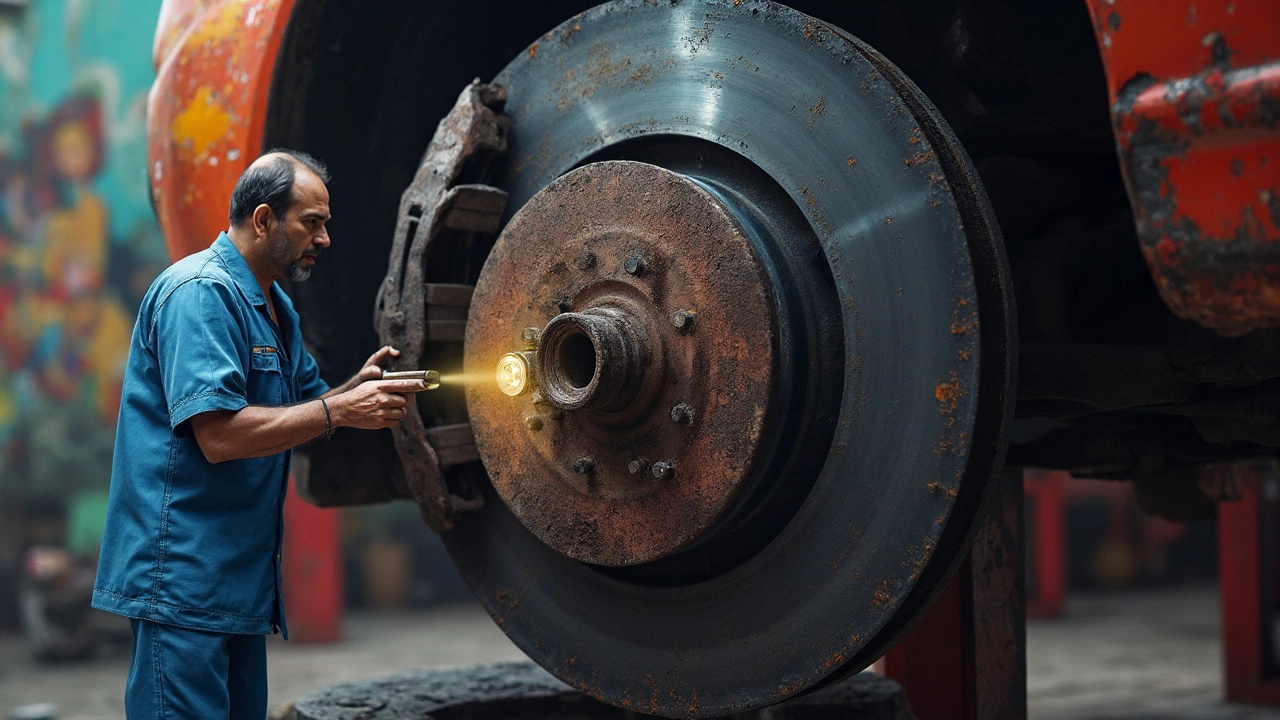
How to Check If Your Brake Pads Are Worn Out
Inspecting your brake pads is crucial for vehicle safety. This article guides you on identifying signs of worn brake pads, providing practical advice and tips to maintain them effectively. Learn how to detect wear through noise, feel, and visible indicators, ensuring your brakes function optimally. Early detection can save you from costly repairs down the line.
CONTINUE READINGRECENT POSTS
-
What Do Americans Call a Glove Box? UK vs US Car Terminology
Discover what Americans call a glove box versus the UK term, and explore other key automotive language differences like windscreen vs. windshield wipers.
-
Why Fuel Pumps Fail: Common Causes and Warning Signs
Discover why fuel pumps fail, from contaminated fuel to running on empty. Learn the warning signs like whining noises and sputtering engines, plus tips to extend your pump's life.