Brake Damage & Cost Estimator
Assess Your Situation
Select the symptoms you are currently experiencing.
!Action Required
Schedule a routine inspection soon. You have some time before this becomes an emergency.
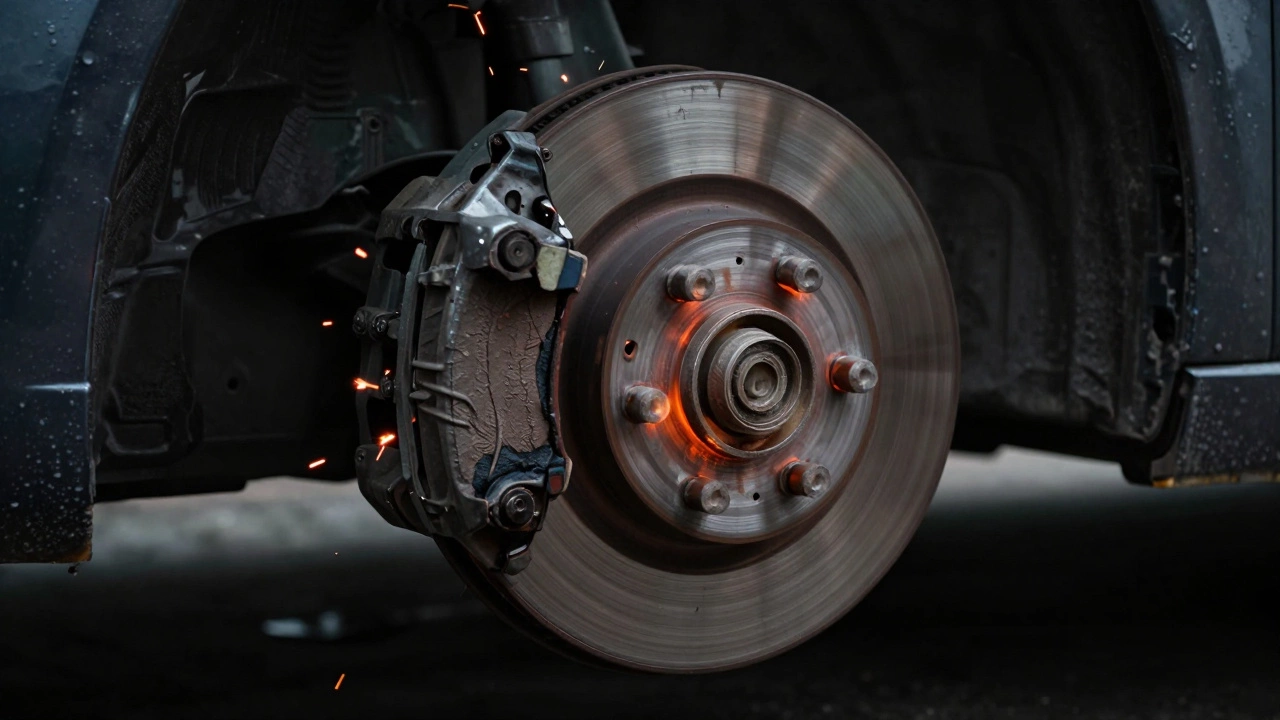
That high-pitched metal-on-metal screech is the sound of your car screaming for help. If you hear it, you’re likely wondering if you can just drive to the shop or home without causing a disaster. The short answer is no. Driving with grinding brakes is dangerous, expensive, and unnecessary.
When your brakes grind, it means the protective friction material on your brake pads has completely worn away, exposing the hard steel backing plate. That metal is now scraping directly against your rotors (also known as brake discs). This isn't a minor squeak that might go away; it's active destruction of your braking system.
The Immediate Danger: Why You Can't Ignore the Noise
You might think, "I only need to drive five more minutes." But those five minutes can turn into a catastrophic failure. Here’s what happens when you keep driving with grinding brakes:
- Loss of Stopping Power: Brake pads are designed to create friction. Metal-on-metal contact creates significantly less friction. Your stopping distance will increase dramatically, especially in wet conditions common here in Auckland.
- Overheating: The friction from grinding generates intense heat. This heat can boil your brake fluid, leading to a spongy pedal that goes straight to the floor with zero resistance.
- Rotor Seizure: In extreme cases, the heat can warp or crack the rotors so severely that they seize up, potentially locking your wheels while you're moving.
This isn't theoretical. I’ve seen too many drivers treat this noise like a loose change rattling in the glovebox. It’s not. It’s a direct threat to your ability to stop at a red light or avoid a pedestrian.
The Financial Cost of Waiting
Many people delay repairs because they assume brakes are cheap to fix. They are-until they aren’t. Let’s look at the math of ignoring the problem.
| Scenario | Parts Needed | Estimated Labor | Total Estimated Cost (NZD) |
|---|---|---|---|
| Early Warning (Squeal) | New Brake Pads (Set) | 1 hour | $150 - $300 |
| Grinding Stage (Minor Damage) | Pads + Resurfacing Rotors | 2 hours | $300 - $500 |
| Severe Grinding (Major Damage) | Pads + New Rotors (All 4 Wheels) | 3-4 hours | $600 - $1,200+ |
| Catastrophic Failure | Pads, Rotors, Calipers, Hub Assemblies, Fluid Flush | 6+ hours | $1,500 - $2,500+ |
Notice how the cost jumps exponentially. A simple pad replacement becomes a full brake job overhaul. When you grind the rotors deeply, you often score them beyond repair. You can't just sand them down anymore; you have to buy new ones. And if the heat damages the calipers or melts the seals, you're looking at replacing entire wheel assemblies.
How Long Can You Actually Drive?
If you are currently hearing the grind, here is your action plan:
- Stop immediately if possible. Pull over safely and assess. Is the noise constant? Does it get louder when you press the pedal?
- If you must move, drive slowly. Keep your speed under 30 km/h. Avoid hills where you would need to brake heavily.
- Do not carry passengers. Extra weight increases the load on your brakes, generating more heat and wear.
- Head to a mechanic directly. Do not run errands. Do not go shopping. Go straight to the repair shop.
There is no safe mileage limit for grinding brakes. Some cars might make it 10 kilometers; others might fail after 1 kilometer. The variable is the condition of your rotors and the ambient temperature. On a hot day, your brakes are already working harder. Adding grinding friction is a recipe for failure.
Distinguishing Squeal vs. Grind
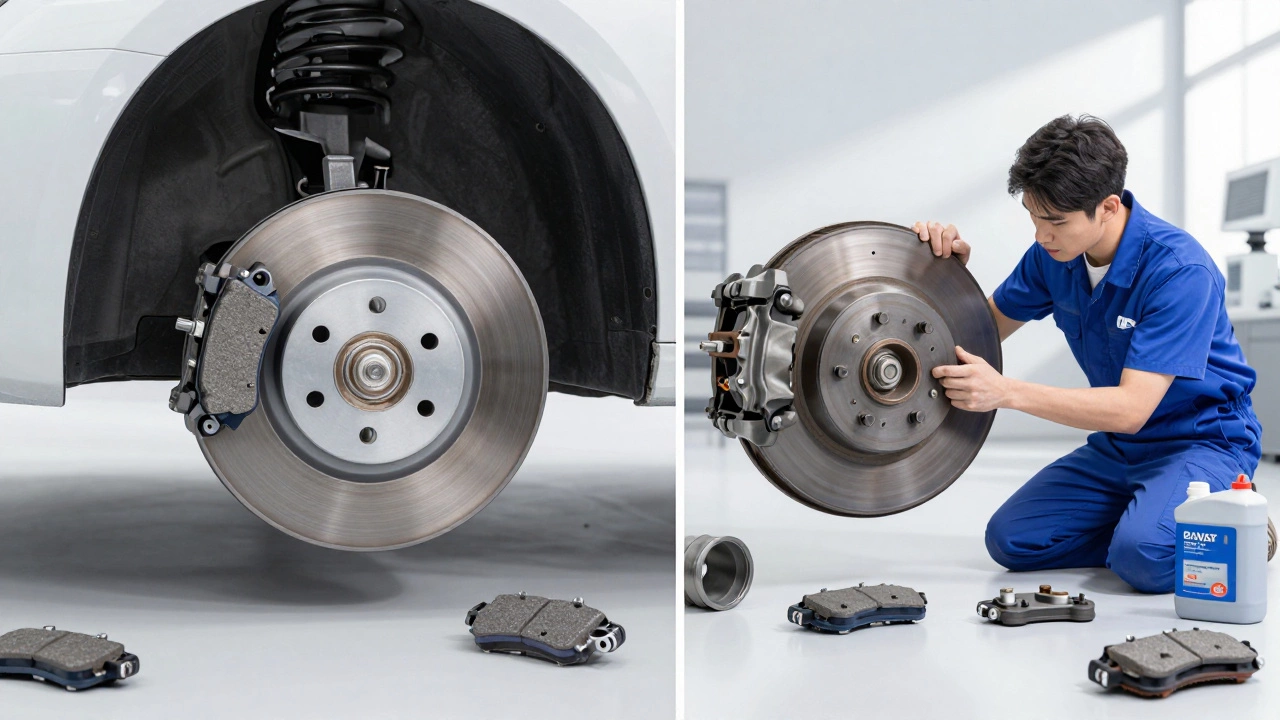
Not all brake noises are equal. Understanding the difference can save you money and stress.
- High-Pitched Squeal: This is usually a wear indicator. Most modern brake pads have a small metal tab that touches the rotor when the pad is thin. It’s annoying, but you still have some braking material left. You have days or weeks to schedule a repair.
- Low Growl or Rumble: This could be debris stuck between the pad and rotor. Try reversing and braking gently to dislodge it. If it persists, check for foreign objects.
- Loud Metal-on-Metal Grind: This is the emergency signal. The friction material is gone. The backing plate is eating into the rotor. Stop driving now.
What Mechanics Will Tell You
When you arrive at the shop, be honest about the noise. Say, "My brakes have been grinding for [time/distance]." This helps them prioritize checking for severe damage rather than just swapping parts.
A reputable mechanic will inspect:
- Rotor Thickness: Using micrometers to see if the rotors are below the minimum safe thickness.
- Pad Remaining Life: Even if they look thick, if they’re grinding, they’re compromised.
- Caliper Function: To ensure pistons aren't sticking, which causes uneven wear.
- Brake Fluid Condition: Checking for moisture contamination that lowers boiling points.
Beware of shops that recommend replacing every single component without explanation. However, don't be surprised if they suggest replacing all four sets of pads and rotors simultaneously. It ensures balanced braking performance and saves labor costs since the wheels are already off.
Prevention: How to Extend Brake Life
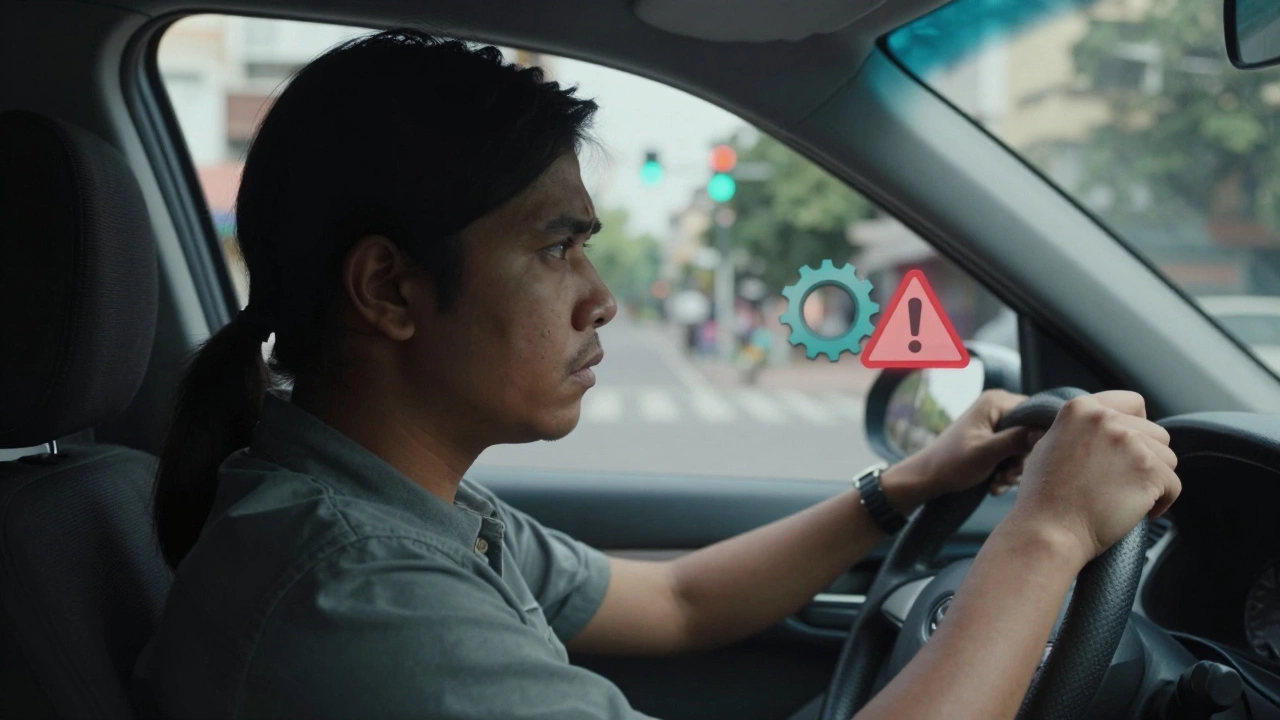
Once you’ve fixed the immediate crisis, focus on preventing recurrence. Brake wear is inevitable, but excessive wear is often due to driving habits.
- Engine Braking: Use your transmission to slow down. Downshift before approaching long downhill sections. This reduces reliance on friction brakes.
- Anticipate Traffic: Look further ahead. Coasting to a stop uses far less brake energy than slamming on the brakes at the last second.
- Regular Inspections: Include brake checks in your annual service. Many mechanics measure pad depth during oil changes. Ask for it.
- Quality Parts: Cheap brake pads may contain higher levels of semi-metallic compounds that are harder on rotors. Ceramic or low-metallic organic pads often offer quieter operation and less rotor wear, though they may cost slightly more upfront.
FAQ: Common Questions About Grinding Brakes
Can I drive with grinding brakes to the mechanic?
You should only do this if absolutely necessary and with extreme caution. Drive slowly (under 30 km/h), avoid hills, and go directly to the shop. Do not carry passengers or heavy loads. If the noise worsens or the pedal feels soft, stop immediately and call for a tow truck.
Why do my brakes grind even after replacement?
If new brakes grind, it could be due to improperly bedded-in pads, warped rotors, stuck calipers, or debris caught in the assembly. Sometimes, the old rotors were scored too deeply and needed replacement instead of resurfacing. Return to the mechanic for an inspection.
How much does it cost to fix grinding brakes in New Zealand?
Costs vary by vehicle and location. A simple pad replacement starts around $150-$300 NZD. If rotors need resurfacing, expect $300-$500. Full replacement of pads and rotors on all four wheels can range from $600 to over $1,200 NZD depending on whether you use OEM or aftermarket parts.
Will WD-40 fix grinding brakes?
No. WD-40 is a lubricant and water displacer, not a brake repair solution. Applying it to brake components can contaminate the pads and rotors, reducing friction and making stopping even more dangerous. Never spray lubricants on brake surfaces.
How often should brake pads be replaced?
There is no fixed mileage interval. Replacement depends on driving style, vehicle weight, and terrain. City driving with frequent stops wears pads faster than highway cruising. Generally, pads last between 40,000 to 70,000 kilometers, but regular inspections are crucial to catch wear early.
Write a comment