Spark Plug Performance & Savings Calculator
Estimate the potential fuel savings and performance improvements from replacing your spark plugs based on your driving habits and plug condition.
You just swapped out your old spark plugs for a shiny new set. The mechanic gave you a thumbs-up, or maybe you did it yourself in the driveway while listening to some podcasts. You get back in the driver’s seat, start the engine, and wait for that magical moment where the car feels like a completely different machine. But here is the hard truth: most of the time, nothing happens. The car feels exactly the same as it did yesterday. So, are you being ripped off? Did you waste your money? Or is there a subtle difference hiding in plain sight?
The answer isn't a simple yes or no. It depends entirely on how bad your old plugs were, what kind of car you drive, and whether you have a keen ear for mechanical nuances. In this guide, we will break down exactly what changes when you install new spark plugs, which symptoms actually improve, and why some drivers swear by them while others think they are a scam.
What Actually Happens When Spark Plugs Wear Out?
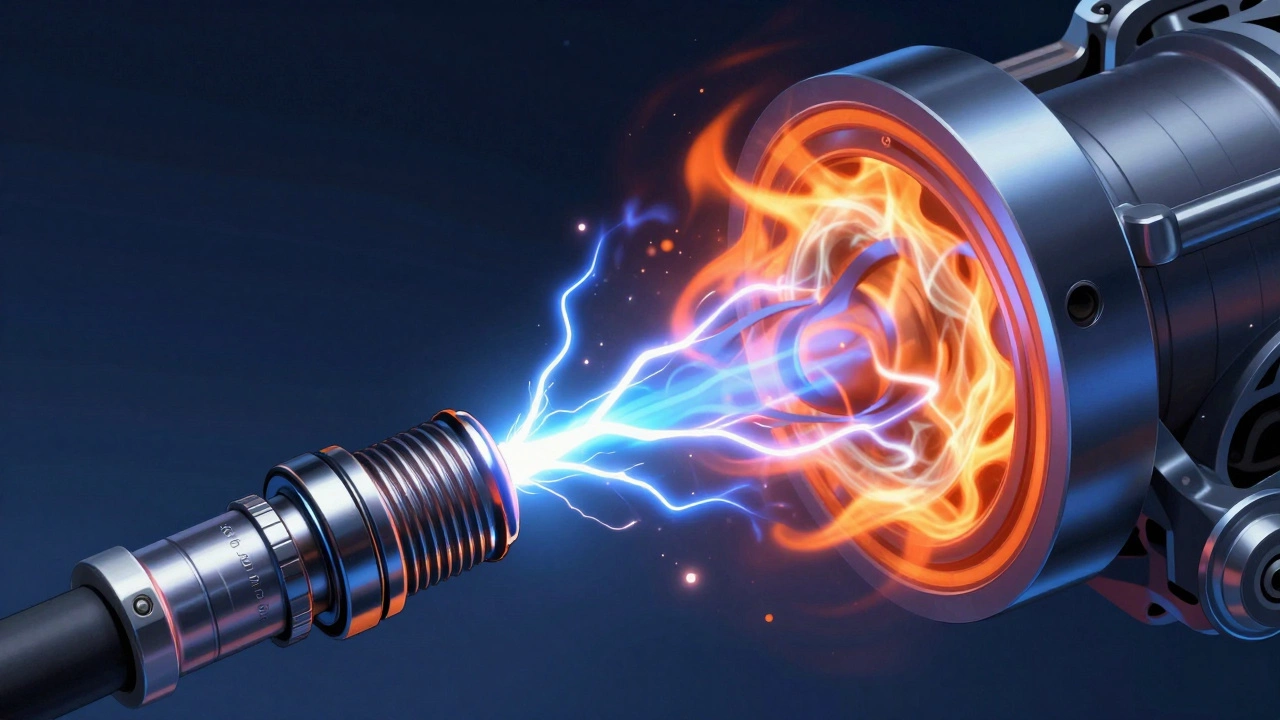
To understand if you can feel a difference, you first need to know what the spark plug is doing under the hood. A spark plug is a critical component of an internal combustion engine that ignites the air-fuel mixture in the cylinder chambers. Think of it as the matchstick that starts the fire in a fireplace. Without that spark, the gasoline just sits there, unburnt and useless.
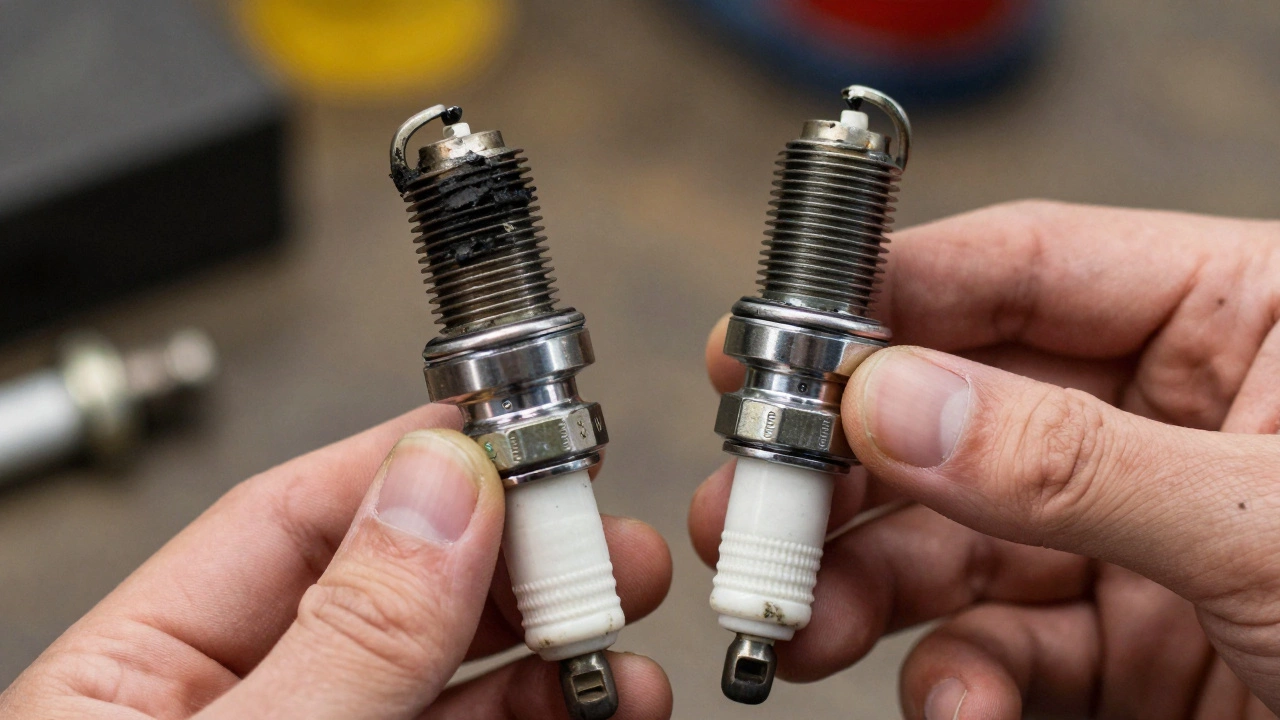
Over time, the electrodes at the tip of the plug erode. This gap widens. The ceramic insulator can crack, and carbon deposits build up. When the gap gets too wide, the electrical arc from the coil has to stretch further to jump the distance. This requires more energy. If the ignition system can’t provide enough voltage, the spark becomes weak or misses entirely. This is called a misfire.
In modern cars with direct injection and sophisticated engine control units (ECUs), the computer tries to compensate for these worn plugs. It adjusts timing and fuel delivery to keep things running smoothly. This is why your car might not throw a check engine light even when the plugs are half-dead. But that compensation comes at a cost: efficiency drops, and power output subtly declines.
The Symptoms You Can Definitely Feel
If your previous spark plugs were severely degraded, installing new ones will result in noticeable improvements. These aren't placebo effects; they are measurable physical changes in how your engine operates. Here are the specific sensations you should look for:
- Rough Idle: Have you ever sat at a red light and felt the steering wheel vibrating slightly? That shudder often comes from cylinders firing unevenly. New plugs ensure every cylinder fires with consistent force, smoothing out that idle vibration.
- Hesitation During Acceleration: When you step on the gas, does the car stumble before taking off? This lag is often caused by incomplete combustion. Fresh plugs deliver a stronger, hotter spark that ignites the fuel instantly, resulting in snappier throttle response.
- Hard Starting: Cold starts become easier. Instead of cranking for three seconds, the engine catches immediately. This is especially noticeable in colder climates like Auckland winters, where thickened oil and cold metal make ignition harder.
- Engine Misfires: If you felt a distinct "bump" or "jolt" while driving at steady speeds, that was likely a misfire. New plugs eliminate these random hiccups, making the ride feel seamless.
For older vehicles with high mileage-say over 100,000 kilometers-the difference can be dramatic. It’s almost like waking up from a fog. The car feels lighter, more responsive, and quieter.
When You Won't Notice a Thing
Let’s play devil’s advocate. Why do so many people say they feel no difference? There are two main reasons.
First, your old plugs weren’t actually bad. Modern iridium and platinum spark plugs last between 60,000 and 100,000 kilometers. If you replaced them at 30,000 kilometers because a shop recommended it, you swapped perfectly good parts for new ones. Naturally, you won’t feel a change because there was no problem to fix. It’s like replacing a toothbrush that still has plenty of bristles left-you’re just spending money unnecessarily.
Second, your car’s ECU is doing a great job masking the issue. Modern engines are incredibly adaptive. If one plug is weak, the computer advances the ignition timing slightly to compensate. You might lose 1% of your horsepower and gain 0.5 liters per 100km in fuel consumption, but those numbers are too small for human senses to detect during normal driving. You need a dynamometer to see the difference, not your foot on the pedal.

Fuel Efficiency: The Silent Gainer
While you might not feel a surge of power, you might notice something else: your fuel gauge dropping slower than usual. Efficient combustion means less wasted fuel. Worn plugs cause partial burning, where some gasoline exits through the exhaust unburnt. That’s literally money going out of your tailpipe.
Studies from automotive engineering journals suggest that replacing severely fouled spark plugs can improve fuel economy by 1% to 4%. For a daily commuter driving 20,000 kilometers a year, that might save you $50 to $100 annually. It’s not a fortune, but it adds up over time. More importantly, cleaner combustion reduces emissions, helping your car pass environmental inspections and keeping the air in cities like Auckland cleaner.
Types of Spark Plugs and Their Impact
Not all spark plugs are created equal. The material of the electrode plays a huge role in performance and longevity. Understanding this helps you choose the right upgrade.
| Type | Electrode Material | Lifespan (km) | Performance Benefit | Cost Level |
|---|---|---|---|---|
| Copper | Copper core | 20,000 - 40,000 | Excellent conductivity, best for older/simple engines | Low |
| Platinum | Platinum tip | 60,000 - 80,000 | Better durability, stable gap | Medium |
| Iridium | Iridium alloy | 80,000 - 120,000+ | Finest wire allows smaller gap, stronger spark, highest efficiency | High |
If you switch from basic copper plugs to iridium plugs in a modern turbocharged engine, you might notice a slight improvement in throttle response. Iridium tips are thinner, allowing for a smaller electrode gap. This concentrates the spark energy, leading to faster flame kernel development. In high-performance scenarios, this translates to better power delivery. However, for a standard family sedan, the difference is marginal compared to simply using the correct OEM-specified plug.
Other Factors That Mimic Bad Spark Plugs
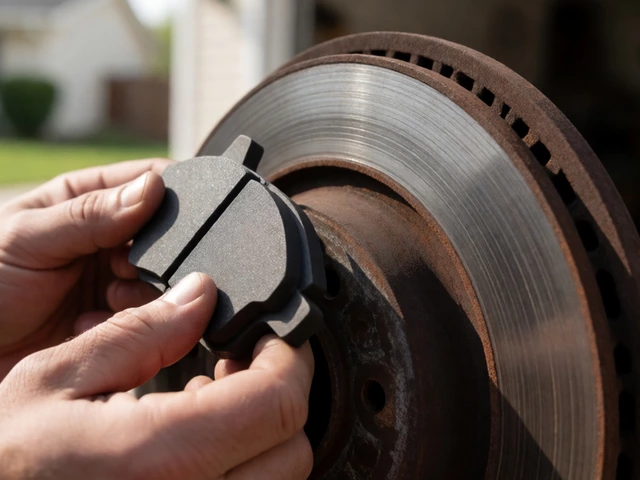
Before you blame the spark plugs for poor performance, consider other culprits. Many symptoms associated with bad plugs are actually caused by different issues:
- Dirt Air Filter: If the engine can’t breathe, it can’t burn fuel efficiently. A clogged filter causes hesitation and rough idling just like bad plugs.
- Dirty Throttle Body: Carbon buildup here restricts airflow, leading to unstable idle and sluggish acceleration.
- Faulty Ignition Coils: The coil provides the voltage. If the coil is dying, even brand-new plugs won’t help. The spark will still be weak.
- Old Engine Oil: Sludge and viscosity changes affect engine compression and friction, altering how the car feels to drive.
A comprehensive tune-up addresses all these areas. Replacing only the spark plugs might leave the underlying problem untouched. Always inspect the ignition coils and wires when changing plugs, especially in high-mileage vehicles.
How to Test if Your Plugs Need Changing
You don’t need to guess. There are practical ways to assess the health of your ignition system. First, check the service manual for your vehicle’s recommended replacement interval. Most manufacturers specify a range based on normal driving conditions. If you do a lot of short trips or city driving, you might need to replace them sooner due to carbon fouling.
Second, look at the old plugs after removal. Pull them out one by one. Compare their color. A healthy plug should have a tan or light gray electrode. Black and sooty indicates a rich fuel mixture or oil burning. White and blistered suggests overheating or lean mixture. Large gaps or cracked ceramics mean immediate replacement is necessary.
Third, use an OBDII scanner. Even if the check engine light isn’t on, you can read live data for misfire counts. If any cylinder shows frequent misfires, inspect the corresponding plug and coil. This data-driven approach removes the guesswork and ensures you’re fixing real problems, not just following a calendar.
Installation Tips for Maximum Benefit
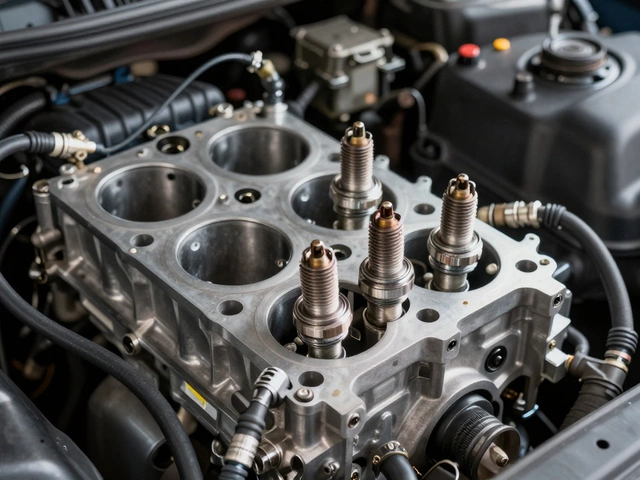
Getting the most out of your new spark plugs isn’t just about buying the right part. Installation matters. Torque specifications are critical. Over-tightening can crack the ceramic insulator or strip the threads in the cylinder head. Under-tightening can lead to heat loss and misfires. Always use a torque wrench set to the manufacturer’s specification, usually between 15 and 25 Nm depending on the engine.
Also, check the gap. While many modern plugs come pre-gapped, it’s worth verifying with a feeler gauge. An incorrect gap can negate the benefits of a new plug. Finally, apply a tiny amount of anti-seize compound to the threads only if recommended by the manufacturer. Some modern plugs have special coatings that react poorly with anti-seize, leading to inaccurate torque readings.
How often should I replace spark plugs?
Most modern cars require spark plug replacement every 60,000 to 100,000 kilometers. Copper plugs need changing every 20,000 to 40,000 kilometers. Always consult your owner’s manual for the specific interval recommended by your vehicle manufacturer.
Will new spark plugs improve my gas mileage?
Yes, if your old plugs were worn or fouled. New plugs ensure complete combustion, which can improve fuel efficiency by 1% to 4%. However, if your plugs were already in good condition, the improvement will be negligible.
Can I feel a difference immediately after changing spark plugs?
If your engine was misfiring or idling roughly, yes, you will feel an immediate smoothness. If the engine was running normally, you likely won't notice a significant change in power or feel, though long-term efficiency may improve.
Are iridium spark plugs worth the extra cost?
Iridium plugs last longer and provide a more consistent spark, which is beneficial for high-performance and direct-injection engines. For standard daily drivers, the performance gain is minimal, but the extended lifespan makes them cost-effective over time.
What are the signs of bad spark plugs?
Common signs include rough idling, difficulty starting the engine, hesitation during acceleration, increased fuel consumption, and a check engine light indicating misfires. Visual inspection revealing black soot, white blistering, or large electrode gaps also indicates failure.







Write a comment