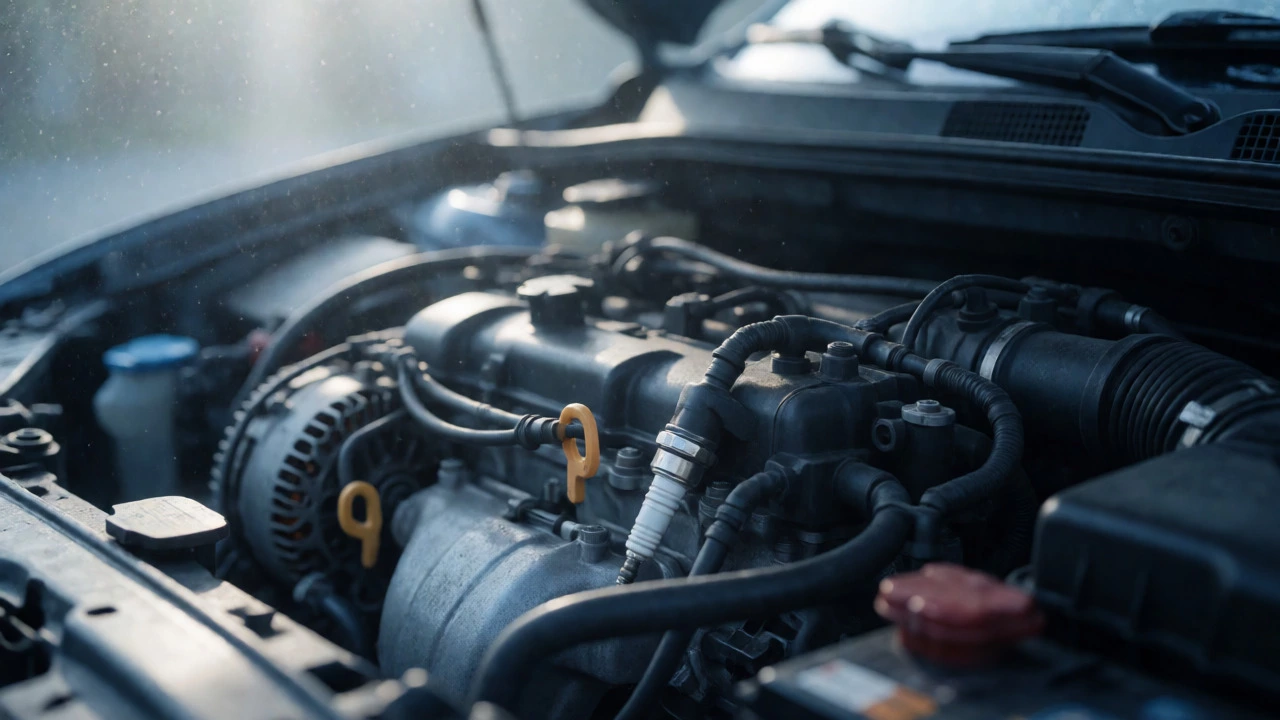
Hard Start Diagnostic Assistant
Select the behavior that best matches your car's issue:
If you have a multimeter, check your battery voltage while the engine is OFF.
Diagnostic Verdict
Why not just change spark plugs?
You’re sitting in the driveway on a cold morning. You turn the key (or press the button), and the engine cranks-slowly, agonizingly-before finally catching. Or maybe it doesn’t catch at all. Your first instinct? "I need new spark plugs." It’s the most common reflex for DIY mechanics. But here is the uncomfortable truth: if your battery is healthy and your starter motor is spinning fast enough, changing those little metal cylinders often changes absolutely nothing about how quickly the engine fires up.
So, will new spark plugs improve starting? The short answer is: rarely, unless they are already dead or fouled. If your plugs are merely "old" but still functional, swapping them won’t fix a slow crank or a long startup time. To actually solve your hard-starting issue, you need to understand what causes a car to hesitate before waking up. Let’s break down the real culprits, when spark plugs actually matter, and how to diagnose the problem without wasting money on parts that don’t fit the puzzle.
The Myth of the Magic Fix
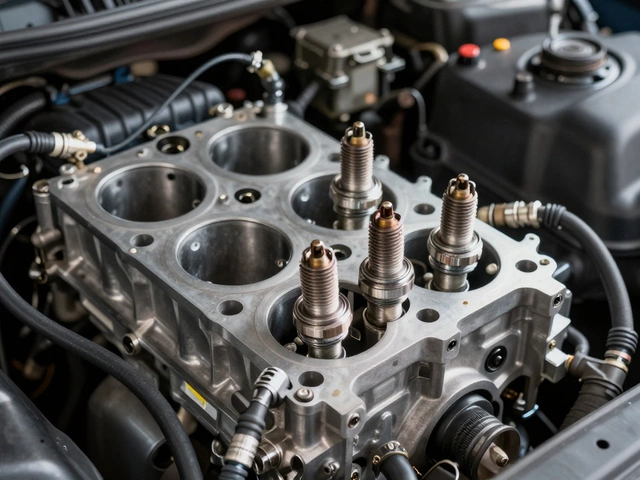
Think of a spark plug as a matchstick. Its job is simple: create a tiny explosion to ignite the fuel-air mixture in the cylinder. For an engine to start, it needs three things: compression, fuel, and spark. If the engine turns over normally but takes ten seconds to fire, the problem is usually not that the spark is too weak-it’s that the spark is happening at the wrong time, or there isn’t enough fuel pressure yet.
Most modern cars use electronic ignition systems that adjust timing based on sensor data. Even worn spark plugs can generate a strong enough spark to ignite fuel during startup, provided the gap hasn’t widened so much that the voltage required exceeds the coil’s capacity. In fact, many mechanics report that replacing plugs on a car with 60,000 miles that starts fine yields zero change in startup speed. The improvement you feel after a tune-up is often psychological, or due to cleaning other components like the throttle body or air filter, not the plugs themselves.
When Spark Plugs Actually Cause Hard Starts
There are specific scenarios where bad plugs do make starting difficult. Knowing these helps you decide if a replacement is worth the effort.
- Fouled Plugs: If oil leaks past piston rings or valve seals, it coats the plug tip in carbon or oil sludge. This insulation prevents the spark from jumping across the gap. The result? A misfire that feels like the engine is struggling to find its rhythm immediately upon startup.
- Widened Gaps: Over time, the electrode erodes, increasing the distance between the center and ground electrodes. A wider gap requires higher voltage to jump. If your ignition coils are aging, they might struggle to push enough juice through that larger gap during the low-voltage conditions of a cold start.
- Cracked Insulators: Rare, but possible. A crack allows the electricity to leak out to the engine block instead of crossing the gap. This creates a complete loss of spark in one cylinder, causing rough idling and hesitation right after starting.
If your plugs look wet with gasoline (flooding) or black and sooty (rich mixture), cleaning them might help temporarily, but they are likely symptomatic of a deeper fuel delivery issue, not the root cause.
The Real Culprits Behind Slow Cranking and Long Startups
If your plugs aren’t the problem, what is? Here is the hierarchy of suspects you should check before buying a set of iridium plugs.
Battery Health and Starter Motor
The most frequent cause of slow starting is electrical weakness. A car battery that is more than four years old may have reduced Cold Cranking Amps (CCA). When you turn the key, the starter draws massive current. If the battery can’t supply it, the engine cranks slowly. A slow crank means the pistons move slower, which reduces the heat generated by compression. Less heat makes ignition harder, leading to longer startup times.
Similarly, a failing starter motor can draw excessive current, dragging down the entire electrical system. This voltage drop can confuse the Engine Control Unit (ECU), causing it to delay injector pulses until stable voltage returns.
Fuel Pressure Loss
This is a sneaky one. Modern fuel-injected engines rely on maintaining residual pressure in the fuel lines when the car is off. If a check valve in the fuel pump fails, or if injectors are leaking, the fuel drains back into the tank overnight. When you try to start the car, the pump has to rebuild that pressure from scratch. This can add several seconds to the startup process. Try this test: turn the key to the "On" position (without starting) for five seconds, then off. Repeat twice. Then start the engine. If it fires instantly, you have a fuel pressure loss issue, not a spark plug issue.
Sensor Failures
Your ECU relies on data to calculate the correct amount of fuel and spark timing. Two sensors are critical for cold starts:
- Coolant Temperature Sensor: If this reads incorrectly (telling the computer the engine is warm when it’s freezing), the ECU won’t enrich the fuel mixture enough. The engine floods or leans out, making ignition difficult.
- Crankshaft Position Sensor: This tells the ECU exactly where the pistons are. If the signal is intermittent, the ECU doesn’t know when to fire the spark. The engine cranks but doesn’t fire until the sensor gets a solid lock-on signal.
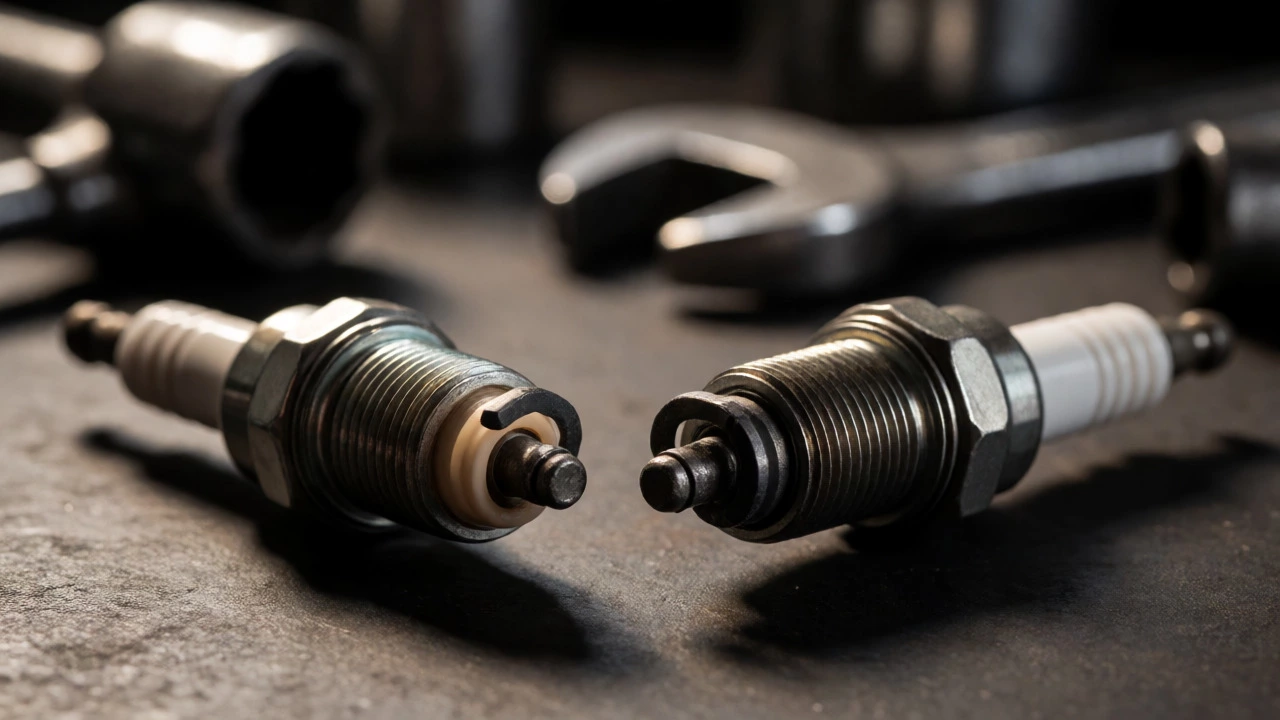
Diagnostic Checklist: Before You Buy Parts
Don’t spend $50-$100 on plugs until you’ve ruled out the basics. Use this quick diagnostic flow:
| Symptom | Likely Cause | Quick Test |
|---|---|---|
| Engine cranks very slowly | Weak Battery or Bad Ground | Check battery voltage (should be >12.4V off, >9.6V cranking) |
| Cranks fast, but takes 5+ seconds to fire | Fuel Pressure Loss or Sensor Issue | Key-on-Engine-off cycle test; scan for coolant temp errors |
| Starts rough, shakes, then smooths out | Misfire / Fouled Plugs / Bad Coils | Scan for OBD-II codes (P0300 series); inspect plug tips |
| Only happens in extreme cold | Oil Viscosity or Battery CCA | Use thinner winter-grade oil; load test battery |
Do Iridium Plugs Make a Difference?
If you decide to replace your plugs anyway-perhaps because they are due for service-you might wonder if premium iridium spark plugs offer better starting performance than standard copper ones. Iridium tips are finer, requiring less voltage to jump the gap. This can slightly improve combustion efficiency, especially in high-compression engines or turbocharged applications.
However, for a standard daily driver with a healthy ignition system, the difference in startup time is negligible. You might notice smoother idling or slightly better fuel economy over thousands of miles, but don’t expect the engine to snap awake like a dog hearing a treat bag. Platinum plugs offer similar longevity benefits but no significant performance boost for starting.
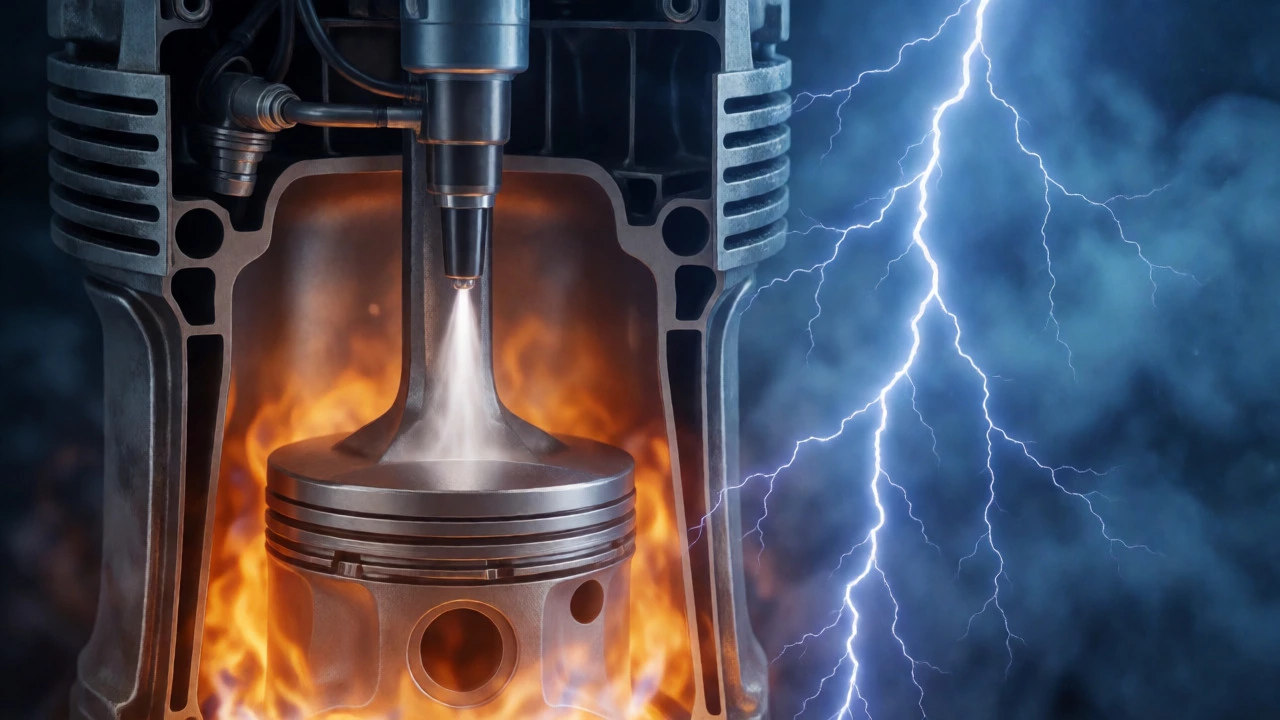
How to Properly Install New Plugs
If you proceed with the swap, avoid the two most common mistakes that ruin new plugs:
- Cross-Threading: Aluminum cylinder heads strip easily. Always thread the plug in by hand for the first few turns. If it resists, stop. Use a magnetic socket extension to guide it straight.
- Over-Torquing: Most people tighten plugs until they feel "tight." This can crush the gasket washer or damage the threads. Use a torque wrench. For most 14mm plugs, the spec is between 13 and 20 ft-lbs. Check your owner’s manual. Under-tightening causes overheating; over-tightening breaks the insulator.
Final Verdict: Save Your Money (Maybe)
Will new spark plugs improve starting? Only if your current plugs are fouled, cracked, or have gaps so wide your coils can’t bridge them. If your car cranks fast but hesitates, look at your fuel system and sensors. If it cranks slowly, look at your battery and starter.
Replacing plugs is good preventative maintenance. Doing it every 60,000 to 100,000 miles ensures you never get stranded. But treating it as a cure-all for hard starting is a classic mechanic’s trap. Diagnose first, buy second. Your wallet-and your patience-will thank you.
Can bad spark plugs drain my battery?
No, bad spark plugs do not drain the battery while the car is off. However, if bad plugs cause the engine to crank for a long time before starting, they indirectly stress the battery by forcing it to deliver power for longer periods. The battery itself remains charged until you attempt to start the car.
Why does my car start hard only in the morning?
Morning hard starts are typically caused by fuel pressure bleeding down overnight or a weak battery losing charge in cooler temperatures. If the issue disappears once the engine is warm, it is rarely a spark plug problem. Check your fuel pump check valve and battery health first.
How often should I change spark plugs?
Standard copper plugs last about 30,000 miles. Platinum plugs last around 60,000 miles, and iridium plugs can last up to 100,000 miles. Always consult your vehicle's owner manual for the manufacturer-recommended interval, as some modern engines require earlier replacement due to tighter tolerances.
What color should healthy spark plugs be?
A healthy spark plug should have a light tan or grayish deposit on the firing end. Black, sooty deposits indicate a rich fuel mixture or oil burning. White or blistered porcelain indicates a lean mixture or overheating. Wet plugs suggest flooding or fuel injector issues.
Does cleaning spark plugs work?
Cleaning can remove surface carbon deposits and restore functionality temporarily. However, if the electrode is eroded or the insulator is cracked, cleaning won't fix the underlying wear. Given the low cost of new plugs, replacement is usually more reliable than cleaning.




Write a comment