Michelin Wiper Blade Advisor
Not sure which Michelin blade is right for you? Answer a few questions about your environment and habits to get a personalized recommendation.
Recommended Type:
Expected Lifespan
Based on your inputs:
*Lifespan varies by usage and care.*
Performance Profile
- Clarity N/A
- Noise N/A
- Cost N/A
Pro Tip from the Article:
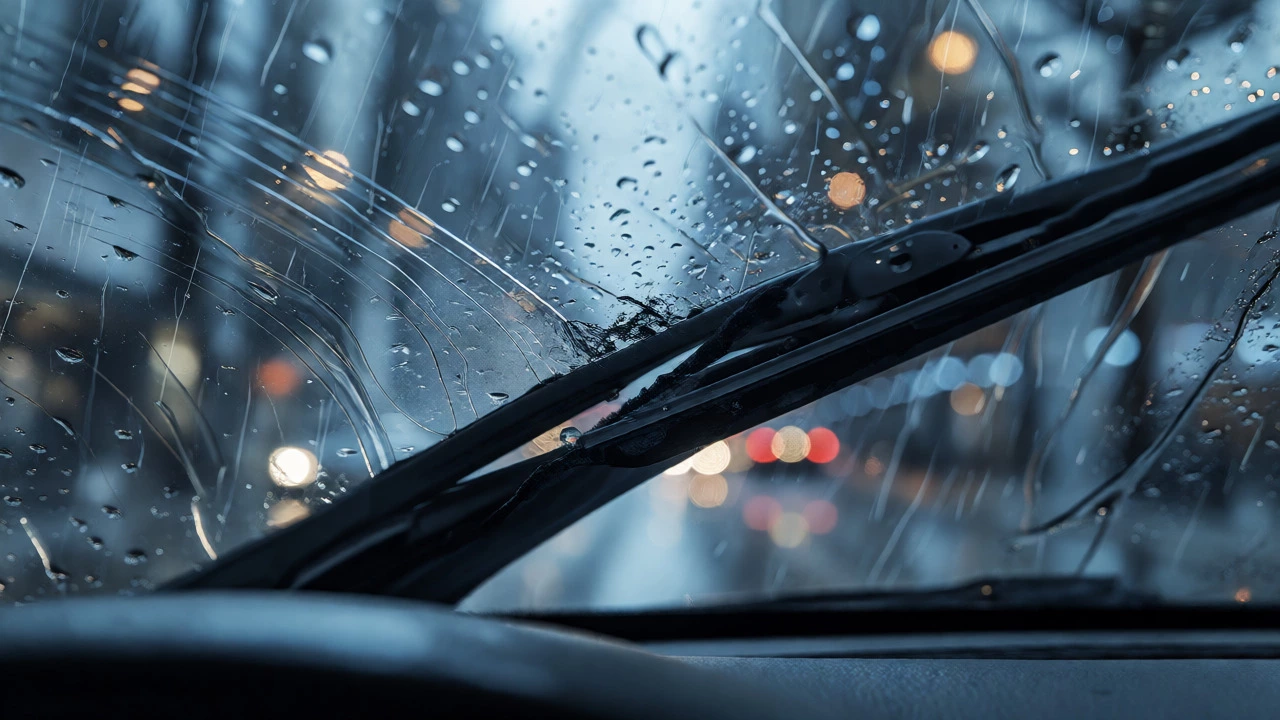
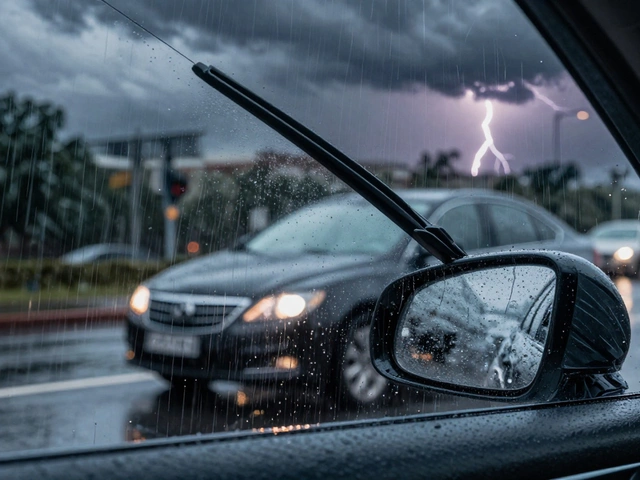
You’re driving through a sudden Auckland downpour, and your view is blurred by streaks. You reach for the glovebox to replace those worn-out blades, grab a box labeled Michelin, and pause. Is this the high-tech stuff that lasts forever, or just standard rubber? The confusion is real because Michelin makes both types, and they look nearly identical in the package.
Here’s the quick truth: Michelin produces both natural rubber and silicone wiper blades, but their marketing often blurs the line depending on the region and specific product line. Most standard replacement blades sold in auto parts stores are natural rubber with a graphite coating. However, their premium lines, like the Michelin Stealth Ultra or specific OEM replacements, often utilize advanced rubber compounds or hybrid designs rather than pure silicone, which remains a niche market dominated by brands like Rain-X.
The Material Difference: Why It Matters
To understand what you’re buying, you need to know what the materials actually do when they hit your glass. It’s not just about flexibility; it’s about how the material reacts to UV light, heat, and friction.
Natural Rubber is the industry standard for a reason. It is soft, provides excellent initial grip on the glass, and wipes water away cleanly. The downside? It degrades quickly. Sunlight breaks down the molecular structure of rubber, causing it to harden and crack within six to twelve months, especially if you park outside. If you live in a hot climate or drive frequently in direct sun, rubber blades will leave streaks long before they physically fall apart.
Silicone is different. It is chemically more stable and resistant to UV radiation. A silicone blade can last up to three times longer than rubber. But here is the catch most people don’t tell you: silicone doesn’t “grip” the glass the same way rubber does. It tends to glide. This means it might skip over small debris or leave a faint film if your windshield isn’t perfectly clean. Also, silicone blades are significantly more expensive upfront.
| Feature | Standard Michelin (Rubber) | Premium/Hybrid Michelin | Pure Silicone (Competitor) |
|---|---|---|---|
| Primary Material | Natural Rubber + Graphite Coating | Synthetic Rubber Blend | 100% Silicone |
| Average Lifespan | 6-12 Months | 12-18 Months | 18-24+ Months |
| UV Resistance | Low | Moderate | High |
| Noise Level | Quiet when new, chatters when old | Consistently Quiet | Can squeak on dry glass |
| Cost | $ | $$ | $$$ |
Identifying Your Michelin Blades
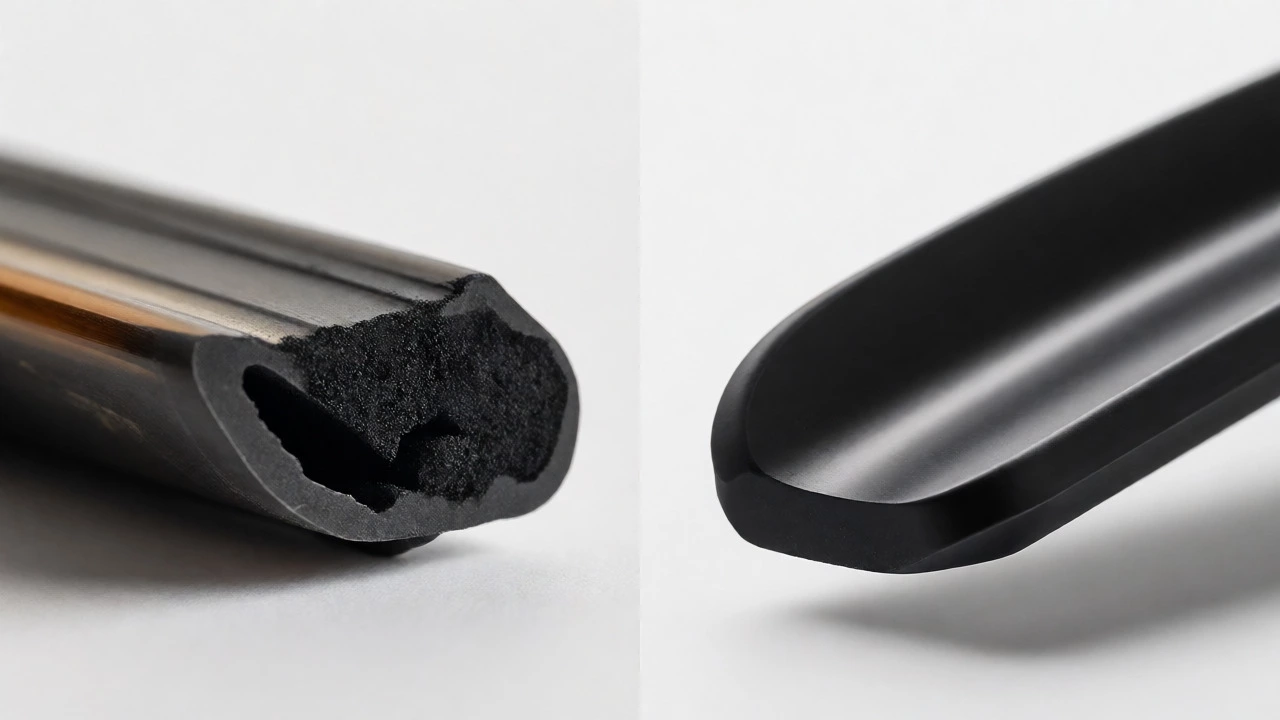
If you already have Michelin blades on your car and aren’t sure what they are, don’t guess. Look at the physical characteristics. Pure silicone blades usually feel slightly heavier and have a distinct, almost rubbery-but-smooth texture that doesn’t get sticky in heat. Natural rubber blades often have a visible black graphite powder coating along the wiping edge. If you run your finger along the edge and it comes away slightly dusty or black, it’s likely rubber with a lubricant coating. Silicone edges are typically smooth and won’t leave residue on your finger.
Check the packaging code. While codes vary by region, many Michelin boxes explicitly state "Rubber" or "Synthetic." If it says "All-Weather" without specifying silicone, assume it is a high-quality synthetic rubber blend. These blends are engineered to resist cracking better than pure natural rubber but don’t offer the full longevity of silicone.
Why Michelin Focuses on Rubber Technology
You might wonder why a brand as innovative as Michelin doesn’t just switch everything to silicone. The answer lies in performance consistency. Michelin prioritizes clear vision during heavy rain above all else. Rubber, when fresh, conforms to the curvature of the windshield better than silicone. This creates a tighter seal against the glass, ensuring water is pushed aside rather than smeared. For drivers in regions with intense storms, like New Zealand or the Pacific Northwest, that immediate clarity is worth replacing a $20 blade every year rather than risking visibility issues with a $50 silicone blade that might chatter in cold mornings.
Furthermore, modern synthetic rubbers have improved dramatically. Brands like Michelin use proprietary compounds that include ozone-resistant additives. This extends the life of the blade without the high cost or potential noise issues associated with silicone. It’s a balance of cost, performance, and reliability.
When to Choose Silicone Over Michelin’s Standard Line
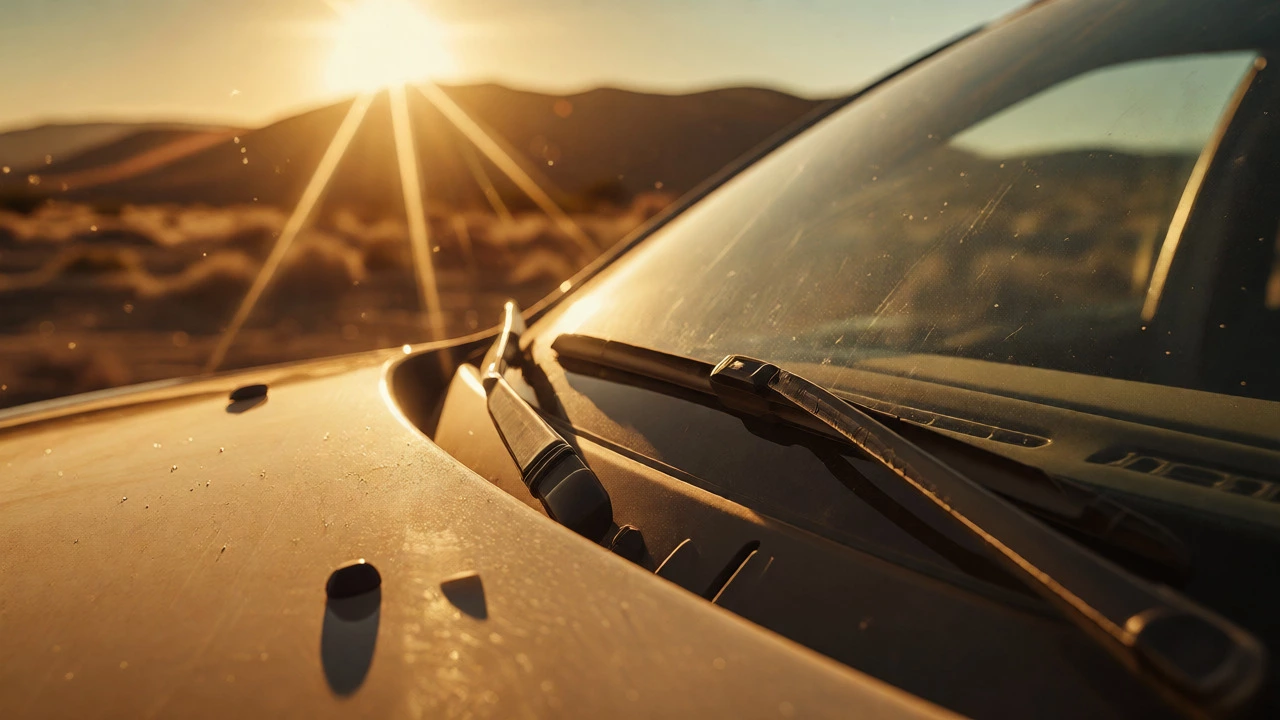
There are scenarios where sticking with standard Michelin rubber isn’t the best move. If you live in an area with extreme sunlight exposure, such as Arizona or inland Australia, the UV degradation of rubber happens fast. In these cases, even a premium synthetic rubber might fail in under six months. Here, investing in a dedicated silicone blade from a specialist brand might save you money in the long run, despite the higher upfront cost.
Also, consider your washing habits. Silicone blades require a very clean windshield to work effectively. If you rarely wash your car, dust and pollen build up on the glass. Silicone glides over this grit, potentially scratching the glass over time or leaving streaks. Rubber grips the grit and clears it. If you’re a low-maintenance driver, stick with the rubber-based Michelin options.
Maintenance Tips to Extend Blade Life
Regardless of whether you buy rubber or silicone, your maintenance routine dictates their lifespan more than the material itself. Here is how to keep them working:
- Clean the Edge Weekly: Use a damp cloth with mild soap to wipe the rubber edge. Remove the built-up grime that causes streaking.
- Lift During Freezing Nights: If ice forms, lifting the arms prevents the rubber from freezing to the glass and tearing when you turn them on.
- Check for Chattering: If the blade skips across the glass, it’s hardened. Don’t wait for it to fail completely in a storm.
- Replace in Pairs: Even if one side looks fine, replace both. Uneven wear leads to uneven pressure and poor visibility.
Final Verdict: What Should You Buy?
For most drivers, the standard Michelin rubber-blade lineup offers the best value. They provide superior wet-weather clarity out of the box and are affordable enough to replace annually. This ensures you always have optimal visibility without worrying about the subtle trade-offs of silicone technology. Only switch to silicone if you have specific environmental challenges, like extreme UV exposure, or if you find yourself replacing rubber blades more than twice a year due to rapid hardening.
Remember, the brand name on the box matters less than the condition of the blade. A two-month-old silicone blade can perform worse than a one-week-old rubber blade if the glass is dirty or the blade has chattered against the frame. Keep your windshield clean, inspect your blades monthly, and replace them at the first sign of streaking.
Do Michelin wiper blades contain silicone?
Most standard Michelin wiper blades are made from natural or synthetic rubber with a graphite coating. However, some premium or specific regional models may incorporate silicone compounds or be marketed as hybrid blades. Always check the specific product label for material composition.
How long do Michelin rubber wiper blades last?
Typically, Michelin rubber wiper blades last between 6 to 12 months. Their lifespan depends heavily on climate conditions, such as exposure to direct sunlight and extreme temperatures, as well as how often the windshield is cleaned.
Are silicone wipers better than Michelin rubber ones?
Silicone wipers generally last longer due to UV resistance, but they can be noisier and may smear if the windshield isn't perfectly clean. Michelin's rubber blades often provide clearer initial visibility in heavy rain. "Better" depends on whether you prioritize longevity or immediate clarity.
Can I put silicone wipers on my car if it came with Michelin rubber ones?
Yes, you can swap them if the connector type matches (usually U-hook, side pin, or top lock). Ensure the length is correct for your vehicle. Be aware that silicone blades may behave differently on your specific windshield curvature compared to the original equipment.
Why are my new Michelin wipers streaking?
New blades can streak if there is oil, wax, or dirt buildup on the windshield glass. Clean the glass thoroughly with glass cleaner or rubbing alcohol. Also, ensure the protective plastic strip on the rubber edge was removed before installation.



Write a comment